
 English
 русский
 عربى
عربى

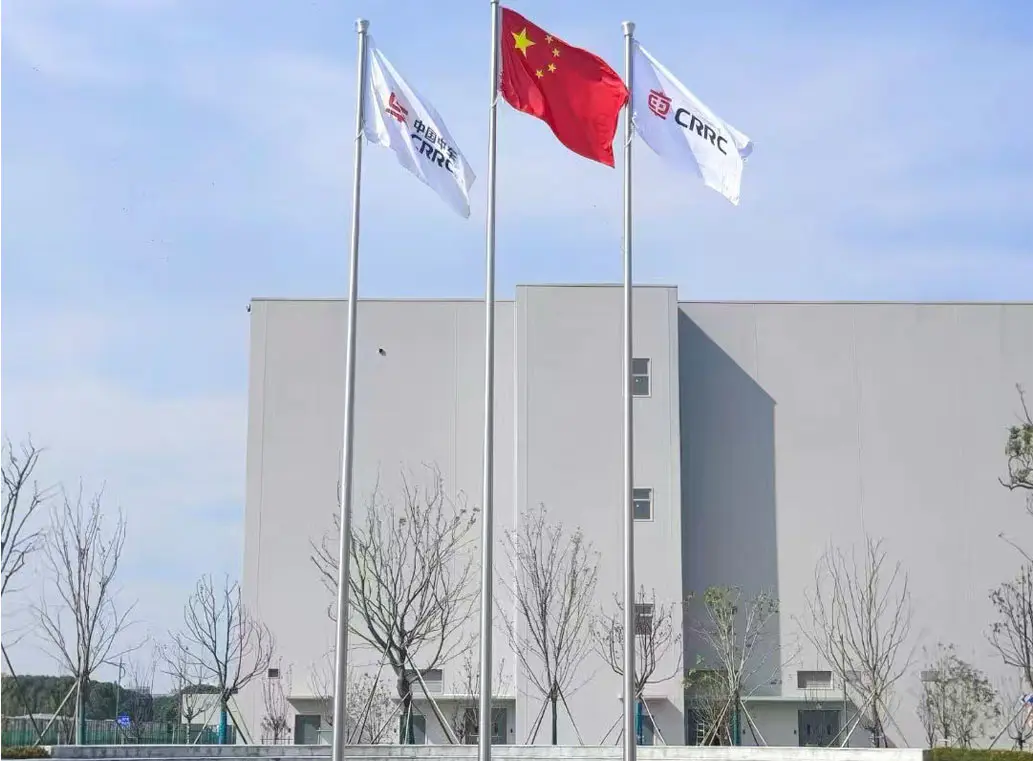
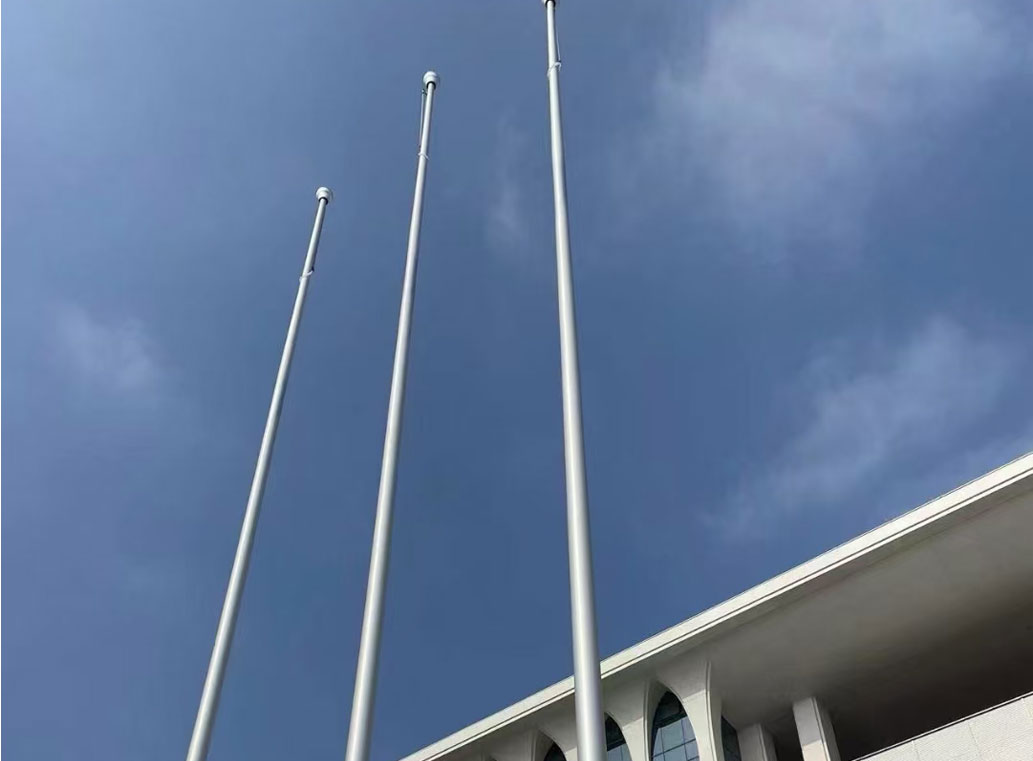
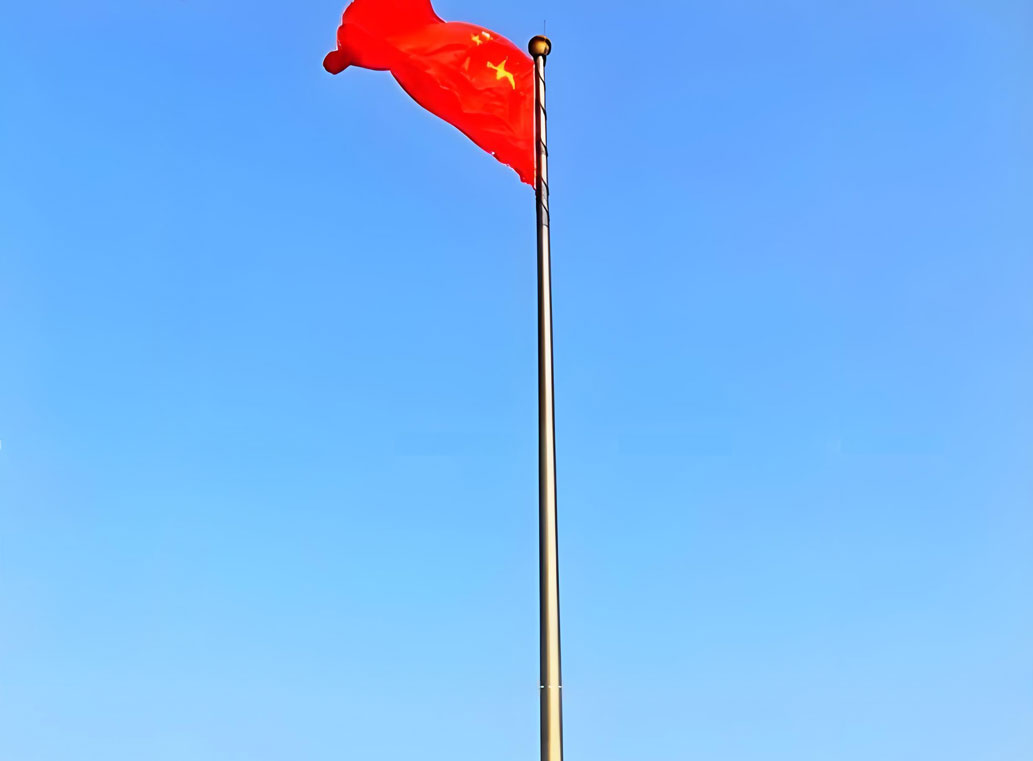
Flagpoles stand as proud symbols, gracing homes, businesses, and public spaces alike. While various materials are used in their construction, stainles......
READ MORESubmit feedback
Home / News / Industry News / How Does Structural Integrity Define the Safety and Functionality of a Modern Reviewing Stand?
How Does Structural Integrity Define the Safety and Functionality of a Modern Reviewing Stand?
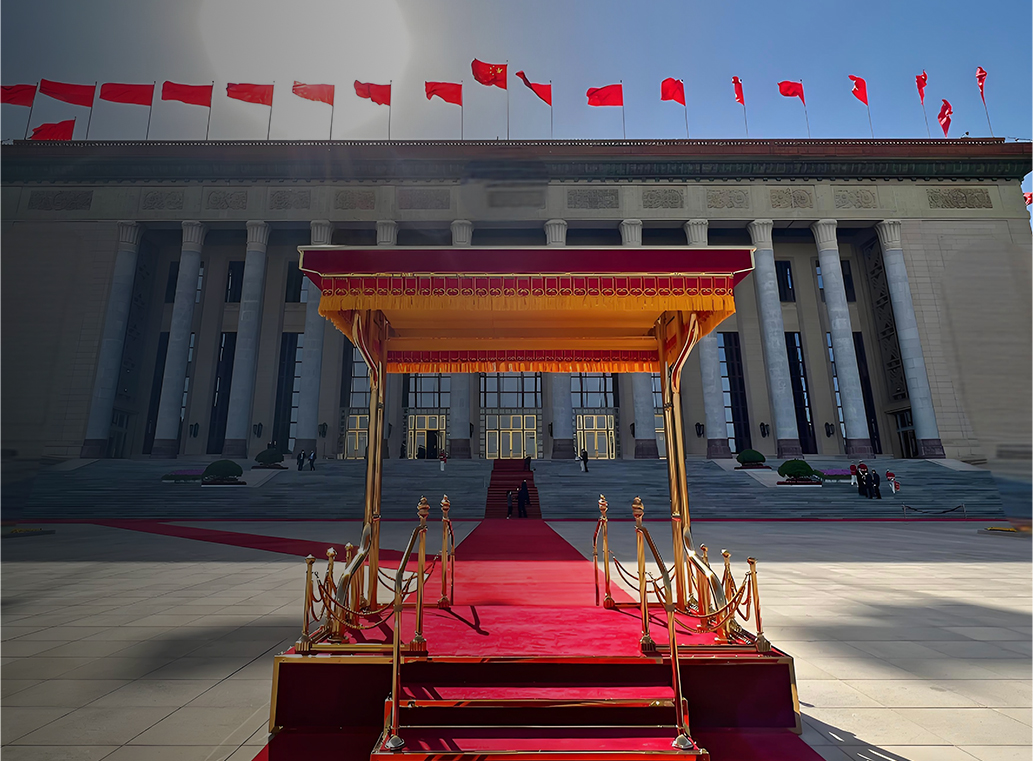
In the architecture of civic ceremonies and high-profile events, the Reviewing Stand serves as the primary elevated platform for dignitaries, officials, and event organizers. Unlike temporary scaffolding, a permanent or semi-permanent Reviewing Stand requires rigorous engineering to handle dynamic loads, ensure clear sightlines, and integrate seamlessly with surrounding infrastructure like Outdoor Flagpoles. The technical complexity of these structures involves advanced load-bearing calculations, slip-resistant material science, and weatherproofing protocols designed to maintain structural stability under high-capacity usage.
What Are the Core Structural Requirements for a High-Load Capacity Reviewing Stand?
The primary function of a Reviewing Stand is to provide a safe, elevated vantage point for a specific number of occupants. Achieving this requires a deep focus on the substructure and the decking materials to prevent resonance or structural fatigue during synchronized movements, such as standing ovations or rhythmic walking.
-
Foundation Engineering and Dynamic Load Distribution: The base of a Reviewing Stand must be anchored into reinforced concrete footings that exceed standard building codes for public assembly. Engineers calculate the "live load" (the weight of moving people) and the "dead load" (the weight of the structure itself) to ensure the soil pressure remains within safe limits. For stands located near high-wind areas, specialized ground anchors are used to counteract lateral forces, ensuring the platform remains motionless even during inclement weather.
-
Heavy-Duty Framework and Corrosion-Resistant Substrates: Similar to the materials used in a Stainless Steel Flagpole, the internal skeleton of a Reviewing Stand often utilizes hot-dipped galvanized steel or high-strength aluminum extrusions. Galvanization provides a protective zinc layer that prevents rust from the inside out, which is critical for structures exposed to humidity and rain. The joints are typically double-welded or secured with industrial-grade tension bolts that are inspected for torque consistency during the assembly phase.
-
Decking Materials and Anti-Slip Technology: The walking surface of the platform must prioritize grip and drainage. Modern stands employ perforated aluminum planking or composite materials with embedded grit textures. These materials allow rainwater to pass through immediately, preventing the formation of puddles that could lead to hydroplaning or slips. Furthermore, the decking is engineered to be "acoustically dead," meaning it minimizes the hollow thumping sound of footsteps, which is essential for maintaining clear audio during televised or recorded speeches.
|
Feature |
Standard Reviewing Stand |
Heavy-Duty Civic Stand |
|---|---|---|
|
Load Bearing |
500 kg per square meter |
750+ kg per square meter |
|
Primary Material |
Aluminum Alloy |
Galvanized Steel / Stainless Steel |
|
Floor Surface |
Anti-Slip Composite |
Perforated Metal Grating |
|
Safety Railing Height |
1100mm (Standard) |
1200mm+ (Reinforced) |
|
Drainage System |
Natural Run-off |
Integrated Channel Drainage |
Why Is the Integration of Safety Railings and Accessibility Systems Critical for Event Platforms?
A Reviewing Stand is not merely a raised floor; it is a complex assembly of safety barriers and access points that must accommodate a diverse group of users, including those with limited mobility. The design of these peripheral systems must be as robust as the main platform itself.
-
Reinforced Handrail and Balustrade Engineering: The railings surrounding a Reviewing Stand must withstand significant "concentrated loads"—specifically, the force of a group of people leaning against the barrier simultaneously. These railings are often bolted directly into the structural steel frame rather than the decking to ensure maximum leverage resistance. For a cohesive aesthetic, these railings may utilize the same polished finish found on a nearby Stainless Steel Flagpole, providing a unified architectural language for the entire ceremonial site.
-
ADA-Compliant Ramp and Stairway Systems: To ensure inclusivity, modern stands are equipped with precision-angled ramps. These ramps must maintain a specific "rise-to-run" ratio to allow for unassisted wheelchair access. The transition points between the ramp and the main platform are engineered with zero-clearance thresholds to prevent tripping hazards. Stairways are typically designed with closed risers and high-visibility nosing to assist users in low-light conditions or during evening ceremonies.
-
Wind-Shielding and Acoustic Paneling: In many configurations, the rear and sides of the Reviewing Stand are fitted with tempered glass or polycarbonate panels. These serve a dual purpose: they act as windbreaks for the occupants and provide an acoustic barrier that reflects sound back toward the front-facing microphones. This ensures that the audio quality for the reviewing officers or speakers is not degraded by ambient wind noise or background traffic.
How Does the Synergy Between the Reviewing Stand and Flagpole Systems Enhance Ceremonial Presence?
The Reviewing Stand and surrounding Outdoor Flagpoles are often designed as a single integrated system. The placement of an Aluminum Alloy Flagpole in relation to the stand is determined by wind-tunnel testing and sightline analysis to ensure that flags do not obstruct the view of the reviewers while remaining a prominent visual element.
-
Synchronized Visual Alignment: Architects use "sightline geometry" to position flagpoles so they frame the Reviewing Stand without creating blind spots. This involves calculating the "flag wrap" radius—the distance a flag can extend when fully unfurled—to ensure it does not strike the stand or its occupants. By using an Aluminum Alloy Flagpole with an internal halyard, the noise of the rope is eliminated, allowing the focus to remain on the proceedings on the stand.
-
Shared Foundation and Lightning Protection: In many modern installations, the Reviewing Stand and the flagpole array share a common grounding grid. This integrated lightning protection system ensures that if either structure is struck, the electrical surge is safely dissipated into the earth, protecting the sensitive electronic equipment (such as PA systems and cameras) often housed within the stand. This shared infrastructure reduces site disturbance during the construction phase.
-
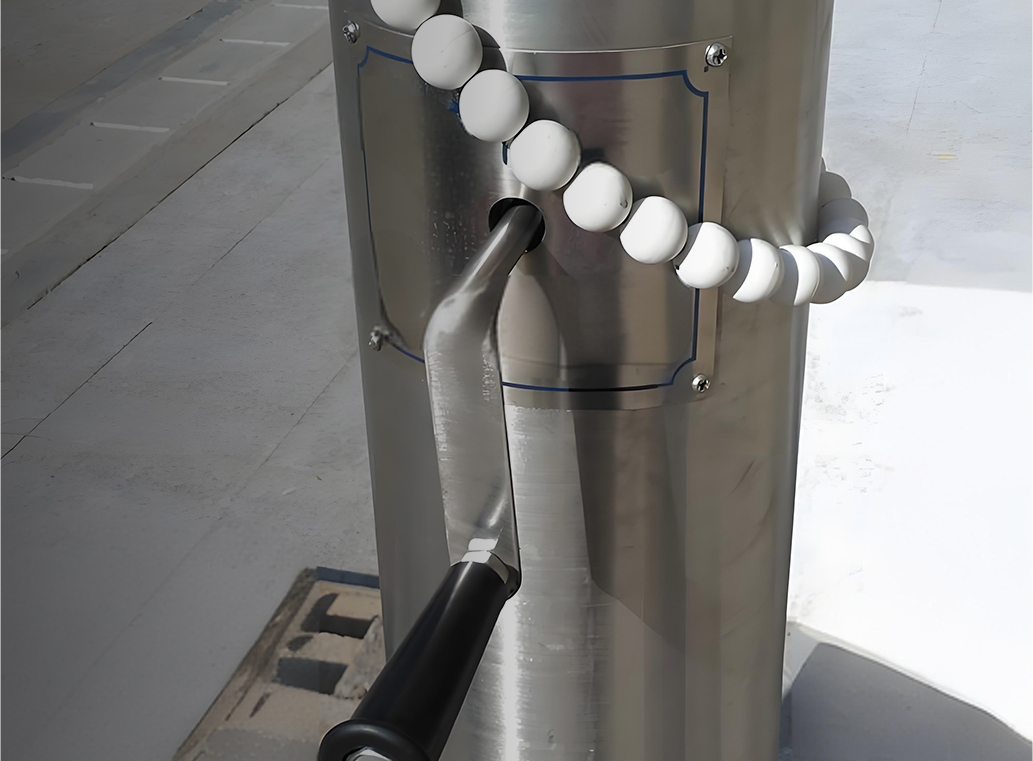
Integrated Lighting and Media Mounts: Premium reviewing stands often feature built-in mounts for high-intensity LED floodlights designed to illuminate the flags at night. These lights are positioned to avoid "glare zones" for the people on the platform. Additionally, the stand may serve as the hub for the winch controls used to raise and lower the flags on the nearby Stainless Steel Flagpole, allowing a single operator to manage the entire ceremonial display from a central, protected location.
By adhering to these rigorous engineering and integration standards, a Reviewing Stand provides the necessary stability, safety, and prestige required for significant institutional gatherings.
Previous Post
The Professional Engineering Standards for Outdoor Flagpoles: A Global Selection Guide
Next Post
How Do Engineering Specifications Determine the Durability of Modern Outdoor Flagpoles?
News
-
-
1. Understanding the Importance of Regular Maintenance for Aluminum Alloy Flagpoles Regular maintenance of your aluminum alloy flagpole is essential ......
READ MORE -
Unique advantages of aluminum alloy: Why it is the preferred material for flagpoles In today's society, flagpoles are not only a tool for displaying f......
READ MORE -
What is the aluminum alloy electric intelligent lifting conical flagpole? The aluminum alloy electric intelligent lifting conical flagpole is a high-e......
READ MORE

Copyright Jiangsu Shengqi Weiye Intelligent Technology Co., Ltd. All Rights Reserved.
 Custom Commercial Flagpoles Suppliers