
 English
 русский
 عربى
عربى
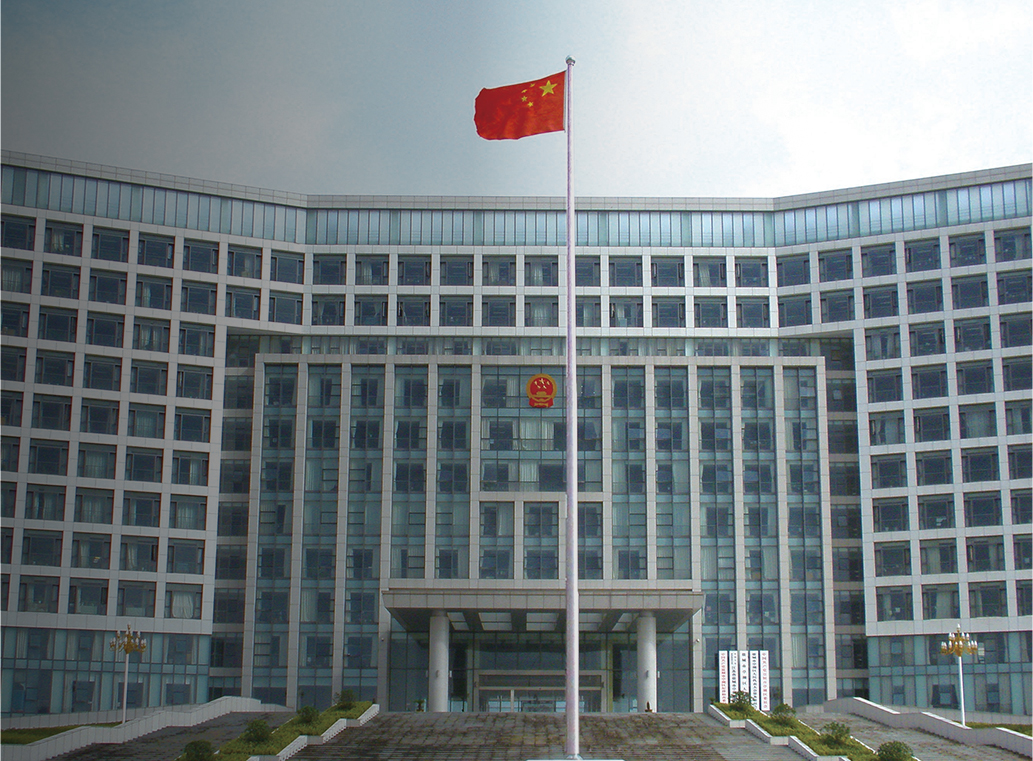
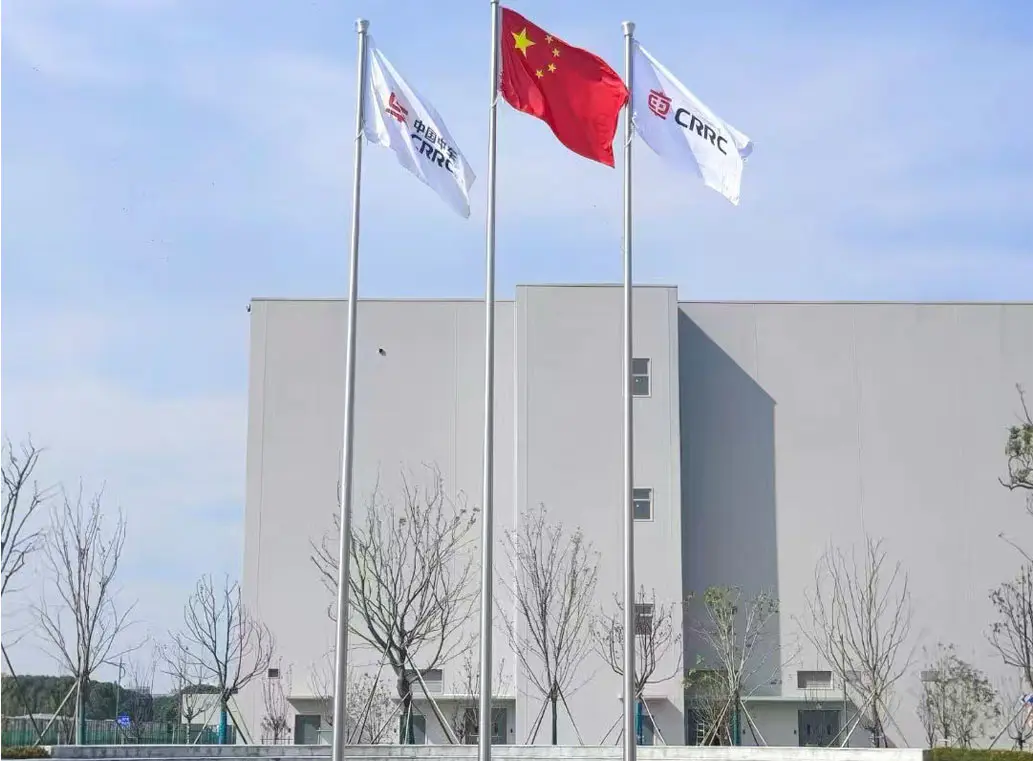
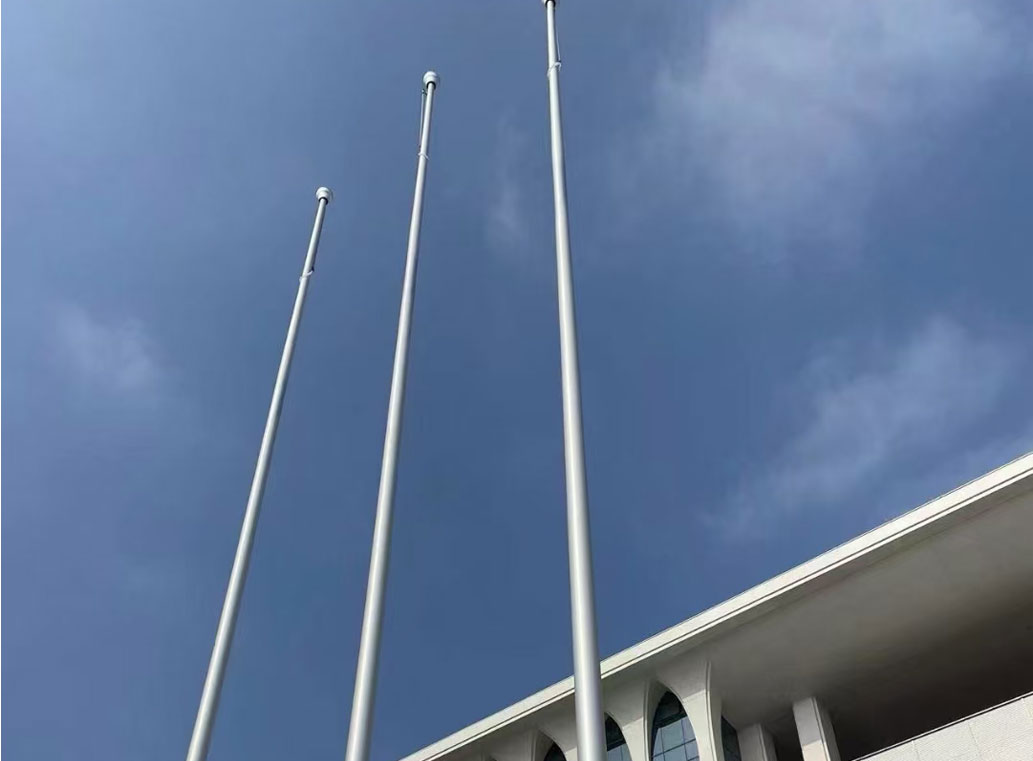
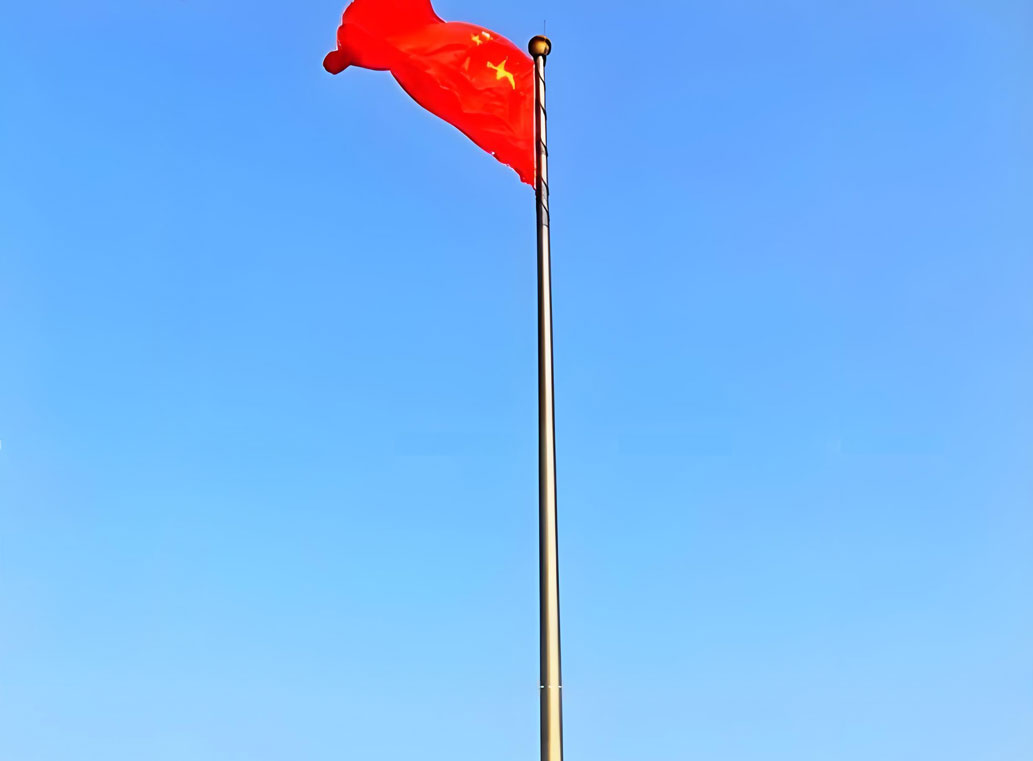
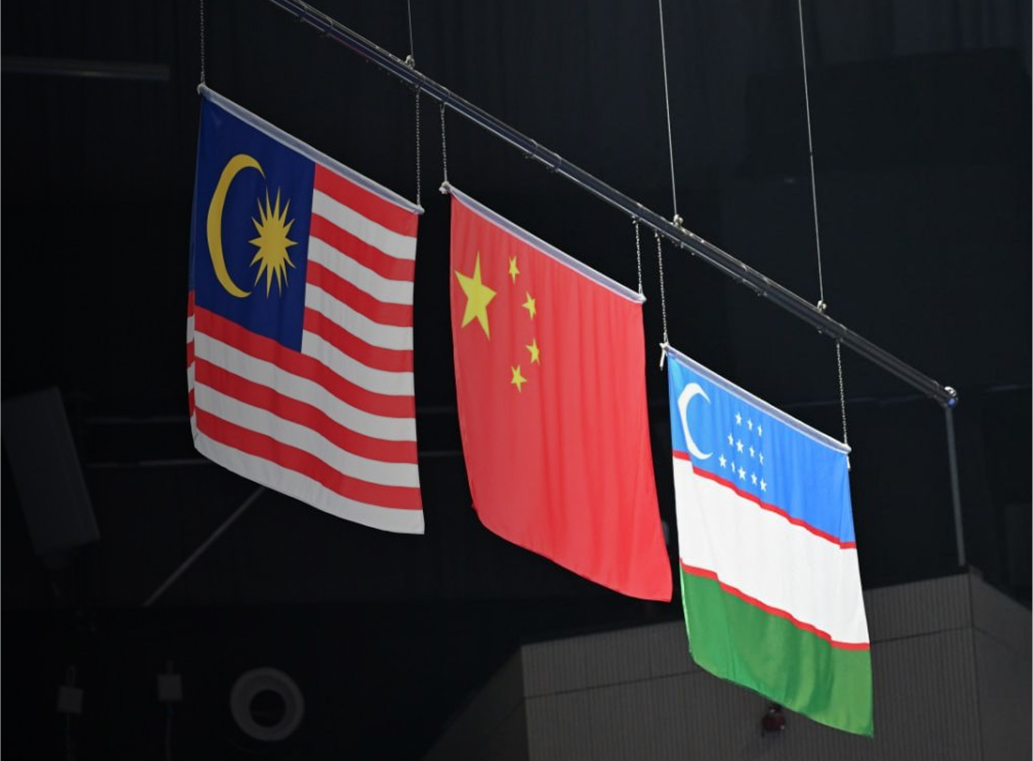
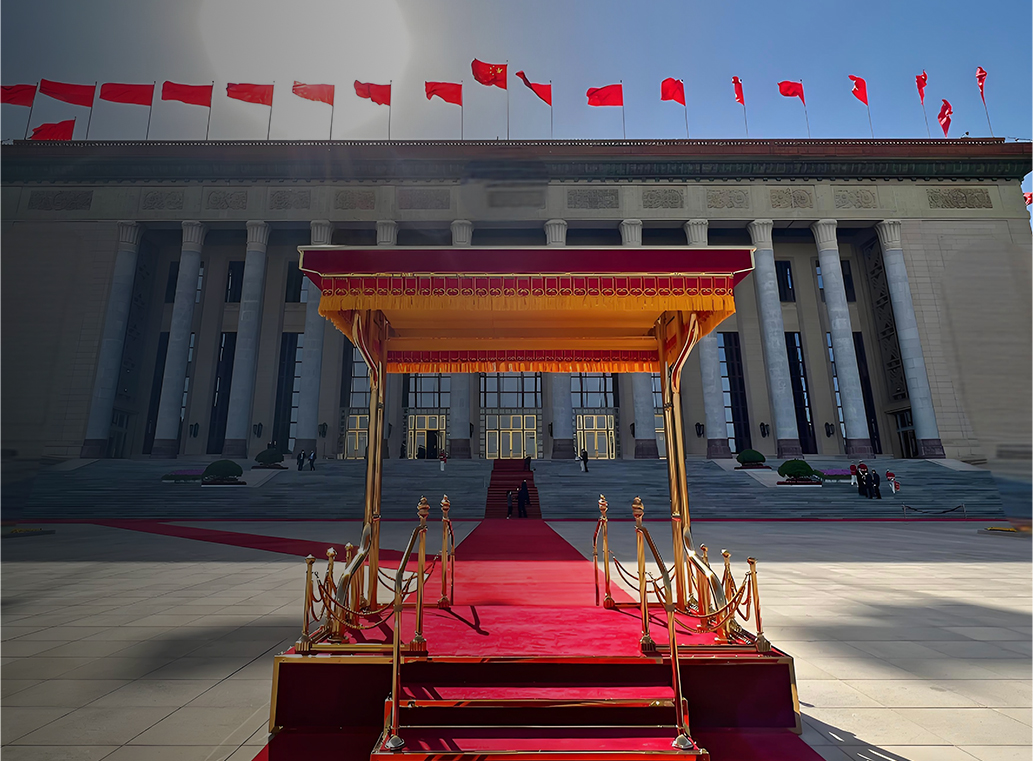
Flagpoles stand as proud symbols, gracing homes, businesses, and public spaces alike. While various materials are used in their construction, stainles......
READ MORESubmit feedback
Home / News / Industry News / Why Are Aluminum Alloy Flagpoles Becoming the Global Standard for Symbolic and Functional Installations?
Why Are Aluminum Alloy Flagpoles Becoming the Global Standard for Symbolic and Functional Installations?
What Is an Aluminum Alloy Flagpole, and How Does It Work?
To understand their widespread adoption, it is first essential to define aluminum alloy flagpoles and the engineering principles that underpin their performance.
An aluminum alloy flagpole is a precision-manufactured structure designed for flag display, constructed from high-grade aluminum alloys (primarily 6063 aluminum) known for their strength, corrosion resistance, and lightweight properties. Unlike traditional steel flagpoles that rely on heavy materials for stability, aluminum alloy flagpoles leverage advanced manufacturing processes and alloy engineering to deliver superior performance without excessive weight. These flagpoles integrate specialized components to ensure smooth operation, flag protection, and adaptability to various environments.
Core Components of an Aluminum Alloy Flagpole System
Aluminum alloy flagpoles consist of several key components that work in harmony to ensure reliability, functionality, and longevity:
- Seamless Aluminum Alloy Shaft: The primary structural element, typically crafted via CNC spinning (numerical control spinning) for a one-piece, seamless design. The shaft features a tapered profile (e.g., 85mm top diameter to 166mm bottom diameter for 9-meter poles) that enhances structural integrity and wind resistance . Most shafts undergo T6 heat treatment to achieve a tensile strength of 240 MPa, ensuring they can withstand extreme wind loads .
- 360-Degree Wind-Deflection Ball Top: A critical accessory that allows the flag to rotate freely with changing winds, preventing tangling and damage. This precision-engineered component features smooth bearings and a aerodynamic design, ensuring silent operation and long service life .
- Lifting Mechanism: Available in manual (internal or external rope) or electric configurations. Electric systems integrate motorized cores with remote control functionality (up to 50-meter range), synchronized music playback, and height self-calibration to align flag raising with anthems or ceremonies . Manual systems feature hidden internal ropes to avoid weather damage and aesthetic disruption.
- Base and Foundation: A reinforced aluminum or concrete base that anchors the flagpole to the ground. For coastal or corrosive environments, the base includes epoxy tar protection (0.7–1mm thickness) to prevent saltwater damage . The foundation often incorporates steel reinforcement (e.g., 660kg of steel for 12-pole installations) to ensure stability in high-wind areas .
- Surface Treatment Layer: A protective coating applied via anodization or fluorocarbon spraying. Anodization creates a natural oxide layer that enhances corrosion resistance, while fluorocarbon spraying offers superior UV protection and color retention, ensuring the flagpole maintains its appearance for decades .
Operational Mechanisms of Aluminum Alloy Flagpoles
The functionality of aluminum alloy flagpoles varies by type, but all adhere to core operational principles:
- Flag Raising/Lowering: Electric models use a motorized drive system controlled by buttons or remotes, with dual proximity and photoelectric sensors to ensure precise positioning at the top and bottom . Manual models rely on a pulley system with stainless steel cables (resistant to rust and wear) hidden within the shaft to avoid tangling and weather exposure.
- Wind Adaptation: The 360-degree ball top rotates continuously with wind direction, keeping the flag taut and preventing tangling—a common issue with fixed-top flagpoles. For low-wind environments, some models integrate wind pump systems to keep flags fluttering .
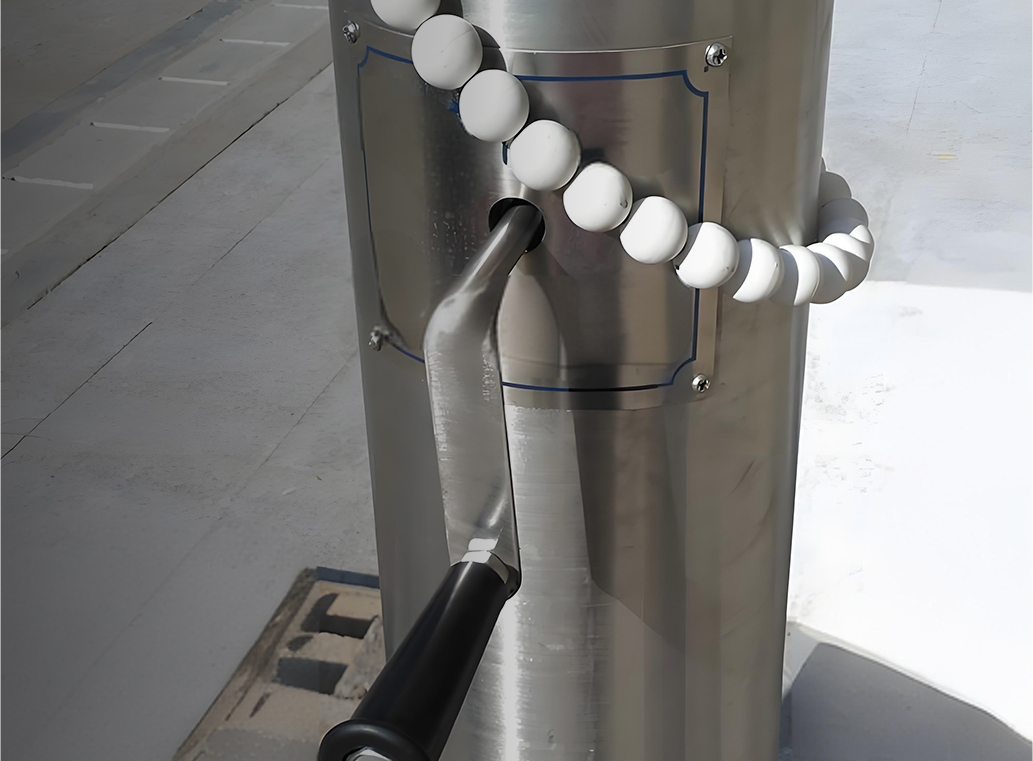
- Emergency Functionality: Electric flagpoles include a manual override feature, allowing users to raise/lower flags with a crank in case of power outages .
- Durability Systems: The seamless shaft design eliminates weak points (e.g., welding seams in steel poles) that can fail under stress. The alloy’s natural corrosion resistance, combined with surface treatments, protects against moisture, salt, and UV radiation—critical for outdoor longevity .
Unmatched Advantages of Aluminum Alloy Flagpoles
The global preference for aluminum alloy flagpoles stems from their unique combination of benefits that address the limitations of traditional materials like steel, wood, and plastic. Below are their most compelling advantages:
1. Superior Durability and Corrosion Resistance
Aluminum alloys—particularly 6063 aluminum—possess inherent corrosion resistance due to their natural oxide layer. This makes aluminum alloy flagpoles ideal for harsh environments, including coastal areas (where saltwater damages steel), industrial zones (with chemical exposure), and humid regions (prone to mold and rot in wood) . When enhanced with anodization or fluorocarbon spraying, their resistance to rust, fading, and degradation is further amplified, resulting in a service life of 20–30 years—double that of uncoated steel flagpoles . Unlike wooden flagpoles, aluminum models require no periodic painting or sealing to maintain their integrity.
2. Lightweight yet High Strength
Aluminum’s density (2.7 g/cm³) is 30% lower than steel, making aluminum alloy flagpoles significantly lighter and easier to transport, handle, and install. A 9-meter aluminum flagpole weighs approximately 45kg, compared to 90kg for a steel pole of the same dimensions . Despite their lightness, T6 heat-treated aluminum alloys deliver exceptional strength-to-weight ratios, with tensile strengths comparable to mild steel. This combination allows for easier on-site assembly (often without heavy machinery) while ensuring the flagpole can withstand wind speeds of up to 120km/h—critical for safety in storm-prone regions .
3. Seamless Craftsmanship and Aesthetic Appeal
Advanced CNC spinning technology enables the production of seamless aluminum flagpoles with perfect roundness and a smooth, tapered profile . Unlike traditional bent-and-welded steel poles (which suffer from uneven surfaces, welding marks, and structural weaknesses), seamless aluminum flagpoles offer a sleek, professional appearance that enhances any setting—from government plazas to corporate lobbies . The availability of custom surface treatments (e.g., natural anodized, black fluorocarbon, or metallic finishes) allows organizations to align the flagpole with their branding or architectural style. Additionally, hidden internal rope systems eliminate unsightly external cables, further elevating the flagpole’s aesthetic appeal .
4. Cost-Effectiveness Over the Lifespan
While aluminum alloy flagpoles may have a 15–20% higher upfront cost than basic steel flagpoles, their long-term economic benefits are substantial:
- Reduced Installation Costs: Lightweight design minimizes labor and equipment requirements (e.g., no crane needed for poles under 12 meters).
- Low Maintenance Expenses: No painting, rust removal, or replacement of rotted parts—annual cleaning with water is sufficient.
- Extended Service Life: 20–30 years of reliable use, compared to 10–15 years for steel and 5–8 years for wood.
- Recyclability Value: At the end of their lifespan, aluminum flagpoles can be fully recycled, offsetting disposal costs and contributing to sustainability goals .
For organizations like Shanghai University of Political Science and Law— which recently installed 12 aluminum alloy flagpoles (9 relocated, 3 new) for its SCO Base—the long-term cost savings and durability justified the initial investment .
5. Environmental Sustainability
Aluminum is one of the most sustainable construction materials, with 75% of all aluminum ever produced still in use today . Aluminum alloy flagpoles are 100% recyclable, and recycling aluminum requires just 5% of the energy needed to produce primary aluminum—reducing carbon emissions significantly. Additionally, the low melting point of aluminum (660°C) compared to steel (1538°C) minimizes energy consumption during manufacturing . For organizations prioritizing eco-friendly practices, aluminum alloy flagpoles offer a guilt-free alternative to non-recyclable materials like plastic or resource-intensive steel.
6. Versatility and Customization
Aluminum alloy flagpoles adapt to diverse needs and settings, with options including:
- Height Ranges: From 3-meter indoor poles to 25-meter outdoor monuments, with standard sizes aligned to flag dimensions
- Mounting Types: Ground-mounted (for open areas), wall-mounted (for buildings), or portable (for events).
- Operation Modes: Electric (with remote control, music sync, and auto-calibration), manual (internal or external rope), or wind-powered (for constant flag movement) .
- Special Features: Anti-theft locks, LED lighting integration, and custom engravings (for memorials or branding).
This versatility makes aluminum alloy flagpoles suitable for schools, military bases, sports stadiums, hotels, and residential communities alike .
Aluminum Alloy vs. Steel Flagpoles: A Critical Comparison
To fully appreciate the superiority of aluminum alloy flagpoles, it is essential to compare them to steel—their most common alternative. The table below highlights key differences:
The comparison reveals that aluminum alloy flagpoles outperform steel in critical areas: corrosion resistance, weight, aesthetics, and long-term cost. While stainless steel offers better corrosion resistance than mild steel, it remains heavier, more expensive, and less sustainable than aluminum .
Key Design and Selection Considerations for Aluminum Alloy Flagpoles
Choosing the right aluminum alloy flagpole requires careful attention to environmental conditions, functional needs, and aesthetic preferences. Below are critical factors to consider:
1. Alloy Grade and Heat Treatment
Prioritize flagpoles made from 6063 aluminum alloy with T6 heat treatment—this combination delivers the optimal balance of strength, corrosion resistance, and workability . Avoid lower-grade aluminum (e.g., 6061) for outdoor use, as it lacks the same level of durability. Verify that the manufacturer provides test reports confirming tensile strength (≥240 MPa) and wind load resistance .
2. Manufacturing Process
Select flagpoles produced via CNC spinning rather than traditional bending and welding. CNC spinning ensures a seamless, uniform shaft with perfect roundness, eliminating structural weaknesses and aesthetic flaws . Ask for samples or images of the pole’s interior and exterior to check for seams, unevenness, or surface defects.
3. Surface Treatment
Choose a surface treatment aligned with your environment:
- Anodization: Ideal for moderate climates; provides natural corrosion resistance and a matte finish.
- Fluorocarbon Spraying: Best for coastal, industrial, or high-UV areas; offers superior protection against salt, chemicals, and fading .
- Powder Coating: A cost-effective option for indoor or low-exposure settings.
Ensure the treatment meets industry standards for longevity.
4. Height and Taper Specification
Match the flagpole height to the flag size and installation location:
- 3–6 meters: Suitable for 5# flags (96x64cm) in residential areas or indoor spaces .
- 9–12 meters: Ideal for 3#–2# flags (192x128cm–240x160cm) in schools, offices, or small plazas .
- 15–25 meters: For 1# flags (288x192cm) in government buildings, stadiums, or large public spaces .
The taper ratio (typically 1:100 to 1:150) should be consistent to ensure structural stability—avoid poles with irregular tapers, which may fail under wind stress.
5. Operational System
Select an operation mode based on usage frequency and accessibility:
- Electric: Best for high-traffic areas (e.g., government plazas, schools) where frequent flag raising/lowering is required. Look for systems with remote control, music sync, and manual override .
- Manual Internal Rope: Suitable for low-traffic settings; hidden cables protect against weather damage and theft.
- Manual External Rope: A budget-friendly option for temporary installations (e.g., events), but less durable for long-term use.
6. Foundation and Base Design
Ensure the foundation is engineered for your soil type and wind zone:
- Concrete Foundation: Required for poles over 9 meters; typically 1–1.5 meters deep with steel reinforcement .
- Aluminum Base: Suitable for portable or temporary poles; filled with water or sand for stability.
For coastal areas, opt for a base with epoxy tar protection to prevent saltwater corrosion .
Installation, Maintenance, and Troubleshooting
Proper installation and maintenance are critical to maximizing the performance and lifespan of aluminum alloy flagpoles. Below are best practices:
Installation Guidelines
- Site Preparation: Conduct a soil test to determine foundation requirements. Clear the area of underground utilities (electric, gas, water) to avoid damage .
- Foundation Construction: For permanent installations, pour a concrete foundation with steel reinforcement (e.g., 660kg for 12 poles) and allow 7–10 days to cure . Embed anchor bolts in the foundation to secure the flagpole base.
- Pole Assembly: For multi-section poles, use the manufacturer’s recommended connectors (avoid welding, which weakens the alloy). Ensure the pole is perfectly vertical using a level (tolerance: ±0.5°) .
- Component Installation: Attach the wind-deflection ball top, lifting mechanism, and flag hardware. Test the operation (raise/lower the flag 3–5 times) to ensure smooth movement.
- Final Inspection: Check for loose bolts, uneven alignment, or cable tangles. Apply a protective coating to exposed hardware (e.g., anchor bolts) to prevent corrosion.
Maintenance Best Practices
- Regular Cleaning: Wash the pole with mild soap and water every 6 months to remove dirt, salt, or industrial residue. Avoid abrasive cleaners, which can scratch the surface treatment.
- Hardware Inspection: Check bolts, cables, and pulleys annually for wear or corrosion. Replace stainless steel cables every 5–7 years (or sooner if fraying is visible).
- Motor Maintenance: For electric flagpoles, lubricate the motor annually and test the manual override system quarterly .
- Surface Touch-Ups: Repair minor scratches or chips in the coating with touch-up paint to prevent corrosion from spreading.
- Winter Preparation: In cold climates, remove snow and ice from the flag and pole to avoid weight-related damage.
Common Troubleshooting Tips
- Flag Tangling: Ensure the 360-degree ball top is rotating freely. Clean or lubricate the bearings if stuck.
- Motor Failure: Check the power supply and circuit breaker. If the motor still fails, use the manual override and contact a technician for repairs .
- Pole Leaning: Tighten anchor bolts or adjust the foundation if the pole shifts. Severe leaning may require foundation reinforcement.
- Corrosion Spots: Sand the affected area lightly and apply touch-up paint. For extensive corrosion, consult the manufacturer for professional refinishing.
Industry Applications: Where Aluminum Alloy Flagpoles Excel
Aluminum alloy flagpoles are versatile enough to serve diverse sectors, thanks to their durability, aesthetics, and adaptability. Below are their key application areas:
1. Government and Public Institutions
Government buildings, military bases, and public plazas rely on aluminum alloy flagpoles for their symbolic significance and durability. The SCO Base at Shanghai University of Political Science and Law, for example, installed 12 9-meter aluminum alloy flagpoles (9 relocated, 3 new) to meet strict technical requirements for strength, corrosion resistance, and aesthetics . Government installations often require electric flagpoles with music sync and remote control for ceremonial events, making aluminum’s lightweight design and easy installation particularly valuable.
2. Educational Institutions
Schools, colleges, and universities use aluminum alloy flagpoles for daily flag raising ceremonies and special events (e.g., graduation, sports days). Their low maintenance and long service life align with educational budgets, while their sleek design enhances campus aesthetics. Many institutions opt for 9–12-meter poles with internal rope systems to prevent vandalism and ensure student safety .
3. Corporate and Commercial Spaces
Corporate campuses, hotels, and shopping malls use aluminum alloy flagpoles to display company flags, national flags, or event banners. The ability to customize surface finishes (e.g., brand colors) and integrate LED lighting makes them a powerful branding tool. Hotels often choose electric flagpoles with wind-deflection technology to maintain a professional appearance for guests, even in windy conditions .
4. Sports and Entertainment Venues
Stadiums, arenas, and event grounds require large, durable flagpoles to display national flags, team banners, or event logos. Aluminum alloy flagpoles (15–25 meters) are ideal for these settings, as their lightweight design allows for installation in tight spaces, and their wind resistance ensures safety during outdoor events. Many venues integrate LED lighting into the pole to highlight flags during night games or concerts .
5. Residential and Community Areas
Residential communities, homeowners’ associations, and parks use aluminum alloy flagpoles to foster a sense of pride and unity. Smaller poles (3–6 meters) are popular for front yards or community gardens, while larger poles (9–12 meters) serve as focal points in neighborhood plazas. Their corrosion resistance makes them suitable for coastal communities, where saltwater would damage steel poles .
The Future of Aluminum Alloy Flagpoles: Trends and Innovations
As technology advances and sustainability becomes a global priority, aluminum alloy flagpoles are evolving to meet new demands. Below are key trends shaping their future:
1. Advanced Material Innovations
- High-Strength Aluminum Alloys: Development of next-generation alloys (e.g., 6082-T6) with tensile strengths exceeding 300 MPa, enabling thinner pole walls and further weight reduction without compromising durability.
- Recycled Aluminum Content: Manufacturers are increasing the use of post-consumer recycled aluminum (currently 30–40% of supply) to reduce carbon footprints and meet sustainability goals .
- Composite Coatings: Integration of ceramic or graphene-infused coatings to enhance scratch resistance and UV protection, extending service life to 40+ years.
2. Smart Technology Integration
- IoT-Enabled Monitoring: Embedded sensors to track wind speed, pole stability, and hardware wear, sending real-time alerts to maintenance teams for predictive upkeep.
- Solar-Powered Systems: Solar panels integrated into the pole base to power electric lifting mechanisms and LED lighting, reducing reliance on grid electricity.
- Automated Flag Management: AI-driven systems that raise/lower flags automatically based on time (e.g., sunrise/sunset) or events (e.g., national holidays), with remote access via mobile apps.
3. Customization and Aesthetics
- 3D-Printed Components: Custom flagpoles, ball tops, and bases produced via 3D printing to meet unique design requirements (e.g., branded logos, architectural motifs).
- Color-Changing Finishes: Thermochromic or electrochromic coatings that adjust color based on temperature or user input, adding dynamic visual appeal to commercial spaces.
- Minimalist Designs: Sleeker profiles with integrated hardware (e.g., hidden LED strips, built-in speakers) for modern architectural settings.
4. Sustainability Enhancements
- Closed-Loop Recycling Programs: Manufacturers offering take-back programs for end-of-life flagpoles, ensuring 100% recycling and zero waste.
- Low-Energy Manufacturing: Adoption of renewable energy (solar, wind) in CNC spinning and coating processes to reduce carbon emissions.
- Biodegradable Lubricants: Replacement of petroleum-based lubricants with plant-based alternatives for lifting mechanisms, further reducing environmental impact.
Previous Post
Why Is the Aluminum Alloy Flagpole the Superior Choice for Modern Outdoor Environments?
Next Post
Is the Stainless Steel Flagpole the Definitive Solution for Majestic National Displays?
News
-
-
1. Understanding the Importance of Regular Maintenance for Aluminum Alloy Flagpoles Regular maintenance of your aluminum alloy flagpole is essential ......
READ MORE -
Unique advantages of aluminum alloy: Why it is the preferred material for flagpoles In today's society, flagpoles are not only a tool for displaying f......
READ MORE -
What is the aluminum alloy electric intelligent lifting conical flagpole? The aluminum alloy electric intelligent lifting conical flagpole is a high-e......
READ MORE

Copyright Jiangsu Shengqi Weiye Intelligent Technology Co., Ltd. All Rights Reserved.
 Custom Commercial Flagpoles Suppliers