
 English
 русский
 عربى
عربى

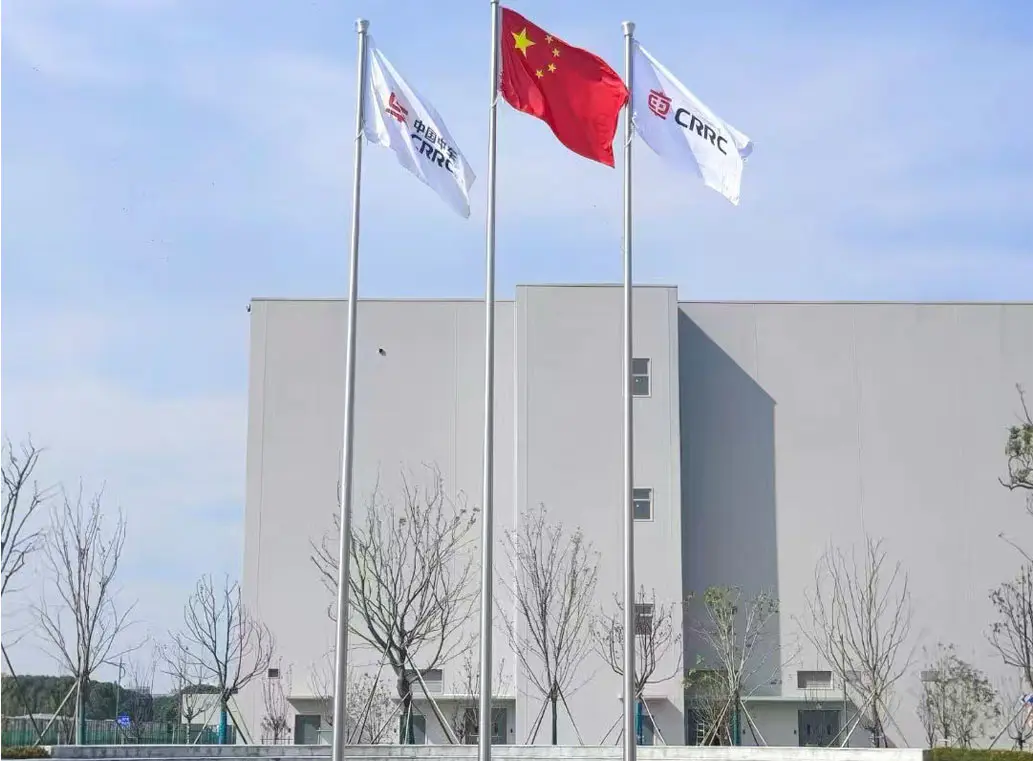
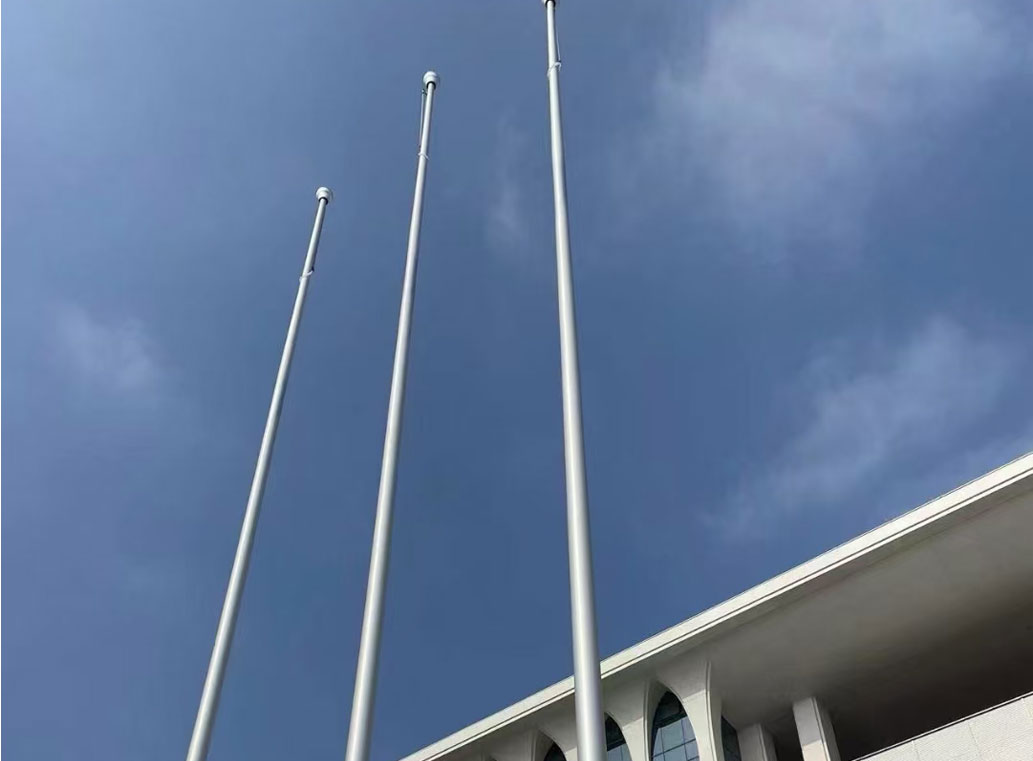
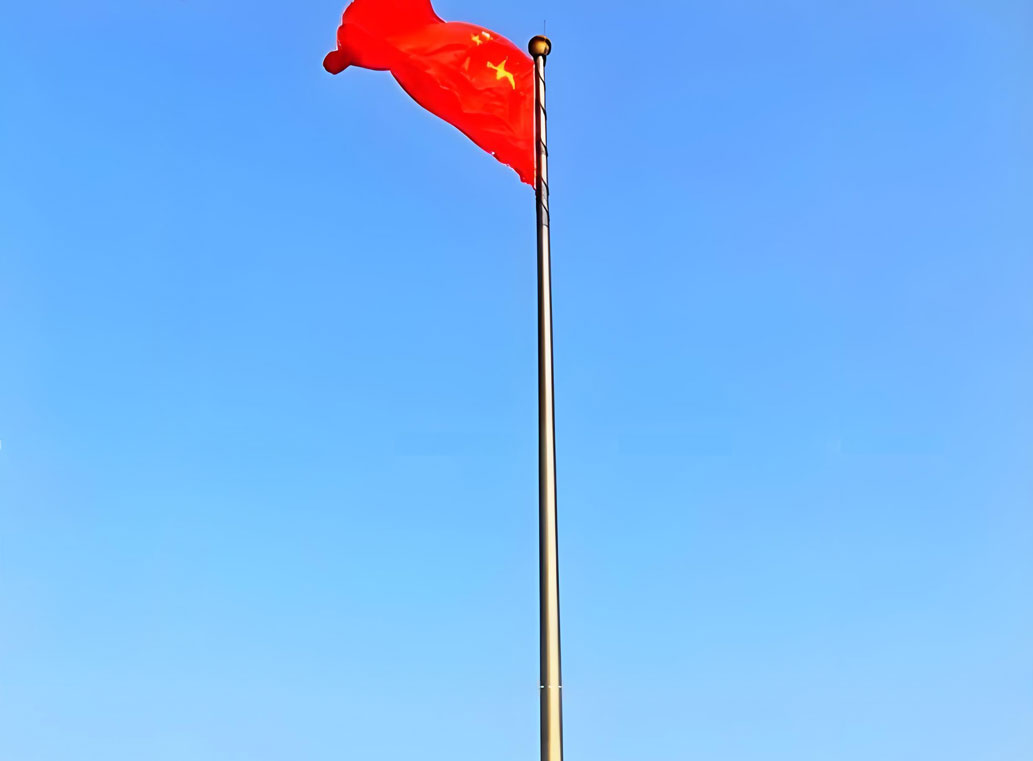

Flagpoles stand as proud symbols, gracing homes, businesses, and public spaces alike. While various materials are used in their construction, stainles......
READ MORESubmit feedback
Home / News / Industry News / Aluminum Alloy Flagpole: Can It Really Outlast Steel and Fiberglass in Extreme Weather?
Aluminum Alloy Flagpole: Can It Really Outlast Steel and Fiberglass in Extreme Weather?
What Makes Aluminum Alloy Flagpoles Different from Steel?
Steel flagpoles (usually galvanized or painted carbon steel) are heavy, require regular repainting, and eventually rust at welds or scratches. Aluminum alloys, typically 6061 or 6063 (T6 temper), are about one‑third the weight of steel yet offer excellent yield strength – 35,000‑40,000 psi for 6061‑T6. This is sufficient for flagpoles up to 80 feet tall when properly engineered. Unlike steel, aluminum does not rust; its surface forms a hard, transparent aluminum oxide layer that protects the metal. Even if the surface is scratched, the oxide layer quickly reforms. This makes aluminum the preferred choice for coastal installations, chemical plants, and any environment with salt spray or industrial fallout. Additionally, aluminum flagpoles require no painting – anodized or powder‑coated finishes are durable and retain their color for decades.
Why Choose Aluminum Over Fiberglass?
Fiberglass flagpoles are lightweight and non‑corrosive, but they have drawbacks: they can yellow or chalk from UV exposure, they are less rigid (can sway excessively in high winds), and the surface can be damaged by impact (cracks or spalling). Aluminum flagpoles offer consistent rigidity, excellent UV resistance (anodized finishes do not degrade), and they are easier to repair (welding possible). Fiberglass is non‑conductive – an advantage for electrical safety – but aluminum poles can be grounded effectively. For tall poles (over 50 feet), aluminum is often lighter and more economical than fiberglass of the same strength.
Key Technical Parameters of a Quality Aluminum Flagpole
| Parameter | Typical Value | Why It Matters |
|---|---|---|
| Alloy type | 6061‑T6 or 6063‑T6 | High strength, good weldability, corrosion resistance |
| Wall thickness | Schedule 40 (0.145″–0.237″) or Schedule 80 (0.200″–0.337″) | Thicker walls resist denting and bending |
| Taper ratio | 2:1 to 3:1 (base diameter to tip diameter) | Optimizes strength and reduces wind load |
| Surface finish | Anodized (clear or bronze) or powder coated (any color) | Anodizing is the most durable for coastal areas |
| Wind rating (basic) | 90 mph to 150+ mph (depending on engineering) | Meets local building codes for hurricane zones |
| Foundation depth | 10-15% of pole height (e.g., 4.5 ft for 30 ft pole) | Prevents overturning |
Manufacturing Process: Seamless vs. Welded Aluminum Flagpoles
High‑quality aluminum flagpoles are produced using two main methods: seamless extrusion and welded tapered sections. Seamless poles are extruded as a single piece, tapered by passing through a series of dies. They have no longitudinal weld seam, making them stronger and cleaner in appearance. However, seamless extrusion is limited to moderate heights (typically up to 50 feet). For taller poles (up to 100+ feet), multiple sections are welded together. Expert welding with matching filler rod and post‑weld heat treatment restores corrosion resistance. A poorly welded seam can become a weak point; always insist on certified welds and dye‑penetrant inspection for commercial poles.
How to Choose the Right Height and Diameter
For residential use, 20‑25 foot poles are common. For commercial lots, 30‑40 feet provides good visibility. Municipal and government buildings often use 50‑80 foot poles. The diameter at the base scales with height – a 20‑foot pole might have a 3‑inch base diameter, while a 50‑foot pole may require 8‑10 inches. Too thin a pole for the height results in excessive sway and potential metal fatigue over decades. Always consult an engineer or use NAAMM (National Association of Architectural Metal Manufacturers) guidelines.
Wind Load and Sway Considerations
Aluminum’s modulus of elasticity (about 10 million psi) is about one‑third that of steel. This means an aluminum pole will deflect (bend) more under the same wind load. That is not necessarily bad – a certain amount of flex absorbs wind energy and reduces stress on the foundation. However, excessive sway can cause the flag to wrap around the pole or annoy observers. For tall poles in hurricane zones, internal dampening devices or a heavier wall thickness can reduce sway. Some manufacturers offer “aerodynamic” shapes that reduce vortex shedding. An engineering analysis should be performed for any pole over 50 feet in a high‑wind region.
Surface Finishes: Anodizing vs. Powder Coating
Anodizing is an electrochemical process that converts the aluminum surface into a hard, durable aluminum oxide layer. It provides excellent corrosion resistance and can be clear (silver) or dyed bronze, black, or gold. Anodizing does not chip or peel; it is integral to the metal. Powder coating applies a colored polymer layer over the aluminum. It offers unlimited color choices and good UV resistance, but it can be scratched or chipped, exposing the bare aluminum (which then oxidizes but does not rust). For coastal or industrial environments, anodized poles are superior. For decorative residential poles, powder coating in a custom color may be preferred. Some premium poles use an anodized base with a clear powder coat for extra protection.
Installation Methods: Ground Set vs. Shoe Base
Ground set (direct burial) flagpoles are embedded in a concrete foundation, with the pole extending into the concrete. This provides a very clean look (no base plate visible) but makes future removal difficult. The embedded section must be wrapped or coated to prevent galvanic corrosion from concrete contact. Shoe base poles are bolted to a pre‑cast concrete pad or existing slab via a heavy base plate. This allows for easier replacement and provides a decorative transition. However, the base plate can be a tripping hazard. For most residential applications, ground set is preferred. For rooftop installations, a shoe base is mandatory.
Halyard Systems: External vs. Internal
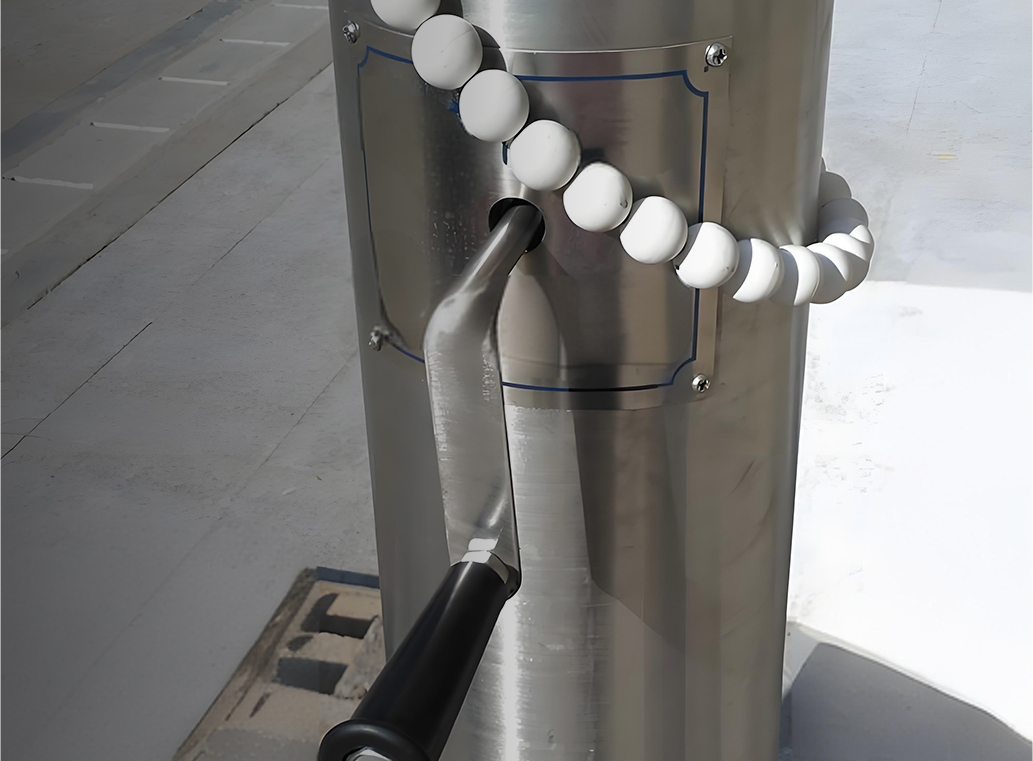
External halyard systems use a rope that runs outside the pole, secured to a cleat. They are simple, reliable, and easy to repair. Internal halyard systems conceal the rope inside the pole, exiting near the base for a cleaner appearance. Internal systems require a winch or cleat at the base and are more expensive. For aluminum flagpoles, internal halyards are popular for commercial buildings because they prevent rope slap noise in windy conditions. However, internal ropes can wear against the interior of the pole; aluminum poles should have a smooth interior or a plastic liner.
Lighting and Accessories
Illuminating a flag at night is a mark of respect. Aluminum flagpoles can accommodate floodlights mounted on the pole or in‑ground uplights. Because aluminum conducts heat, LED lights are recommended to avoid overheating the pole. Solar‑powered top‑mounted lights are also popular for residential poles. Other accessories include gold or eagle finials, wind vanes, and rotating rings that allow the flag to furl in wind.
Critical safety note Aluminum is an electrical conductor. If installed near power lines, the pole must be properly grounded. Use a copper grounding rod and wire connected to the pole base, following local electrical codes.
Maintenance: What You Actually Need to Do (and What You Don’t)
One of aluminum’s biggest selling points is low maintenance. An anodized pole only needs occasional washing with mild soap and water to remove dirt and pollutants. Do not use abrasive cleaners or steel wool, which can scratch the oxide layer. For powder‑coated poles, inspect for chips; touch up with matching paint to prevent moisture from reaching the aluminum. Check halyard ropes annually and replace if frayed. Lubricate cleats and pulleys with a light oil. Inspect foundation for cracking. If the flagpole develops white powdery spots (white rust), it is usually superficial – clean with vinegar and water, rinse thoroughly, and apply a light coat of wax. Unlike steel, aluminum never needs repainting for corrosion protection.
Cost Comparison: Aluminum vs. Steel vs. Fiberglass
Initial cost: aluminum flagpoles are moderately more expensive than steel (20‑30% premium) but less expensive than premium fiberglass. Over a 20‑year lifespan, aluminum usually costs less because of eliminated painting and rust repair. A galvanized steel pole may need repainting every 5‑7 years in coastal areas, costing thousands in labor. Aluminum’s longer life and lower maintenance make it the economical choice for institutions with tight budgets.
Common Misconceptions About Aluminum Flagpoles
Myth 1: Aluminum is not strong enough for large flags – Engineered properly, 6061‑T6 aluminum has a yield strength comparable to mild steel. A 4‑inch diameter Schedule 40 aluminum pole can easily fly a 6x10 foot flag. Myth 2: Aluminum bends permanently in wind – Aluminum has a high fatigue limit; it will flex and return to true. However, oversized flags or improper halyard tension can cause permanent set – follow manufacturer’s recommendations. Myth 3: Aluminum corrodes as fast as steel – Actually, aluminum’s corrosion rate in marine environments is 1/15th that of carbon steel. Anodized aluminum lasts 30‑50 years without significant corrosion.
Real‑World Case: Coastal School Installs Aluminum Flagpole
In 2015, a high school on the Florida Gulf Coast replaced a 10‑year‑old steel flagpole that had rusted through at the ground line. They installed a 35‑foot, 6061‑T6 aluminum pole with clear anodized finish, internal halyard, and concrete foundation with a PVC sleeve to prevent contact. After 8 years of salt spray, hurricanes, and daily sun, the pole looks nearly new. Maintenance has been limited to washing twice a year and one halyard replacement. The school estimates saving $2,000 in avoided painting and repair costs.
How to Inspect an Existing Aluminum Flagpole
Annual inspection should include: visual check for any dents, scratches, or deep abrasion. Pay special attention to the area near the ground (most moisture and debris). Use a magnifying glass to look for tiny cracks around weld zones (if welded). Check the finial and truck assembly for loose fasteners. Pull the halyard and check for smooth movement. Inspect the foundation for settlement or cracking. If the pole has been struck by lightning or a vehicle, a professional should assess for hidden damage.
Environmental Impact and Recycling
Aluminum is one of the most recyclable materials. Producing new aluminum from ore is energy‑intensive, but recycling aluminum uses 95% less energy. Most aluminum flagpoles are made from recycled content, and at the end of their long life, they can be melted and remade into new products. Steel is also recyclable, but the energy to recycle steel is higher than aluminum. Fiberglass is difficult to recycle and often ends up in landfills. For environmentally conscious buyers, aluminum wins.
Final Considerations Before Purchase
Before ordering an aluminum flagpole, get a professional site assessment. Confirm there are no overhead power lines, underground utilities, or airport flight paths. Check local zoning for height restrictions. Choose a reputable manufacturer that provides engineering certificates and meets NAAMM standards. Request a wind load calculation specific to your location. And always install using a concrete foundation designed for your soil type. With proper specification and installation, an aluminum alloy flagpole will fly your colors proudly for half a century or more.
Previous Post
Why is a Stainless Steel Flagpole the Most Durable Choice for Modern Architectural Installations?
Next Post
How Do Material Selection and Structural Engineering Ensure the Longevity of a Stainless Steel Flagpole, Titanium Flagpole, and Aluminum Alloy Flagpole?
News
-
-
1. Understanding the Importance of Regular Maintenance for Aluminum Alloy Flagpoles Regular maintenance of your aluminum alloy flagpole is essential ......
READ MORE -
Unique advantages of aluminum alloy: Why it is the preferred material for flagpoles In today's society, flagpoles are not only a tool for displaying f......
READ MORE -
What is the aluminum alloy electric intelligent lifting conical flagpole? The aluminum alloy electric intelligent lifting conical flagpole is a high-e......
READ MORE

Copyright Jiangsu Shengqi Weiye Intelligent Technology Co., Ltd. All Rights Reserved.
 Custom Commercial Flagpoles Suppliers