
 English
 русский
 عربى
عربى
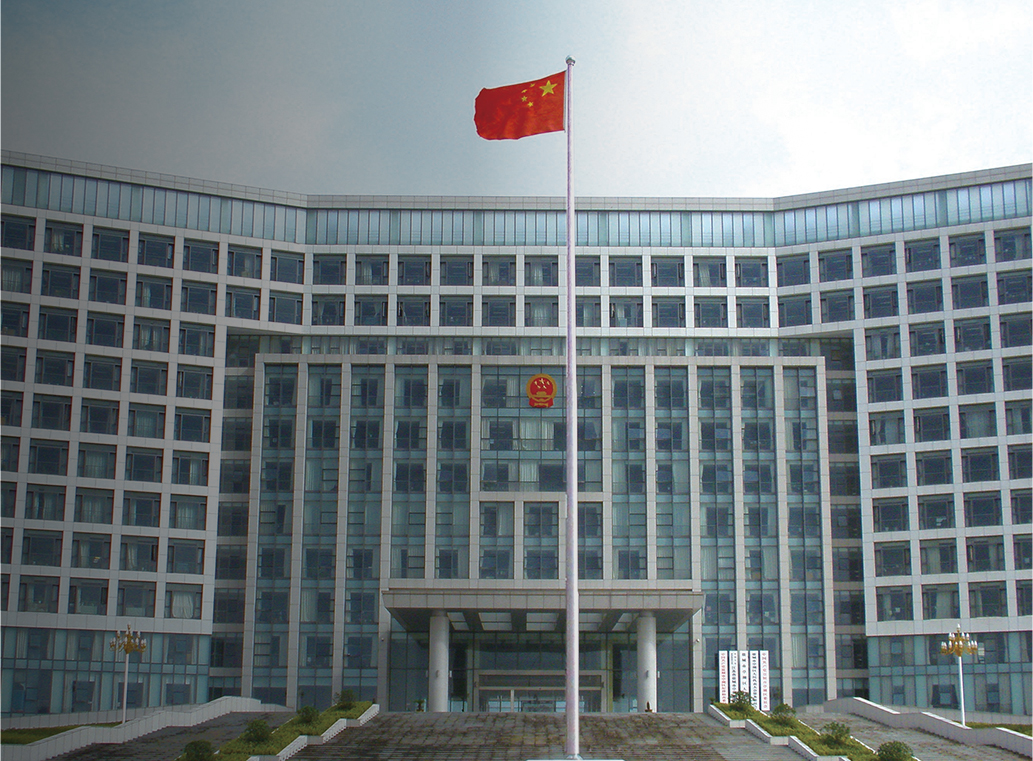
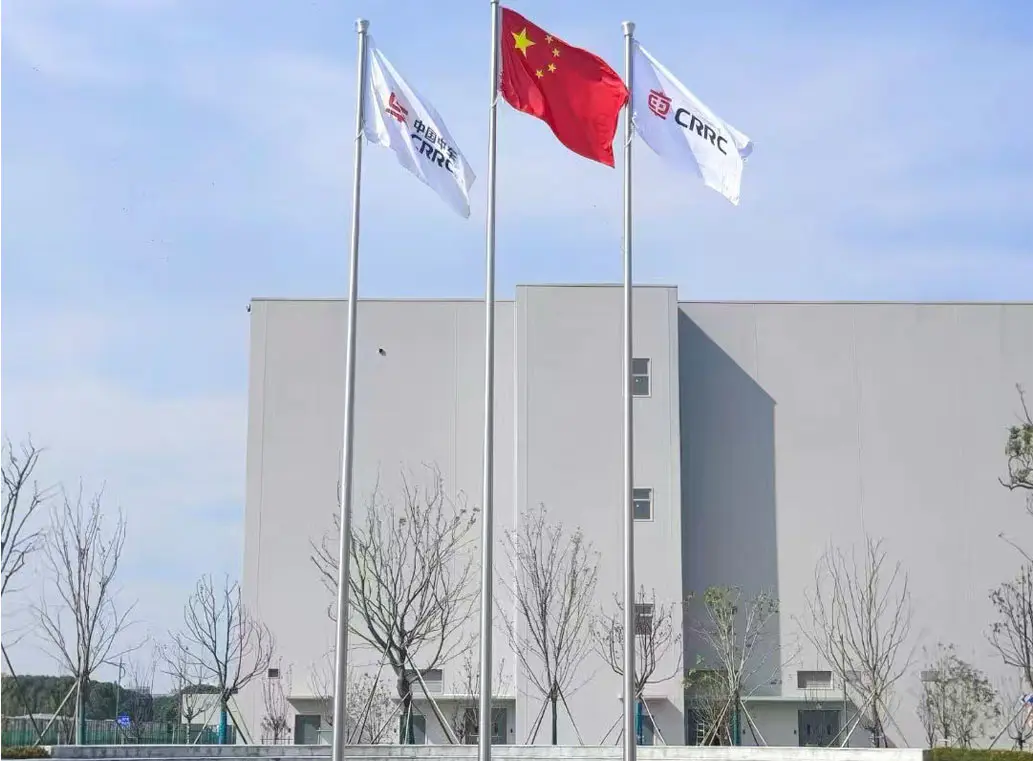
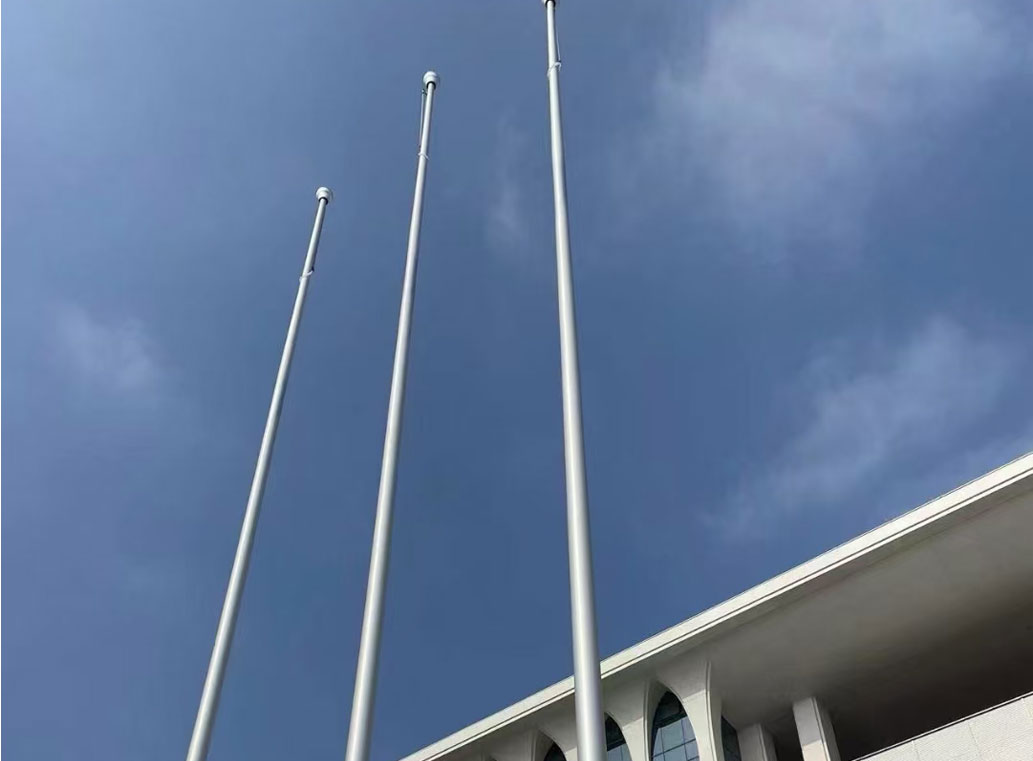
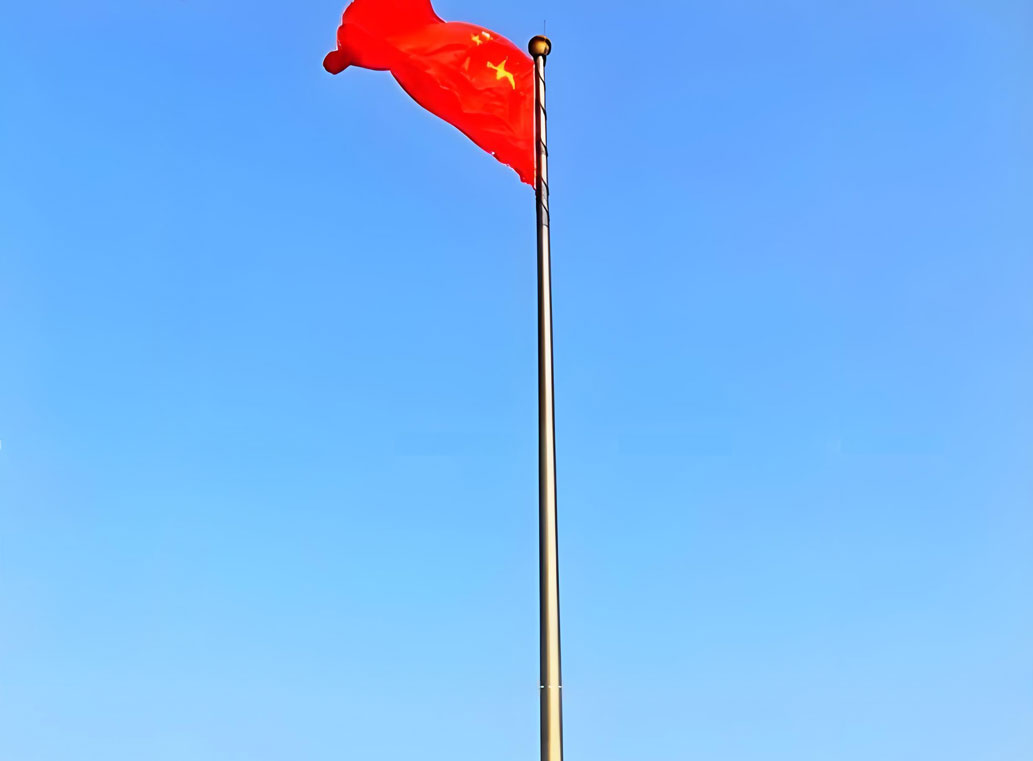

Flagpoles stand as proud symbols, gracing homes, businesses, and public spaces alike. While various materials are used in their construction, stainles......
READ MORESubmit feedback
Home / News / Industry News / How Do Material Selection and Structural Engineering Ensure the Longevity of a Stainless Steel Flagpole, Titanium Flagpole, and Aluminum Alloy Flagpole?
How Do Material Selection and Structural Engineering Ensure the Longevity of a Stainless Steel Flagpole, Titanium Flagpole, and Aluminum Alloy Flagpole?
In the specialized field of architectural hardware and municipal infrastructure, the deployment of a flagpole is no longer a simple matter of aesthetic placement. It has become a complex engineering task that involves calculating wind load resistance, material fatigue, and electrochemical corrosion. The choice between a Stainless Steel Flagpole, a Titanium Flagpole, and an Aluminum Alloy Flagpole depends on a rigorous analysis of the local environment and the required lifespan of the installation. From the coastal salt spray resistance of high-grade alloys to the ultra-lightweight strength of aeronautical materials, each flagpole type offers distinct mechanical advantages. This report analyzes the metallurgical foundations of these three primary flagpoles, their internal mechanical systems, and the structural integrity requirements for high-altitude flag deployment.
What Are the Mechanical and Chemical Distinctions Between a Stainless Steel Flagpole, Titanium Flagpole, and Aluminum Alloy Flagpole?
The performance of a flagpole under stress is fundamentally a result of its material properties. While all three types serve the same purpose, their internal crystalline structures and chemical resistance mechanisms vary significantly.
-
The Durability and Tensile Robustness of the Stainless Steel Flagpole: The Stainless Steel Flagpole is often the primary choice for industrial and high-traffic areas due to its exceptional tensile strength and resistance to physical impact. Typically manufactured from 304 or 316L grades, these poles utilize a high chromium and nickel content to create a self-healing passive oxide layer. This ensures that even if the surface is scratched by the halyard or external debris, the metal remains protected from oxidation. In terms of engineering, the high density of stainless steel provides a low center of gravity, which is essential for taller installations exceeding 20 meters, where base stability is a critical safety factor.
-
The Aerospace Excellence of the Titanium Flagpole: Representing the pinnacle of material science, the Titanium Flagpole is utilized in environments where extreme corrosion resistance is required alongside a high strength-to-weight ratio. Titanium is virtually immune to chloride-induced pitting, making it the superior choice for offshore platforms or beachfront resorts. Despite being nearly 45% lighter than steel, a Titanium Flagpole offers comparable yield strength, allowing for a more slender profile without sacrificing structural safety. Furthermore, its low thermal expansion coefficient ensures that the internal mechanical components, such as winches and pulley blocks, do not seize during extreme temperature fluctuations.
-
The Versatility and Anodizing Logic of the Aluminum Alloy Flagpole: The Aluminum Alloy Flagpole remains a market standard for urban and residential projects due to its ease of manufacturing and surface versatility. Utilizing 6063-T6 or 6061-T6 alloys, these flagpoles are often seamless extrusions, which eliminates the risk of weld failure. The primary technical advantage is the anodizing process, which converts the aluminum surface into a hard, durable alumina layer that can be dyed in various colors. This makes the Aluminum Alloy Flagpole highly customizable while providing a barrier that prevents atmospheric corrosion in non-coastal environments.
|
Technical Parameter |
Stainless Steel Flagpole (316L) |
Titanium Flagpole (Grade 2) |
Aluminum Alloy Flagpole (6063-T6) |
|---|---|---|---|
|
Tensile Strength (MPa) |
550 - 620 |
345 - 480 |
240 - 290 |
|
Density ( |
7.98 |
4.51 |
2.70 |
|
Corrosion Resistance |
Excellent (High salt resistance) |
Superior (Immune to most chemicals) |
Very Good (Anodized protection) |
|
Standard Finish |
Satin / Mirror Polished |
Natural Matte / PVD Coating |
Anodized / Powder Coated |
|
Relative Cost |
Medium-High |
Very High |
Medium-Low |
|
Typical Height Range |
15m - 50m |
10m - 30m |
6m - 25m |
Why Are Internal Halyard Systems and Wind Load Calculations Critical for Flagpole Engineering?
The safety of a Stainless Steel Flagpole, Titanium Flagpole, or Aluminum Alloy Flagpole is determined by how it manages the dynamic energy of the wind and the flag itself.
-
Wind Load Simulation and Tapered Profile Design: Engineers use computational fluid dynamics (CFD) to simulate how wind interacts with a flagpole. A standard Stainless Steel Flagpole is usually designed with a cone-tapered shape, where the diameter decreases toward the top. This design is not only aesthetic; it shifts the bending moment toward the stronger base of the pole. For an Aluminum Alloy Flagpole, the wall thickness must be carefully calculated to ensure that the "flag slap" noise is minimized while maintaining enough flexibility to absorb wind gusts without permanent deformation.
-
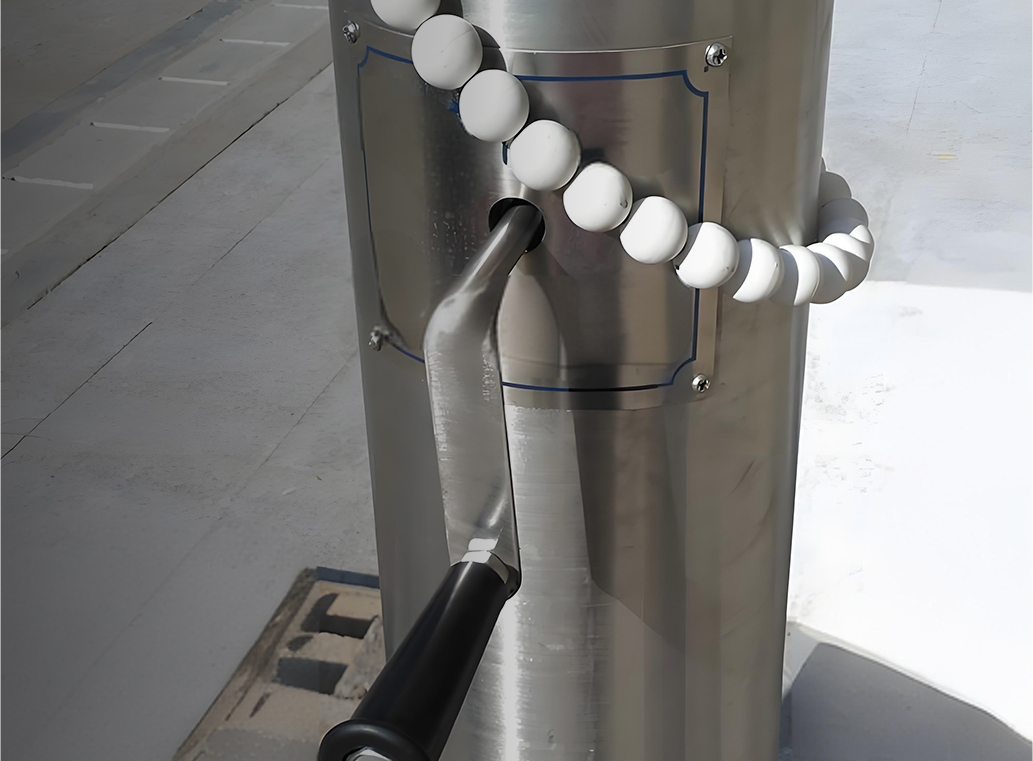
Internal Halyard Systems and Mechanical Protection: Modern high-end flagpoles, particularly the Titanium Flagpole, almost exclusively use internal halyard systems. These systems house the stainless steel hoisting cable and the revolving truck assembly inside the pole body. This protects the mechanical parts from rain, ice, and UV degradation. In a Stainless Steel Flagpole, the internal winch is usually made of cast bronze or stainless steel to prevent galvanic corrosion between the cable and the winch drum. The use of internal systems also prevents the "clanging" noise common with external ropes, a vital feature for noise-sensitive environments like hospitals or government offices.
-
Revolving Truck Assemblies and Flag Wrap Prevention: The "truck" is the pulley system at the very top of the pole. In a premium Titanium Flagpole or Stainless Steel Flagpole, the truck is designed to rotate 360 degrees on double-sealed ball bearings. This allows the flag to always fly "with the wind," reducing the torque applied to the pole. Without a high-quality revolving truck, the flag can wrap around the pole, creating a "sail effect" that significantly increases the wind load and can lead to the structural failure of even a heavy-duty Aluminum Alloy Flagpole.
How Do Foundation Engineering and Lightning Protection Ensure Long-Term Operational Safety?
The longevity of a Stainless Steel Flagpole, Titanium Flagpole, or Aluminum Alloy Flagpole is ultimately dependent on its connection to the earth and its ability to handle environmental electrical surges.
-
Foundation Sleeves and Grounding Grid Integration: The installation of a Stainless Steel Flagpole requires a reinforced concrete foundation with a corrugated steel ground sleeve. The depth of the sleeve is typically determined by the 50-year or 100-year peak wind speed data for the specific region. For a Titanium Flagpole, the foundation must also account for the material's unique electrochemical properties. To prevent soil-based corrosion, the base is often isolated with specialized non-conductive epoxy resins. In all cases, a grounding kit—consisting of a copper rod and high-conductivity cabling—is integrated to safely dissipate lightning strikes, which are a constant risk for tall metallic structures.
-
Electrochemical Isolation and Galvanic Corrosion Prevention: When installing an Aluminum Alloy Flagpole on a steel base or near other metals, the risk of galvanic corrosion is high. Engineers must use non-metallic spacers or specialized washers to isolate the aluminum from more noble metals. In the case of a Stainless Steel Flagpole, the mounting bolts are usually of the same grade as the pole to ensure a uniform electrical potential. For a Titanium Flagpole, this isolation is even more critical, as titanium can act as a cathode and accelerate the corrosion of nearby steel structures if not properly insulated.
-
Maintenance Protocols and Structural Health Monitoring: While a Titanium Flagpole is nearly maintenance-free, a Stainless Steel Flagpole requires periodic cleaning to remove surface contaminants that could lead to "tea staining." For large-scale Aluminum Alloy Flagpole installations in public arenas, structural health monitoring (SHM) using strain gauges is sometimes employed. These sensors detect if the pole has suffered from fatigue cracking after a major storm event, allowing for preemptive maintenance before a catastrophic failure occurs. The inspection of the internal winch and cable in an internal halyard system is also essential, ensuring that the flag can be lowered safely during high-wind warnings.
Through the integration of advanced metallurgical selection, precision mechanical systems, and rigorous foundation engineering, the modern Stainless Steel Flagpole, Titanium Flagpole, and Aluminum Alloy Flagpole serve as high-performance monuments of architectural excellence and structural reliability.
Previous Post
Aluminum Alloy Flagpole: Can It Really Outlast Steel and Fiberglass in Extreme Weather?
Next Post
The Professional Engineering Standards for Outdoor Flagpoles: A Global Selection Guide
News
-
-
1. Understanding the Importance of Regular Maintenance for Aluminum Alloy Flagpoles Regular maintenance of your aluminum alloy flagpole is essential ......
READ MORE -
Unique advantages of aluminum alloy: Why it is the preferred material for flagpoles In today's society, flagpoles are not only a tool for displaying f......
READ MORE -
What is the aluminum alloy electric intelligent lifting conical flagpole? The aluminum alloy electric intelligent lifting conical flagpole is a high-e......
READ MORE

Copyright Jiangsu Shengqi Weiye Intelligent Technology Co., Ltd. All Rights Reserved.
 Custom Commercial Flagpoles Suppliers