
 English
 русский
 عربى
عربى

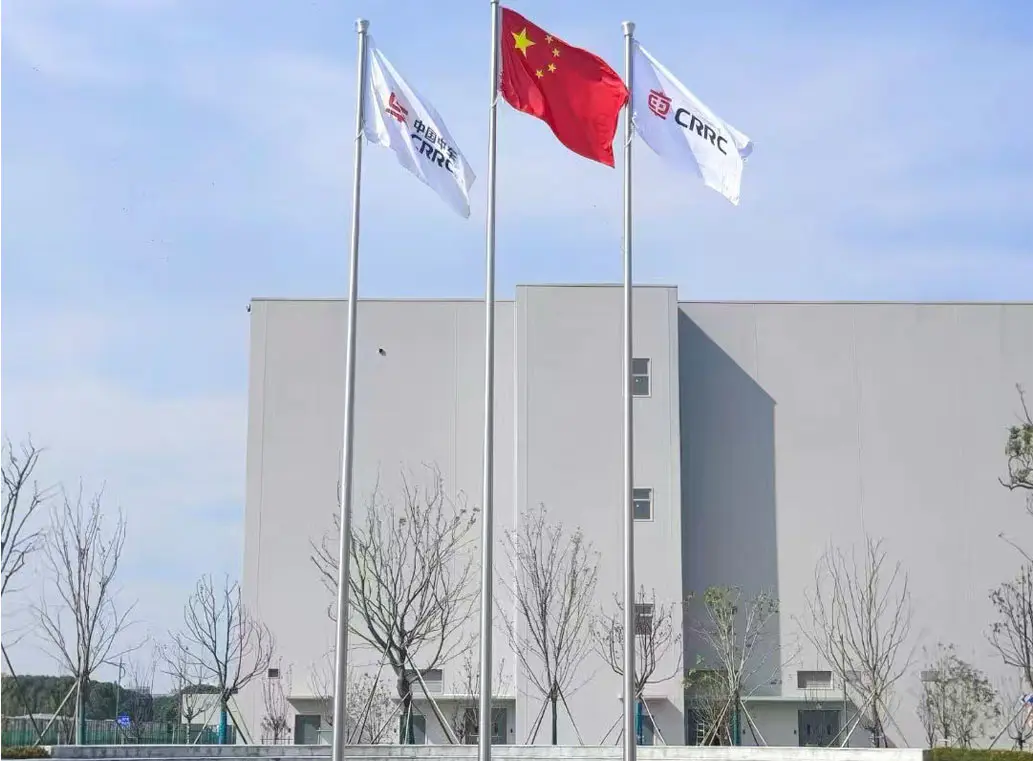
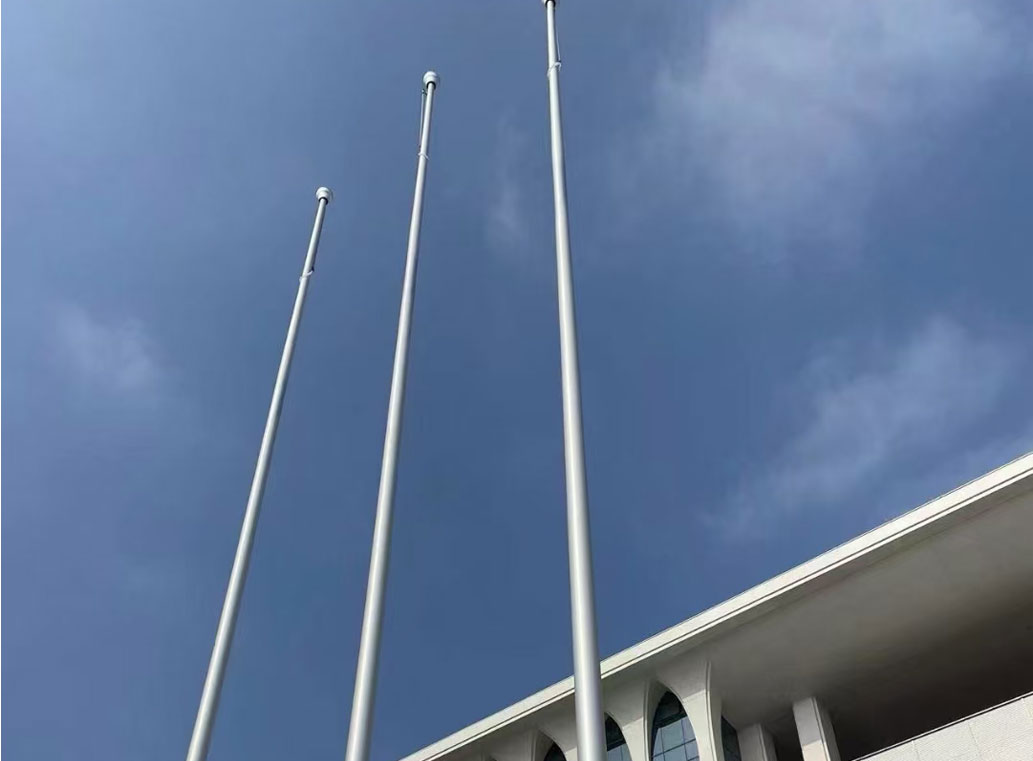
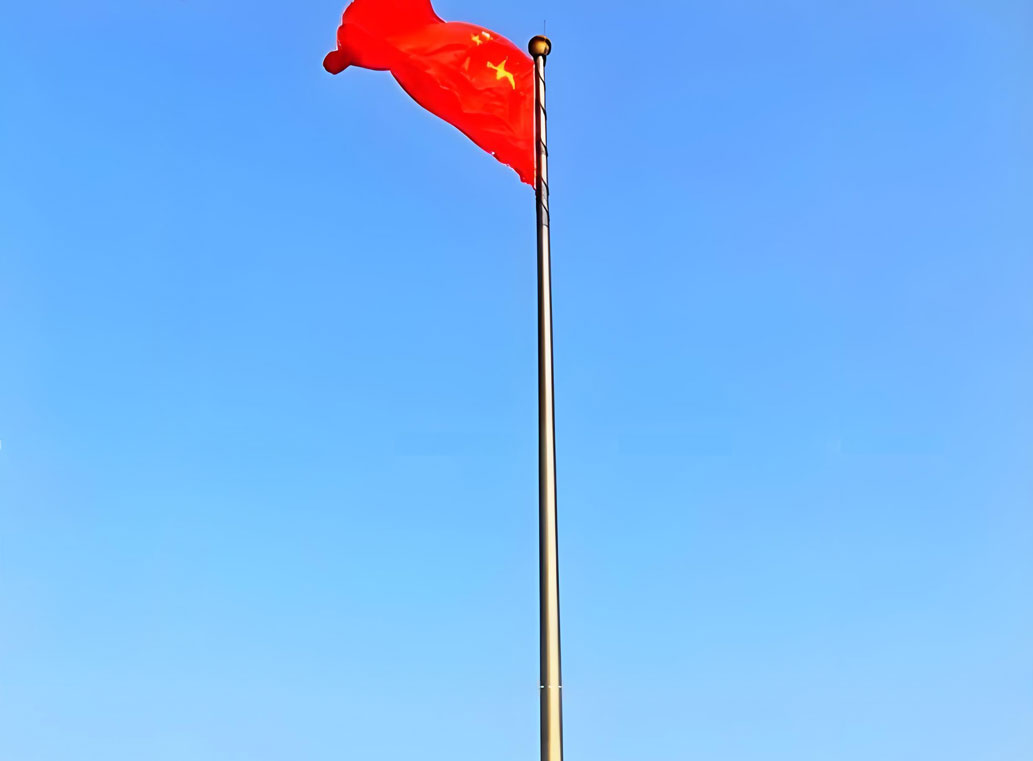

Flagpoles stand as proud symbols, gracing homes, businesses, and public spaces alike. While various materials are used in their construction, stainles......
READ MORESubmit feedback
Home / News / Industry News / The Professional Engineering Standards for Outdoor Flagpoles: A Global Selection Guide
The Professional Engineering Standards for Outdoor Flagpoles: A Global Selection Guide
The installation of high-quality display systems for corporate, governmental, or residential projects requires more than a simple aesthetic choice. It is a sophisticated exercise in structural engineering, fluid dynamics, and advanced material science. This document serves as The ultimate guide to choosing the right flagpole, a comprehensive technical resource for architects, lead engineers, and facility managers tasked with specifying durable, safe, and prestigious equipment. When considering Outdoor Flagpoles, one must look far beyond the superficial surface finish to understand the complex interplay of wind loading, material fatigue, and mechanical security that define a long-lasting and safe installation.
Structural Integrity and Wind Loading Specifications
The primary challenge for any Outdoor Flagpole is its interaction with the local environment. Unlike static building components, a flagpole acts as a vertical cantilevered beam that must manage and dissipate the dynamic energy harvested from moving air masses.
Deep Understanding of Wind Loading Specifications
The most vital technical metric in the industry is the rigorous set of Wind loading specifications. This refers to the calculated ability of a pole to withstand specific wind velocities without sustaining permanent deformation or catastrophic structural failure. Professional manufacturers provide ratings for both unflagged and flagged scenarios to account for the "sail effect."
-
The Sail Effect Physics: When a flag is hoisted, it acts as a sail, drastically increasing the surface area exposed to wind pressure. This pressure creates a bending moment that is at its maximum at the base of the pole. For example, a Commercial Flagpole might be rated for 150 miles per hour when bare, but that safety rating may decrease by 40% or more once the surface area of a large, heavy-duty flag is added, especially if the flag becomes saturated with rain, increasing its mass and resistance.
-
Vortex Shedding and Resonance: Engineers also consider the phenomenon of vortex shedding, where wind passing around a cylindrical pole creates alternating low-pressure zones. If the frequency of these shed vortices matches the natural frequency of the flagpole, harmonic resonance can occur, leading to violent oscillations. High-quality designs incorporate specific damping properties to mitigate this risk.
Selecting the Best Outdoor Flagpole for High Wind Areas
In regions prone to tropical cyclones, hurricanes, or high-altitude mountain gusts, engineers must prioritize Heavy duty commercial flagpoles for corporate headquarters. These units are not merely taller; they are engineered with a higher safety factor.
-
Reinforcement Strategies: These poles often feature an increased Flagpole wall thickness—sometimes doubling the standard specification—and incorporate internal reinforced base sections or "mandrels" at the stress points. Choosing the Best outdoor flagpole for high wind areas involves analyzing thirty years of local meteorological data and selecting a pole that exceeds the highest recorded 3-second gust for that specific micro-climate, ensuring a wide structural safety margin during extreme weather events.
Advanced Material Engineering: Aluminum, Glassfibre, and Beyond
The longevity, maintenance requirements, and performance of a Commercial Flagpole are largely dictated by its chemical composition and the manufacturing process used to create the shaft.
Aluminum Flagpole and Aluminum Alloy Flagpole
The Aluminum Flagpole remains the global industry standard for modern commercial projects due to its recyclability and strength. Specifically, the Aluminum Alloy Flagpole utilizing 6063-T6 tempered aluminum provides a perfect balance of tensile strength and natural corrosion resistance.
-
Anodic Protection: These poles are typically finished with a deep-seal anodic coating or a high-performance architectural powder coat. This electrochemical process creates an aluminum oxide layer that is integrated with the metal, preventing the "pitting" or "chalking" often seen in lower-grade alloys. This makes them ideal for an Architectural Flagpole that must maintain a pristine, professional appearance in smog-heavy urban environments or near industrial zones.
Glassfibre Flagpole: The Flexible Solution
For coastal areas where salt spray and high humidity create a constant corrosive threat to metals, the Glassfibre Flagpole offers unique material advantages.
-
Flexural Strength: These poles are non-corrosive and possess a high degree of flexural elasticity. Unlike metal, which can undergo "permanent set" if bent too far, glassfibre can deflect significantly to absorb kinetic energy from wind gusts and then return to its original vertical position. Following the Maintenance tips for long-lasting glassfibre flagpoles, such as periodic gel-coat inspections and UV-protective waxing, ensures these structures can last for decades without the risk of rust or electrical conductivity issues during lightning storms.
Stainless Steel Flagpole and Titanium Flagpole
In prestige projects where absolute durability and high-end aesthetics are paramount, the Stainless Steel Flagpole is the premier specification. Known for its extreme toughness and the ability to be polished to a mirror-like or brushed satin finish, it is the standard for luxury corporate sites and embassies.
-
The Ultimate Specification: For even more extreme applications involving aerospace facilities, chemical plants, or high-salinity maritime zones, a Titanium Flagpole may be employed. A Titanium Flagpole offers the highest strength-to-density ratio of any metallic option and is virtually immune to chemical attack, ensuring absolute permanence even in the most hostile atmospheres on Earth.
Technical Material Comparison Matrix
|
Material Type |
Corrosion Resistance |
Tensile Strength |
Maintenance Level |
Primary Application |
|---|---|---|---|---|
|
Aluminum Flagpole |
High |
Moderate |
Low |
General Commercial / Schools |
|
Glassfibre Flagpole |
Superior |
High (Flexibility) |
Minimal |
Coastal Zones / Residential |
|
Stainless Steel Flagpole |
Excellent |
Very High |
Low |
Prestige Architectural / Embassies |
|
Titanium Flagpole |
Ultimate |
Extreme |
Ultra-Low |
Specialized Industrial / Aerospace |
Form and Function: Tapered Flagpole Design
The physical silhouette of a professional pole is not merely a stylistic choice; it is a fundamental engineering requirement for optimal stress distribution and aerodynamic efficiency.
The Logic of Tapered Flagpole Design
A Tapered flagpole design mimics the structural efficiency found in nature, such as the trunk of a giant sequoia.
-
Bending Moment Optimization: The base is significantly wider to handle the maximum bending moment where the pole meets the ground foundation. As the height increases, the diameter narrows, which reduces the overall wind resistance (drag coefficient) and the top-heavy weight of the structure. This architectural taper allows an Architectural Flagpole to remain elegant and slender in appearance while maintaining higher structural rigidity than a non-tapered "straight" pipe.
The Significance of Flagpole Wall Thickness
While the outer diameter is a visible metric, the internal Flagpole wall thickness is the hidden variable that determines the pole's resistance to structural buckling.
-
Wall Gauge Standards: For high-rise roof installations or poles carrying oversized, heavy-knit flags, a thicker wall gauge (such as 0.250" instead of 0.125") is essential. This thickness provides the necessary "hoop strength" to resist the crushing and twisting torque generated by a flag’s violent snap-back movement. Verifying these dimensions is a critical check-point in any Professional flagpole installation and safety inspection.
Security Mechanisms: Internal vs. External Halyards
The halyard is the mechanical system used to raise and lower the flag. The choice between an internal and external setup is the central debate in the Internal vs external halyard flagpoles for security discussion.
Internal Halyard System and Anti-Theft Mechanism
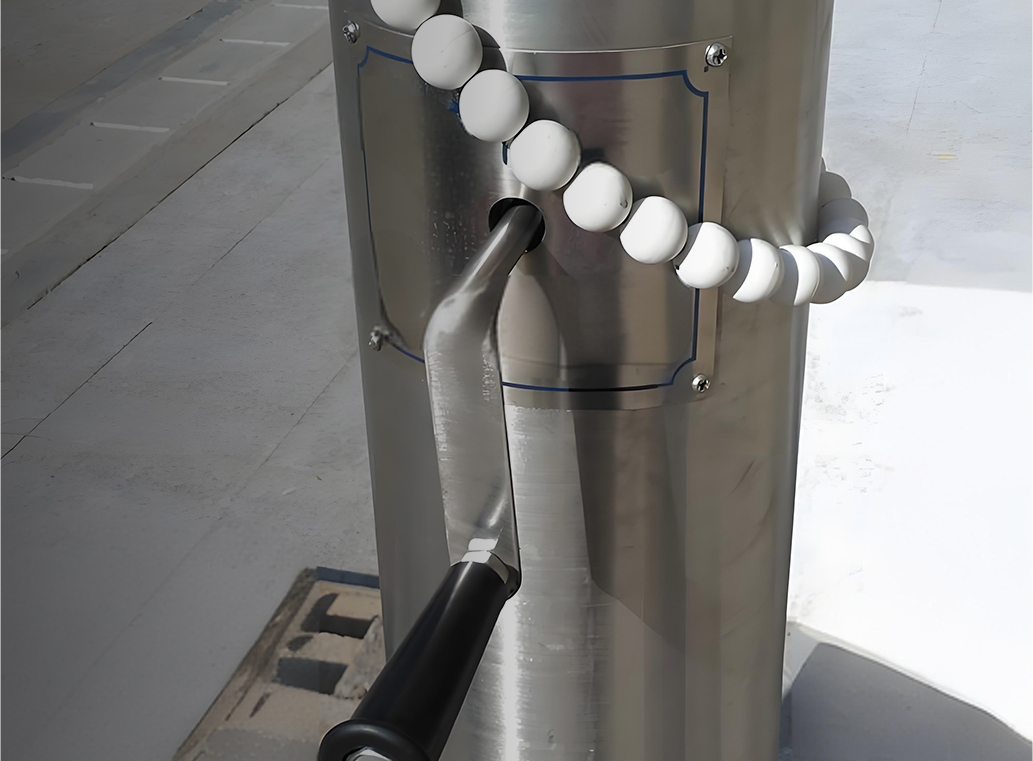
The Internal halyard system is the modern standard for high-security and high-prestige Outdoor Flagpoles. The rope or stainless steel cable is housed entirely inside the hollow shaft of the pole.
-
Vandalism Protection: Access to the halyard is only possible through a flush-mount door secured by a cylinder lock. This provides a robust Anti-theft mechanism, preventing the flag from being lowered or stolen by unauthorized individuals.
-
Acoustic Comfort: Furthermore, the internal system eliminates the "clanging" noise produced when a rope or metal clip hits the outside of a hollow metal pole in the wind. This silent operation is essential for flagpoles located near office windows, luxury hotels, or residential apartments.
External Halyard Systems
External systems use a simple pulley and cleat arrangement on the outside of the pole. While they are simpler to install and more cost-effective for initial budgets, they lack the security of internal systems. They are typically reserved for residential properties or low-security park environments where noise pollution is not a primary concern for the local residents.
Mounting and Foundation Strategies
A flagpole is only as stable as the earth or structure it is anchored to. Depending on the soil conditions and site architecture, different mounting methods must be meticulously planned.
Ground Sleeve Installation
The most common and structurally sound method for a ground-mounted Commercial Flagpole is the Ground sleeve installation.
-
Engineering the Foundation: A corrugated steel or PVC sleeve is cast into a deep concrete foundation (often 3 to 10 feet deep depending on the pole height). The flagpole is then lowered into the sleeve, plumbed perfectly vertical, and secured with dry sand and a waterproof sealant. This method provides excellent lateral support and allows the pole to be removed in the future for major repairs or replacement without destroying the concrete base.
Hinged Base Plate for High-Access Sites
A Hinged base plate is a mechanical mounting system used when the pole must be tilted down to the ground for maintenance.
-
Safety and Maintenance: This is especially valuable for exceptionally tall poles (over 50 feet) where a standard bucket truck or crane cannot easily reach the top "truck" assembly. By using a Hinged base plate, facility managers can perform re-roping, cleaning, or gold-leafing at ground level, which significantly reduces labor costs and enhances worker safety by eliminating the need for high-altitude climbing.
Wall Mounted Flagpole and Roof Mounted Flagpole
When ground space is unavailable in dense urban environments, designers turn to the Wall Mounted Flagpole or the Roof Mounted Flagpole.
-
Structural Integration: These installations require careful coordination with building structural engineers to ensure the façade or roof slab can handle the intense lateral loads transferred through the brackets. A Roof Mounted Flagpole often requires specialized neoprene vibration dampeners to prevent the low-frequency "hum" of the wind-loaded pole from vibrating through the building’s steel or concrete frame into the offices below.
Sizing and Scale: How to Calculate Flagpole Height
Determining the correct height for a Commercial Flagpole is a delicate balance of engineering constraints and aesthetic proportion.
How to Calculate Flagpole Height for Commercial Buildings
When learning How to calculate flagpole height for commercial buildings, designers must analyze the "visual skyline" of the site.
-
The Proportion Rule: A general architectural rule of thumb is that the pole should be at least as tall as the building's roofline to ensure it isn't "swallowed" by the building's mass. For a prominent corporate headquarters, a pole of 60 to 80 feet creates a landmark presence. The height also dictates the required flag size to ensure a balanced look; a pole that is too tall for its flag looks sparse, while a flag that is too large for its pole creates excessive and dangerous wind load.
Engineering Reference Table: Pole Height vs. Flag Size
|
Pole Height (Feet) |
Flag Size (Feet) |
Base Diameter (Inches) |
Minimum Wall Thickness |
Typical Load Rating |
|---|---|---|---|---|
|
20 - 25 |
4 x 6 |
4 - 5 |
0.125 |
100 MPH (Flagged) |
|
30 - 40 |
5 x 8 |
6 - 8 |
0.156 |
115 MPH (Flagged) |
|
50 - 60 |
10 x 15 |
10 - 12 |
0.188 |
120+ MPH (Flagged) |
|
70 - 100 |
15 x 25 |
12 - 18 |
0.250+ |
Heavy Duty Custom |
Heavy Duty Commercial Flagpoles for Corporate Headquarters
The corporate identity and branding of a global organization are often tied to the visual impact and reliability of its headquarters' display.
Prestige and Architectural Flagpole Design
An Architectural Flagpole for a major corporate site is often treated as a functional piece of sculpture.
-
Custom Finishes: Whether it is a satin-finish Stainless Steel Flagpole or a custom-anodized Aluminum Alloy Flagpole that matches the building's window frames, the goal is total aesthetic integration. High-end installations often include concealed, ground-recessed LED lighting and state-of-the-art electronic winch systems to automate the flag-raising process at sunrise and sunset, ensuring the organization always follows proper flag etiquette.
Public Safety and Professional Flagpole Installation
Because these massive poles are often located in high-traffic pedestrian plazas, a Professional flagpole installation and safety inspection is not just a best practice—it is a legal necessity.
-
Annual Audit Protocol: Inspections should occur annually to check for cable fraying, pulley lubrication, foundation settlement, and the structural integrity of the Hinged base plate bolts. Neglecting these inspections in a busy commercial setting can lead to significant liability risks and potential physical hazards to the public during storm events.
Environmental Adaptation and Longevity
Every Outdoor Flagpole is a victim of its own exposure. Over decades, the elements will test the limits of the material's durability.
Combatting Corrosion in Coastal Zones
In marine environments, even a high-grade Aluminum Flagpole will eventually show signs of salt-oxidation without proper care.
-
Material Selection for Longevity: For the ultimate in protection, a Titanium Flagpole or a high-index Glassfibre Flagpole is strongly recommended. These materials are chemically inert to salt and industrial sulfur, which prevents the "pitting" that creates structural weak points in lesser metals.
Managing Maintenance for Long-Lasting Glassfibre Flagpoles
One of the most important Maintenance tips for long-lasting glassfibre flagpoles is the management of the gel-coat surface.
-
UV Protection Strategy: Over time, intense UV radiation can cause "chalking" or micro-cracking in the resin. Applying a marine-grade UV-resistant wax once every two years acts as a sacrificial layer, keeping the pole's finish looking factory-new and preventing moisture from penetrating the glassfibre matrix, which ensures the pole retains its flexible strength for its entire 30+ year lifespan.
Securing Your Brand’s Image
Choosing the right Outdoor Flagpole is a long-term investment in your organization's public image, structural safety, and operational efficiency. By following the principles outlined in The ultimate guide to choosing the right flagpole, you ensure that your selection is backed by sound engineering principles and the latest in material science.
From the versatile and popular Aluminum Alloy Flagpole to the prestigious and virtually indestructible Stainless Steel Flagpole or Titanium Flagpole, every material offers a specific solution for different environmental challenges. Remember to always prioritize Wind loading specifications and choose a robust Internal halyard system to protect your investment from both the elements and human interference. With a scheduled Professional flagpole installation and safety inspection, your flags will continue to fly as a testament to your organization's stability and strength for decades to come.
Master Engineering Checklist for Flagpole Selection:
-
Site Meteorological Assessment: Determine the 50-year peak wind speed for the area to meet Wind loading specifications.
-
Mounting Architecture: Choose between a Ground sleeve installation, Wall Mounted Flagpole, or Roof Mounted Flagpole based on the building's footprint.
-
Material Compatibility: Evaluate the air salinity and pollution levels to choose between Aluminum Flagpole, Glassfibre Flagpole, or Stainless Steel Flagpole.
-
Security & Noise Protocol: Determine if an Internal halyard system with an Anti-theft mechanism is required for quiet or high-traffic areas.
-
Visual Scaling: Use the building's massing and height to accurately Calculate flagpole height for commercial buildings.
-
Lifecycle Planning: Select a Hinged base plate for easier maintenance and commit to an annual Professional flagpole installation and safety inspection.
Previous Post
How Do Material Selection and Structural Engineering Ensure the Longevity of a Stainless Steel Flagpole, Titanium Flagpole, and Aluminum Alloy Flagpole?
Next Post
How Does Structural Integrity Define the Safety and Functionality of a Modern Reviewing Stand?
News
-
-
1. Understanding the Importance of Regular Maintenance for Aluminum Alloy Flagpoles Regular maintenance of your aluminum alloy flagpole is essential ......
READ MORE -
Unique advantages of aluminum alloy: Why it is the preferred material for flagpoles In today's society, flagpoles are not only a tool for displaying f......
READ MORE -
What is the aluminum alloy electric intelligent lifting conical flagpole? The aluminum alloy electric intelligent lifting conical flagpole is a high-e......
READ MORE

Copyright Jiangsu Shengqi Weiye Intelligent Technology Co., Ltd. All Rights Reserved.
 Custom Commercial Flagpoles Suppliers