
 English
 русский
 عربى
عربى

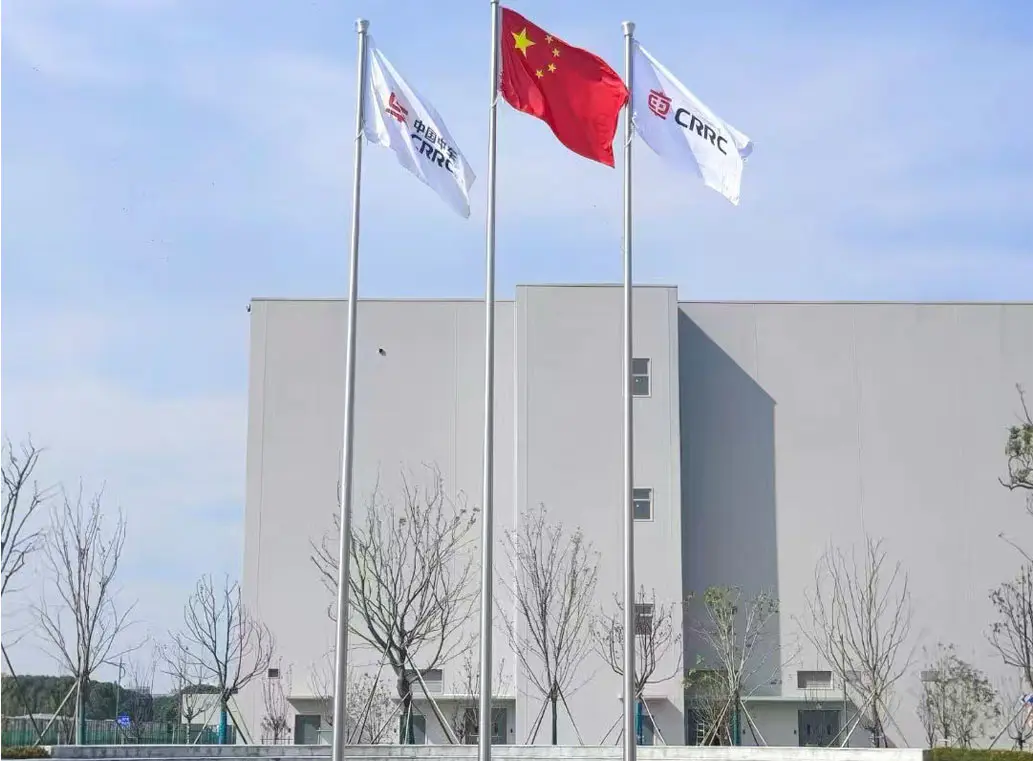
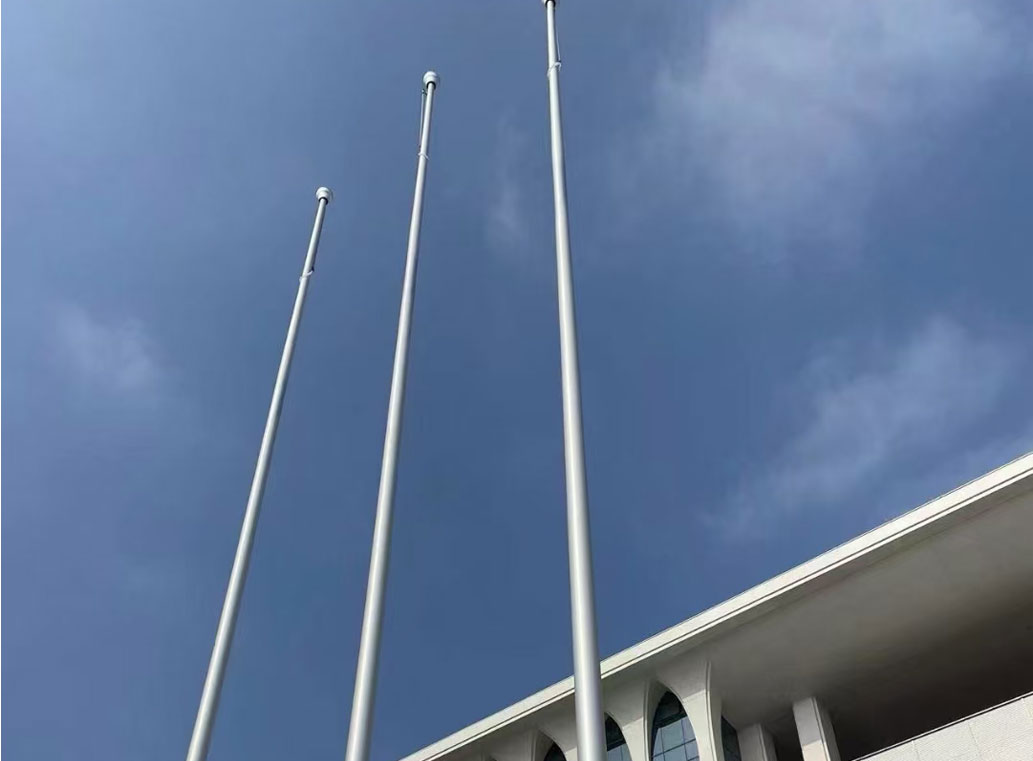
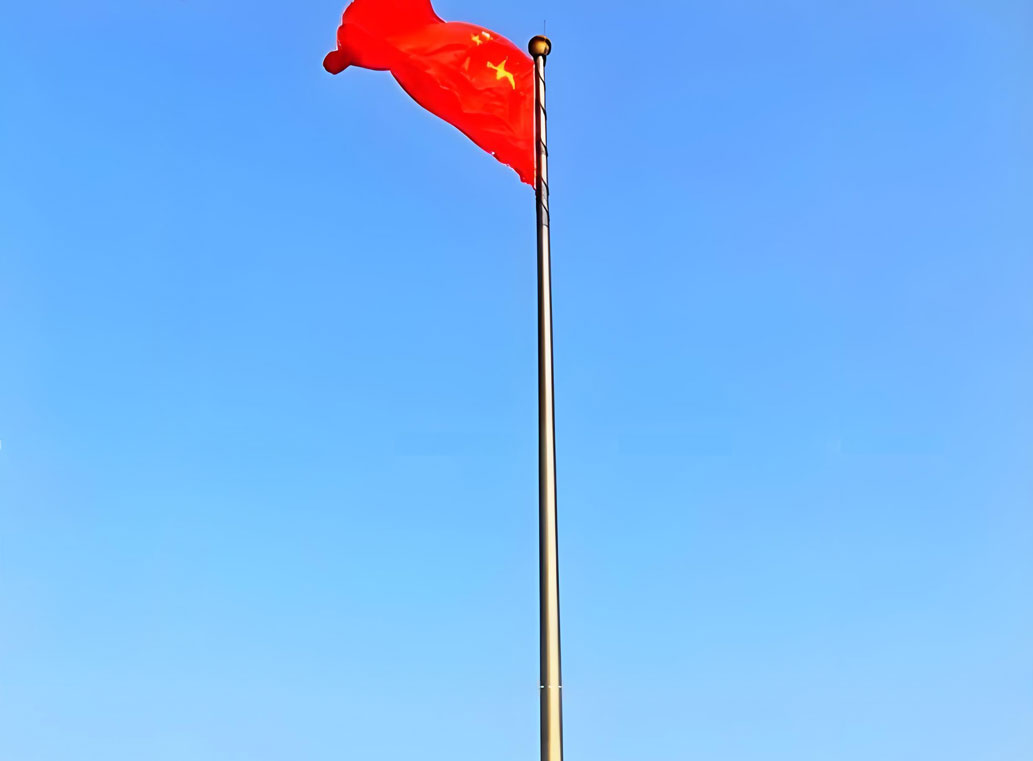
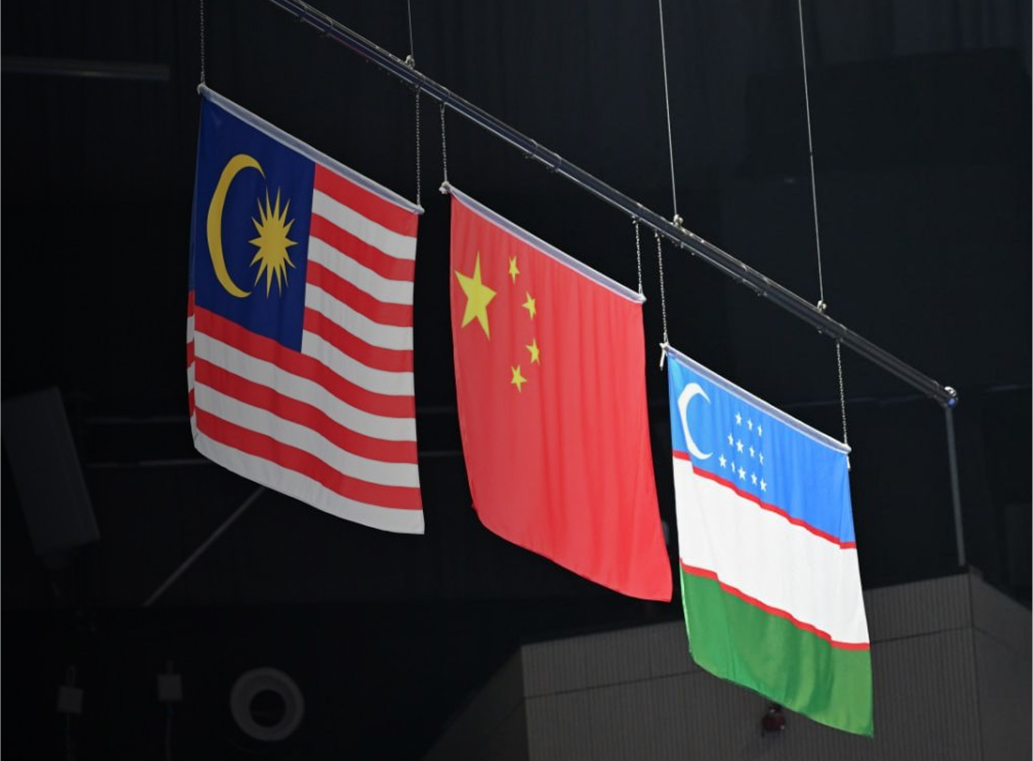
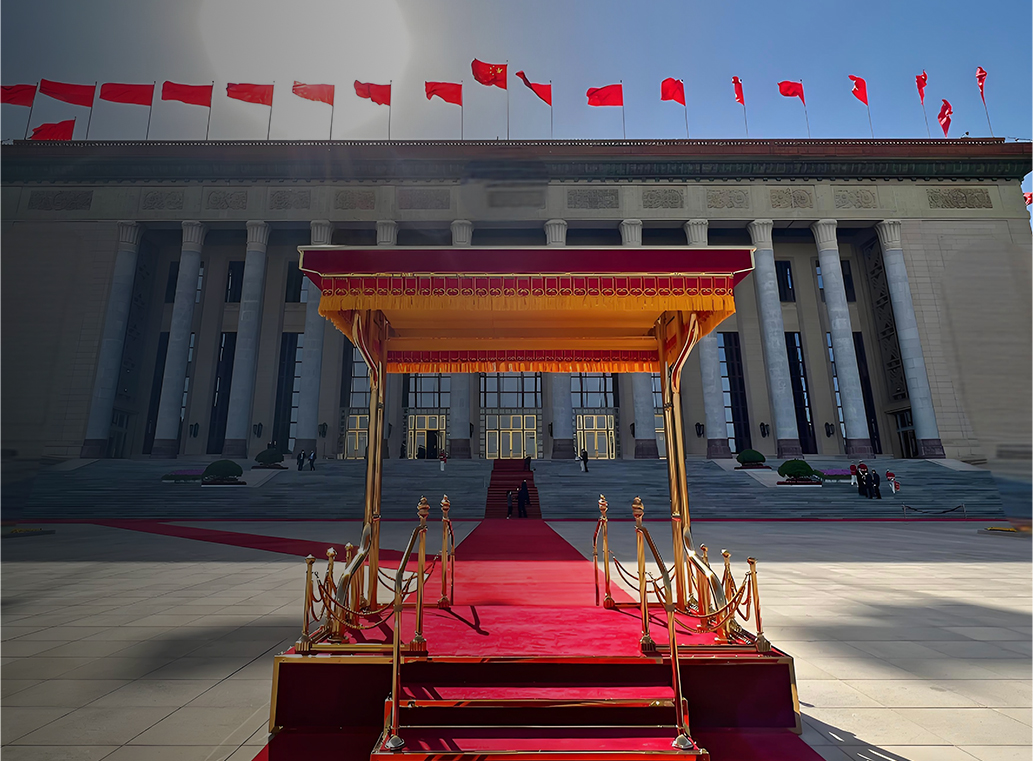
Flagpoles stand as proud symbols, gracing homes, businesses, and public spaces alike. While various materials are used in their construction, stainles......
READ MORESubmit feedback
Home / News / Industry News / Flagpole Etiquette: Display Rules, Hardware, and Buying Guide for Institutions
Flagpole Etiquette: Display Rules, Hardware, and Buying Guide for Institutions
At 06:40 on the morning of a regional track final, a facilities crew raised three flags on a new 12-meter pole. By 07:05, the center flag had wrapped around the halyard, the rope had jumped its pulley, and the crew was discussing whether to lower the flag before the opening ceremony. The problem was not the flag. It was the flagpole hardware, the installation, and the absence of a maintenance routine. Flagpole etiquette is often taught as a set of rules about fabric, order, and ceremony. In practice, etiquette depends just as much on the pole: its height, material, lift system, accessories, and condition.
The practical conclusion is simple: buy and maintain the pole for the ceremony you actually perform, not for the catalogue photo. If a venue needs daily raising, half-staff adjustments, and all-weather display, a low-cost hand-cranked pole with an undersized flag may fail the etiquette test even when staff follow the rulebook. The rest of this guide explains the display rules that matter, the hardware choices that support them, and the procurement questions that prevent public mistakes.
What Flagpole Etiquette Actually Requires
Most institutional flag etiquette comes from national flag codes, ceremonial manuals, and venue policies. The U.S. Flag Code is a common reference, but the underlying principles apply in many countries: the national flag occupies the position of honor, is raised briskly and lowered slowly, never touches the ground, and is illuminated if displayed at night. When multiple flags fly together, precedence matters. On one pole, the national flag is at the peak. On separate poles, it should be placed in the position of honor, usually the observer's left when facing the display from the main approach.
Half-staff is where etiquette and hardware meet most visibly. The flag is first raised to the peak, then lowered to the half-staff position. That means the halyard, cleat, pulley, and flag snap must allow precise, repeatable positioning. A sticky pulley or a rope that has stretched in the sun makes a correct half-staff display difficult. The same is true on days of mourning, national ceremonies, and memorial events. If the pole lacks a reliable positioning method or clear markings, staff will improvise, and improvised half-staff is rarely accurate.
Display Rules That Translate into Hardware Requirements
Etiquette statements are useful only when they become specifications. The table below converts common display rules into flagpole features that procurement teams can inspect, specify, and maintain.
| Display requirement | Practical flagpole implication | Procurement check |
|---|---|---|
| Flag must fly freely without touching the ground or nearby structures | Correct pole height, flag size, and clearance; rotating accessory to reduce wrapping | Confirm flag length is about one-quarter of exposed pole height; check wind exposure and surrounding trees or roofs |
| National flag at peak, other flags subordinate | Single pole: one halyard with correct order. Multiple poles: spacing and height hierarchy | Review approach views, camera positions, and ceremony paths |
| Half-staff position must be exact and repeatable | Precise pulley operation, low-stretch halyard, secure cleat, optional marked position | Test raise, half-staff, and lower sequence before acceptance |
| Night display requires illumination | Lights aimed at the flag, not the pole only; power access and timers | Verify light coverage at the flag's flying height and in wet weather |
| Severe weather requires judgment and durability | Material, wall thickness, base design, and corrosion protection | Match alloy or stainless grade to coastal, industrial, or inland conditions |
| Indoor display follows ceremonial protocol | Stable indoor pole, appropriate base, and safe flag handling space | Check ceiling height, floor loading, and visitor circulation |
These checks are not bureaucratic. A 12-meter pole with a 3-meter flag is a common ratio, but wind speed, flag fabric weight, and site exposure can change the load. A flag that is too large for the pole may hit the ground during lowering or wrap around the halyard in a crosswind. A flag that is too small looks formal but may not be visible from the main stand. Etiquette is visual, and visibility is an engineering decision.
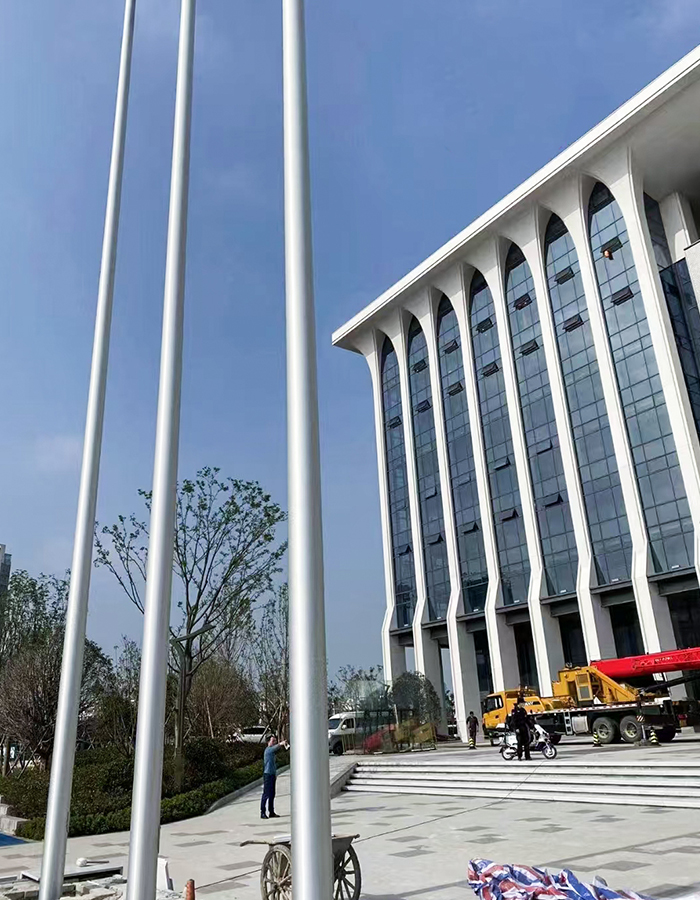 Aluminum Alloy Electric Intelligent Lifting Conical FlagpoleLightweight aluminum flagpole with intelligent electric lifting, remote and timed modes, and conical wind-resistant design for institutional or commercial flag ceremonies.View Product →
Choosing the Pole Material and Lift System
Aluminum, stainless steel, and titanium are the usual choices for institutional flagpoles. Aluminum is lightweight, resists rust in many environments, and is often cost-effective for tall poles with electric lifting. Stainless steel offers higher stiffness and a clean appearance, which suits formal plazas and coastal sites where salt exposure is moderate. Titanium is specified for premium projects, long service life, and aggressive corrosion environments. The material should follow the site, not the other way around. A coastal stadium that selects aluminum without a suitable coating may see surface staining within a few years, while an inland school may not need the expense of titanium.
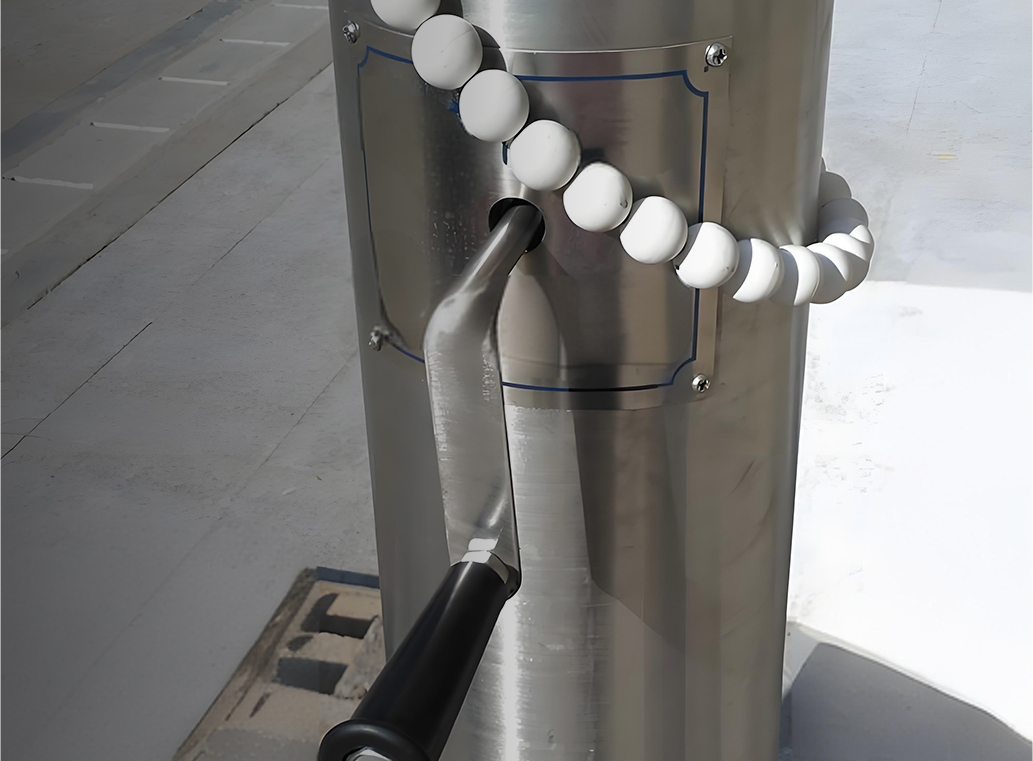
The lift system matters even more for daily etiquette. Hand-cranked poles are simple and reliable, and they are a good fit for venues that raise flags occasionally or want a manual backup. Electric intelligent lifting poles reduce labor and improve consistency for daily ceremonies, tall poles, or multiple flag stations. For award ceremonies, horizontal award flagpoles allow flags to be displayed without a vertical climb, which can be safer and more dramatic on a field. The key is to match the system to the frequency of use, staff availability, and safety rules.
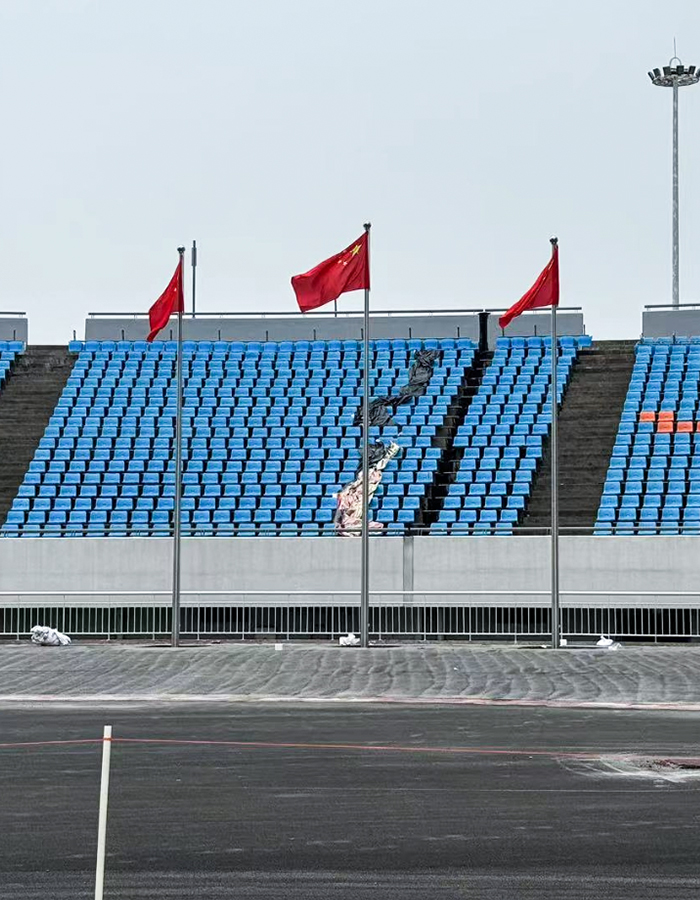 Conical Stainless Steel Intelligent Electric Lifting FlagpoleDurable conical stainless steel flagpole with intelligent electric lifting, timed and remote control, suited to large squares, stadiums, and government venues.View Product →
For exposed coastal or industrial locations, corrosion resistance becomes an etiquette issue. A corroded pulley can seize; a stained pole can distract from the ceremony. A titanium corrosion-resistant hand-cranked conical pole is one option when long-term appearance and low maintenance are priorities. In every case, ask for test reports, coating details, and spare-part availability, not just a finish sample.
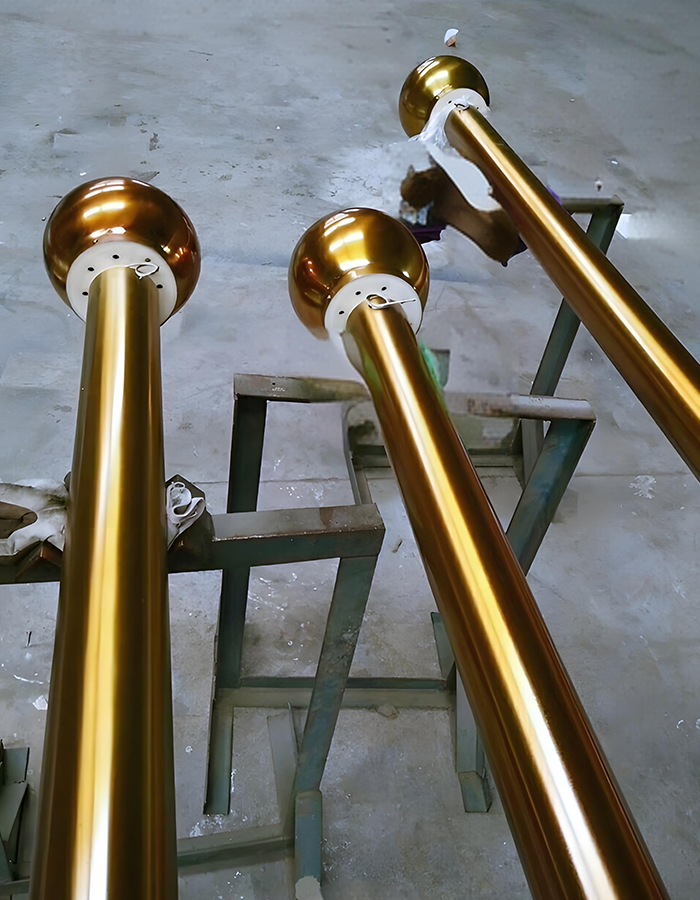 Titanium Corrosion-Resistant Hand-Cranked Conical Lifting FlagpoleCorrosion-resistant titanium conical flagpole with hand-cranked lifting and special surface treatment, intended for high-end government, hospitality, and resort settings.View Product →
Accessories and Small Details That Prevent Public Errors
The flagpole accessory that most directly supports etiquette is the rotating ball head or downwind rotating assembly. It allows the flag to turn with the wind, reducing wrapping around the halyard. Flag snaps, thimbles, and counterweights also matter. A weighted flag can improve appearance in light air, but too much weight strains the halyard and makes lowering less controlled. Trucks and pulleys should be sized for the rope and the flag load. External halyards need protection from abrasion at the truck, while internal halyards require a clean tube and accessible winch or cleat.
Lighting is another detail that is often installed after the pole. Fixtures should illuminate the flag at its flying height, not only the base. Timers should match local display hours and be adjustable for ceremonies. If the venue flies flags at night, a failed light is not a maintenance issue; it is a compliance issue. The same logic applies to security: an electric pole with an exposed control cabinet may need lockout or access control, while a manual pole needs a safe place to secure the halyard.
Procurement Risks and a Practical Checklist
Flagpole projects fail in predictable ways. The most common risk is buying from a height and price list without checking wind load, foundation design, or flag size. Another is assuming that an electric system will always be available; if power is interrupted before a ceremony, staff need a manual override or a second pole. A third is underestimating maintenance access. Internal halyard systems look clean, but they require inspection openings, replacement ropes, and trained staff.
Use this checklist before ordering:
- Confirm the display purpose: daily national flag, multi-flag protocol, award ceremony, indoor hall, or temporary event.
- Match flag size to exposed pole height, typically about one-quarter, then verify with the flag manufacturer and local wind data.
- Select material by environment: inland aluminum, coastal stainless or coated aluminum, and premium titanium for severe corrosion or long-life projects.
- Choose lift type by frequency and staffing: manual for occasional use, electric intelligent for daily or tall installations, with manual backup where possible.
- Specify accessories: rotating ball head, suitable snaps, counterweights if needed, and lighting aimed at the flag.
- Require test documentation: raise, lower, half-staff, electrical operation, and emergency lowering.
- Plan maintenance: inspect pulleys, ropes, cleats, coatings, and lights at least twice a year, and after severe weather.
A manufacturer with long experience in public projects can help translate ceremony plans into a buildable specification. For example, a 20-year flagpole factory with multiple workshops and daily dispatch capacity is better positioned to discuss production tolerance, packing, and spare parts than a trading office that only resells. That experience is useful when a venue needs an outdoor flagpole system that arrives complete and can be commissioned without improvisation.
For maintenance planning, the aluminum flagpole maintenance process gives a useful inspection sequence. It is also worth reviewing the range of outdoor flagpole systems before finalizing height, lift, and accessory choices.
Installation, Training, and Maintenance
Etiquette is performed by people, but it is enabled by installation quality. The foundation must match the pole's wind load, soil conditions, and local code. The pole should be plumb within tolerance, because a leaning pole makes every flag display look careless and can increase halyard wear. Hardware should be tightened to specification, and moving parts should be lubricated with the manufacturer's recommended products. After commissioning, train at least two people on raising, lowering, half-staff, and emergency procedures. Written steps taped inside the equipment cabinet are more valuable than a manual stored in an office.
Maintenance should follow the seasons. Before a major ceremony, inspect rope wear, pulley rotation, flag condition, and light function. After a storm, check for water ingress in electric systems, corrosion at fittings, and foundation movement. Replace frayed flags promptly; a torn flag is the most visible etiquette failure of all. Keep spare flags, snaps, and rope on site. A venue that can replace a failed halyard in an hour will protect its ceremony far better than one that must wait for a service call.
Final Verdict: Etiquette Is a Specification
Flagpole etiquette begins with respect for the flag, but it survives through correct engineering. The height, material, lift system, accessories, lighting, installation, and maintenance plan all determine whether a venue can raise, lower, and display flags correctly on the day it matters. When buying a flagpole, write the ceremony requirements first, then ask suppliers to prove how their design meets them. That approach reduces procurement risk, protects staff, and keeps the flag display worthy of the occasion.
Previous Post
No previous article
Next Post
20 vs 25 Foot Flagpole: Choosing the Right Height for Your Next Project
News
-
-
1. Understanding the Importance of Regular Maintenance for Aluminum Alloy Flagpoles Regular maintenance of your aluminum alloy flagpole is essential ......
READ MORE -
Unique advantages of aluminum alloy: Why it is the preferred material for flagpoles In today's society, flagpoles are not only a tool for displaying f......
READ MORE -
What is the aluminum alloy electric intelligent lifting conical flagpole? The aluminum alloy electric intelligent lifting conical flagpole is a high-e......
READ MORE

Copyright Jiangsu Shengqi Weiye Intelligent Technology Co., Ltd. All Rights Reserved.
 Custom Commercial Flagpoles Suppliers