
 English
 русский
 عربى
عربى







Flagpoles stand as proud symbols, gracing homes, businesses, and public spaces alike. While various materials are used in their construction, stainles......
READ MORESubmit feedback
Home / News / Industry News / 20 vs 25 Foot Flagpole: Choosing the Right Height for Your Next Project
20 vs 25 Foot Flagpole: Choosing the Right Height for Your Next Project
You're standing on a two-story building's front lawn, tape measure in hand, trying to decide between a 20-foot and a 25-foot flagpole. The difference sounds trivial—five feet—but it changes everything from the flag size you can fly to the concrete footing you'll need. For most residential lots, a 20-foot pole is the practical sweet spot. For commercial plazas, school campuses, and larger homes with generous setbacks, the 25-foot option delivers stronger presence and better visibility from a distance. The right choice comes down to four factors: available space, flag dimensions, wind exposure, and installation budget. This guide breaks down those factors so you can commit with confidence.
The Core Differences: 20 vs 25 Foot Flagpole at a Glance
Before diving into site-specific details, here is a side-by-side comparison of the two heights. The table below summarizes the most important selection criteria, from flag size to footing requirements. Use it as a quick reference, then read the following sections for context and exceptions.
| Feature | 20-Foot Flagpole | 25-Foot Flagpole |
|---|---|---|
| Typical use | Residential homes, small parks, low-rise commercial | Two-story homes, commercial buildings, schools, larger plazas |
| Recommended flag size | 3 ft x 5 ft (or 4 ft x 6 ft in light wind) | 4 ft x 6 ft (or 5 ft x 8 ft in moderate wind) |
| Wind load area | Smaller; easier to meet 70–90 mph wind ratings | Larger; often requires 100–120 mph ratings |
| Footing depth (concrete) | 2.5–3 ft deep, 18–24 in diameter | 3–4 ft deep, 24–30 in diameter |
| Material recommendation | Aluminum or stainless steel | Stainless steel or titanium for coastal/high-corrosion |
| Lifting mechanism | Hand-crank is common and cost-effective | Electric intelligent lifting is strongly recommended |
| Approx. cost range (pole only) | $500–$1,200 | $1,000–$2,500 |
The five-foot difference translates into a 25% increase in height, but the engineering demands grow more than proportionally. A 25-foot pole has a larger sail area, which means higher bending moments at the base. That is why you cannot simply scale up a 20-foot design. The material gauge, base plate, and anchoring system all need to be upgraded.
Flag Size and Visual Proportion
The most visible difference between a 20-foot and a 25-foot flagpole is how the flag looks in the air. A flag that is too small will look lost; one that is too large will overwhelm the pole and wear out faster in the wind. The accepted rule of thumb is a flag length of roughly one-quarter to one-fifth of the pole height. For a 20-foot pole, that means a 3 ft x 5 ft flag is ideal, though a 4 ft x 6 ft flag can work if your average wind speed is under 12 mph. On a 25-foot pole, a 4 ft x 6 ft flag hits the sweet spot, and a 5 ft x 8 ft flag is appropriate for moderate wind zones or when you want maximum visual impact.
Consider the viewing distance. A 20-foot pole is often placed 15 to 20 feet from a house or sidewalk. At that range, a 3 ft x 5 ft flag reads clearly. A 25-foot pole is usually set further back—25 to 30 feet—or placed in front of a larger building. Here, the extra five feet of height and the larger flag work together to maintain legibility from the street. If you are comparing for a school campus or municipal building, the 25-foot height with a 5 ft x 8 ft flag creates a stronger civic presence without becoming oversized.
 Aluminum Alloy Electric Intelligent Lifting Conical FlagpoleA lightweight aluminum alloy flagpole with conical wind-shedding design and intelligent electric lifting, timed or remote control, suited to frequent 25-foot installations.View Product →
For a 25-foot installation that will be used frequently, an electric intelligent lifting conical flagpole in aluminum alloy offers a practical balance of automation and weight. The electric winch removes the physical effort of raising and lowering a larger flag, and the conical design sheds wind more efficiently than a straight pole.
Wind Load and Structural Demands
Wind is the single biggest factor that separates a safe 20-foot installation from a safe 25-foot installation. The wind load on a flagpole increases with the square of the height, assuming the same flag size. In practice, a 25-foot pole carrying a 5 ft x 8 ft flag can experience roughly twice the bending moment at its base compared to a 20-foot pole carrying a 3 ft x 5 ft flag. This is not a reason to avoid the taller pole—it is a reason to respect the foundation and material specifications.
For a 20-foot flagpole in a 90 mph wind zone, a concrete footing of 2.5 to 3 feet deep and 18 to 24 inches in diameter is typically sufficient. For a 25-foot pole in a 100 to 120 mph zone, you should plan for a 3-to-4-foot deep footing with a 24-to-30-inch diameter. The soil type matters as well. Sandy or loose soils require a wider footing or a engineered base plate. If you are installing on a coastal site with salt spray, the corrosion risk grows with height because the pole catches more wind-driven moisture. In that case, titanium or a high-grade stainless steel becomes the material of choice. For a detailed look at material selection and maintenance, the site's guide to stainless steel flagpoles covers installation and upkeep considerations that apply directly to taller poles.
Installation Site and Space Considerations
Before you choose between 20 and 25 feet, measure your site. A flagpole needs clear space around it for the flag to fly without striking buildings, trees, or power lines. As a rule, the pole should be at least half its height away from any obstruction. That means a 20-foot pole needs a 10-foot clear radius, while a 25-foot pole needs 12.5 feet. In a crowded residential front yard, the 20-foot pole often fits more comfortably. On a commercial campus or open plaza, the 25-foot pole has room to breathe.
Another site factor is the viewing angle. If the pole will be seen primarily from a distance—say, from a road or a stadium entrance—the extra five feet of a 25-foot pole makes the flag more visible. If the pole is close to the viewer, such as along a sidewalk, the 20-foot height may actually provide a better viewing angle, allowing people to see the flag without craning their necks. You can browse the full range of outdoor flagpoles to see how different heights and materials are configured for various sites.
Material and Lifting Mechanism Selection
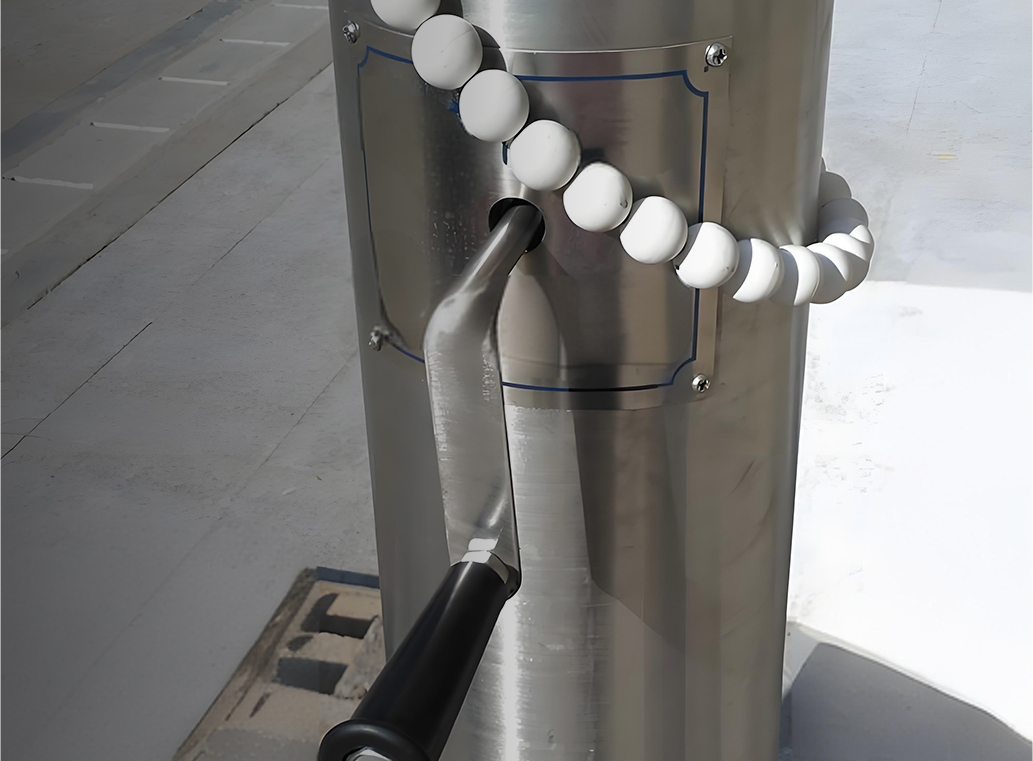
The height you choose influences the best material and lifting mechanism. For a 20-foot pole, aluminum alloy is a common choice because it is lightweight, rust-resistant, and affordable. A hand-crank lifting system works well at this height; the effort is manageable, and the mechanism has fewer electrical components to maintain. Stainless steel is a step up in durability, especially in humid or polluted environments. Titanium is reserved for premium installations where corrosion resistance and longevity are paramount.
When you move to 25 feet, the weight of the pole and the flag increases significantly. Hand-cranking a 25-foot pole with a 5 ft x 8 ft flag is possible, but it becomes tiring and can be awkward in high wind. An electric intelligent lifting system is the better choice. It allows you to raise and lower the flag smoothly, often with remote control or preset positions. For a commercial project, the additional cost of electric lifting is usually justified by reduced labor and safer operation.
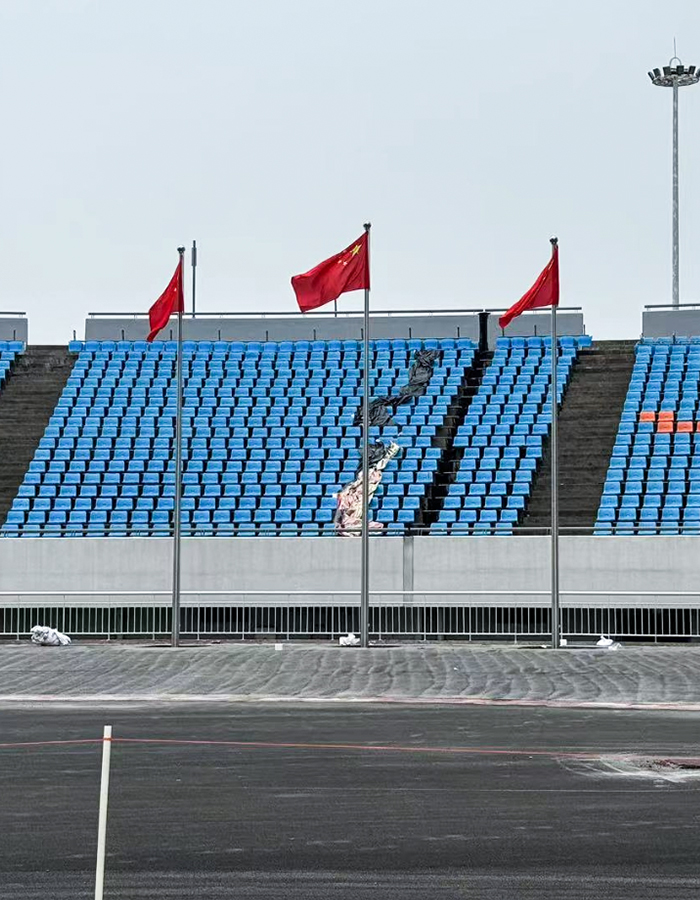 Conical Stainless Steel Intelligent Electric Lifting FlagpoleA durable stainless steel conical flagpole with intelligent electric lifting, timed and remote control, suited to 25-foot commercial sites and prestigious venues.View Product →
A conical stainless steel intelligent electric lifting flagpole is a strong candidate for 25-foot commercial installations. Stainless steel handles weather and pollution well, and the electric drive makes routine flag changes a one-person task. For coastal or highly corrosive environments, a titanium option provides even greater peace of mind.
 High-End Titanium Conical Intelligent Lifting FlagpoleA corrosion-resistant titanium conical flagpole with intelligent lifting and remote or timed modes, suited to high-end, coastal, or hard-to-maintain projects.View Product →
The high-end titanium conical intelligent lifting flagpole is designed for projects where maintenance access is difficult or where the expected service life is measured in decades. It costs more upfront, but the total cost of ownership can be lower when you factor in avoided repairs and repainting.
Budget and Long-Term Value
The purchase price of a 20-foot flagpole is typically 30% to 50% lower than a comparable 25-foot pole. That difference comes from more material, a larger base, stronger hardware, and often a more powerful lifting mechanism. Installation costs also rise with height because the footing is larger and may require heavier equipment. However, budget is not just about the initial check. Consider the lifecycle. A 25-foot pole that is properly specified for its wind zone will last as long as a 20-foot pole, but it will cost more to repair if the foundation is undersized. Many premature flagpole failures come from installing a tall pole on a footing designed for a shorter one.
If your budget is tight, a 20-foot pole with a high-quality stainless steel construction and a manual winch can be a better investment than a cheap 25-foot pole with a thin wall and a weak base. The extra height is not worth the risk if it compromises safety. On the other hand, if you are building a new plaza or stadium entrance, spending more on a 25-foot electric pole with a proper foundation is a long-term decision that pays off in reliability and visual impact.
Making the Final Decision
Use this simple decision path. Choose a 20-foot flagpole if: your site is a typical residential lot with a one- or two-story house; you want a 3 ft x 5 ft or 4 ft x 6 ft flag; your local wind speeds are moderate; you prefer a hand-crank system or a lower upfront cost; and you have at least 10 feet of clear space around the pole. Choose a 25-foot flagpole if: your building is two stories or taller; you need strong visibility from a road or across a campus; you plan to fly a 4 ft x 6 ft or 5 ft x 8 ft flag; your area experiences high winds or you are near the coast; you want an electric intelligent lifting system; and you have at least 12.5 feet of clear space plus room for a larger footing.
One more consideration: local regulations. Some municipalities limit flagpole height in residential zones to 20 feet. Others require a permit for anything over 25 feet. Check with your local building department before you dig. If you are procuring for a school campus, the site's article on typical school flagpole heights provides useful benchmarks that can inform your specification.
In the end, the choice between a 20-foot and a 25-foot flagpole is a balance of space, wind, flag size, and budget. The 20-foot pole is the reliable workhorse for most homes and small commercial sites. The 25-foot pole is the right call when you need greater presence, can accommodate a larger foundation, and are ready to invest in electric lifting and premium materials. Match the pole to the site, not the other way around, and you will have a flag display that looks right and performs safely for years.
Previous Post
No previous article
Next Post
How to Put Up a Flagpole in Your Yard: A Complete Step-by-Step Installation Guide
News
-
-
1. Understanding the Importance of Regular Maintenance for Aluminum Alloy Flagpoles Regular maintenance of your aluminum alloy flagpole is essential ......
READ MORE -
Unique advantages of aluminum alloy: Why it is the preferred material for flagpoles In today's society, flagpoles are not only a tool for displaying f......
READ MORE -
What is the aluminum alloy electric intelligent lifting conical flagpole? The aluminum alloy electric intelligent lifting conical flagpole is a high-e......
READ MORE

Copyright Jiangsu Shengqi Weiye Intelligent Technology Co., Ltd. All Rights Reserved.
 Custom Commercial Flagpoles Suppliers