
 English
 русский
 عربى







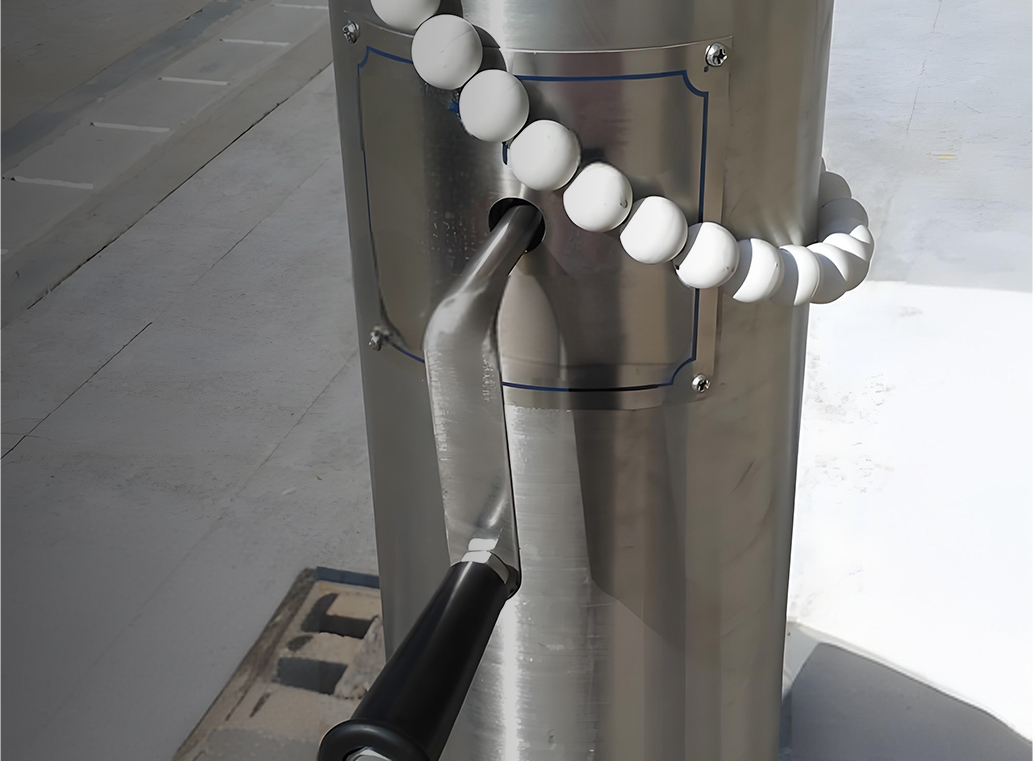

Flagpoles stand as proud symbols, gracing homes, businesses, and public spaces alike. While various materials are used in their construction, stainles......
READ MORESubmit feedback
Home / News / Industry News / Flagpole on a House: Practical Mounting, Wind Load, and Maintenance Guide
Flagpole on a House: Practical Mounting, Wind Load, and Maintenance Guide
A flagpole on a house usually fails at the bracket, not the pole. A 5 ft aluminum pole with a 3 ft × 5 ft flag can look light, but a 20 mph gust turns that flag into roughly 15 sq ft of sail and puts a twisting load on four fasteners. The practical answer is to keep a wall-mounted house flagpole to about 5–8 ft, use a 2 ft × 3 ft or 3 ft × 5 ft flag, fasten into studs or masonry, and choose a bracket rated for the flag area, not just the pole length. If you want a 15 ft pole, a 4 ft × 6 ft flag, or a display that rises above the roofline, a ground-mounted pole is the lower-risk choice.
That conclusion matters because house-mounted flagpoles sit in a harsh load path. The wall has to carry a cantilever, the bracket has to resist pull-out and twist, the pole has to survive vibration, and the flag has to fly without wrapping around the halyard. Get one of those details wrong and the result is rarely dramatic at first. It is a loose bolt, a stain under the bracket, a noisy rope, or a pole that starts leaning after the first strong front.
This guide covers the choices that actually affect performance: mounting type, wind exposure, substrate, fasteners, flag size, sealing, code limits, and maintenance. It is written for a homeowner, facilities manager, or contractor who wants a clean installation that survives normal weather without turning a facade into a repair project.
The short answer: what works on a house
A house flagpole should be treated as a small structural attachment. The pole is visible, but the hidden work is the bracket, the blocking behind the wall, and the waterproofing around the penetration. For most homes, a wall-mounted bracket with a 5–6 ft pole and a 2 ft × 3 ft or 3 ft × 5 ft flag is the sensible starting point. A roof-mounted bracket can work on a gable end, but it introduces roof-penetration risk and a longer lever arm. A ground-mounted pole is better when the display is meant to be prominent, when the flag is larger than 3 ft × 5 ft, or when the wall construction is uncertain.
The table below gives typical residential ranges. It is not a substitute for the bracket manufacturer’s rating or a local code check, but it shows where the risk shifts.
| Mounting type | Typical pole length | Typical flag size | Anchoring focus | Main risk | Best use |
|---|---|---|---|---|---|
| Wall bracket | 5–6 ft | 2 × 3 ft to 3 × 5 ft | Two studs or masonry anchors | Bracket pull-out and water intrusion | Porch, garage, facade, entry wall |
| Roof bracket | 6–8 ft | 3 × 5 ft | Roof framing or ridge connection | Roof leaks and longer wind lever | Gable end with no practical wall space |
| Ground-mounted | 15–25 ft | 3 × 5 ft to 5 × 8 ft | Concrete foundation and sleeve | Permits, utilities, and foundation depth | Yard display, high wind, larger flag |
A common mistake is to buy the pole first and then look for a bracket. Reverse that order. The bracket and its fasteners define the safe flag area, the allowable pole length, and the maintenance interval. If the bracket is rated for a 3 ft × 5 ft flag at a given wind speed, a larger flag does not simply look fuller; it increases the load on every component in the chain.
Wind load on a house flagpole: the number that matters
Wind load is not linear with pole length. A flag creates drag, and the pole converts that drag into bending and pull-out force at the bracket. As a rough static check, multiply flag area by wind pressure. A 3 ft × 5 ft flag has 15 sq ft of area. At 20 mph, dynamic pressure is about 1 psf, and with a normal drag coefficient the steady force can land near 15–20 lb. On a 6 ft lever, that is roughly 90–120 lb-ft of torque at the bracket, before gust shock and vibration. A 4 ft × 6 ft flag raises the area to 24 sq ft, so the same wind produces about 60% more force. That is why “just one size bigger” is not a harmless upgrade on a house wall.
Gusts and turbulence matter more than a steady breeze. A flag that snaps in a gust applies repeated shock to the halyard, the swivel, the bracket, and the fasteners. Over months, a slightly loose bolt can elongate a screw hole in wood, compress siding, or open a sealant joint. A house flagpole on an exposed corner, a lakefront, a hilltop, or a coastal site should be treated more conservatively than one sheltered by neighboring buildings and trees.
Use the flag size to set the pole and bracket, not the other way around. A 5 ft wall pole with a 3 ft × 5 ft flag is a common residential combination, but it needs a solid bracket and framing. A 6 ft pole with a 4 ft × 6 ft flag is usually asking too much from a typical decorative wall bracket. If the flag must be large, move the load to a ground-mounted pole with a foundation designed for the local wind.
Choosing the bracket, pole, and fasteners
The bracket is the most important purchase. Look for a cast aluminum or stainless steel bracket with a broad base, a positive locking method, and a rated flag area. Powder coating helps, but it is not a substitute for correct material choice. In coastal air, 316 stainless hardware is preferable to 304, and plain steel fasteners should be avoided even if they are hidden. A nylon or polymer bushing at the pivot can reduce wear and noise, but it should not be the only thing holding the pole in position.
For the pole, aluminum is the usual choice for a house flagpole because it is light and corrosion-resistant. A wall thickness around 0.062–0.125 in is common for residential poles, but the bracket rating still controls. Stainless steel poles are stronger and more corrosion-resistant, but they cost more and can be heavier. A stainless steel pole can be sensible in coastal air, though 316-grade hardware matters as much as the pole; this guide to stainless steel flagpoles covers the trade-offs in more detail.
Fasteners should go into solid framing, not siding, trim, or drywall. For wood-frame walls, 3/8 in diameter lag screws long enough to engage at least 2 in of solid stud are a reasonable starting point, with washers under the heads. For masonry, use wedge anchors or masonry screws rated for the substrate. Do not rely on four small screws into a vinyl siding panel. If the studs are not where the bracket needs to be, add a treated plywood or metal backing plate that spans the studs, then seal the penetrations carefully.
Water management is part of the installation. Drill a slightly upward-sloping hole, fill it with exterior-grade sealant, and place a bead of sealant or butyl tape behind the bracket flange. Avoid sealing the bottom edge completely if the bracket design needs to drain. A bracket that traps water against the wall can cause more damage than a slightly visible fastener head.
Before you drill: site checks that prevent callbacks
Walk the wall before you commit to a location. The best spot is usually high enough that the flag clears the ground and any steps, but low enough that the pole tip does not strike the eave, gutter, or roof edge. Keep the bracket at least 12–18 in away from windows, doors, outdoor lights, dryer vents, and irrigation heads. On a gable end, check that the flag will not slap the siding when the wind shifts. On a porch, confirm that the pole will not hit a column or hanging light.
Use a stud finder and confirm with a small probe or magnet. Mark the stud centers, then compare them with the bracket hole pattern. If the bracket spans two studs, the installation is much stronger than one centered on a single stud. If the wall is brick veneer, do not assume the brick alone can carry the load; the anchor may need to reach the structural backup. If the wall is stucco over foam, the bracket needs blocking behind the cladding, not just long screws through the foam.
- Check local permits and HOA rules before buying the pole.
- Confirm the bracket’s rated flag area and wind assumption.
- Verify stud, block, or masonry backing at the exact hole locations.
- Keep the pole tip clear of roof edges, gutters, and overhead wires.
- Choose a flag size that matches the bracket, not the available flag.
- Plan the sealant and drainage before drilling the first hole.
Installation sequence for a wall-mounted flagpole on a house
A clean installation is mostly preparation. Set the bracket height, mark the holes, and dry-fit the bracket before any sealant is applied. Have a helper for the pole and flag; a 6 ft pole is not heavy, but it is awkward on a ladder. Use a level on the bracket base, not on the pole, because some brackets are designed with a slight upward angle.
- Mark the bracket location and confirm the stud or masonry anchor points.
- Drill pilot holes to the fastener manufacturer’s diameter, not larger.
- Apply sealant or butyl tape to the back of the bracket and around the holes.
- Fasten the bracket with the specified lag screws or masonry anchors, using washers.
- Tighten in a cross pattern, then check the bracket for movement by hand.
- Seal the fastener heads and the top edge of the bracket, leaving any intended drain path open.
- Insert the pole, fit the finial or swivel, and attach the flag with the correct clips.
- Check that the flag clears the wall, roof, lights, and ground through its full swing.
- After 30 days, recheck fasteners and sealant; tighten only if movement is present.
At the top, a rotating ball head or finial with a swivel reduces halyard wrap on exposed walls. It does not fix a weak bracket, but it lowers wear on the rope and the flag’s heading.
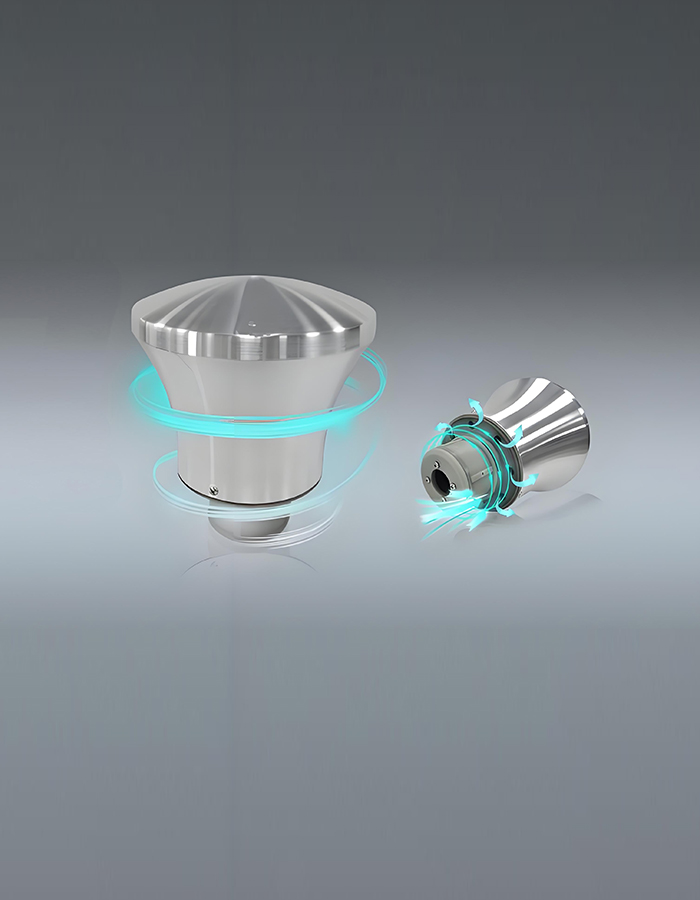 Downwind Rotating Flagpole Ball Head with SwivelA rotating ball head for the pole top, designed to reduce halyard wrap and support smoother flag movement.View Product →
Do not overtighten a swivel or cleat until it binds. The flag should be able to move with the wind, and the halyard should be tensioned enough to avoid slapping but loose enough to allow a full hoist. If the pole has a two-piece design, check the joint after the first week; a joint that works loose under vibration will wear quickly.
Legal, HOA, and etiquette points
Rules for a flagpole on a house vary widely. Some jurisdictions regulate pole height, projection over a sidewalk, historic-district alterations, or the number of flags displayed. Many homeowners’ associations have separate rules on pole placement, flag size, and attachment to the facade. Check both before installation, and keep a copy of the approval if the work is visible from the street. If you rent, get written permission from the property owner and confirm how the bracket will be sealed and repaired at move-out.
For flag display in the United States, the U.S. Flag Code is a guide rather than a residential enforcement code. It recommends displaying the flag from sunrise to sunset unless it is properly illuminated, and it calls for an all-weather flag in bad weather. Local rules and safety still come first. A flag that is torn, faded, or wrapped around the pole should be taken down and repaired or retired; that is both an etiquette issue and a wear issue.
Maintenance and troubleshooting
Inspect the installation twice a year and after any storm that produces damaging wind. Look for movement at the bracket, rust stains, cracked sealant, frayed rope, bent clips, and a pole that no longer sits straight. A loose bracket is not a cosmetic problem. If the bracket rocks by hand, remove the flag, check the fasteners, and investigate the wall for enlarged holes or water damage before reusing the same location.
- Loose bracket: stop use, check fastener torque and substrate, and add blocking or move the bracket if the holes have enlarged.
- Water stain under the bracket: remove the bracket, dry the wall, replace sealant, and check for rot or delamination.
- Flag wrapping around the pole: check the swivel, halyard tension, and flag size; a rotating head helps but does not cure an oversized flag.
- Noisy halyard: add a tensioner or cleat, replace worn rope, and check for a loose clip.
- Bent pole: replace it rather than straightening; bending indicates the bracket or flag size exceeded the design.
- Corrosion at fasteners: replace with stainless hardware and inspect the bracket for galvanic damage.
Clean the pole with mild soap and water, not abrasive pads. Touch up powder-coat chips to slow corrosion, and replace the halyard every few years before it fails in a gust. If the flag is exposed to constant wind, shorten the inspection interval to every three months.
When not to mount a flagpole on the house
A house-mounted flagpole is a poor fit when the wall is fragile, the desired flag is large, the exposure is severe, or the facade is historically significant. A single-skin brick veneer, synthetic stucco over foam, or a wall with no accessible framing may not be able to carry a cantilevered load without added blocking. A 15 ft pole on a house is also a different engineering problem from a 5 ft decorative pole, and the bracket alone is rarely the answer.
If the wall is unsuitable, a freestanding pole removes the cantilever problem. A light residential aluminum pole can be set in a concrete footing and operated by hand, which avoids electricity and keeps maintenance simple. The site’s outdoor aluminum flagpoles range is a starting point, and a hand-cranked conical model is often the most straightforward choice for a home yard.
 Outdoor Aluminum Conical Hand-Cranked FlagpoleA lightweight aluminum conical flagpole with hand-cranked lifting for freestanding home-yard installations where wall mounting is unsuitable.View Product →
A ground-mounted pole also gives you better flag clearance, a more visible display, and room for a larger flag. The trade-off is a foundation, a deeper installation, and a check for underground utilities. For many homes, that is still less risky than loading a weak wall with a long cantilever.
Buying checklist for a flagpole on a house
Before you buy, match the complete assembly to the job: bracket, fasteners, pole, finial, halyard, and flag. A low-cost pole with an unrated bracket is not a bargain if it pulls out of the wall. Ask for the bracket’s rated flag area, the recommended fastener type, the pole wall thickness, and the finish warranty. Check that replacement parts are available, especially the swivel, cleat, and halyard.
- Bracket material and coating suitable for the local climate.
- Fasteners rated for wood studs, masonry, or the actual substrate.
- Pole diameter and wall thickness matched to the bracket rating.
- Flag size no larger than the bracket and pole can handle.
- Swivel or rotating head to reduce halyard wrap.
- Clear installation height and projection from the wall.
- Sealant compatible with the siding and bracket coating.
- Written approval from the HOA or landlord where required.
A flagpole on a house is a small project with a long service life if the connection is taken seriously. Pick the bracket first, fasten into real structure, seal the wall, keep the flag within the rated size, and inspect the assembly after the first month and after every severe storm. That approach produces a clean display without asking a decorative bracket to do structural work it was never designed to carry.
Previous Post
No previous article
Next Post
Flagpole Etiquette: Display Rules, Hardware, and Buying Guide for Institutions
News
-
-
1. Understanding the Importance of Regular Maintenance for Aluminum Alloy Flagpoles Regular maintenance of your aluminum alloy flagpole is essential ......
READ MORE -
Unique advantages of aluminum alloy: Why it is the preferred material for flagpoles In today's society, flagpoles are not only a tool for displaying f......
READ MORE -
What is the aluminum alloy electric intelligent lifting conical flagpole? The aluminum alloy electric intelligent lifting conical flagpole is a high-e......
READ MORE

Copyright Jiangsu Shengqi Weiye Intelligent Technology Co., Ltd. All Rights Reserved.
 Custom Commercial Flagpoles Suppliers