
 English
 русский
 عربى
عربى


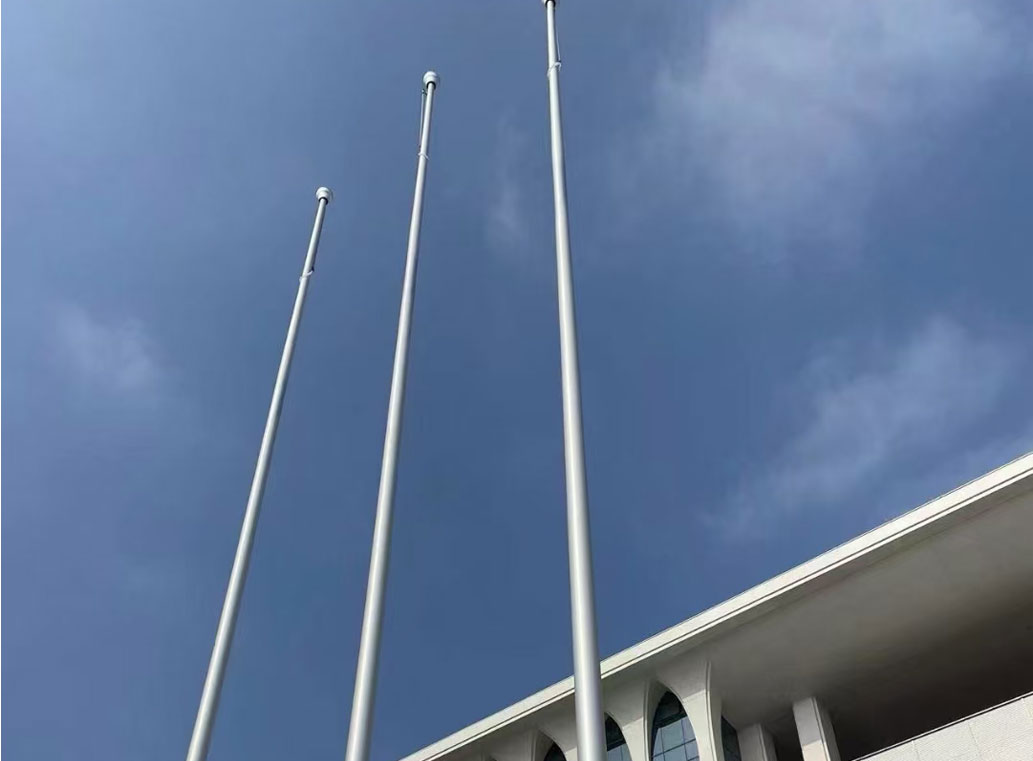



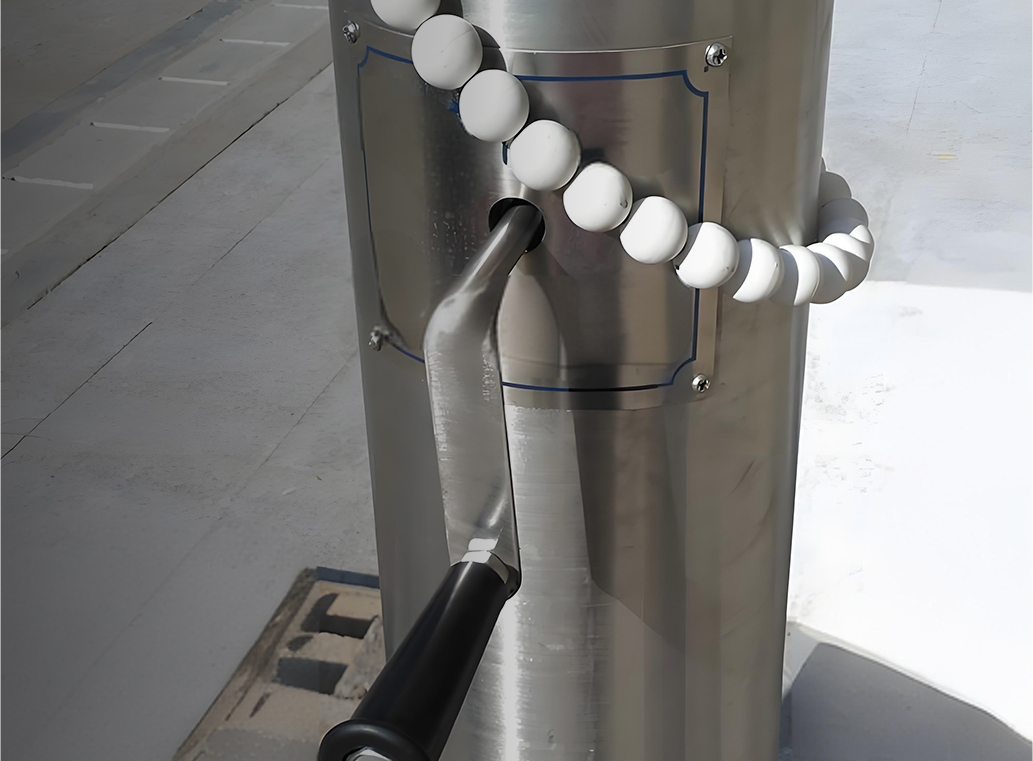

Flagpoles stand as proud symbols, gracing homes, businesses, and public spaces alike. While various materials are used in their construction, stainles......
READ MORESubmit feedback
Home / News / Industry News / Flagpole Types, Typical Heights, Wind Resistance, Rope Replacement, and Aluminum vs Fiberglass: The Complete Practical Guide
Flagpole Types, Typical Heights, Wind Resistance, Rope Replacement, and Aluminum vs Fiberglass: The Complete Practical Guide
The most common flagpole types are aluminum, fiberglass, steel, and wood, with aluminum being the dominant choice for residential and commercial use because of its light weight, corrosion resistance, and long service life. The typical flagpole height for a residential installation is 20 feet, for standard commercial use it is 25 to 30 feet, and for government or institutional sites it ranges from 40 to 80 feet or more. The flagpole that withstands the strongest wind is a commercial-grade fiberglass or engineered aluminum pole rated to a specific wind speed by the manufacturer, with the best options certified to withstand sustained winds of 100 to 130 mph. Between aluminum and fiberglass, aluminum is better for most standard installations because of lower cost and easier availability of hardware, while fiberglass excels in coastal, marine, and electrical hazard environments. This guide answers every practical question about flagpoles with specific data.
Flagpole Types: A Complete Overview of Every Option
Understanding all available flagpole types is the foundation for making a correct purchasing decision. Each material and design category suits a specific combination of environment, budget, wind exposure, and application.
Aluminum Flagpoles
Aluminum is the most widely used flagpole material globally, accounting for the majority of all residential and commercial installations in North America. Commercial-grade aluminum poles use 6063-T6 or 6061-T6 alloy, delivering tensile strengths of 30,000 to 45,000 psi. They are available in a range of anodized finishes (clear silver, bronze, black) that resist corrosion and UV degradation for 20 to 40 years in inland environments. Aluminum poles for residential use typically weigh 15 to 60 lbs for heights from 15 to 30 feet, making them manageable for installation without heavy equipment.
Fiberglass Flagpoles
Fiberglass poles are produced by wrapping continuous glass fiber strands around a mandrel under tension and curing them in a resin matrix. The resulting structure has excellent strength-to-weight ratio, complete electrical insulation, and superior resistance to salt air and coastal corrosion. Fiberglass is the preferred material for coastal, marine, golf course, and electrical substation applications. A standard 25-foot fiberglass pole weighs approximately 25 to 40 lbs and is rated for wind speeds from 95 to 130 mph depending on wall thickness and construction. The principal limitation is that fiberglass is more expensive than aluminum and cannot be painted or refinished as easily.
Steel Flagpoles
Steel poles (galvanized or epoxy-coated carbon steel, or stainless steel) are used for the tallest and most structurally demanding installations: civic monuments, sports stadiums, and large government plazas with poles from 60 to 200 feet in height. At those scales, the strength of steel is necessary because aluminum and fiberglass cannot achieve the required structural stiffness in practical wall thicknesses. Steel poles are heavy (a 60-foot steel pole can weigh 400 to 1,200 lbs) and always require mechanical equipment and professional installation. Corrosion protection through hot-dip galvanizing, powder coat, or specialized marine coatings extends service life in aggressive environments.
Wood Flagpoles
Wood poles (traditionally Douglas fir, western red cedar, or pressure-treated pine) are rarely used in new installations but remain in service at historic sites, traditional New England homes, and rustic or park settings where the natural material appearance matches the architectural context. Wood requires significant ongoing maintenance (painting or sealing every 2 to 5 years), is susceptible to rot at the ground line, and does not match the service life of aluminum or fiberglass. Modern wood pole replacements almost always use tapered aluminum with a woodgrain or natural-finish anodize.
Sectional vs. One-Piece Poles
Beyond material, flagpoles are classified by construction as either one-piece (a single tapered extrusion or tube) or sectional (two or three shorter sections that sleeve together or telescope). One-piece poles provide superior structural integrity and eliminate the visible joint lines that sectional poles show, but require longer transport and more careful installation. Sectional poles are practical for residential DIY installation because sections fit in a standard pickup truck and can be assembled on site. For poles above 25 feet, a one-piece tapered design is strongly preferred for structural performance.
| Material | Weight (25 ft) | Corrosion Resistance | Typical Cost Range (25 ft) | Best Application |
|---|---|---|---|---|
| Aluminum (6063-T6) | 25 to 45 lbs | Excellent (inland), good (coastal) | $250 to $700 | Residential and commercial standard |
| Fiberglass | 25 to 40 lbs | Exceptional (all environments) | $400 to $1,100 | Coastal, marine, electrical hazard |
| Steel (galvanized) | 150 to 400 lbs | Good with coating | $800 to $3,000+ | Tall government or civic installations |
| Wood (cedar) | 50 to 100 lbs | Poor without regular maintenance | $200 to $600 | Historic, rustic, and park settings |
What Is the Height of a Flagpole and Typical Flagpole Height by Setting
Outdoor Flagpole height is not standardized across all settings. What is the height of a flagpole depends entirely on the installation context, the size of the property, local zoning requirements, and the desired visual impact. Understanding what height is typical for each setting prevents both under-sizing (a flag that looks lost at distance) and over-sizing (a pole disproportionate to the building).
Residential Flagpole Height: The Practical Range
For private residences, the typical flagpole height is 15 to 25 feet, with 20 feet being the most commonly installed height in North American suburban settings. A 20-foot pole is tall enough to display a 3×5 or 4×6 foot flag with good visibility from the street while remaining physically manageable for DIY installation (most homeowners can assemble and raise a 20-foot sectional aluminum pole without mechanical equipment). Heights above 25 feet often require a building permit in residential zones.
Commercial Flagpole Height
Commercial properties (retail stores, office buildings, hotels, industrial facilities) typically install poles in the 25 to 40-foot range. A 30-foot pole with a 5×8 foot flag is the most common commercial standard in North America, providing strong roadside visibility without requiring exceptional foundation engineering. Multi-pole commercial installations (three poles side by side for national, state, and corporate flags) typically use three poles at the same height, with the center pole carrying the national flag at the top position.
Government and Institutional Height
Government buildings, schools, universities, and civic landmarks use poles from 40 to 100 feet, with the largest landmark installations exceeding this range. State capitols and federal facilities typically use 50 to 60-foot poles. The largest ceremonial flagpoles at national monuments and major military installations range from 60 to 200 feet, requiring engineered structural steel construction and professional installation with cranes.
| Setting | Typical Height Range | Recommended Flag | Common Material |
|---|---|---|---|
| Small residential | 15 to 20 ft | 3×5 ft | Aluminum alloy |
| Standard residential | 20 to 25 ft | 4×6 ft | Aluminum alloy |
| Standard commercial | 25 to 35 ft | 5×8 ft | Aluminum alloy |
| Government or large commercial | 40 to 60 ft | 8×12 ft | Aluminum alloy or steel |
| National monuments and landmarks | 60 to 200 ft | 20×30 ft+ | Structural steel |
What Is the Best Height for a Residential Flagpole?
The best height for a residential flagpole is 20 feet for the vast majority of single-family homes in suburban and urban settings. This conclusion is supported by four practical factors: flag-to-pole proportion, visual impact from the street, installation feasibility without professional help, and compliance with typical residential zoning height limits.
Flag Proportion Rule Confirms 20 Feet for Most Homes
The standard guideline from the Flag Manufacturers Association of America is that the flag's fly (length) should equal approximately one-quarter to one-third of the pole height. A 20-foot pole pairs correctly with a 4×6 foot flag (fly length 6 feet = roughly one-third of pole height), which is a very visible and proportionate display. A 15-foot pole is the minimum to display a standard 3×5 foot flag with dignity. Going below 15 feet makes even a 3×5 flag look cramped and too low to fly freely.
Visual Impact from the Street
A 20-foot pole in a typical residential front yard raises the flag to approximately 18 feet above grade (accounting for halyards), placing it well above fencing, shrubs, and parked vehicles that would otherwise obstruct the flag's visibility. For two-story homes where the roofline is at approximately 22 to 25 feet, a 20-foot pole keeps the flag near roofline height, creating a proportionate visual relationship between the flag and the building. A 25-foot pole begins to visually dominate a single-story home, which most homeowners and local zoning authorities find disproportionate.
When to Choose 25 Feet for a Residence
Choose 25 feet over 20 feet for a residential installation when any of these conditions apply:
- The home is a large two-story structure with a roofline above 22 feet, where a 20-foot pole would appear short relative to the building
- The property has tall mature trees near the flagpole location that would partially obstruct a 20-foot pole's flag
- The homeowner wants to fly a 5×8 foot flag, which requires a minimum 30-foot pole for ideal proportion but is acceptable on a 25-foot pole in high-wind or high-visibility settings
- The lot is a corner property or located at a prominent intersection where greater visual presence is desired
Which Flagpole Should Withstand the Strongest Wind?
A commercial-grade fiberglass flagpole with certified wind load ratings is the strongest option for high-wind environments. Premium fiberglass poles from manufacturers such as Concord, Eder, and Carson are tested and certified to withstand sustained winds of 100 to 130 mph with appropriate flag sizes and foundation depths. For very tall poles (above 40 feet) in hurricane or extreme wind zones, engineered steel poles with site-specific structural calculations provide the highest wind resistance.
How Wind Load Works on a Flagpole
Wind load is the primary structural challenge for any flagpole. The force that wind exerts on a pole-and-flag system increases with the square of the wind speed and is applied as a bending moment at the base. A pole standing in 90 mph wind with a 5×8 flag can experience a base bending moment of 2,000 to 5,000 foot-pounds, depending on pole height and flag area. Doubling the wind speed to 180 mph increases the bending force by four times, which is why hurricane-zone flagpole specifications differ dramatically from standard installations.
Design Features That Improve Wind Resistance
- Tapered shaft: A pole that is thicker at the base and tapers toward the top distributes bending stress more efficiently than a straight-walled cylinder, allowing the same material to resist higher moments without increasing overall weight. Standard commercial aluminum poles taper from approximately 3 to 5 inches diameter at the base to 2 to 3 inches at the top for a 30-foot pole.
- Increased wall thickness: Heavier-wall poles with wall thickness of 0.188 to 0.250 inches instead of standard 0.125 inches significantly increase moment capacity. Heavy-wall versions of the same diameter pole can increase rated wind speed by 15 to 25% over standard-wall versions.
- Correct foundation depth: The foundation anchors the bending moment into the ground. An undersized foundation is the most common cause of flagpole failure in high winds, not the pole shaft itself. Increasing foundation depth from 3 feet to 5 feet for a 30-foot pole dramatically increases resistance to overturning.
- Reduced flag size in extreme wind zones: Flying a smaller flag reduces wind load on the pole. In hurricane zones, storm flags (one-third the area of the full-size flag) are used to reduce bending moments to manageable levels during severe weather.
Aluminum vs. Fiberglass for Wind Resistance
Fiberglass outperforms standard aluminum in sustained high-wind performance for one specific reason: fiberglass has a higher fatigue endurance limit than aluminum. Under repeated cyclic loading from gusting wind, aluminum can develop progressive fatigue cracking over time, while fiberglass composite structures resist fatigue cracking significantly better. In areas with sustained trade winds or frequent strong gusts (Hawaii, coastal Florida, Caribbean), fiberglass poles regularly outperform aluminum in long-term durability even when both are initially rated for the same wind speed.
Which Is Better, Aluminum or Fiberglass Flagpoles?
Aluminum is the better choice for most standard residential and commercial installations. It is less expensive, more widely available in a range of sizes and finishes, and easier to find compatible hardware for. Fiberglass is the better choice in coastal, marine, electrical hazard, and extreme wind environments where aluminum's limitations — susceptibility to salt corrosion over time, electrical conductivity, and lower fatigue resistance — become practically significant.
Where Aluminum Wins
- Cost: A 25-foot commercial aluminum pole costs approximately $250 to $700 installed, compared to $400 to $1,100 for an equivalent fiberglass pole. Over a 25-year service life, the cost difference represents a significant capital advantage for aluminum in standard environments.
- Hardware availability: Trucks, cleats, snap hooks, halyards, and ornaments are designed and stocked primarily for aluminum poles. Sourcing replacement hardware for fiberglass poles can require specialist suppliers, particularly outside the US.
- Finish options: Anodized aluminum is available in a wider range of architectural finishes (silver, bronze, black, custom colors) than standard fiberglass poles, making it better suited to aesthetic-sensitive commercial and institutional settings.
- Repairability: Minor surface damage to anodized aluminum can be touched up. Scratched or abraded fiberglass is more difficult to refinish to a professional appearance.
Where Fiberglass Wins
- Salt air and marine environments: Fiberglass is completely immune to the chloride-induced corrosion that attacks aluminum alloys in coastal environments. An aluminum pole within one mile of salt water requires regular washing and inspection to prevent pitting; a fiberglass pole in the same location needs minimal corrosion maintenance.
- Electrical safety: Fiberglass is a non-conductor, making it the required material near overhead power lines, at electrical substations, and on golf courses where lightning strike risk and electrical contact hazard are concerns. Aluminum conducts electricity and must never be installed where contact with energized lines is possible.
- Long-term fatigue resistance in windy locations: As described above, fiberglass resists fatigue cracking from cyclic wind loading better than aluminum, extending service life in continuously windy coastal or plains environments.
- No painting or anodize touch-up needed: The UV-stabilized gel coat on a quality fiberglass pole is a through-color material that does not require periodic repainting. The pole color is consistent through the material thickness, so minor surface abrasion does not expose a different color below.
| Criterion | Aluminum Flagpole | Fiberglass Flagpole |
|---|---|---|
| Typical purchase cost (25 ft) | $250 to $700 | $400 to $1,100 |
| Salt air corrosion resistance | Good inland; degrades in coastal spray | Excellent in all environments |
| Electrical conductivity | Conductive (hazard near power lines) | Non-conductive (safe near power lines) |
| Wind fatigue resistance | Good; possible fatigue over decades in high-wind zones | Excellent; resists cyclic fatigue cracking |
| Hardware availability | Excellent (widely stocked) | Limited (specialist suppliers) |
| Finish and color options | Wide range of anodize finishes | Limited (typically white or natural) |
| Service life (inland) | 20 to 40 years | 25 to 50 years |
| Best application | Residential, commercial, government (inland) | Coastal, marine, electrical, golf courses |
How to Change the Rope on a Flagpole: Step-by-Step Instructions
Knowing how to change the rope on a flagpole is an essential maintenance skill for any property owner. The halyard (rope) is the highest-wear component of any flagpole system and should be inspected annually. A frayed, stiff, or UV-degraded rope should be replaced before it breaks and leaves the flag stranded at the top of the pole with no way to lower it. Most residential flagpole rope changes can be completed in under 30 minutes with simple tools.
Tools and Materials Needed
- New halyard rope: Standard residential and light commercial poles use 5/16-inch (8 mm) braided polyester rope. Polyester is preferred over nylon because it has minimal stretch and superior UV resistance. Measure the old rope before discarding it to confirm the correct replacement length (typically double the pole height plus 6 to 8 feet for the cleat section).
- Snap hooks (flag snaps): Quality brass or 316 stainless steel snap hooks for the new halyard. Replace these at the same time as the rope if the spring gate no longer holds firmly closed.
- Electrical tape or heat shrink tubing: For temporarily joining the old and new rope during threading.
- Measuring tape and scissors or sharp knife
Step-by-Step Rope Replacement Procedure
- Lower the flag completely and detach it from the halyard by opening the snap hooks. Set the flag aside on a clean surface.
- Untie the old halyard from the cleat on the pole shaft. Do not cut the old rope yet; you will use it to thread the new rope through the truck.
- Tape the new rope to the old rope at one end using several wraps of electrical tape to create a smooth, tapered joint that will pull through the truck's pulley wheel without snagging. Overlap the rope ends by approximately 3 inches and tape them securely.
- Pull the old rope from the opposite end (the end that was tied at the cleat, not the end with snap hooks). As you pull, the taped joint will travel up and over the truck pulley, bringing the new rope through the truck and back down the pole.
- Continue pulling until the taped joint comes back down to hand level. Cut the tape and separate the old and new rope. The new rope should now be threaded through the truck, with both ends hanging down the pole.
- Join the two ends of the new rope to form the continuous loop that is standard on external halyard poles. This is done with a sheet bend knot or a bowline-to-bowline connection, depending on your preference. Ensure the knot is tight and that the loop is the correct total length to raise the flag to full mast and still have enough rope at the bottom to tie off at the cleat with a comfortable working length.
- Attach new snap hooks to the halyard at the correct spacing for your flag's grommet spacing. For a 5×8 flag, the snaps should be approximately 5 feet apart on the halyard.
- Re-attach the flag and raise it to full mast to confirm the rope travels smoothly through the truck without binding or jumping off the sheave.
- Secure the halyard at the cleat using a cleat hitch. Inspect the cleat attachment points on the pole for any corrosion or loosening and tighten or replace the cleat fasteners if necessary.
When the Old Rope Has Already Broken
If the halyard has snapped and the flag is stranded at the top of the pole, you cannot use the tape-threading method. Options depend on the pole height. For poles up to 20 to 25 feet, a telescoping aluminum painter's pole fitted with a hook or fishing line attachment can often reach the truck to thread a new rope without climbing. For poles above 25 feet, re-roping requires either a telescoping ladder, a bucket truck rental, or a flagpole service company with pole-climbing equipment. A 25-foot extension ladder reaches approximately 20 feet of working height, so poles taller than 20 feet generally require rental equipment or professional service for this repair.
Frequently Asked Questions About Flagpoles
1. What are the main flagpole types?
The main flagpole types are aluminum alloy (the most common for residential and commercial use), fiberglass (preferred for coastal, marine, and electrical hazard environments), steel (for very tall civic and government installations), and wood (traditional and historic settings). Within each material, poles are further classified as one-piece tapered (strongest) or sectional (easiest to transport and install DIY). External halyard poles (rope on outside) are the standard; internal halyard poles (rope inside a hollow shaft) are used where vandalism or wind noise is a concern.
2. What is the typical flagpole height for a residential property?
The typical flagpole height for a residential property is 20 feet, which pairs correctly with a 3×5 or 4×6 foot flag, is proportionate to most single and two-story homes, and can usually be installed without a building permit. Heights of 15 feet suit smaller lots and single-story cottages; 25 feet suits larger two-story homes or prominent corner lots. Heights above 25 feet typically require a building permit or zoning variance in residential zones.
3. What is the best height for a residential flagpole?
20 feet is the best height for a residential flagpole for most homes. It is the single most commonly installed residential height because it balances visual impact, flag proportion (correct for a 4×6 flag at roughly one-third pole height), DIY installation feasibility, and compliance with typical residential zoning height limits. A 25-foot pole is recommended for large two-story homes, prominent corner lots, or homeowners wishing to fly a 5×8 foot flag.
4. Which flagpole should withstand the strongest wind?
For maximum wind resistance, choose a commercial-grade fiberglass pole certified to 100 mph or higher, installed in a properly engineered concrete foundation. Fiberglass outperforms aluminum in sustained high-wind environments due to its superior fatigue resistance under cyclic loading. For very tall poles above 40 feet in hurricane zones, an engineered structural steel pole with a site-specific wind load calculation is the appropriate choice. Always verify the manufacturer's published wind speed rating and ensure it is tested with the actual flag size you intend to fly.
5. Which is better, aluminum or fiberglass flagpoles?
Aluminum is better for standard residential and commercial installations in inland and moderate-climate environments because it costs less, has wider hardware availability, and offers more finish options. Fiberglass is better in coastal locations within salt spray range, on golf courses and near electrical infrastructure where conductivity is a safety concern, and in continuously high-wind environments where fiberglass's superior fatigue resistance extends service life. Choose aluminum as the default; switch to fiberglass if your environment or application matches one of these specific conditions.
6. How do I change the rope on a flagpole without cutting it?
To change the rope without cutting: tape the end of the new rope to the end of the old rope using several firm wraps of electrical tape to create a smooth pull-through joint. Then pull the old rope from the cleat end, drawing the new rope up and over the truck pulley and back down the pole. Once the joint appears at the bottom, cut the tape, join the two ends of the new rope into a continuous loop, and attach new snap hooks at the correct spacing for your flag. This method works whenever the old rope is intact enough to be pulled through.
7. How often should a flagpole halyard rope be replaced?
Inspect the halyard at least annually by running the full length of rope through your hands to feel for fraying, stiff sections, flat spots from the truck sheave, or diameter reduction from UV degradation. In sunny climates with high UV exposure, polyester halyard rope typically needs replacement every 3 to 5 years. In moderate climates with lower sun exposure, it may last 7 to 10 years. Replace immediately if any fraying is visible or if the rope diameter has reduced noticeably, as a frayed rope can snap unexpectedly and leave the flag inaccessible at the top of the pole.
8. Do I need a permit to install a flagpole?
Permit requirements vary by jurisdiction. Most municipalities require a building permit for freestanding structures above 20 to 25 feet in residential zones and above 35 to 40 feet in commercial zones. HOA communities may require architectural review approval regardless of height. Check with your local building department before purchasing any pole taller than 20 feet. Note that US federal and many state statutes protect the right to display the national flag on residential property, but these laws typically govern the flag display itself, not the permit requirements for the flagpole structure.
9. What foundation depth is needed for a 25-foot flagpole?
A 25-foot flagpole in a standard wind zone (90 mph design wind speed) requires a concrete foundation approximately 20 to 24 inches in diameter and 42 to 48 inches deep, with a steel or aluminum ground sleeve embedded to the full depth. In high-wind zones (Gulf Coast, Pacific Coast, mountain foothills), increase depth to 54 to 60 inches based on a formal wind load calculation. An undersized foundation is the most common structural cause of flagpole failure in windstorms; the foundation is as critical as the pole itself.
10. How do I stop a flagpole halyard from making noise in the wind?
Four solutions reduce halyard noise in order of effectiveness: attach a small rubber anti-wrap counterweight to the lower halyard loop, which keeps the rope tensioned against the pole and reduces free swing; replace the standard polyester braid with a covered "quiet braid" rope that absorbs impact energy rather than transmitting it as noise; install a revolving truck at the top of the pole that allows the attachment ring to spin and keeps the rope on one side; or convert the pole to an internal halyard system where the rope runs completely inside the hollow pole shaft, eliminating all external rope-to-pole contact permanently.
Previous Post
Why Choose a Stainless Steel Flagpole for Your Home or Business?
Next Post
Outdoor Flagpole Guide:What Is a Flagpole Truck, How to Attach a Flag to a Flagpole Rope, Typical Heights, and Stainless Steel vs Aluminum Alloy Flagpoles Compared
News
-
-
1. Understanding the Importance of Regular Maintenance for Aluminum Alloy Flagpoles Regular maintenance of your aluminum alloy flagpole is essential ......
READ MORE -
Unique advantages of aluminum alloy: Why it is the preferred material for flagpoles In today's society, flagpoles are not only a tool for displaying f......
READ MORE -
What is the aluminum alloy electric intelligent lifting conical flagpole? The aluminum alloy electric intelligent lifting conical flagpole is a high-e......
READ MORE

Copyright Jiangsu Shengqi Weiye Intelligent Technology Co., Ltd. All Rights Reserved.
 Custom Commercial Flagpoles Suppliers