
 English
 русский
 عربى
عربى
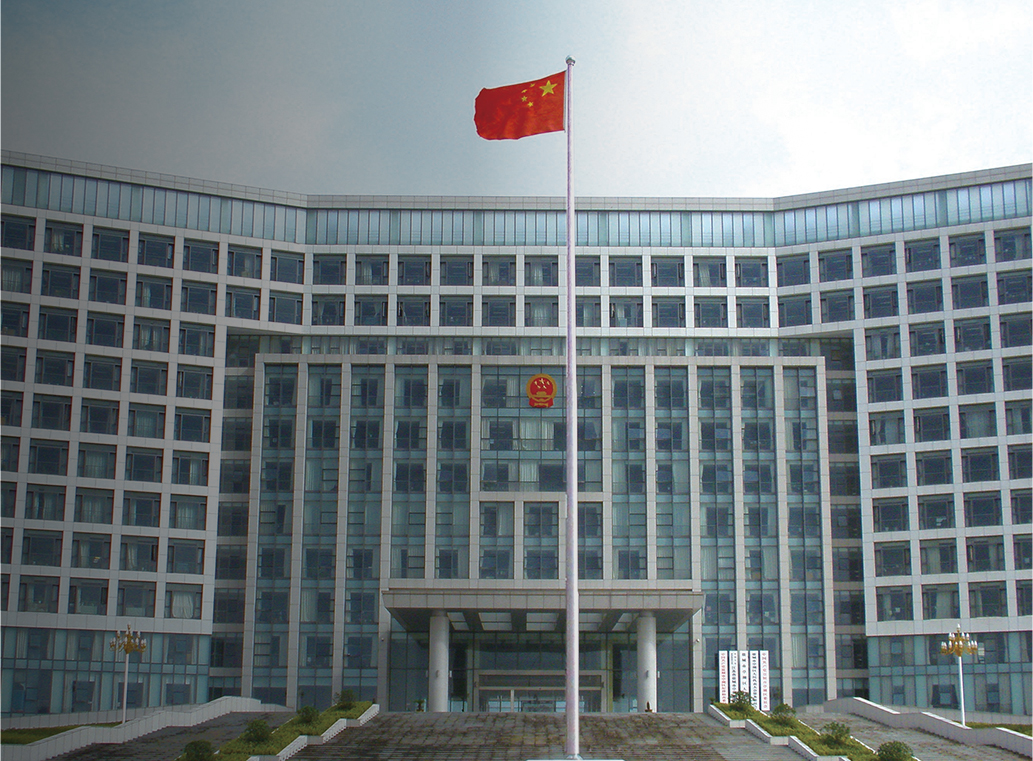
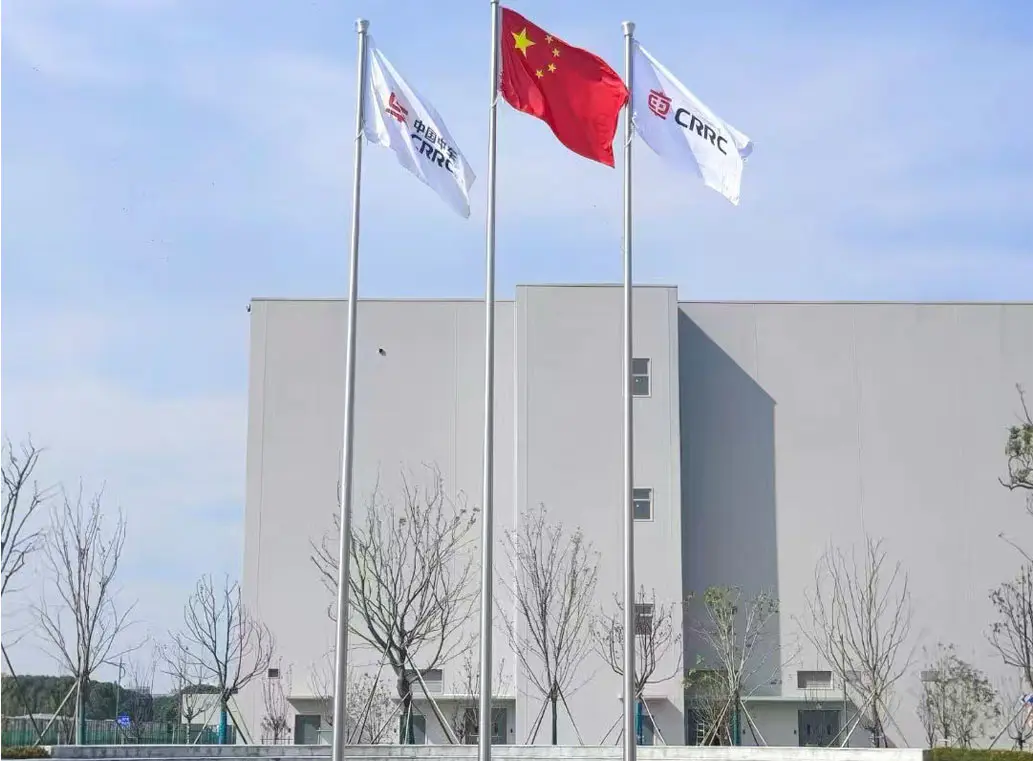
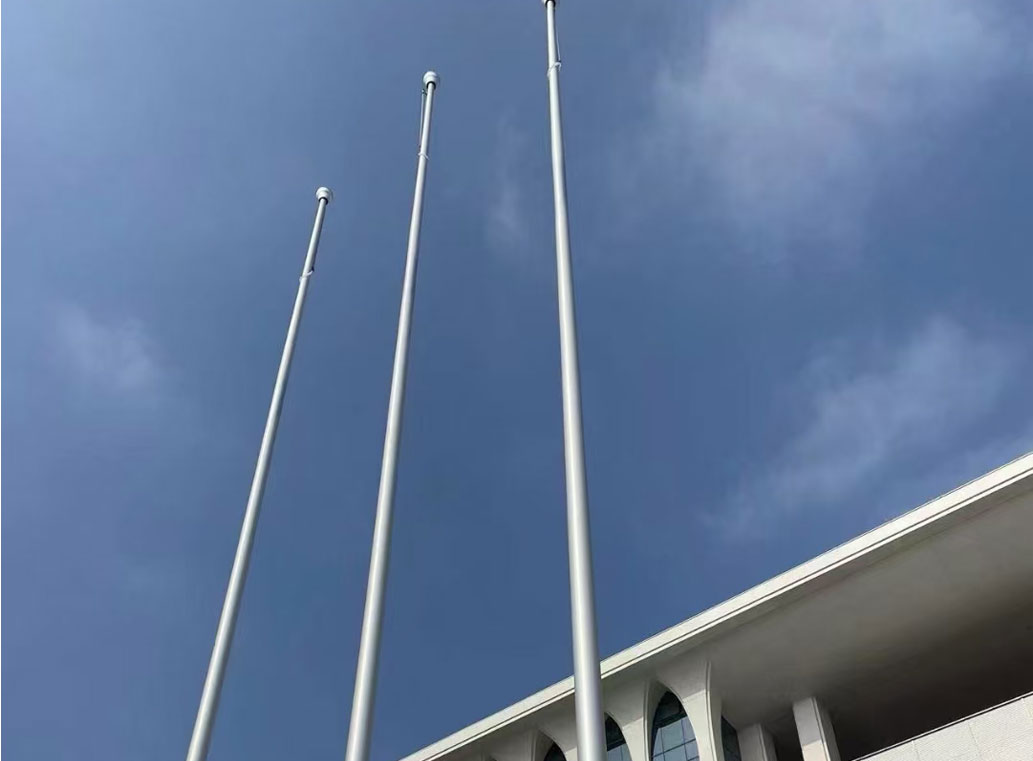
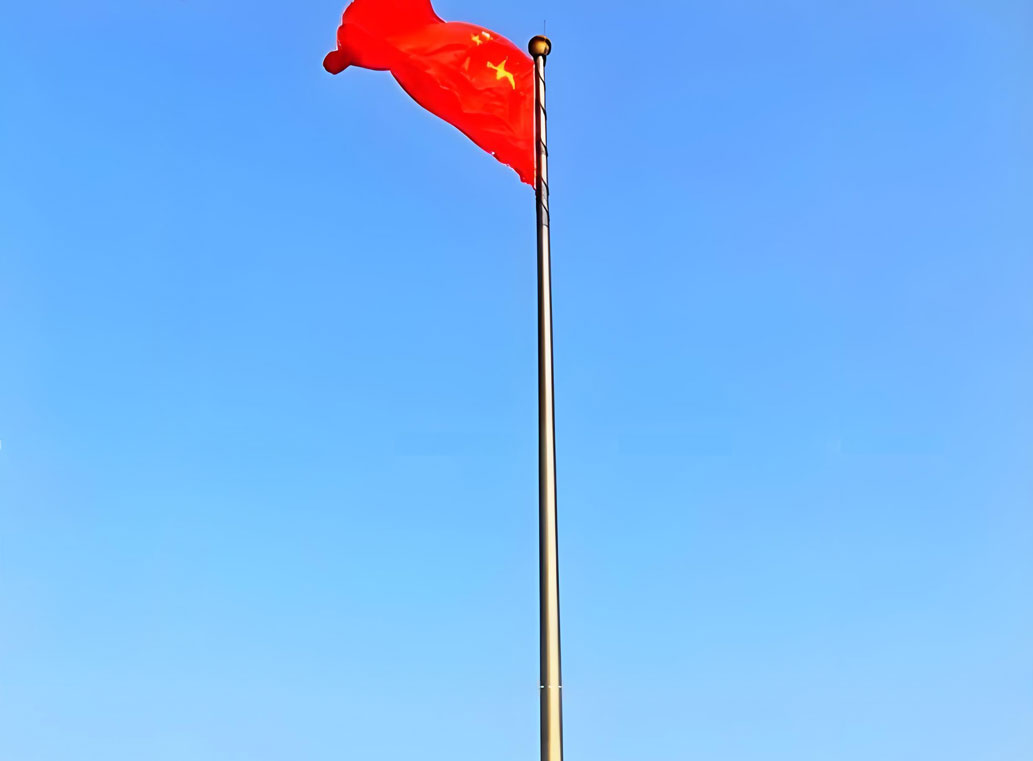
Flagpoles stand as proud symbols, gracing homes, businesses, and public spaces alike. While various materials are used in their construction, stainles......
READ MORESubmit feedback
Home / News / Industry News / How Does Aluminum Alloy Flagpole Construction Affect Durability And Aesthetic Performance?
How Does Aluminum Alloy Flagpole Construction Affect Durability And Aesthetic Performance?
The selection of a flagpole represents a commitment to architectural presentation and structural integrity. Aluminum alloy stands as the preferred material for high performance flagpoles due to its inherent resistance to environmental stressors and its exceptional strength to weight ratio. Engineering a reliable flagpole requires a deep understanding of metallurgical properties, wind load calculations, and finishing techniques that protect the metal from atmospheric corrosion. This guide examines the essential engineering considerations involved in the procurement and installation of aluminum alloy flagpoles.
What Are The Metallurgical Advantages Of Using Aluminum Alloy For Flagpoles
Aluminum alloy is favored in outdoor infrastructure because of its ability to form a protective oxide layer when exposed to the elements. Unlike steel which requires constant maintenance to prevent oxidation, aluminum alloys used in flagpole construction are specifically engineered to provide long term structural stability without the need for frequent recoating.
The Role Of Tempering And Alloy Selection
Most commercial grade flagpoles utilize specific aluminum alloys such as the 6000 series which are known for their excellent mechanical properties and weldability. The tempering process is critical in determining the yield strength of the finished tube. A T6 temper is standard in the industry because it provides the optimal balance between hardness and flexibility. This flexibility allows the flagpole to absorb kinetic energy from wind gusts without experiencing permanent deformation or structural fatigue. When the alloy is correctly tempered, the pole remains straight and rigid despite years of exposure to fluctuating temperatures and intense sunlight.
Corrosion Resistance Mechanisms In Aluminum
The intrinsic chemical composition of aluminum alloys used for flagpoles includes trace elements that enhance resistance to moisture and industrial pollutants. In coastal environments where salt spray accelerates metal degradation, these alloys demonstrate superior performance compared to traditional ferrous materials. The formation of a dense and stable oxide film on the surface acts as an electrochemical barrier that halts the progression of corrosion. This self sealing characteristic is fundamental to why aluminum flagpoles maintain their structural integrity throughout decades of service.
How Do Wind Load Engineering Standards Influence Flagpole Design
Flagpoles are subjected to complex aerodynamic forces that vary based on height, diameter, and geographic location. Designing a flagpole to withstand extreme weather events is a core component of structural safety.
Calculating The Impact Of Wind Velocity And Surface Area
Wind load calculations are based on the projected surface area of the flag and the pole itself. As wind velocity increases, the pressure exerted on the pole rises exponentially rather than linearly. Engineers must account for the flutter frequency of the flag, which can induce harmonic vibrations in the pole. If the pole is not designed with sufficient wall thickness or tapering, these vibrations can lead to metal fatigue over time. The structural design process involves evaluating the wind zones according to regional building codes to ensure that the pole diameter at the base is sufficient to resist the calculated bending moments at the ground level.
The Importance Of Tapering In Structural Stability
The conical shape of many aluminum flagpoles is not purely aesthetic. A tapered profile distributes the stress more evenly along the entire length of the pole compared to a straight cylindrical tube. By narrowing the diameter toward the top, the surface area exposed to wind is reduced where the leverage is greatest. This design efficiency allows the flagpole to be lightweight while maintaining high strength. Tapering also improves the visual perception of the pole by correcting the optical illusion of concavity that often occurs when viewing long vertical structures from the ground.
How Do Finishing Technologies Enhance The Visual Appeal Of Aluminum Flagpoles
The surface finish of an aluminum flagpole serves two purposes. It protects the base metal from environmental degradation and provides the visual finish that complements architectural surroundings.
The Application Of Anodizing For Superior Surface Hardness
Anodizing is an electrochemical process that thickens the natural oxide layer on the aluminum surface. This process creates a porous surface that can be infused with color or left in a natural clear satin finish. Anodized surfaces are extremely hard and resistant to scratching or peeling. Because the finish becomes an integral part of the metal structure rather than a layer sitting on top of it, the anodized aluminum flagpole will not chip or flake. This process provides a refined matte appearance that minimizes glare and highlights the clean lines of the pole.
Powder Coating For Color Customization And Protection
Powder coating involves the application of dry polyester or acrylic resins that are cured under heat to form a durable protective skin. This technique allows for a wide range of color choices that can match the branding or architectural color schemes of a building. Powder coated finishes are particularly effective at hiding minor surface imperfections and providing a uniform texture. The high degree of UV resistance in modern powder coatings ensures that the color remains vibrant even after years of direct sun exposure. The selection between anodizing and powder coating depends on the specific requirements for color depth and maintenance cycles.
What Engineering Elements Contribute To The Reliability Of Pulley And Cleat Systems
The hardware used to raise and lower the flag is as critical as the pole itself. The internal or external mechanisms must be designed for smooth operation and long term resistance to mechanical wear.
Internal Versus External Halyard Configurations
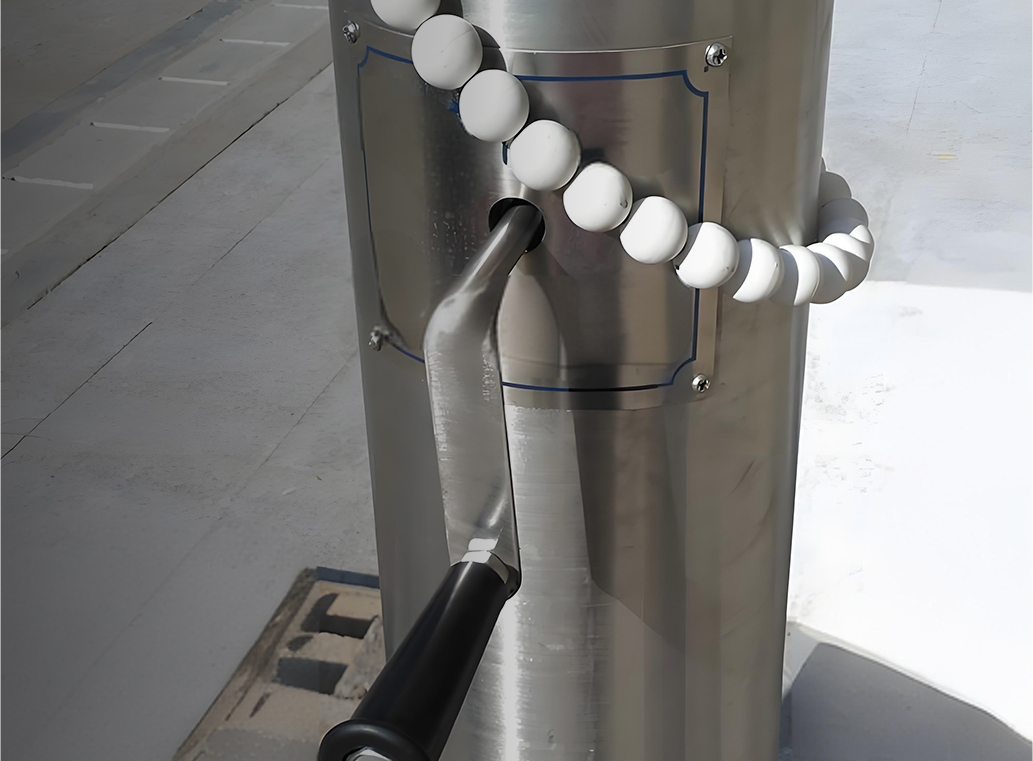
External halyard systems are traditional and simple, using an exposed rope and a cleat at the base of the pole. While easy to maintain, they are subject to wind noise and unauthorized tampering. Internal halyard systems utilize a winch and a cable assembly housed inside the pole. This configuration is aesthetically cleaner and significantly improves security. The engineering of the winch system must prioritize mechanical advantage to ensure that a single person can raise a large flag with minimal physical effort.
Selecting Hardware For Environmental Resilience
The pulley wheels at the top of the flagpole must be manufactured from materials that do not seize or rust. Stainless steel components are typically paired with aluminum poles to prevent galvanic corrosion where two different metals come into contact. The use of nylon or stainless steel ball bearings in the truck assembly ensures that the flag rotates freely with the wind direction, which reduces the tangling of the halyard and lowers the amount of friction applied to the pole surface. Every component within the assembly is tested for high cycle operation to ensure that the flagpole remains functional for the life of the installation.
Proper installation of an aluminum alloy flagpole relies on the foundation design and the accuracy of the plumbing process. A secure ground sleeve or a hinged base plate provides the necessary anchorage to resist rotational forces. When the installation adheres to structural engineering standards, the result is a stable and prominent feature that enhances the environment. Through the combination of high strength alloy, precise tapering, and robust surface finishes, aluminum flagpoles remain the standard for durability in diverse geographic locations. The interaction between mechanical design and environmental exposure remains the core focus for those seeking long lasting performance in architectural display hardware.
Previous Post
How can I determine the height of a flagpole?
Next Post
Why is an Aluminum Alloy Flagpole the Preferred Standard for Contemporary Public and Commercial Landscapes?
News
-
-
1. Understanding the Importance of Regular Maintenance for Aluminum Alloy Flagpoles Regular maintenance of your aluminum alloy flagpole is essential ......
READ MORE -
Unique advantages of aluminum alloy: Why it is the preferred material for flagpoles In today's society, flagpoles are not only a tool for displaying f......
READ MORE -
What is the aluminum alloy electric intelligent lifting conical flagpole? The aluminum alloy electric intelligent lifting conical flagpole is a high-e......
READ MORE

Copyright Jiangsu Shengqi Weiye Intelligent Technology Co., Ltd. All Rights Reserved.
 Custom Commercial Flagpoles Suppliers