
 English
 русский
 عربى
عربى
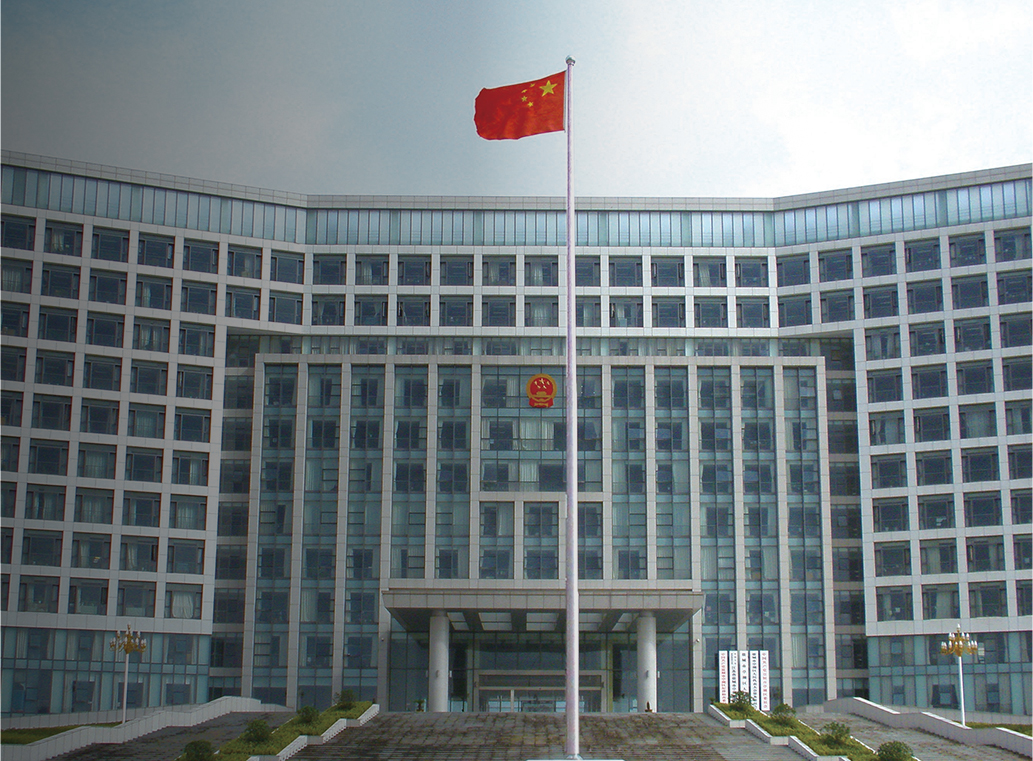
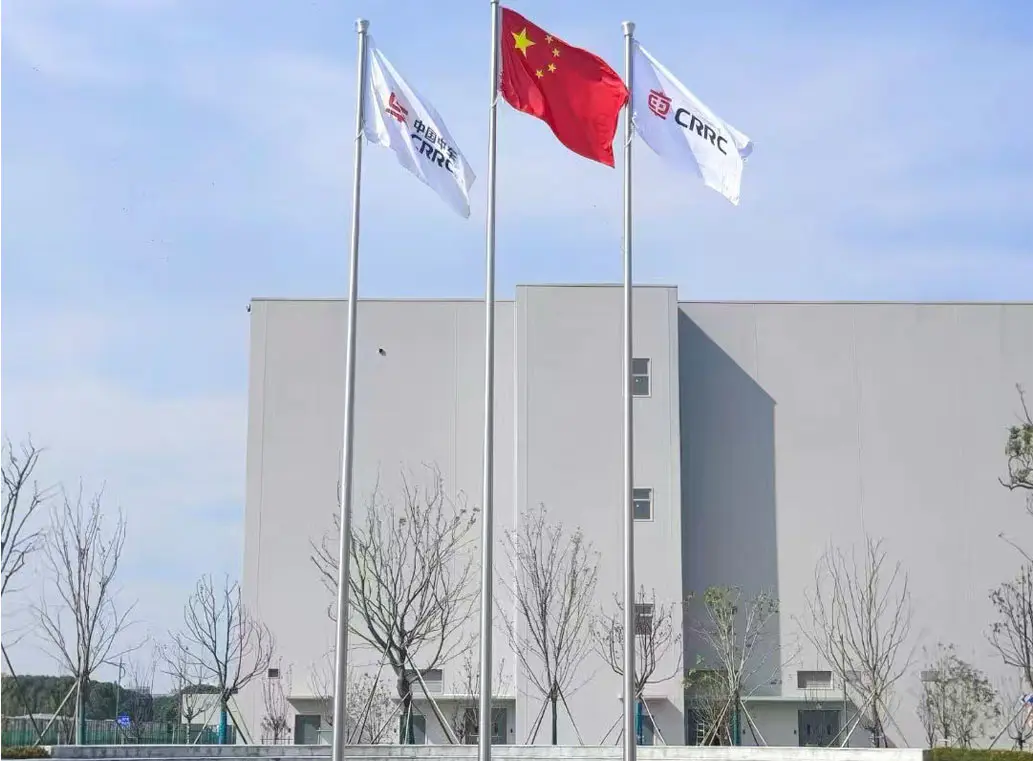
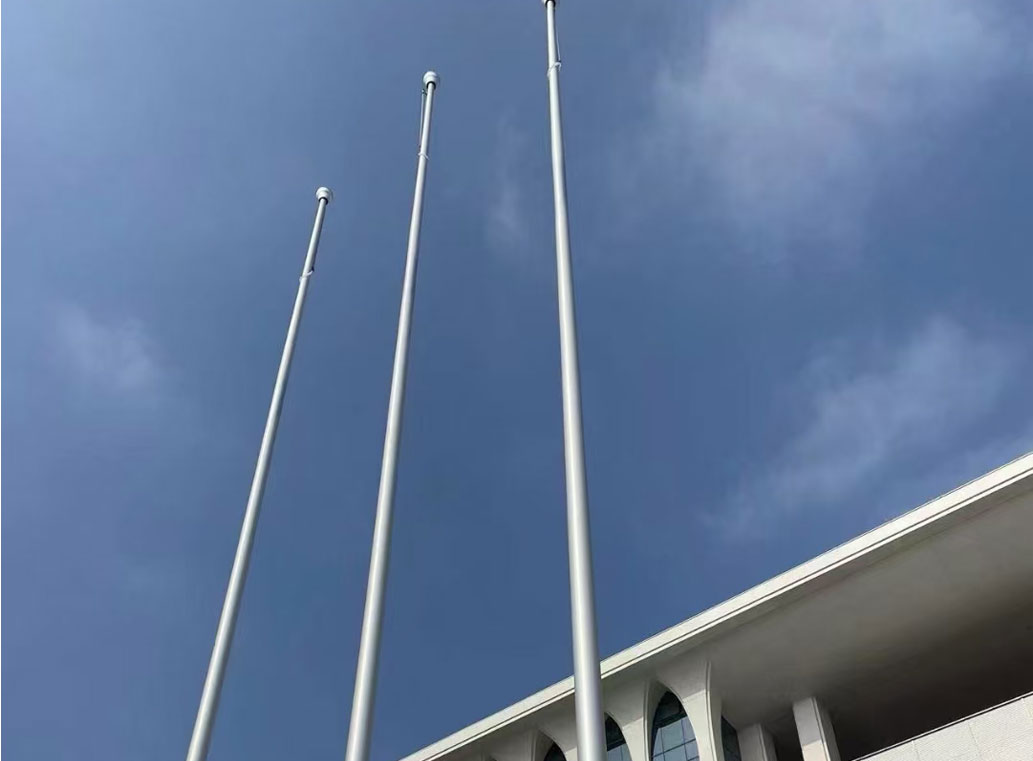
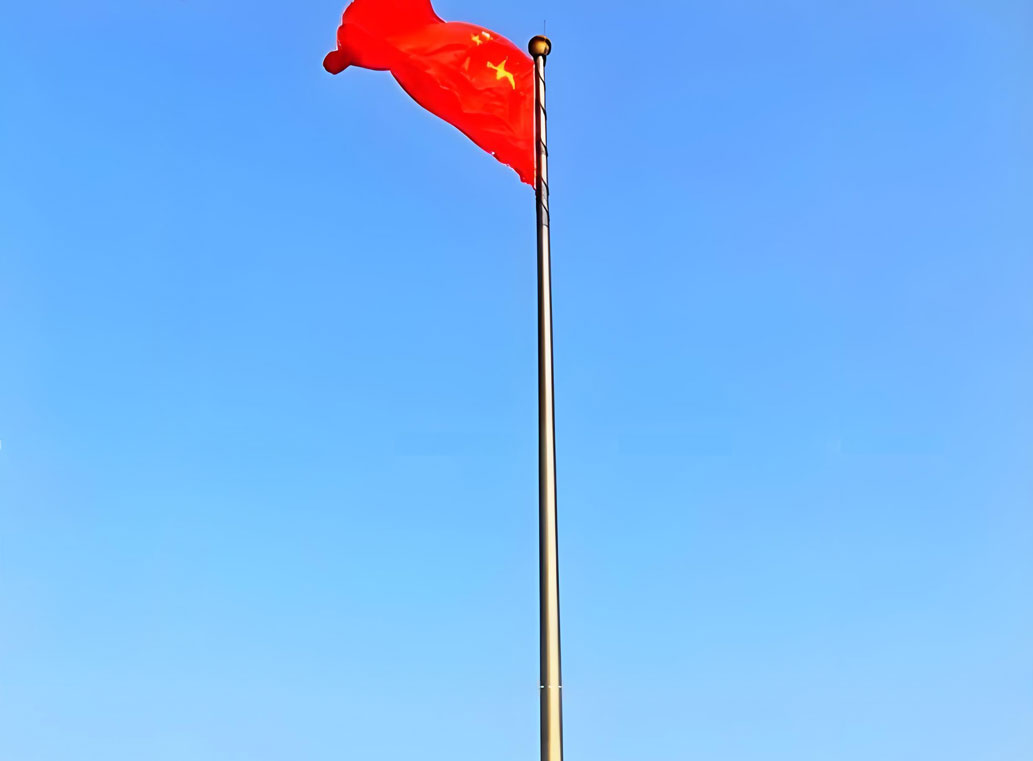
Flagpoles stand as proud symbols, gracing homes, businesses, and public spaces alike. While various materials are used in their construction, stainles......
READ MORESubmit feedback
Home / News / Industry News / Why is an Aluminum Alloy Flagpole the Preferred Standard for Contemporary Public and Commercial Landscapes?
Why is an Aluminum Alloy Flagpole the Preferred Standard for Contemporary Public and Commercial Landscapes?
The integration of a flagpole into a modern architectural landscape involves a complex balance between aesthetic elegance and rigorous structural engineering. While various materials have been utilized throughout history for this purpose, the aluminum alloy flagpole has emerged as the definitive industry standard for architects, municipal planners, and commercial developers. This preference is not merely a matter of tradition but is rooted in the specific physical and chemical properties of aluminum alloys that provide a superior strength to weight ratio compared to steel or timber. An aluminum alloy flagpole offers a versatile solution that can withstand extreme weather conditions while maintaining a pristine appearance for decades with minimal intervention. This guide will provide an exhaustive analysis of the material science, manufacturing techniques, and operational benefits that define the high performance nature of aluminum flagpoles in the modern era.
The decision to specify an aluminum alloy flagpole is often motivated by the need for a structure that is both lightweight and exceptionally durable. Unlike traditional materials that may suffer from rust, rot, or insect infestation, aluminum possesses an inherent resistance to environmental degradation. This resistance is further enhanced through specialized surface treatments such as anodization, which creates a protective layer that is integrated into the metal itself. As urban environments become more demanding and architectural designs more sophisticated, the role of the aluminum alloy flagpole continues to expand, serving as a reliable and cost effective vessel for national symbols, corporate identity, and decorative banners in a wide range of geographical settings.
Metallurgical Properties and Material Advantages of Aluminum Alloy Systems
To appreciate why an aluminum alloy flagpole is so highly regarded, it is necessary to examine the specific alloys used in its construction. Most professional grade flagpoles are manufactured from 6063 T6 aluminum alloy. This specific grade is part of the magnesium and silicon alloy group, which is known for its excellent responsiveness to heat treatment and its ability to produce a high quality surface finish. The T6 designation indicates that the aluminum has been solution heat treated and then artificially aged to achieve a high state of mechanical strength.
Superior Strength to Weight Ratio for Structural Integrity
One of the most significant advantages of an aluminum alloy flagpole is its remarkable strength to weight ratio. Aluminum is approximately one third the weight of steel, which provides several logistical and structural benefits. From an installation perspective, a lightweight pole requires less heavy machinery and fewer laborers, significantly reducing the initial cost of deployment. Structurally, the lower mass of the aluminum alloy flagpole means that it exerts less gravitational load on rooftops or wall mounts, making it an ideal choice for urban installations where ground space is limited.
Despite its low weight, the 6063 T6 alloy provides a tensile strength that is more than sufficient to handle the dynamic loads imposed by high winds and the weight of large flags. The inherent flexibility of aluminum allows the flagpole to bend slightly under pressure, dissipating wind energy and reducing the stress on the foundation. This elastic behavior is a critical safety feature that prevents the pole from snapping or undergoing permanent deformation during severe storms. The combination of lightness and strength ensures that an aluminum alloy flagpole can reach heights of up to eighty feet or more while maintaining a slim and elegant profile.
Natural Corrosion Resistance and the Protective Oxide Layer
The chemical stability of an aluminum alloy flagpole is perhaps its most valuable attribute. When aluminum is exposed to the atmosphere, it naturally reacts with oxygen to form a thin and tenacious layer of aluminum oxide on its surface. This layer is chemically inert and prevents further oxygen from reaching the underlying metal, effectively stopping the corrosion process. This natural defense mechanism is particularly important in coastal regions where salt spray can rapidly degrade steel structures through oxidation and pitting.
In addition to its natural oxide layer, aluminum does not contain iron, which means it is completely immune to the formation of red rust. This makes the aluminum alloy flagpole an exceptionally low maintenance option for environments with high humidity or frequent rainfall. While other materials may require periodic repainting or the application of protective oils, a high quality aluminum pole can remain exposed to the elements for decades without losing its structural integrity. This longevity ensures that the total cost of ownership remains low, as the need for repairs and replacements is virtually eliminated over the lifecycle of the structure.
Manufacturing Engineering and Conical Tapering Techniques
The production of an aluminum alloy flagpole is a precise engineering process that transforms a standard extruded tube into a sophisticated tapered structure. The visual and functional success of the pole depends on the uniformity of this taper and the smoothness of the surface finish. Manufacturers utilize advanced machinery to ensure that the wall thickness remains consistent throughout the length of the pole, providing predictable mechanical performance under load.
The Spinning and Cold Forming Process for Seamless Construction
The most common method for creating the conical shape of an aluminum alloy flagpole is a process known as spinning or cold forming. This involves taking a heavy walled extruded aluminum tube and placing it on a specialized mandrel. As the tube rotates at high speed, a series of rollers or forming tools apply pressure to the exterior, gradually stretching and thinning the metal to create a smooth taper from the base to the top. This cold working process has the added benefit of increasing the hardness and strength of the aluminum through a phenomenon called work hardening.
Seamless construction is a hallmark of a premium aluminum alloy flagpole. Because the pole is formed from a single continuous extrusion, there are no longitudinal welds or joints that could act as points of failure. A seamless pole provides superior aesthetic continuity and ensures that the structural properties are uniform across the entire circumference. This is particularly important for managing the torsional stresses that occur when a flag is caught in a crosswind. By eliminating the structural weaknesses associated with welding, manufacturers can produce flagpoles that are safer and more visually appealing for high profile installations.
Precision Wall Thickness and Stress Distribution
The engineering of an aluminum alloy flagpole must account for the fact that the forces acting on the pole are not uniform. The base of the pole experiences the highest leverage and bending moments, while the top of the pole is subjected to the direct drag forces of the flag. To optimize material usage and maximize strength, manufacturers often design flagpoles with a tapered wall thickness. This means the aluminum is thicker at the bottom where the stresses are greatest and gradually becomes thinner toward the top.
This graduated design ensures that the aluminum alloy flagpole has a consistent level of safety throughout its height. Achieving this precision requires computer controlled machinery that can monitor and adjust the forming pressure in real time. The resulting structure is a masterpiece of efficiency, providing the necessary rigidity at the ground level while remaining light and flexible at the summit. This distribution of mass and strength allows for the creation of taller poles that can support multiple flags or heavier fabric materials without compromising the stability of the entire system.
Anodization and Surface Protection Technologies
The appearance of an aluminum alloy flagpole is a defining characteristic of its contribution to the surrounding architecture. To protect this appearance and enhance the durability of the metal, manufacturers utilize various surface finishing techniques. Anodization is the most popular and effective of these treatments, providing a finish that is both beautiful and incredibly resilient.
The Electrochemical Process of Anodization
Anodization is an electrochemical process that thickens the natural oxide layer on the surface of the aluminum alloy flagpole. The pole is submerged in an acid electrolyte bath and an electric current is passed through it. This causes oxygen ions to be released from the electrolyte and combine with the aluminum atoms at the surface, creating a hard and porous layer of aluminum oxide. Unlike paint or powder coating, which sits on top of the metal, the anodized layer is an integral part of the aluminum structure.
The porous nature of the freshly anodized layer allows for the introduction of metallic dyes, which can be used to create a variety of colors including bronze, black, and gold. Once the coloring process is complete, the surface is sealed in a boiling water or chemical bath, which closes the pores and traps the color inside. The result is a finish that will not chip, peel, or flake, even under the constant assault of ultraviolet radiation and airborne pollutants. An anodized aluminum alloy flagpole maintains its color and luster for many years, providing a consistent professional look for corporate headquarters and government buildings.
Powder Coating and Specialized Paint Finishes
While anodization is the industry standard, some projects require specific colors that can only be achieved through powder coating or high performance painting. Powder coating involves applying a dry plastic powder to the aluminum alloy flagpole using an electrostatic charge. The pole is then placed in an oven where the powder melts and cures into a smooth and durable film. Modern powder coatings are highly resistant to impact and chemicals, providing an excellent alternative for brands that require exact color matching for their corporate identity.
For environments where maximum protection is required, such as industrial zones with high levels of corrosive emissions, specialized fluoropolymer paints like Kynar may be used. These coatings offer exceptional resistance to chalking and fading, ensuring that the aluminum alloy flagpole remains vibrant and clean. Regardless of the chosen finish, the primary goal is to create a barrier that prevents environmental contaminants from reaching the metal surface. By combining the natural properties of aluminum with these advanced coating technologies, manufacturers ensure that their flagpoles can survive in the harshest conditions while remaining a focal point of aesthetic excellence.
Structural Design for Wind Resistance and Mechanical Stability
A flagpole is effectively a vertical cantilever beam that must withstand the immense forces generated by moving air. The structural design of an aluminum alloy flagpole is governed by complex physics, including the principles of aerodynamics and mechanical resonance. Engineers must ensure that the pole can handle both the static load of its own weight and the dynamic load of a flag flying in a gale.
Calculating Wind Loads and Flag Drag Factors
The most critical factor in the design of an aluminum alloy flagpole is its wind speed rating. This rating is determined by calculating the surface area of the flag and the height of the pole. A flag acts as a large sail, and as the wind speed increases, the force it exerts on the pole increases exponentially. Engineers use the formula for drag to estimate these forces, taking into account the density of the air and the drag coefficient of the fabric.
An aluminum alloy flagpole must be designed to withstand the maximum expected wind speeds in its specific geographical location. For example, a pole installed in a hurricane prone coastal area must have a much higher wind rating than one installed in a sheltered inland valley. Manufacturers provide detailed charts that specify the maximum flag size allowed for a given pole at various wind speeds. Exceeding these recommendations can lead to structural failure, which highlights the importance of professional engineering and careful site selection.
[Image description: A diagram showing the aerodynamic flow around a tapered aluminum flagpole and the resulting stress points at the base]
Managing Vortex Shedding and Harmonic Vibration
Another phenomenon that engineers must consider is vortex shedding. As wind flows around a circular aluminum alloy flagpole, it creates alternating low pressure areas on either side of the pole. These vortices can cause the pole to vibrate or oscillate at a specific frequency. If this frequency matches the natural resonant frequency of the flagpole, the oscillations can become increasingly violent, a condition known as harmonic resonance.
To prevent this, an aluminum alloy flagpole is designed with a specific taper and wall thickness that disrupts the formation of synchronized vortices. The conical shape ensures that the vortices are shed at different frequencies along the length of the pole, preventing the buildup of rhythmic energy. In some cases, internal dampening mechanisms or weights are used to further absorb vibration and ensure that the pole remains quiet and stable even in high winds. This attention to the invisible forces of nature is what ensures the long term reliability of a high quality aluminum installation.
Internal and External Halyard Mechanics for Reliable Operation
The halyard system is the functional heart of an aluminum alloy flagpole, allowing the flag to be raised, lowered, and secured. There are two primary configurations for these systems, each offering different advantages in terms of security, aesthetics, and ease of maintenance.
Internal Halyard Systems for Maximum Security
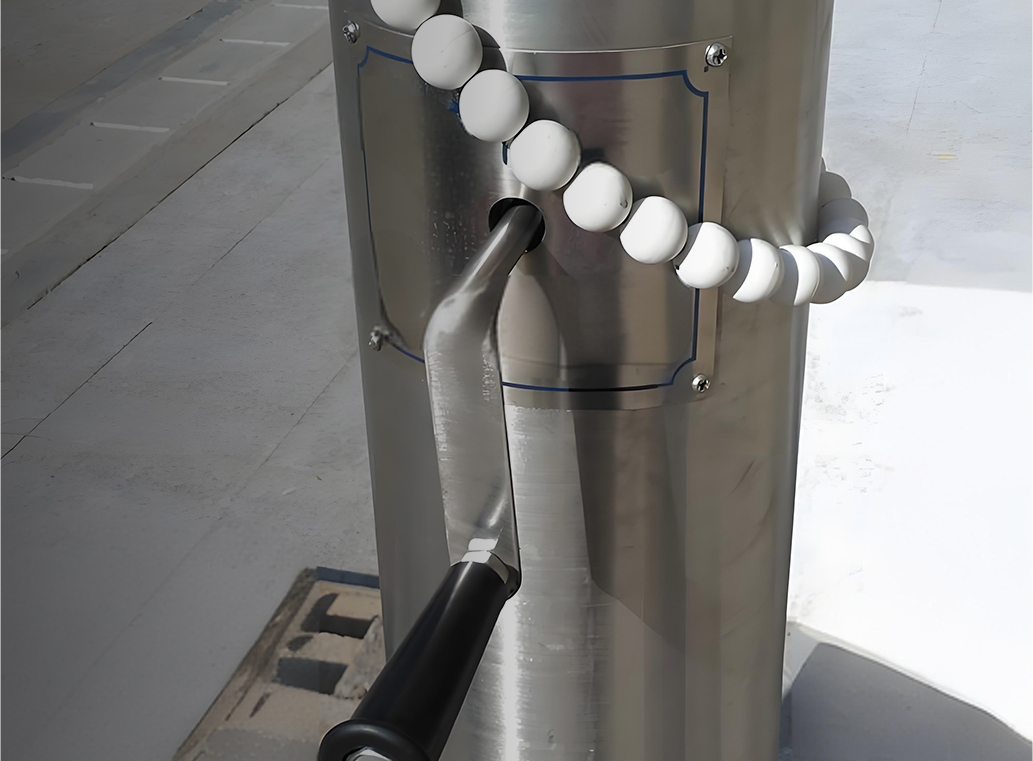
In high end commercial and government installations, the internal halyard system is often the preferred choice. This design places the rope or cable inside the aluminum alloy flagpole, where it is protected from the weather and from unauthorized tampering. The halyard is accessed through a lockable door at the base of the pole, and a manual winch or a cam action cleat is used to control the movement of the flag.
The primary advantage of an internal system is its clean and uncluttered appearance. With no ropes or clips visible on the outside, the sleek lines of the aluminum alloy flagpole are preserved. Furthermore, internal systems are significantly quieter. In an external system, the metal clips can often bang against the aluminum pole in the wind, creating a constant metallic ringing sound. By keeping everything inside, this noise is eliminated, making internal halyards ideal for locations near residential areas or quiet office environments.
External Halyard Systems and Practical Maintenance
The external halyard system is the more traditional and cost effective option for an aluminum alloy flagpole. It utilizes a rope that runs on the outside of the pole, passing through a pulley at the top and secured to a cleat at the bottom. This system is valued for its simplicity and the ease with which the rope can be replaced or repaired. Because all components are accessible from the exterior, maintenance can often be performed without the need for specialized tools or technicians.
To address the issue of noise in external systems, many operators use rubber coated snaps or counterweights that keep the rope tight against the aluminum alloy flagpole. High quality external systems also feature heavy duty pulleys with stainless steel bearings that ensure smooth operation for years. While they may not offer the same level of security as internal designs, external halyards remain a reliable and functional choice for many school, residential, and small business applications.
Foundation Engineering and Secure Installation Methodologies
The longevity of an aluminum alloy flagpole is entirely dependent on the quality of its foundation. Because the pole acts as a long lever, even a moderate wind can exert thousands of pounds of force at the base. A properly engineered foundation ensures that these forces are safely transferred into the ground without causing the pole to lean or collapse.
In Ground Sleeves and Permanent Foundations
The most common installation method for a permanent aluminum alloy flagpole is the in ground sleeve. This involves digging a hole that is typically four to five times the diameter of the pole and filling it with high strength concrete. A corrugated steel or PVC sleeve is placed in the center of the concrete, and the flagpole is inserted into this sleeve. The space between the pole and the sleeve is then filled with dry sand or a specialized sealant.
This design allows for the aluminum alloy flagpole to be removed if necessary for maintenance or site redevelopment while providing a rock solid base during its operation. The depth of the foundation is determined by the height of the pole and the local soil conditions. In areas with soft or sandy soil, the foundation must be deeper and wider to prevent shifting. A flash collar is usually installed at the ground level to hide the top of the sleeve and provide a finished architectural look.
Base Plate Mounts and Tilting Mechanisms
For installations on rooftops or concrete pads where digging is not possible, a base plate mount is used. A heavy aluminum or steel plate is welded to the bottom of the aluminum alloy flagpole and then bolted to the structural surface using high strength anchor bolts. This method requires careful structural analysis of the building or pad to ensure that it can handle the torque generated by the wind loads on the pole.
Tilting base mechanisms are another specialized option that allows the aluminum alloy flagpole to be lowered to the ground for easy maintenance. This is particularly useful for very tall poles or for those located in areas where crane access is difficult. A heavy duty hinge at the base allows the pole to be pivoted down, enabling technicians to change the flag or inspect the hardware without ever leaving the ground. The use of aluminum for these systems is essential, as its lightweight nature makes the tilting process safer and more manageable for the operators.
Comparative Analysis with Alternative Flagpole Materials
To understand the value proposition of the aluminum alloy flagpole, it is helpful to compare its performance characteristics with other materials used in the industry such as steel, fiberglass, and wood. Each material has its strengths, but aluminum provides the most balanced set of attributes for the majority of professional applications.
|
Attribute |
Aluminum Alloy Flagpole |
Stainless Steel Flagpole |
Fiberglass Flagpole |
Timber Flagpole |
|---|---|---|---|---|
|
Durability |
High, no rust or rot |
Exceptional, very high strength |
High, but UV sensitive |
Moderate, prone to rot |
|
Weight |
Light, easy to install |
Heavy, requires machinery |
Very light, easy to move |
Moderate to heavy |
|
Maintenance |
Very low, minimal care |
Very low, self cleaning |
Low, requires UV wax |
High, requires painting |
|
Aesthetics |
Modern, sleek finish |
Premium, mirror or satin |
Functional, gel coat |
Traditional, natural look |
|
Cost |
Cost effective, long life |
High initial investment |
Low to moderate |
Variable, high maintenance |
As the table indicates, the aluminum alloy flagpole offers a superior combination of longevity and ease of use. While stainless steel is stronger, its high cost and weight often make it overkill for standard commercial projects. Fiberglass is a good budget option but can become brittle over time when exposed to intense sunlight. Wood flagpoles provide a classic aesthetic but require constant maintenance to prevent decay and structural failure. Aluminum sits at the intersection of performance and value, making it the logical choice for modern construction.
Maintenance Protocols for Long Term Aesthetic Integrity
One of the primary reasons for choosing an aluminum alloy flagpole is the minimal maintenance required. However, a small amount of periodic care will ensure that the pole remains in top condition and continues to function safely for decades. These tasks are simple and can be integrated into the general facility management schedule.
Surface Cleaning and Finish Restoration
In most environments, the natural action of rainwater is enough to keep an aluminum alloy flagpole clean. However, in urban areas with high pollution or in coastal areas with salt spray, the surface can develop a layer of grime that can dull the finish. A simple wash with a soft cloth and a mild detergent will remove these deposits and restore the original luster of the anodized or painted surface. It is important to avoid using abrasive cleaners or steel wool, as these can scratch the protective coating and expose the raw aluminum.
If an aluminum alloy flagpole with a satin finish develops minor surface scratches, these can often be buffed out using a specialized abrasive pad. This ability to easily maintain the surface is a major advantage of aluminum over painted materials, where a scratch would require a full repainting of the affected area. By keeping the surface clean, facility managers ensure that the protective oxide layer remains intact and that the pole continues to serve as an attractive architectural asset.
Hardware Inspection and Halyard Replacement
The mechanical components of the aluminum alloy flagpole should be inspected at least once a year. This includes checking the halyard for signs of fraying or wear, especially at the points where it passes through the pulleys or attaches to the snaps. A worn rope is a safety hazard and can lead to a lost flag or a jammed system. Many operators choose to replace the halyard every two to three years as a preventative measure, ensuring that the flag can always be raised and lowered without issue.
The pulley at the top of the pole, also known as the truck, should also be checked to ensure that it rotates freely. A drop of silicone based lubricant can be applied to the bearings to ensure smooth and silent operation. Finally, the anchor bolts or foundation sealants should be inspected for any signs of movement or cracking. By performing these simple checks, the owner of an aluminum alloy flagpole can prevent minor issues from turning into expensive repairs, ensuring that the symbols of their organization fly high and proud on a structure that is built to last for generations.
Previous Post
How Does Aluminum Alloy Flagpole Construction Affect Durability And Aesthetic Performance?
Next Post
Why is a Stainless Steel Flagpole the Most Durable Choice for Modern Architectural Installations?
News
-
-
1. Understanding the Importance of Regular Maintenance for Aluminum Alloy Flagpoles Regular maintenance of your aluminum alloy flagpole is essential ......
READ MORE -
Unique advantages of aluminum alloy: Why it is the preferred material for flagpoles In today's society, flagpoles are not only a tool for displaying f......
READ MORE -
What is the aluminum alloy electric intelligent lifting conical flagpole? The aluminum alloy electric intelligent lifting conical flagpole is a high-e......
READ MORE

Copyright Jiangsu Shengqi Weiye Intelligent Technology Co., Ltd. All Rights Reserved.
 Custom Commercial Flagpoles Suppliers