
 English
 русский
 عربى
عربى
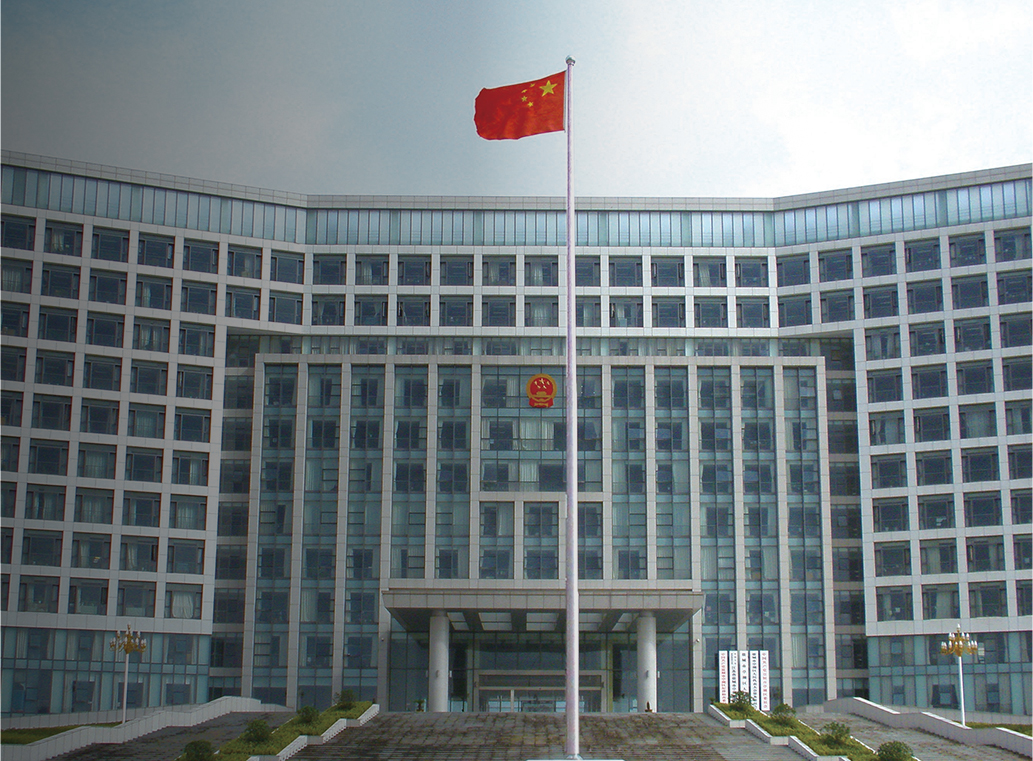
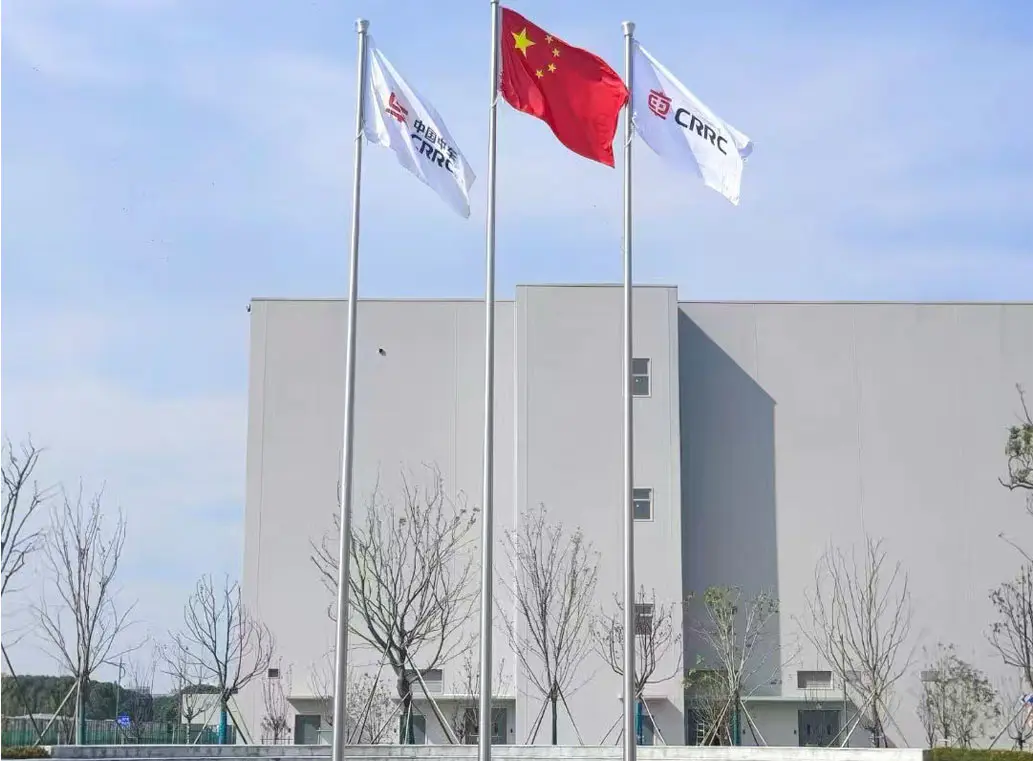
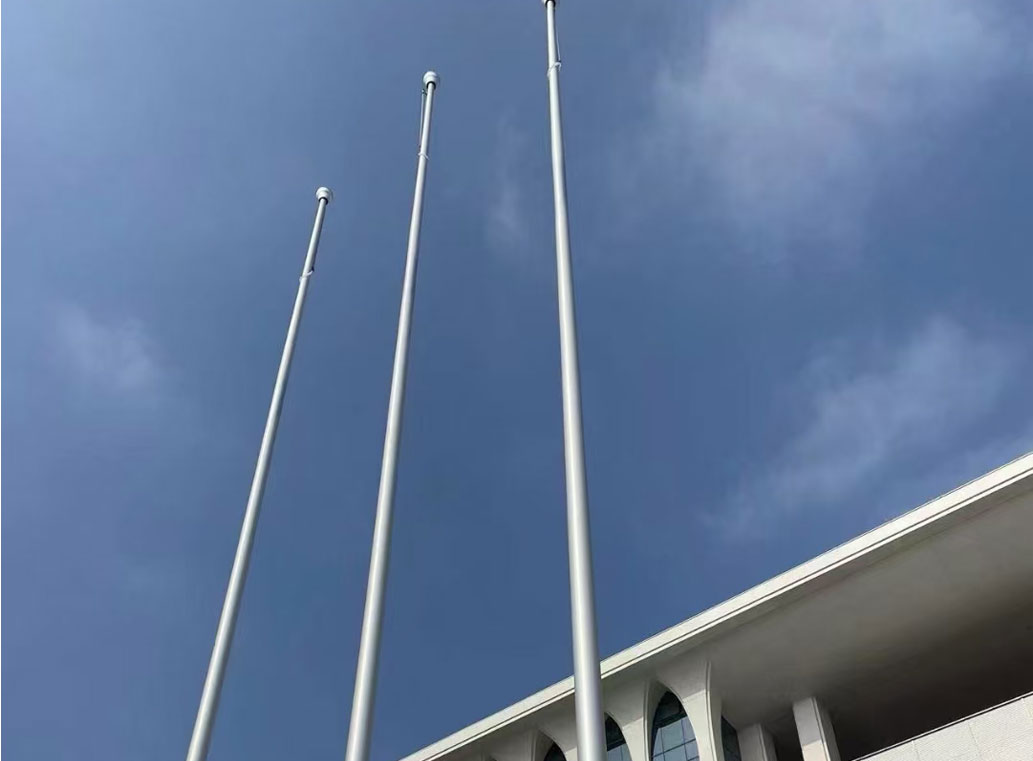
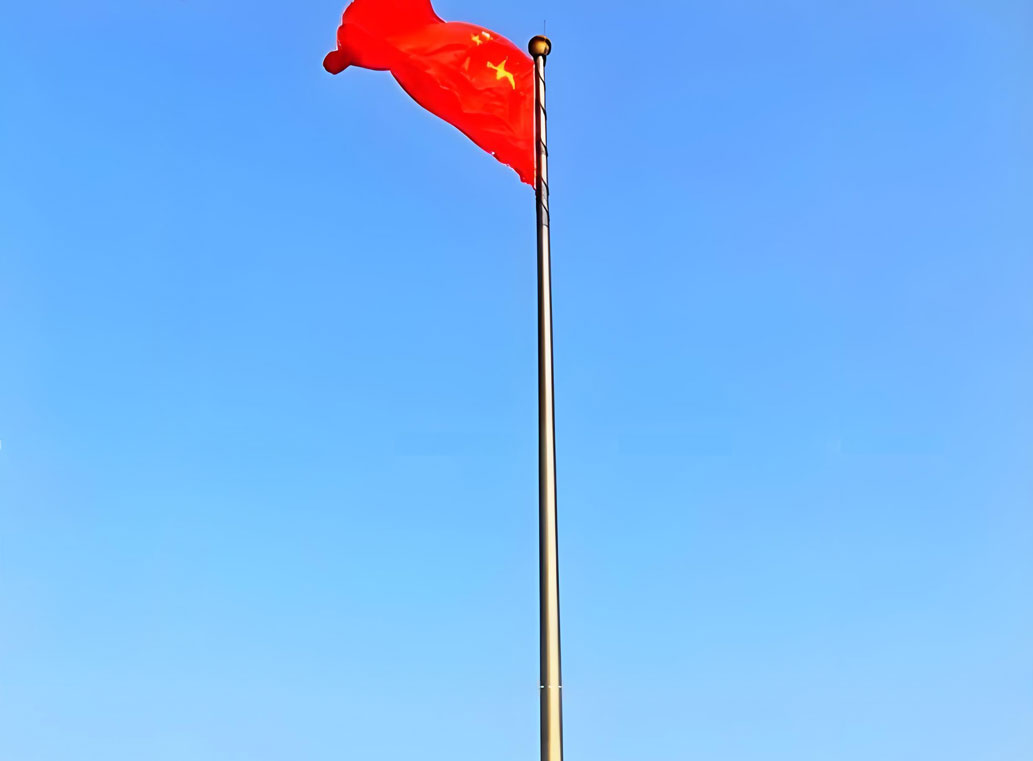
Flagpoles stand as proud symbols, gracing homes, businesses, and public spaces alike. While various materials are used in their construction, stainles......
READ MORESubmit feedback
Home / News / Industry News / Why is a Stainless Steel Flagpole the Most Durable Choice for Modern Architectural Installations?
Why is a Stainless Steel Flagpole the Most Durable Choice for Modern Architectural Installations?
The selection of a flagpole for a high profile architectural project involves much more than simply choosing a vertical pole to hold a piece of fabric. It requires a deep understanding of material science, structural engineering, and environmental resistance. Among the various materials available in the modern market, the stainless steel flagpole stands out as the premier option for designers and facility managers who prioritize longevity and aesthetic permanence. Unlike other materials that may degrade under the constant assault of ultraviolet radiation or corrosive atmospheric elements, stainless steel offers a unique combination of high tensile strength and inherent resistance to oxidation. This makes it the ideal vessel for displaying national symbols or corporate branding in environments ranging from harsh coastal regions to dense urban centers.
The decision to utilize a stainless steel flagpole is often driven by the need for a structure that requires minimal maintenance over its entire lifecycle. While initial costs might be higher than those associated with aluminum or fiberglass alternatives, the total cost of ownership is significantly lower because stainless steel does not require frequent repainting or surface treatments to maintain its integrity. The material possesses a natural ability to form a self healing passive layer of chromium oxide, which acts as a barrier against moisture and chemical pollutants. This guide will explore the technical specifications, manufacturing intricacies, and operational advantages that define the high performance nature of these essential architectural components.
Material Science and Chemical Composition of High Grade Stainless Steel Flagpole Systems
To understand why a stainless steel flagpole performs so well in various climates, one must examine the metallurgical properties of the alloys used in its construction. Most professional grade flagpoles are manufactured using either grade 304 or grade 316 stainless steel. These alloys are part of the austenitic family, which is known for its excellent formability and resistance to corrosion. The specific chemical makeup of these metals is what allows them to withstand the mechanical stresses of wind loads while remaining visually pristine for decades.
Corrosion Resistance and the Passive Layer Mechanism
The primary advantage of a stainless steel flagpole is its ability to resist rust and pitting even in the presence of chlorides or acidic rain. This is achieved through the inclusion of chromium in the alloy, which must be present in a concentration of at least ten point five percent. When the surface of the steel is exposed to oxygen, the chromium reacts to form an invisible and extremely thin layer of chromium oxide. This layer is remarkably stable and prevents oxygen from reaching the underlying iron, thereby stopping the oxidation process in its tracks.
In environments that are particularly aggressive, such as beachfront properties or industrial zones with high sulfur emissions, manufacturers recommend the use of grade 316 stainless steel. This grade contains an additional element known as molybdenum, which specifically enhances the resistance of the metal to pitting and crevice corrosion. By selecting the correct alloy based on the geographical location of the installation, a stainless steel flagpole can maintain its structural integrity without the need for protective coatings that might peel or flake over time.
Tensile Strength and Ductility in Large Scale Structures
A stainless steel flagpole must be able to flex under the pressure of high winds without undergoing permanent deformation. The tensile strength of stainless steel is significantly higher than that of aluminum, allowing for the construction of taller and slimmer poles that can support larger flags. This strength is vital because the flag itself acts as a sail, capturing the energy of the wind and transferring that force directly to the pole and its foundation.
Ductility is another critical factor in the material selection process. Stainless steel can absorb a significant amount of energy before it reaches its breaking point, which is a safety feature in areas prone to sudden gusts or seismic activity. This property ensures that the flagpole will bend slightly to dissipate wind energy rather than snapping or collapsing. The combination of high strength and flexibility allows engineers to design flagpoles that meet strict building codes while maintaining a sleek and elegant profile that complements modern building designs.
Manufacturing Precision and Conical Tapering Techniques
The visual appeal of a stainless steel flagpole is largely determined by the precision of its manufacturing process. Unlike standard pipes or tubes, a high quality flagpole features a smooth, continuous taper from the base to the top. This conical shape is not just for aesthetics; it also serves a functional purpose by distributing the mechanical stresses more evenly along the length of the pole. Achieving this taper in stainless steel requires advanced machinery and a high level of technical expertise.
Cold Forming and Seamless Construction Standards
The process of creating a stainless steel flagpole often begins with a flat sheet or a large diameter tube. In the case of high end installations, manufacturers utilize cold forming techniques to shape the metal into a tapered cone. This method involves rotating the material while applying pressure with specialized rollers, which gradually reduces the diameter of the pole toward the top. Cold forming has the added benefit of work hardening the steel, which further increases its strength without the need for additional heat treatments.
One of the most important aspects of the manufacturing process is the quality of the longitudinal weld. A stainless steel flagpole should appear as a single, seamless unit. Professional manufacturers use automated plasma or laser welding systems to join the edges of the tapered sheet. These systems provide a deep and consistent weld that is as strong as the parent metal. Once the welding is complete, the seam is ground smooth and polished until it is completely invisible to the naked eye. This level of craftsmanship ensures that the flagpole is not only beautiful but also free from structural weak points where corrosion could potentially start.
Surface Finishing and Polishing Options
The finish of a stainless steel flagpole is a defining characteristic of its architectural impact. There are two primary finishes used in the industry: the satin finish and the mirror finish. The satin finish is achieved through a process of directional sanding, creating a soft and non reflective surface that hides fingerprints and minor scratches. This is the most popular choice for corporate headquarters and government buildings because it provides a clean and professional look that does not distract from the surrounding architecture.
For projects that require a more dramatic visual effect, a mirror finish can be applied. This involves multiple stages of buffing with increasingly fine abrasive compounds until the surface of the stainless steel flagpole becomes highly reflective. While a mirror finish is stunning, it requires more frequent cleaning to remove dust and smudges. Regardless of the chosen finish, the polishing process also serves to remove any surface impurities that could lead to localized corrosion. By creating a perfectly smooth surface, manufacturers ensure that the passive layer can form uniformly across the entire structure.
Engineering of Halyard Systems for Seamless Operation
The functionality of a stainless steel flagpole is centered around the halyard system, which is the mechanism used to raise and lower the flag. There are two main types of systems used in modern poles: internal and external. Each system has its own set of technical requirements and operational benefits, and the choice between them often depends on the security needs and the desired aesthetic of the installation.
Internal Halyard Systems and Security Advantages
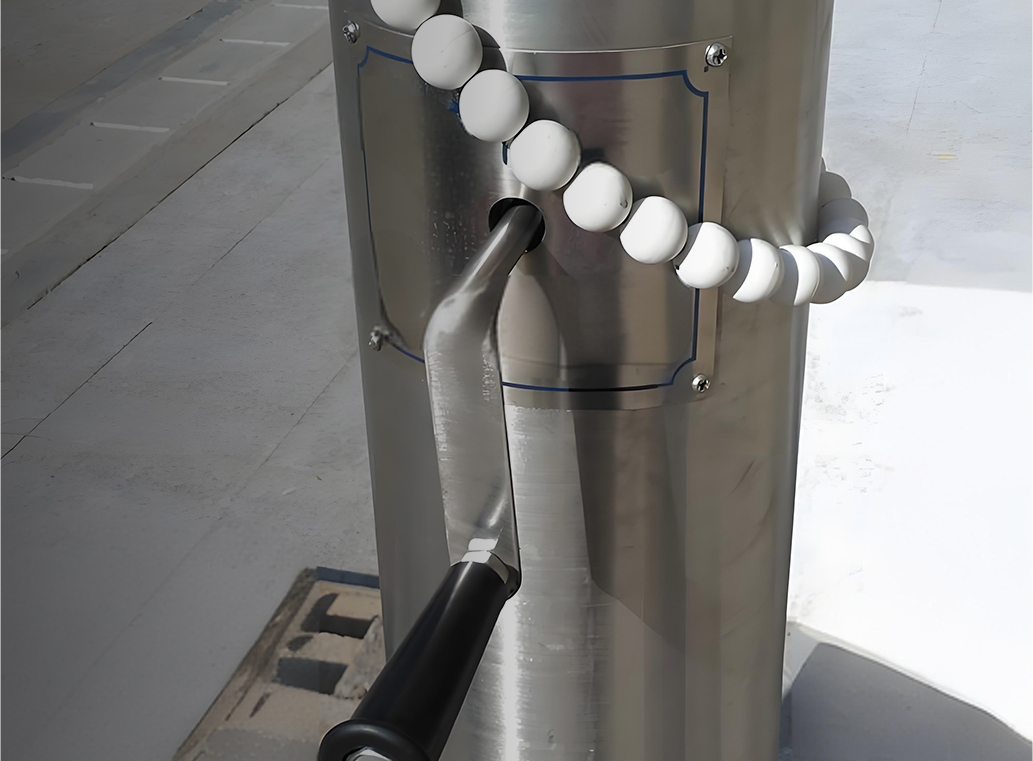
An internal halyard system is often the preferred choice for high end stainless steel flagpole installations because it keeps the ropes or cables hidden inside the pole. This design provides a clean and uncluttered look while also offering a high level of security. The halyard is accessed through a lockable door located near the base of the pole, which prevents unauthorized individuals from tampering with the flag. Inside the pole, a winch mechanism or a cam action cleat is used to control the tension of the rope.
The technical advantage of an internal system is that it protects the halyard from the elements. Because the rope or cable is not exposed to the sun or rain, it lasts much longer and is less likely to fray or break. Furthermore, internal systems are much quieter in windy conditions. In an external system, the metal clips can often bang against the pole, creating a constant metallic noise that can be disruptive in residential or quiet office areas. By housing everything inside the stainless steel flagpole, this noise is eliminated, resulting in a more peaceful environment.
External Halyard Systems and Ease of Maintenance
While internal systems are popular for security, the external halyard system remains a classic choice for many applications. This system utilizes a rope that runs on the outside of the pole, passing through a pulley, which is also known as a truck, at the very top. The rope is then secured to a cleat mounted at shoulder height on the exterior of the stainless steel flagpole. The primary advantage of this system is its simplicity and ease of maintenance.
If the rope in an external system breaks, it can be replaced relatively easily without the need for specialized tools or access to the interior of the pole. External systems are also generally more cost effective to manufacture and install. To prevent the metallic noise associated with these systems, many operators use rubber coated snaps or counterweights that keep the rope tight against the pole. When constructed with high quality stainless steel components, an external halyard system can provide reliable service for many years with minimal intervention.
Foundation Design and Structural Mounting Options
The stability of a stainless steel flagpole is entirely dependent on its foundation and mounting system. Because these structures can reach heights of over one hundred feet, they are subject to immense leverage forces. Engineers must carefully calculate the soil conditions and wind speeds of the installation site to design a base that can hold the pole securely under all circumstances.
In Ground Foundations and Corrugated Sleeves
The most common mounting method for a permanent stainless steel flagpole is the in ground foundation. This involves digging a deep hole and filling it with high strength concrete. A corrugated steel or PVC sleeve is placed in the center of the concrete, and the base of the flagpole is inserted into this sleeve once the concrete has cured. The space between the pole and the sleeve is then filled with dry sand or a specialized sealant to hold the pole in place while allowing for some minor vibration dampening.
This type of foundation is designed to transfer the wind loads from the pole directly into the earth. The depth and diameter of the foundation are determined by the height of the pole and the surface area of the flags it will carry. For very large flagpoles, a steel base plate may be welded to the bottom of the pole and bolted to a set of anchor bolts embedded in the concrete. This provides an even more rigid connection and allows for easier leveling of the pole during the installation process.
Tilting Base Mechanisms and Specialized Mounts
In some applications, it is necessary to lower the flagpole for maintenance or to change the flag without the use of a ladder or a crane. For these situations, a tilting base mechanism can be used. This design features a heavy duty hinge at the base of the stainless steel flagpole, allowing the entire structure to be tilted down to the ground. This is particularly useful for installations in remote locations or on the roofs of buildings where access is limited.
Wall mounted and roof mounted options are also available for urban environments where ground space is at a premium. These systems utilize heavy duty stainless steel brackets that are bolted directly into the structural framework of the building. Because a wall mounted flagpole exerts significant torque on the building facade, these installations must be carefully reviewed by a structural engineer to ensure that the masonry or steel can handle the additional load. The use of stainless steel for these brackets is essential to prevent rust streaks from running down the side of the building over time.
Advanced Features and Environmental Considerations
A modern stainless steel flagpole can be equipped with various accessories that enhance its performance and visual impact. These features are designed to work in harmony with the physical properties of the steel to provide a complete and functional display system.
[Image description: A detailed view of a stainless steel flagpole truck assembly with a gold leaf finial and internal pulley system]
Lightning Protection and Electrical Grounding
Because a stainless steel flagpole is a tall, conductive object, it is a natural target for lightning strikes. To protect the pole and any nearby structures, it is essential to include a proper grounding system. This typically involves connecting the base of the pole to a copper ground rod driven deep into the soil. In areas with high lightning activity, a specialized lightning rod, which is also known as an air terminal, can be mounted at the very top of the pole.
Stainless steel is an excellent conductor, and when properly grounded, it provides a safe path for the electrical energy of a lightning strike to dissipate into the ground. This prevents the energy from jumping to nearby buildings or damaging any electronic equipment that may be located inside the facility. Including these safety features is a standard practice for all professional flagpole installations, ensuring that the structure remains a safe part of the architectural landscape.
Solar Lighting and Nighttime Visibility
Many organizations choose to display their flags twenty four hours a day, which requires the use of specialized lighting systems. A stainless steel flagpole can be fitted with solar powered LED lights that are mounted at the top of the pole. These lights are equipped with small photovoltaic panels that charge a battery during the day, providing bright and efficient illumination at night.
Using solar lighting is an environmentally friendly option that eliminates the need for expensive underground electrical wiring. The LED units are typically housed in a stainless steel or heavy duty plastic casing that matches the aesthetic of the pole. Because the light is directed downward onto the flag, it minimizes light pollution while ensuring that the colors of the flag are clearly visible from a distance. This feature is particularly popular for national flags, which are often required by protocol to be illuminated if they are flown after sunset.
Comparative Performance of Flagpole Materials
To appreciate the value of a stainless steel flagpole, it is helpful to compare its qualitative attributes against other common materials used in the industry. While each material has its place, stainless steel consistently ranks highest for durability and aesthetic longevity.
|
Performance Attribute |
Stainless Steel Flagpole |
Aluminum Flagpole |
Fiberglass Flagpole |
|---|---|---|---|
|
Corrosion Resistance |
Exceptional, especially in grade 316 |
High, but prone to oxidation pitting |
Total resistance, but subject to UV fade |
|
Structural Strength |
Very High, supports the largest flags |
Moderate, limited by material density |
Moderate, flexible but can become brittle |
|
Aesthetic Finish |
Premium, available in satin or mirror |
Industrial, usually anodized or painted |
Functional, usually a gel coat finish |
|
Maintenance Needs |
Very Low, self cleaning in rain |
Moderate, requires cleaning and repair |
Moderate, requires UV protection |
|
Environmental Impact |
High recyclability and long life |
High recyclability, shorter life span |
Difficult to recycle at end of life |
The data in the table illustrates that the stainless steel flagpole is the superior choice for high value projects. While aluminum is a common and effective material for many standard applications, it lacks the prestige and the absolute corrosion resistance of high grade steel. Fiberglass is an excellent choice for very small or residential applications, but it cannot match the structural presence or the industrial strength of a stainless steel installation.
Long Term Maintenance and Surface Care
One of the greatest selling points of a stainless steel flagpole is that it requires very little care. However, a small amount of periodic maintenance can ensure that it remains in perfect condition for its entire lifespan. The most common task is simply cleaning the surface to remove accumulated dust, bird droppings, or salt spray. In most climates, the natural action of rainwater is sufficient to keep the pole clean, but in dry or highly polluted areas, a manual wash with mild soap and water is recommended.
If the pole is located in a coastal environment, it is important to rinse the surface with fresh water occasionally to prevent the buildup of salt crystals. Although grade 316 stainless steel is highly resistant to salt, the salt can eventually dry and create a dull film on the surface. For poles with a satin finish, any minor scratches can be buffed out using a specialized abrasive pad that matches the original grain of the steel. This ability to easily restore the surface to its original condition is one of the reasons why stainless steel is so highly valued by facility managers.
The mechanical components of the flagpole, such as the halyard and the pulleys, should also be inspected once or twice a year. The halyard should be checked for signs of wear or fraying, and the pulleys should be lubricated with a dry silicone spray to ensure smooth and silent operation. By performing these simple checks, the operator can prevent minor issues from becoming major problems, ensuring that the stainless steel flagpole continues to serve as a reliable and beautiful landmark for many years to come.
The technical complexity of a stainless steel flagpole is a testament to the advancements in modern manufacturing and material science. From the chemical composition of the alloy to the precision of the conical taper and the security of the internal halyard system, every aspect of these structures is engineered for maximum performance. For any project that demands the highest level of quality and durability, the stainless steel flagpole remains the undisputed standard of excellence in the world of architectural displays. By investing in this premium material, developers and architects can ensure that their flags fly proudly on a structure that is as strong and enduring as the symbols it supports.
Previous Post
Why is an Aluminum Alloy Flagpole the Preferred Standard for Contemporary Public and Commercial Landscapes?
Next Post
Aluminum Alloy Flagpole: Can It Really Outlast Steel and Fiberglass in Extreme Weather?
News
-
-
1. Understanding the Importance of Regular Maintenance for Aluminum Alloy Flagpoles Regular maintenance of your aluminum alloy flagpole is essential ......
READ MORE -
Unique advantages of aluminum alloy: Why it is the preferred material for flagpoles In today's society, flagpoles are not only a tool for displaying f......
READ MORE -
What is the aluminum alloy electric intelligent lifting conical flagpole? The aluminum alloy electric intelligent lifting conical flagpole is a high-e......
READ MORE

Copyright Jiangsu Shengqi Weiye Intelligent Technology Co., Ltd. All Rights Reserved.
 Custom Commercial Flagpoles Suppliers