
 English
 русский
 عربى
عربى



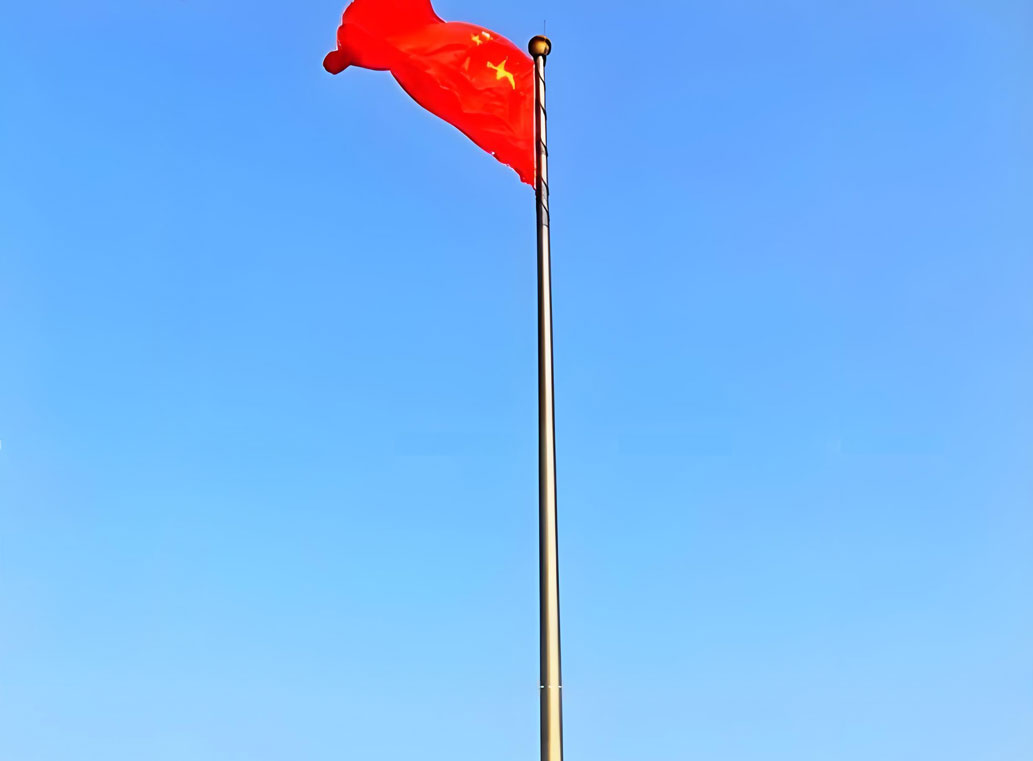
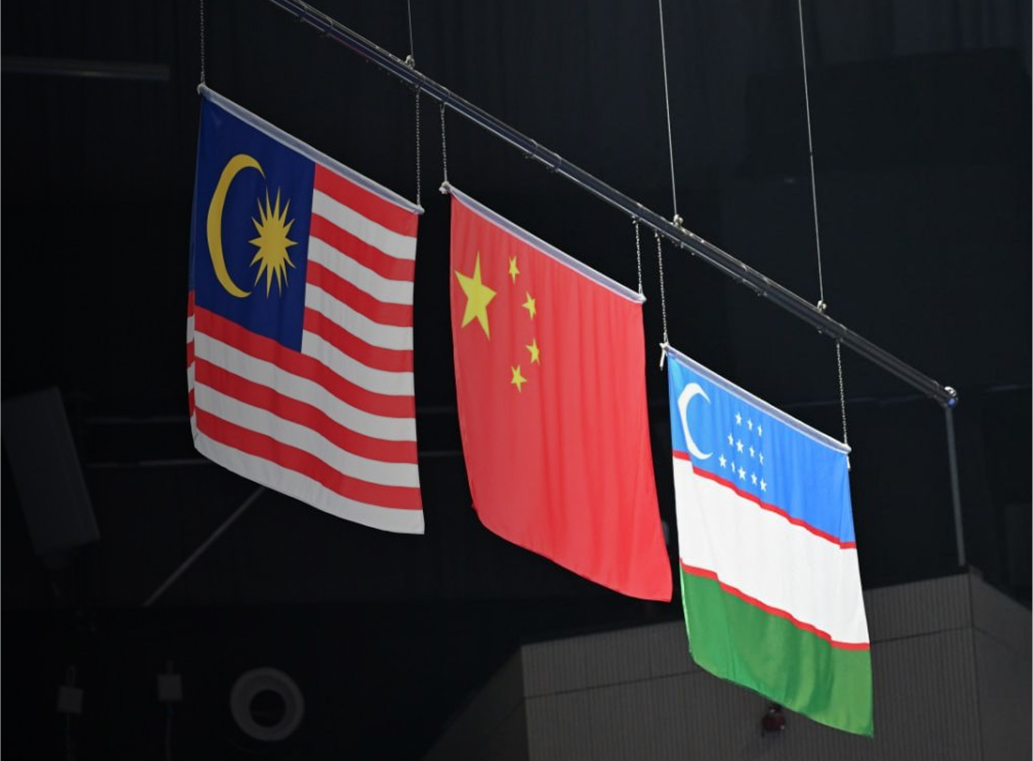


Flagpoles stand as proud symbols, gracing homes, businesses, and public spaces alike. While various materials are used in their construction, stainles......
READ MORESubmit feedback
Outdoor Flagpoles Complete Guide: How to Put a Flag on a Flagpole
To put a flag on a flagpole, lower the halyard (rope) to ground level, identify the flag's hoist edge (the left edge with two metal grommets when the flag is oriented correctly with the union at the upper left), clip the upper snap hook into the top grommet and the lower snap hook into the bottom grommet, confirm both hooks are fully locked, and raise the flag briskly to full mast before securing the halyard at the cleat. Outdoor flags for flagpoles are available in nylon, polyester, and cotton, with nylon being the most practical choice for year-round outdoor display because of its combination of light weight, fast drying, and UV resistance. A standard residential yard flag pole is 20 feet (6 m) tall and pairs with a 4×6 foot flag. Decorative flag poles include telescoping garden poles, tangle-free spinning poles, and architectural aluminum or stainless steel poles with ornamental finials. Outdoor flag pole stands allow ground-mount installation without permanent concrete, suitable for renters and those who need a portable solution. The standard height of flagpole for residential use is 15 to 25 feet, for commercial use 25 to 40 feet, and for government or institutional sites 40 to 100 feet. A flagpole pulley system can be assembled from a truck (pulley wheel), braided polyester halyard rope, and two snap hooks, with the rope threaded through the truck and joined at the bottom into a continuous loop. This complete guide covers every practical aspect.
How to Put a Flag on a Flagpole: Step-by-Step for Every Setup
Knowing exactly how to put a flag on a flagpole prevents the two most common errors: the flag flying upside down (a recognized distress signal under the US Flag Code), and snap hooks that are not fully closed and release the flag in wind. The procedure is the same for residential yard poles, commercial poles, and decorative poles with an external halyard system.
Understanding the Parts Before You Start
Before attaching the flag, identify the three hardware elements involved:
- Grommets: Two metal rings reinforced into the flag's hoist edge (the shorter left edge). The top grommet connects to the upper snap hook, the bottom grommet to the lower snap hook. The grommet spacing on a 5×8 foot flag is approximately 5 feet apart, on a 4×6 flag approximately 4 feet apart, and on a 3×5 flag approximately 3 feet apart.
- Snap hooks (flag snaps): Spring-loaded metal clips attached to the halyard at the correct spacing for the flag size. Quality snap hooks are solid brass or 316 stainless steel with a spring gate that closes and locks. Replace any snap hook where the gate spring no longer holds firmly closed, as a weak gate releases the flag in strong wind.
- Halyard: The rope running through the flagpole truck (top pulley) that raises and lowers the flag. The snap hooks may be permanently spliced onto the halyard or may be tied to rope loops at the correct spacing for the flag size being used.
The Correct Procedure: Attaching the Flag
- Lower the halyard to a comfortable working height. Untie the halyard from the cleat on the pole shaft and pull it down until both snap hooks are at hand level. Do not try to attach the flag at arm's length above your head.
- Lay the flag flat on a clean surface to confirm correct orientation. The union (blue field with white stars) must be in the upper left corner when the flag is laid face-up with the hoist edge toward you. The top grommet is at the upper left and the bottom grommet at the lower left. Any other orientation means the flag will fly incorrectly.
- Confirm the snap hook spacing matches the grommet spacing. The two snap hooks must be spaced to match the distance between the two grommets on your specific flag. If the snaps are too far apart, the flag stretches diagonally when raised and tears the grommets prematurely. Adjust rope loop positions if necessary.
- Attach the top snap hook first. Open the snap hook gate with your thumb, pass the gate through the top grommet, and release. The gate should snap fully closed. Pull the attached hook firmly to confirm it cannot be pulled free without deliberately opening the gate.
- Attach the bottom snap hook. Pull the lower snap hook to meet the bottom grommet and attach it the same way, confirming full gate closure with a firm pull.
- Orient both snap hooks so the gates face the same direction. Standard practice is both gates facing toward the pole, so the hooks open away from the pole and wind force cannot push the flag off the hooks. Mismatched hook orientation causes the flag to twist on the halyard.
- Raise the flag briskly to full mast. The US Flag Code specifies that the flag should be hoisted briskly and lowered ceremoniously. Pull the hauling side of the halyard hand over hand in a smooth, continuous motion until the flag reaches the top of the pole. Keep light tension on the other side to prevent looping.
- Secure the halyard at the cleat. Wrap the halyard twice around the cleat in a figure-eight pattern, then finish with a half-hitch loop that locks over one horn of the cleat. This cleat hitch holds the flag at full mast but can be released in a single motion by lifting the final loop off the horn.
Common Errors When Putting a Flag on a Flagpole
- Flag flying upside down: Always verify the union is at the top before raising. An inverted US flag is a recognized signal of dire distress and should never be displayed accidentally.
- Snap hook not fully closed: A partially closed gate releases under the shock loading of wind gusts. Always confirm full closure with a test pull before raising the flag.
- Grommets and hooks mismatched in spacing: Too wide a snap spacing pulls the flag diagonally and tears the grommets from the fabric hem. Too narrow a spacing causes the flag to bunch along the hoist edge. Match spacing precisely to the flag size.
- Halyard allowed to drag on the ground: Allowing the halyard or flag to touch the ground during raising or lowering violates flag etiquette and damages the flag fabric. Keep the flag clear of the ground throughout the operation.
Outdoor Flags for Flagpoles: Materials, Sizes, and Selection
Outdoor flags for flagpoles are available in three primary materials, each with different performance characteristics in wind, UV exposure, rain, and temperature cycling. Selecting the right flag material for the environment extends the flag's service life significantly and reduces replacement frequency.
Nylon: The Recommended Material for Most Outdoor Applications
Nylon is the most widely used material for outdoor American flags with pole kits and standalone outdoor flags because it balances performance, cost, and availability. Key properties:
- Light weight: Nylon flags fly in light breezes as low as 5 to 8 km/h (3 to 5 mph), while heavier materials require stronger wind to unfurl properly. This makes nylon ideal for sheltered locations where wind is inconsistent.
- Fast drying: Nylon absorbs minimal moisture and dries quickly after rain, preventing the mildew that can develop in slower-drying cotton flags left wet for extended periods.
- Vibrant color retention: Nylon accepts acid dyes that are exceptionally UV-resistant, maintaining color intensity longer than polyester or cotton alternatives. Quality nylon flags retain acceptable color for 6 to 18 months of continuous outdoor display depending on sun exposure intensity.
- Durability in moderate wind: Nylon handles moderate wind well but is more susceptible to tearing in sustained high winds than heavier polyester fabrics. In consistently windy locations, replace nylon flags more frequently or switch to a heavier material.
Polyester: Best for High-Wind and High-Wear Environments
Outdoor polyester flags are woven from heavier, tighter yarns than nylon, giving greater tear resistance and durability in sustained high-wind environments:
- Wind resistance: Standard outdoor polyester flags (200 to 300 denier polyester) handle sustained winds of 40 to 60 km/h (25 to 37 mph) better than equivalent nylon flags without fraying at the fly end. This makes polyester the standard choice for coastal, elevated, and plains locations with regular strong wind.
- Weight: Polyester flags are heavier than nylon and require a minimum wind speed of approximately 12 to 15 km/h (8 to 10 mph) to fly properly. In calm or light-breeze environments, a heavy polyester flag hangs limply against the pole instead of displaying properly.
- Service life in windy locations: A quality polyester outdoor flag in a consistently windy location lasts approximately 50 to 100% longer than an equivalent nylon flag in the same environment before fly-end fraying requires replacement.
Cotton: Traditional but High Maintenance
Cotton flags have a distinctive soft appearance and a matte finish that many display enthusiasts prefer for ceremonial and indoor use. For permanent outdoor display on an outdoor flagpole, cotton is the most demanding material to maintain: it absorbs moisture and dries slowly (increasing mildew risk), fades faster in UV than synthetic alternatives, and is heavier per unit area than nylon. Cotton outdoor flags are used primarily for formal government and military installations where their traditional appearance is required, and where flags are lowered each evening and not left out continuously.
Flag Size Selection for Outdoor Flagpoles
The standard rule is that the flag's fly (length) should be one-quarter to one-third of the pole height. Practical size matching:
| Pole Height | Recommended Flag Size | Best Material | Typical Setting |
|---|---|---|---|
| 15 ft (4.5 m) | 2.5×4 ft or 3×5 ft | Nylon | Small residential yard |
| 20 ft (6 m) | 3×5 ft or 4×6 ft | Nylon | Standard residential |
| 25 ft (7.6 m) | 4×6 ft or 5×8 ft | Nylon or polyester | Large residential or small commercial |
| 30 ft (9 m) | 5×8 ft | Polyester or nylon | Standard commercial |
| 40 ft (12 m) | 6×10 ft | Polyester | Government or large commercial |
| 50 ft (15 m) | 8×12 ft | Heavy-duty polyester | Institutional or large government |
Yard Flag Pole and Outdoor American Flag with Pole: Residential Kit Guide
A yard flag pole kit sold for residential use typically includes the pole sections, a ground sleeve or mounting spike, a truck (top pulley fitting), snap hooks, halyard rope, a cleat, and finial. Many kits also include a starter flag. Understanding what to look for in a quality yard pole kit helps buyers avoid cheap products that fail within one season.
Outdoor American Flag with Pole Kit: What Should Be Included
A complete outdoor American flag with pole kit for residential yard use should include:
- Sectional aluminum pole: Most residential kits use two or three sectional aluminum tube sections that telescope or sleeve together to build the full pole height. Sections should sleeve together tightly with no wobble. Look for 6063-T6 aluminum alloy rather than unspecified aluminum, which is a quality indicator for the alloy used in the extrusion.
- Ground sleeve or drive spike: The ground sleeve is a steel or aluminum tube that is buried or driven into the ground and receives the base of the pole. A spike-style ground sleeve can be driven in with a rubber mallet in soft ground. A flush-mount sleeve requires a post hole. Verify the sleeve depth: residential kit sleeves should be at least 40 to 50 cm (16 to 20 inches) deep for a 20-foot pole.
- Truck with pulley: The truck sits on top of the pole and contains the pulley wheel the halyard runs over. Confirm the truck has a real rotating sheave (pulley wheel) rather than a fixed slot. A fixed slot wears through the rope rapidly and provides much less smooth operation than a proper rotating sheave.
- Halyard rope: Look for 5/16-inch (8 mm) braided polyester rope rather than twisted nylon or thin polypropylene. Polyester is UV-resistant, has minimal stretch, and lasts significantly longer than nylon in outdoor UV exposure.
- Solid brass or stainless snap hooks: Two snap hooks of solid brass or 316 stainless steel, not zinc die-cast. Zinc hooks corrode rapidly and lose spring tension, releasing the flag in wind within one to two seasons.
- Cleat: A horn cleat mounted on the pole shaft for securing the halyard. Should be aluminum or zinc-free brass, sized appropriately for the halyard rope diameter.
- Ball or eagle finial: The decorative cap that screws into the top of the truck housing. Aluminum or composite finials are preferred over hollow plastic for durability at height.
Installing a Yard Flag Pole: Basic Procedure
- Choose the location. Select a location with clear overhead space (no power lines or tree branches within the reach of the full pole height plus the flag flying horizontally). Verify no underground utilities run below the installation point before digging or driving a stake.
- Install the ground sleeve. For a drive-spike sleeve, position it vertically using a level on two sides and drive it into the ground with a rubber mallet until the top is at grade or slightly above. For a post-hole sleeve, dig to the required depth (minimum 60 cm for a 20-foot pole), set the sleeve in concrete, and allow a full 48 to 72 hours cure time before loading the pole.
- Assemble the pole sections on the ground. Fit the truck and finial to the top section, thread the halyard through the truck, and attach the snap hooks at the correct spacing before raising the pole. Assembling at ground level is far safer and easier than working at height.
- Attach the cleat to the pole at a comfortable operating height (typically 1.2 to 1.5 m (4 to 5 feet) above grade) before raising the pole, if it is not pre-attached.
- Raise the assembled pole by tipping it upright and sliding the base into the ground sleeve. Have a second person steady the pole while the first positions and lowers it into the sleeve. Confirm the pole seats fully in the sleeve base.
- Attach the flag and raise it following the procedure described in the first section of this guide.
Decorative Flag Poles: Types, Styles, and Applications
Decorative flag poles differ from standard residential and commercial poles in that their design incorporates aesthetic elements (ornamental finials, architectural finishes, spinning mechanisms, or decorative flag systems) that make the pole itself a visual feature rather than purely functional hardware. The range of decorative pole types has expanded considerably in recent years to serve the growing market for garden flags, seasonal decorative displays, and architectural exterior accents.
Telescoping Decorative Poles
Telescoping decorative poles consist of multiple aluminum or fiberglass tube sections that slide into each other and lock at the desired extended height using a twist-lock or pin-lock mechanism. They are popular for residential yard use because they can be collapsed for storage in winter, adjusted to different heights for different flag sizes, and are available in a wide range of finishes including bronze, black, gold, and silver anodize. Most residential telescoping decorative poles extend from 15 to 25 feet and include an anti-wrap spinning mechanism that rotates the flag attachment point to prevent the flag from wrapping around the pole in variable-direction wind.
Tangle-Free Spinning Flagpoles
The tangle-free spinning flagpole is one of the most popular categories of decorative flag poles for residential use. These poles use a two-ring swivel system at the top (and sometimes also at the bottom of the fly area) that allows the flag to rotate a full 360 degrees around the pole shaft. The benefit is that in locations with variable wind direction, the flag spins freely rather than wrapping around the pole, which is the primary cause of flag tangling on conventional poles. Key design variations:
- Sleeve-style spinning flags: The flag has a sleeve along its full hoist edge that threads over the pole (or over a secondary inner sleeve that rotates around the pole). This is the most tangle-resistant design because the flag is attached at every point along the hoist rather than just at two grommet points.
- Ring and swivel spinning systems: Two large rotating rings are attached to the pole at the top and bottom of the flag display area. The flag attaches to these rings via grommets. The rings rotate around the pole shaft on sealed bearings, allowing the flag to spin without tangling.
- Garden and yard decorative poles with spinning tops: Shorter decorative poles of 5 to 8 feet with a decorative ball finial and a spinning bracket system for displaying garden flags (typically 12×18 inch or 18×24 inch decorative seasonal flags). These poles are driven directly into soft ground with a spike and require no concrete or sleeve installation.
Architectural and Stainless Steel Decorative Flagpoles
At the premium end of the decorative flag poles market are architectural-grade poles in polished or brushed stainless steel, powder-coated architectural aluminum, or specialty bronze finishes. These poles are specified for hotel entrances, corporate plazas, luxury residential properties, and civic spaces where the pole itself contributes to the architectural statement of the exterior. Key features of architectural decorative poles:
- Smooth, weld-free exterior: Architectural poles are manufactured with continuous extrusion or seamless tube construction, giving an unbroken line from base to tip with no visible joints or weld seams.
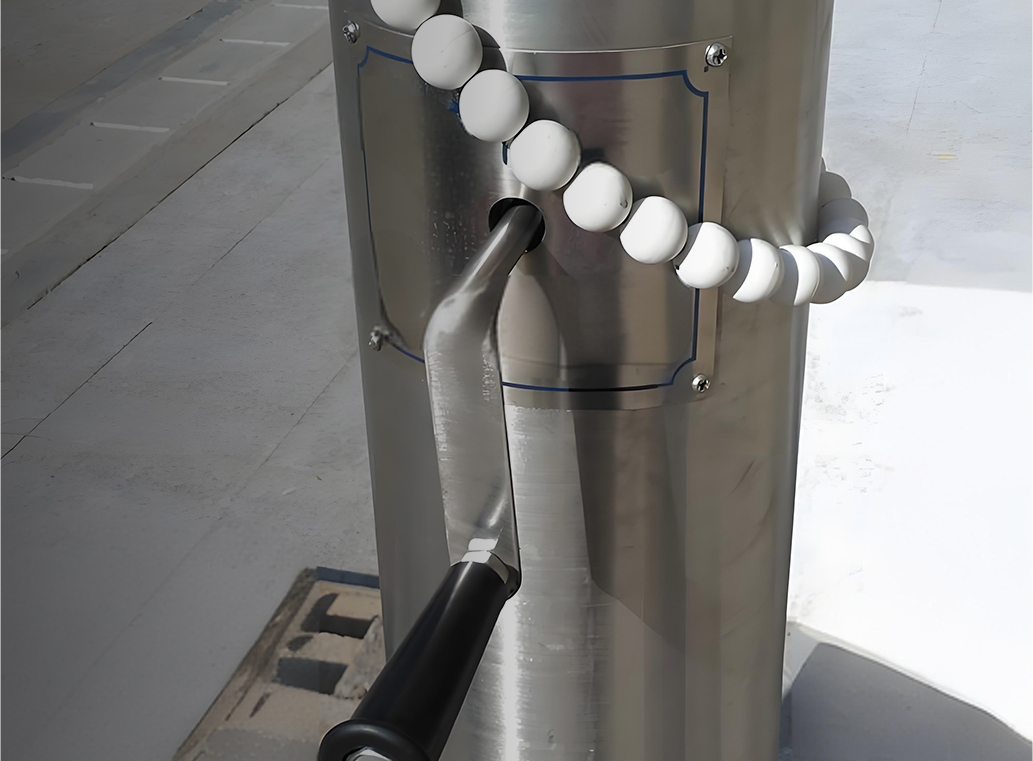
- Internal halyard systems: Premium decorative poles route the halyard inside the hollow pole shaft to a lockable winch mechanism at the base, completely hiding the rope and preventing vandalism. The clean exterior surface with no visible rope or cleat is a key aesthetic requirement for architectural applications.
- Custom finial designs: Architectural poles can be specified with custom-machined finials in eagle, spear, ball, or abstract designs that coordinate with the building's architectural metalwork.
Outdoor Flag Pole Stands: Portable Ground-Mount Solutions
Outdoor flag pole stands are weighted or anchored base systems that hold a flagpole upright without requiring permanent in-ground installation. They are essential for renters, for temporary event flagpole setups, for hard-surface locations where ground penetration is not possible (concrete driveways, paved patios, rooftop terraces), and for homeowners who want to reposition the pole seasonally.
Types of Outdoor Flag Pole Stands
- Weighted base stands: A heavy cast iron, steel, or fillable plastic base that the pole inserts into vertically. The weight of the base (typically 15 to 40 kg / 30 to 90 lbs when filled or cast) provides the stabilizing moment against wind load on the pole and flag. Fillable stands are shipped empty and filled with sand or water at the installation site, making shipping weight manageable while providing adequate ballast in use. Important: stand weight must be matched to pole height and flag size. A 15 kg stand is adequate for a 6-foot decorative garden pole with a small seasonal flag, but completely inadequate for a 20-foot aluminum pole with a 4×6 foot US flag in any wind above a light breeze.
- Deck-mount stands: A flange bracket that bolts to a deck surface, railing top, or wall using through-bolts or lag screws. The pole inserts into the flange socket and is secured with a set screw. Deck-mount stands are permanently fixed to the structure they attach to but allow the pole to be removed by loosening the set screw when not needed. They are popular for homeowners with elevated decks or porches where ground installation is not practical.
- Auger and screw-in ground stakes: A helical (screw) spike that is rotated into soft ground to a depth of 30 to 50 cm, providing a pole-insertion socket at grade. Easier to install and remove than a driven spike, and more secure in soft or sandy soil than a straight spike of the same length. Appropriate for small decorative poles and garden flag systems, not for full-size 20-foot residential flagpoles.
- Tire-mount vehicle stands: A bracket that clamps to a truck or trailer hitch receiver, or that inserts under a vehicle tire, to hold a flagpole for mobile patriotic display or event use. Not a permanent outdoor solution but widely used for tailgating, parades, and outdoor events.
Stand Stability Calculation: How Much Weight Is Enough
The stand must resist the overturning moment created by wind force on the flag and pole. A simplified estimate for selecting stand weight:
- 6-foot garden pole with 12×18 inch flag: A stand of 5 to 10 kg is adequate for most residential wind exposure levels.
- 8-foot pole with 2×3 foot flag: A stand of 15 to 20 kg is appropriate for locations with winds up to 30 km/h (20 mph).
- 15-foot residential pole with 3×5 foot flag: A stand of 40 to 60 kg filled weight is the minimum for stability in normal residential wind exposure. In gusty or regularly windy locations, anchor the stand to the ground or structure with strap anchors for additional security.
Height of Flagpole: Standard Dimensions by Application
The height of flagpole appropriate for any installation is determined by the size of the property, the visual setting, local zoning regulations, structural wind load capacity, and the flag size to be flown. There is no universal standard, but well-established conventions make height selection straightforward in most situations.
Residential Height of Flagpole: 15 to 25 Feet
For private single-family homes, the standard residential height of flagpole is 15 to 25 feet (4.5 to 7.6 m), with 20 feet (6 m) being the most commonly installed height. At 20 feet, the pole is tall enough to fly a 4×6 foot flag with good street visibility while remaining proportionate to most single and two-story homes. Heights above 25 feet in residential zones typically require a building permit or zoning variance and may conflict with HOA restrictions. The general design principle is that the pole should extend above the roofline high enough for the flag to fly clear of the building structure, while not appearing so tall as to dominate the home visually.
Commercial Height of Flagpole: 25 to 40 Feet
Commercial properties use poles in the 25 to 40 foot (7.6 to 12 m) range, with 30 feet (9 m) being the most common commercial standard. A 30-foot commercial aluminum pole with a 5×8 foot US flag provides strong roadside visibility from distances of 100 to 200 meters while remaining within standard commercial ground-set pole structural specifications without requiring extraordinary foundation engineering. Multi-pole commercial installations (three poles side by side) use equal-height poles, with the center pole carrying the national flag at the top position when operating under US Flag Code protocol.
Government and Institutional Height: 40 to 100 Feet and Beyond
Government buildings, military installations, universities, and civic landmarks use poles from 40 to 100 feet (12 to 30 m). The largest ceremonial installations at national monuments use poles of 100 to 200 feet (30 to 61 m), requiring engineered structural steel construction, professional installation with cranes, and ongoing professional maintenance. The Fort McHenry flag (which inspired the Star-Spangled Banner) flies on a custom flagpole designed specifically for that iconic location.
| Setting | Typical Height | Flag Size | Foundation Depth (Concrete) | Material |
|---|---|---|---|---|
| Small residential | 15 ft | 3×5 ft | 36 to 42 inches | Aluminum alloy |
| Standard residential | 20 ft | 4×6 ft | 42 to 48 inches | Aluminum alloy |
| Large residential | 25 ft | 5×8 ft | 48 to 54 inches | Aluminum alloy |
| Standard commercial | 30 ft | 5×8 ft | 48 to 60 inches | Aluminum alloy |
| Large commercial | 40 ft | 6×10 ft | 60 to 72 inches | Aluminum alloy or steel |
| Government or institutional | 50 to 80 ft | 10×15 to 15×25 ft | 72 to 96 inches (engineered) | Aluminum or structural steel |
How to Make a Flagpole Pulley System: Components, Assembly, and Rope Threading
Understanding how to make a flagpole pulley system is useful both for building a new flagpole from scratch and for replacing a broken or seized pulley assembly on an existing pole. The flagpole pulley system is called the halyard system, and its key mechanical component is the truck (the fitting at the top of the pole containing the pulley wheel or sheave).
Components of a Flagpole Pulley System
- Truck (top pulley fitting): The cap that sits on the top of the pole. It contains one or two grooved pulley wheels (sheaves) mounted on a central axle and supported by a nylon bushing or sealed ball bearing. The truck also provides the mounting point for the decorative finial (ball or eagle ornament) above it. Size the truck to match the pole's outer diameter exactly: most residential poles use trucks sized for pole diameters of 2 to 3 inches (50 to 75 mm). A truck with a ball bearing sheave is more expensive but significantly smoother in operation and longer-lasting than a plain bushing sheave, particularly for poles above 20 feet where the weight of the flag and rope creates significant load on the pulley.
- Halyard rope: 5/16-inch (8 mm) braided polyester is the standard halyard for residential and commercial outdoor flagpoles. Braided polyester does not stretch significantly under load (unlike nylon, which elongates noticeably), is resistant to UV degradation, and lasts 3 to 7 years in outdoor service before wear or UV embrittlement requires replacement. The rope length required is approximately double the pole height plus 5 to 6 feet for the cleat working section at the bottom. For a 20-foot pole, use approximately 47 to 48 feet of rope to make the continuous loop.
- Two snap hooks: Solid brass or 316 stainless steel spring-gate snap hooks sized for the halyard rope diameter. The snap hook eye through which the rope attaches must be large enough to accept the rope end (or the spliced eye at the rope end) and the snap gate must close with firm, positive spring pressure.
- Cleat: A two-horn horn cleat mounted on the pole shaft at a comfortable working height (typically 4 to 5 feet above grade). The cleat must be sized to accept the halyard rope with two full figure-eight wraps plus a locking half-hitch. Standard cleats for 5/16-inch rope are 4 to 6 inches (100 to 150 mm) in length. Aluminum cleats are appropriate for aluminum poles; stainless steel cleats for stainless or steel poles to prevent galvanic corrosion at the contact point.
Assembling the Flagpole Pulley System: Step-by-Step
- Fit the truck to the pole top. Slide the truck housing over the top end of the pole. The housing should seat firmly on the pole with no play or wobble. If the truck fits loosely, wrap the pole top with two or three layers of self-amalgamating silicone tape to build up the diameter until the truck seats firmly without movement. Apply a small amount of clear RTV silicone sealant around the base of the truck housing where it meets the pole to prevent water from entering the pole interior at the top.
- Thread the rope through the truck. Before mounting the pole, thread the halyard through the truck's sheave groove while the pole is horizontal on the ground. Pass the rope over the top of the sheave (not under) so it runs in the correct direction of travel when the flag is raised. Both ends of the rope should hang down from the truck on the same side (the front of the pole).
- Attach the snap hooks to one end of the rope. Tie a fixed loop in one end of the rope using a bowline knot, and attach the first snap hook to this loop. Measure down the rope by the grommet-to-grommet distance of the flag and tie a second bowline to attach the second snap hook at the correct spacing. For a 4×6 foot flag, the grommet-to-grommet distance is approximately 4 feet (1.2 m); for a 5×8 foot flag it is approximately 5 feet (1.5 m).
- Join the rope ends into a continuous loop. Bring the two rope ends together at the cleat position and join them with a sheet bend knot, a splice, or by tying both ends to the same attachment ring. The continuous loop allows the flag to be raised by pulling one side of the halyard and lowered by pulling the other side, which is the operating principle of a simple single-sheave flagpole pulley system.
- Attach the cleat to the pole. Mount the cleat on the pole shaft using the provided through-bolts, rivets, or self-tapping screws at a height of 4 to 5 feet above grade. The cleat must be firmly attached with no rotation or movement when a firm pull is applied to the loaded halyard.
- Fit the finial. Screw or press the ornamental finial into the top receptacle of the truck housing. Apply a small amount of thread-locking compound (such as Loctite Blue 243) to the threads to prevent the finial from loosening and falling from height in wind vibration, while still allowing deliberate removal for future maintenance.
- Test the system before raising the pole. With the pole still horizontal or at a low angle, pull one side of the halyard and observe the sheave rotating smoothly and the rope feeding evenly through the truck without binding or jumping. The snaps should travel freely without catching on the cleat or the pole shaft edge. If the rope binds at the truck, check that the rope is correctly seated in the sheave groove and not riding over the groove edge.
Upgrading to a Double-Sheave or Revolving Truck
If you want to fly two flags simultaneously on the same pole (such as a US flag and a state flag), or if flag tangling around the pole shaft is a recurring problem, consider upgrading the truck at the time of assembly:
- Double-sheave truck: Contains two independent pulley wheels side by side, allowing two separate halyards to run through the same truck for two-flag display. Each halyard operates independently and each flag can be raised and lowered separately.
- Revolving truck: A rotating ring is part of the truck assembly, allowing the flag attachment point to spin a full 360 degrees around the pole shaft in response to wind direction changes. This is the most effective solution for preventing flag tangling on poles in locations with variable or gusty wind.
Frequently Asked Questions About Outdoor Flagpoles
1. How do you put a flag on a flagpole correctly?
To put a flag on a flagpole, lower the halyard to ground level, lay the flag flat to confirm the union (stars) is at the upper left, clip the upper snap hook through the top grommet and the lower snap hook through the bottom grommet (confirming both are fully closed with a firm pull), then raise the flag briskly to full mast and secure the halyard at the cleat with a cleat hitch. Both snap hooks should face the same direction (gates toward the pole) to prevent the flag from lifting off the hooks in wind. Never allow the flag to touch the ground during raising or lowering.
2. What are the best outdoor flags for flagpoles in terms of durability?
The best outdoor flags for flagpoles in terms of durability are 200-denier nylon for calm to moderate wind environments (the most popular overall choice for residential use) and 200 to 300-denier polyester for consistently high-wind coastal or plains locations. Nylon offers the best balance of color retention, light weight for low-wind flying, and fast drying after rain. Polyester offers greater tear resistance in sustained high wind. Cotton is the least durable for permanent outdoor display and is mainly used for ceremonial and formal applications where traditional appearance matters more than service life.
3. What height of flagpole is best for a residential yard?
The best height of flagpole for a standard residential yard is 20 feet (6 m). This height pairs correctly with a 4×6 foot flag (approximately one-third of pole height), is proportionate to most single and two-story homes, can typically be installed without a building permit, and is manageable for DIY installation without heavy equipment. Choose 25 feet for larger two-story homes or corner lots where greater visual presence is desired. Heights above 25 feet usually require a building permit or HOA approval in residential zones.
4. What are outdoor flag pole stands and when should I use one?
Outdoor flag pole stands are weighted base systems (cast iron, steel, or fillable plastic) that hold a flagpole upright without permanent in-ground installation. Use a stand when you rent your property and cannot make permanent ground installations, when the pole needs to be on a hard surface (patio, driveway, rooftop) where ground penetration is not possible, or when you want to reposition the pole seasonally. Match the stand weight to the pole height and flag size: a 15 kg stand is appropriate for a 6-foot garden pole, but a 20-foot residential pole with a full-size flag requires a minimum 40 to 60 kg filled stand for safe stability in normal wind.
5. What is the difference between a yard flag pole and a decorative flag pole?
A yard flag pole is a standard residential flagpole (typically 15 to 25 feet of aluminum with an external halyard and ground sleeve) primarily intended for flying the US flag. A decorative flag pole is a pole whose design incorporates aesthetic elements: ornamental finials, architectural finishes, spinning anti-wrap mechanisms, telescoping adjustment, or specialized mounting systems for garden flags and seasonal decorative displays. Decorative poles range from 5-foot garden stakes for small seasonal flags to premium architectural poles in polished stainless steel for hotel entrances. The functional overlap is significant: many telescoping decorative poles also work perfectly for flying the US flag.
6. How do I make a flagpole pulley system if my truck is broken?
To make or replace a flagpole pulley system, purchase a replacement truck sized to match your pole's outer diameter, thread new 5/16-inch braided polyester halyard rope through the truck's sheave groove before mounting, seat the truck firmly on the pole top with silicone sealant at the base joint, tie bowline loops for the snap hooks at the correct spacing for your flag's grommet distance, join the rope ends into a continuous loop, and secure the halyard at the cleat on the pole shaft. For a pole above 25 feet, use a telescoping ladder or hire a flagpole service company with the appropriate access equipment to replace the truck safely.
7. How often should outdoor flag halyard rope be replaced?
Inspect the halyard rope annually by running the full length through your hands to check for fraying, stiff sections, flat spots from the truck sheave, or diameter reduction from UV degradation. In sunny climates, polyester halyard rope typically needs replacement every 3 to 5 years. In moderate climates with lower UV exposure, it may last 5 to 8 years. Replace immediately if any fraying is visible, as a frayed rope can snap in a wind gust and leave the flag stranded at the top of the pole with no way to lower it. Always replace the rope before it fails rather than after.
8. Can an outdoor flag pole stand be used for a full-size US flag?
Yes, with the correct stand weight and pole height combination. A fillable outdoor flag pole stand can support a full-size residential flagpole for a US flag display if the stand provides adequate ballast weight for the wind load on the flag and pole. The critical match is between the stand weight, the pole height, and the flag size: a 40 to 60 kg filled stand is the practical minimum for a 15-foot pole with a 3×5 foot flag in wind speeds up to 30 km/h (20 mph). For larger flags or taller poles, either increase stand weight significantly or add anchor straps to supplement the ballast.
9. Do I need a permit to install a yard flag pole?
Permit requirements for a yard flag pole vary by jurisdiction. Most municipalities treat freestanding poles as structures subject to building permit requirements above certain heights, commonly above 20 to 25 feet in residential zones. HOA communities may require architectural review approval regardless of height. US federal law and many state statutes protect the right to display the national flag on residential property, but these protections apply to the flag display itself rather than to the permit process for the flagpole structure. Always check with your local building department and HOA (if applicable) before purchasing any pole taller than 20 feet.
10. Why does my flag keep wrapping around the flagpole?
Flag wrapping around the pole is caused by variable wind direction: as the wind shifts, the flag follows, and if the halyard attachment does not allow the flag to swing freely through a full circle, the flag wraps around the pole shaft. The most effective solutions in order of effectiveness are: install a revolving truck that allows the flag attachment point to rotate a full 360 degrees; switch to a spinning (tangle-free) flagpole system where the flag attaches to a rotating outer sleeve; or use a sleeve-style spinning flag rather than a grommet flag, which allows the full hoist edge to rotate freely around the pole. Anti-wrap weights and spring tension devices are partial solutions that reduce but do not eliminate wrapping in strong variable winds.
Previous Post
How to Attach Flag to Flagpole Without Pulley and Outdoor Flagpoles: The Complete Practical Installation, Hardware, and Maintenance Guide
Next Post
Why Choose a Stainless Steel Flagpole for Your Home or Business?
News
-
-
1. Understanding the Importance of Regular Maintenance for Aluminum Alloy Flagpoles Regular maintenance of your aluminum alloy flagpole is essential ......
READ MORE -
Unique advantages of aluminum alloy: Why it is the preferred material for flagpoles In today's society, flagpoles are not only a tool for displaying f......
READ MORE -
What is the aluminum alloy electric intelligent lifting conical flagpole? The aluminum alloy electric intelligent lifting conical flagpole is a high-e......
READ MORE

Copyright Jiangsu Shengqi Weiye Intelligent Technology Co., Ltd. All Rights Reserved.
 Custom Commercial Flagpoles Suppliers