
 English
 русский
 عربى
عربى


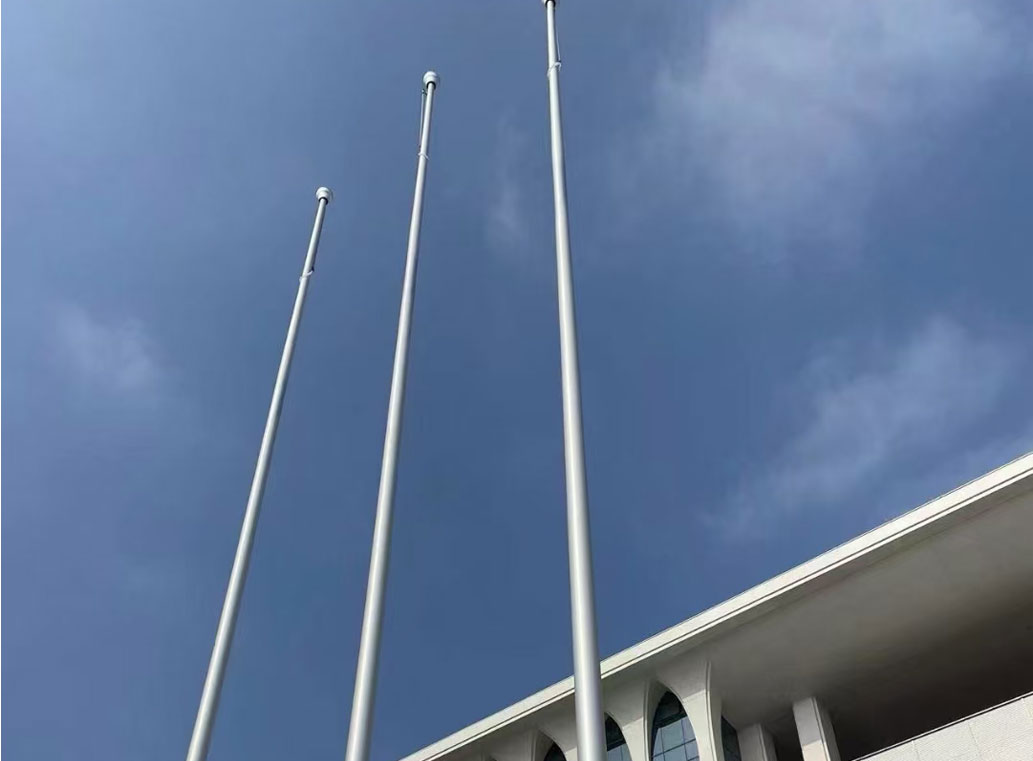
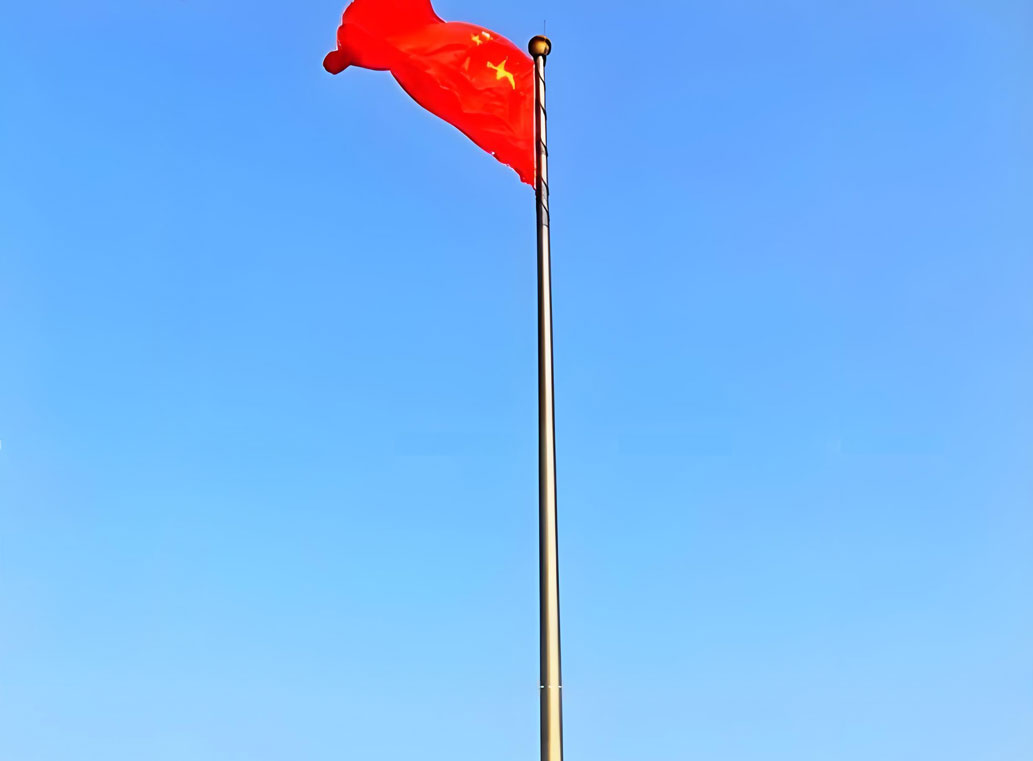


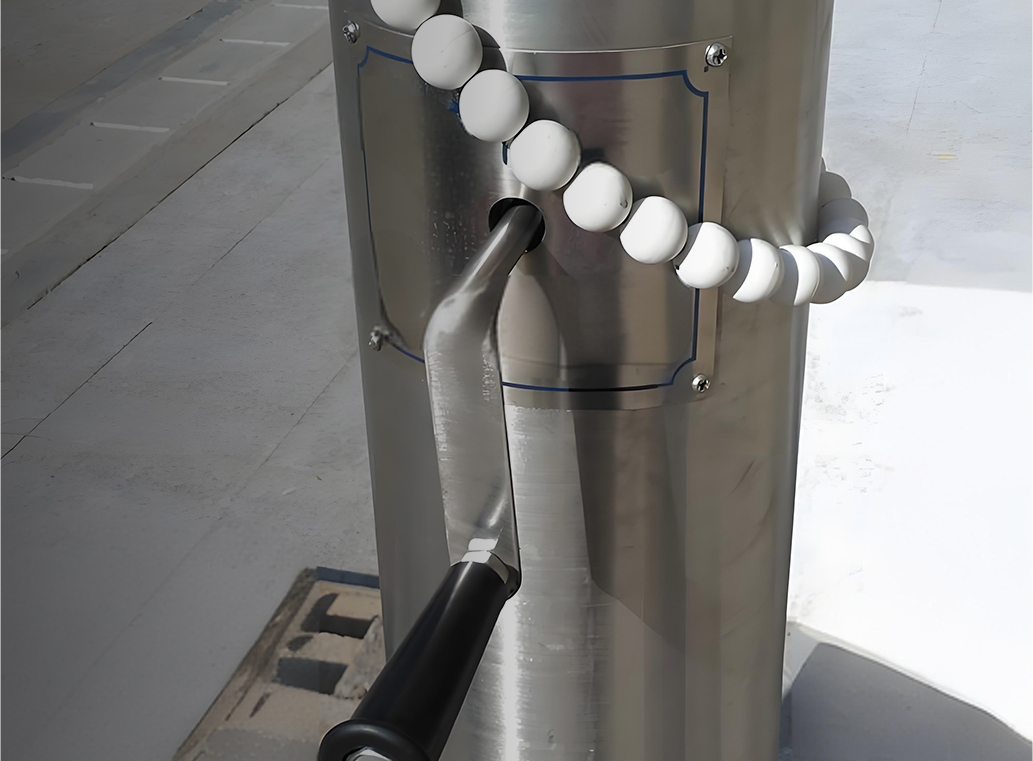

Flagpoles stand as proud symbols, gracing homes, businesses, and public spaces alike. While various materials are used in their construction, stainles......
READ MORESubmit feedback
Why Choose a Stainless Steel Flagpole for Your Home or Business?
The Enduring Appeal of Stainless Steel Flagpoles
A flagpole is more than just a pole—it is a statement of pride, identity, and tradition. Whether you are flying your national flag, a corporate banner, or a decorative pennant, the flagpole you choose plays a crucial role in how your flag is displayed and how long it will last. Among the various materials available—aluminum, fiberglass, wood, and steel—stainless steel flagpoles stand out as the premium choice for durability, aesthetic appeal, and low maintenance.
Stainless steel flagpoles offer exceptional resistance to rust, corrosion, and extreme weather conditions, making them ideal for coastal areas, humid climates, and locations with harsh winters. Unlike aluminum poles that can dent or bend, or wooden poles that rot and require frequent painting, stainless steel flagpoles maintain their structural integrity and brilliant appearance for decades with minimal upkeep. They are available in a variety of finishes—from mirror-polished to brushed satin—allowing you to match any architectural style.
This comprehensive guide explores everything you need to know about stainless steel flagpoles: their types, advantages, selection criteria, installation considerations, maintenance tips, and answers to the most frequently asked questions. Whether you are a homeowner looking to enhance your curb appeal, a business owner wanting to project a professional image, or a facility manager responsible for a public installation, this article will help you make an informed decision.
What Is a Stainless Steel Flagpole?
A stainless steel flagpole is a vertical pole made from stainless steel—an alloy of steel with at least 10.5% chromium content, which forms a passive oxide layer on the surface, providing excellent corrosion resistance. Stainless steel flagpoles are manufactured in various grades, with 304 and 316 being the most common. Grade 304 is suitable for most environments, while grade 316 (also known as marine-grade stainless steel) contains molybdenum for enhanced resistance to chloride corrosion, making it ideal for coastal or saltwater-exposed locations.
Stainless steel flagpoles come in a range of heights, typically from 15 feet for residential use up to 100 feet or more for commercial and institutional applications. They can be either sectional (assembled from multiple pieces) or one-piece (seamless) designs, with sectional poles being easier to transport and install. The surface finish can be polished to a mirror-like shine, satin-brushed for a subtle matte look, or powder-coated in various colors for additional customization.
These flagpoles are engineered to withstand high wind loads and are often tested to meet specific wind speed standards, ensuring safety and longevity even in storm-prone regions.
Why Choose Stainless Steel Over Other Flagpole Materials?
When selecting a flagpole, the material choice is perhaps the most critical decision you will make. Here is how stainless steel compares to other common flagpole materials.
Aluminum: Aluminum flagpoles are lightweight, affordable, and resistant to rust. However, they are softer and more susceptible to dents, bending, and scratching. They also require more frequent cleaning and polishing to maintain their appearance. Over time, aluminum can suffer from galvanic corrosion when in contact with certain metals.
Fiberglass: Fiberglass poles are non-conductive and lightweight, making them suitable for areas with lightning risk. They are flexible and can withstand strong winds without permanent bending. However, fiberglass can degrade under prolonged UV exposure, becoming brittle and discolored. They also have a lower strength-to-weight ratio compared to steel.
Wood: Wooden flagpoles offer a classic, traditional look but require significant maintenance—regular painting, sealing, and inspection for rot and insect damage. They are less durable and have a shorter lifespan than metal poles.
Galvanized Steel: Galvanized steel poles are coated with zinc to prevent rust. However, the zinc coating can wear off over time, especially in harsh environments, leading to rust formation. They are heavier than aluminum and may require more maintenance than stainless steel.
Stainless Steel: Stainless steel flagpoles combine the strength of steel with exceptional corrosion resistance. They are highly durable, resist dents and scratches, and maintain their appearance with minimal care. The chromium oxide layer self-heals if scratched, ensuring long-term protection. Stainless steel poles have a higher initial cost but offer the best long-term value due to their extended lifespan and low maintenance requirements.
For locations near the ocean or in areas with high humidity, acid rain, or industrial pollution, stainless steel is the only material that provides reliable, long-lasting performance without frequent replacement or repair.
Types of Stainless Steel Flagpoles
Stainless steel flagpoles are available in several configurations, each suited to different applications and preferences.
Residential Stainless Steel Flagpoles
Designed for home use, residential flagpoles typically range from 15 to 30 feet in height. They are often manufactured with a tapered design—wider at the base and narrower at the top—for both aesthetic appeal and structural strength. Residential poles are usually one-piece or two-piece sectional, with a ground sleeve for in-ground installation. Many come with a decorative ball or eagle finial, a halyard (rope) system, and a cleat for securing the flag.
Homeowners often choose a polished stainless steel finish for a modern, sleek appearance that complements contemporary architecture, while a brushed finish provides a more understated look.
Commercial and Institutional Stainless Steel Flagpoles
Commercial flagpoles range from 30 to 100 feet or more and are designed for high-traffic areas such as corporate campuses, government buildings, schools, and sports venues. These poles are engineered to meet stringent wind load standards and often feature internal halyard systems that conceal the rope and pulley for a clean appearance. They may be equipped with heavy-duty bases, multiple flag rings, and illumination options for nighttime display.
Commercial poles are typically fabricated from heavier-gauge stainless steel and may be certified to withstand specific wind speeds, making them suitable for hurricane-prone regions.
Telescoping and Portable Stainless Steel Flagpoles
For temporary or portable applications, such as events, trade shows, or camping, telescoping stainless steel flagpoles offer convenience. These poles collapse into a compact size for storage and transport, then extend to full height when needed. They are lightweight yet durable and often feature a twist-lock mechanism to secure each section. While not as robust as permanent installations, they provide a versatile solution for occasional use.
Custom and Special-Design Flagpoles
Many manufacturers offer custom stainless steel flagpoles with unique features such as integrated lighting, multiple flag holders, custom engraving, or specific height and finish requirements. Custom poles are often used for memorials, monuments, or corporate headquarters where a distinctive design is desired.
Key Features to Consider When Choosing a Stainless Steel Flagpole
Selecting the right stainless steel flagpole involves evaluating several important characteristics to ensure it meets your needs and environmental conditions.
Height: The height of the flagpole should be proportional to the building or landscape. A general rule is that the flagpole height should be at least one-third to one-half the height of the building, or about 2.5 times the length of the flag you plan to fly. For residential use, 20 to 25 feet is common; for commercial, 30 to 50 feet or more.
Wall Thickness and Gauge: The strength of a flagpole depends on the thickness of the steel wall. Heavier gauge steel (lower gauge number) provides greater strength and wind resistance. For tall or high-wind applications, choose a pole with a thicker wall.
Finish and Appearance: Stainless steel flagpoles are available in mirror-polished, satin-brushed, or powder-coated finishes. Mirror-polished offers a highly reflective, bright appearance; satin-brushed has a soft matte sheen; powder-coated provides a colored, textured surface that can match your building's trim. Consider the aesthetic of your property and the level of maintenance you are willing to perform.
Halyard System: The halyard is the rope or cable used to raise and lower the flag. External halyards are visible and easier to replace; internal halyards are concealed within the pole for a cleaner look but are more complex to service. Some poles feature a winch system for easier raising and lowering of heavy flags.
Ground Sleeve and Foundation: In-ground flagpoles require a ground sleeve (a metal or PVC tube) set in concrete to hold the pole securely. The depth and diameter of the foundation depend on the pole height and soil conditions. Proper installation is critical for safety and longevity.
Wind Load Rating: Always check the wind load rating of the flagpole, expressed in miles per hour (mph) or kilometers per hour. Choose a pole with a rating that meets or exceeds the maximum wind speeds expected in your area. Some poles are tested to withstand 100 mph or more.
Accessories: Consider additional accessories such as finials (ornamental tops), flag rings, cleats, and lighting fixtures. Solar-powered or LED uplights can illuminate the flag at night, complying with flag etiquette that recommends lighting the flag after dark.
Installation of Stainless Steel Flagpoles
Proper installation is essential for the safety and durability of your stainless steel flagpole. While small residential poles may be installed by a competent DIYer, larger commercial poles should be installed by experienced professionals.
First, select a location that is visible and free from overhead obstacles such as power lines and tree branches. The ground should be level and well-drained. Dig a hole for the ground sleeve—the depth is typically at least 10% of the pole height, with a minimum of 24 inches for residential poles. The hole should be wider at the bottom than at the top to prevent frost heave.
Place the ground sleeve in the hole and secure it with concrete, ensuring it is perfectly vertical. Use a level to check alignment. Allow the concrete to cure completely—usually 48 to 72 hours—before installing the pole. Insert the pole into the sleeve, and secure it with set screws or retaining pins as per the manufacturer's instructions. Attach the halyard, flag rings, and finial, then raise the flag.
For ground-set poles that do not use a sleeve, the pole base may be directly embedded in concrete. This is more permanent and provides greater stability but makes future removal difficult.
Always follow the manufacturer's installation instructions and consult local building codes, as some municipalities require permits for flagpoles over a certain height.
Maintaining Your Stainless Steel Flagpole
One of the greatest advantages of stainless steel flagpoles is their low maintenance. However, some care is needed to keep them looking their best and functioning properly.
Cleaning: To remove dust, dirt, and fingerprints, wash the pole with warm water and a mild detergent using a soft cloth or sponge. Rinse thoroughly with clean water. For stubborn stains or oxidation, use a stainless steel cleaner or polish specifically designed for stainless steel. Always clean in the direction of the grain (if brushed). Avoid abrasive cleaners, steel wool, or chlorine-based products, which can damage the protective oxide layer.
Inspection: Periodically inspect the pole for signs of damage, such as dents, scratches, or loose fittings. Check the halyard for fraying or wear and replace it if necessary. Ensure the ground sleeve is free from debris and the pole is securely fastened.
Seasonal Care: In areas with freezing winters, check that water cannot accumulate inside the pole or sleeve, as freezing can cause expansion and damage. Consider removing the flag during severe storms to prevent strain on the halyard and pole.
With proper care, a stainless steel flagpole can maintain its brilliant appearance and structural integrity for 30 years or more.
Flag Etiquette and Display Guidelines
When displaying a flag on your stainless steel flagpole, it is important to follow proper flag etiquette, which varies by country. In the United States, the U.S. Flag Code provides guidelines for respectful display. Some key points include:
Raise the flag briskly and lower it ceremoniously. When multiple flags are flown on the same pole, the national flag should be at the top. The flag should not be displayed in inclement weather unless it is an all-weather flag. When lighting the flag at night, ensure the light is sufficient to illuminate it—a spotlight or uplight is recommended. When the flag becomes worn, torn, or faded, it should be retired and replaced in a dignified manner.
Many stainless steel flagpoles are equipped with a halyard that allows easy raising and lowering, making it simple to follow proper etiquette.
Sustainability and Environmental Impact
Stainless steel is an environmentally friendly material. It is 100% recyclable and can be recycled indefinitely without loss of quality. Most stainless steel contains a high percentage of recycled content, reducing the demand for virgin raw materials. The durability of stainless steel flagpoles means they rarely need replacement, reducing waste over time.
Choosing a stainless steel flagpole is a sustainable decision that supports circular economy principles and minimizes environmental impact compared to materials that require frequent replacement or extensive maintenance.
Cost Considerations
Stainless steel flagpoles have a higher upfront cost compared to aluminum or fiberglass poles, but they offer superior long-term value. Factors affecting cost include height, gauge, finish, halyard type, and whether it is a one-piece or sectional design. Additional costs include installation (especially for commercial poles), accessories, and shipping.
When evaluating cost, consider the total cost of ownership over the expected lifespan. A stainless steel pole may last three to four times longer than an aluminum pole in coastal environments, with minimal maintenance, making it the more economical choice over time.
Obtain quotes from multiple reputable suppliers and compare not only price but also warranty, certifications, and customer support.
Common Applications of Stainless Steel Flagpoles
Stainless steel flagpoles are versatile and used in a variety of settings:
Residential Properties: Enhancing curb appeal and showing patriotism, many homeowners choose a stainless steel flagpole for their front yard.
Corporate and Commercial Buildings: Companies use flagpoles to display their corporate flag or national flag, projecting a professional image.
Educational Institutions: Schools and universities often have flagpoles for the national flag and sometimes for school flags.
Government and Public Buildings: Courthouses, town halls, and military installations require durable, long-lasting flagpoles that represent authority and pride.
Parks and Recreational Areas: Public parks often have flagpoles for events and daily display.
Memorials and Monuments: Stainless steel flagpoles are used at memorials to honor veterans and historical figures, often with custom engravings or plaques.
Frequently Asked Questions About Stainless Steel Flagpoles
What is a stainless steel flagpole?
A stainless steel flagpole is a vertical pole made from stainless steel alloy, designed to display flags. It is known for its exceptional corrosion resistance, durability, and low maintenance, making it suitable for both residential and commercial applications.
What is the difference between 304 and 316 stainless steel for flagpoles?
Grade 304 is the standard stainless steel for most applications, offering excellent corrosion resistance. Grade 316 contains molybdenum, providing superior resistance to chloride corrosion, making it ideal for coastal areas, saltwater environments, and locations with industrial pollution.
How tall should my stainless steel flagpole be?
The height depends on your property and flag size. For a home, 20 to 25 feet is common. For commercial buildings, 30 to 50 feet or more. A general guideline is the pole should be at least 2.5 times the length of the flag you plan to fly. Also consider the building height—the pole should be one-third to one-half the building height.
Can I install a stainless steel flagpole myself?
Small residential poles (up to 25 feet) can often be installed by a skilled DIYer using a ground sleeve and concrete. However, large commercial poles require professional installation due to the heavy weight, precise foundation requirements, and potential safety hazards.
How do I clean my stainless steel flagpole?
Wash with warm water and mild detergent using a soft cloth. Rinse thoroughly. For stubborn stains, use a stainless steel cleaner. Always clean in the direction of the grain (if brushed). Avoid abrasives and chlorine-based products.
Does a stainless steel flagpole rust?
Stainless steel is highly resistant to rust due to its chromium oxide layer. However, in extreme conditions or if the protective layer is damaged, localized corrosion (pitting or crevice corrosion) can occur. Grade 316 is recommended for harsh environments to minimize this risk.
What is the lifespan of a stainless steel flagpole?
With proper installation and care, a stainless steel flagpole can last 30 years or more. Many poles have a warranty of 10 to 25 years, and in benign environments, they can last indefinitely.
What are the advantages of stainless steel over aluminum flagpoles?
Stainless steel is stronger, more resistant to dents and scratches, and has superior corrosion resistance in harsh environments. It also has a higher perceived quality and aesthetic appeal. Aluminum is lighter and less expensive but more prone to damage and requires more maintenance.
Can I fly multiple flags on one stainless steel flagpole?
Yes, many flagpoles have multiple flag rings or clips to fly several flags at different heights. However, ensure the pole is rated for the additional wind load and that the national flag (if displayed) is at the highest position.
Do I need a permit to install a stainless steel flagpole?
Regulations vary by municipality. Some require permits for poles over a certain height (e.g., 20 feet) or for commercial installations. Always check with your local building department before installation.
What is an internal halyard system?
An internal halyard system is a rope or cable that runs inside the flagpole, with the pulley mechanism concealed within the pole. This gives a cleaner appearance and reduces the risk of vandalism, but it is more complex to repair or replace.
How do I choose the right finish for my stainless steel flagpole?
Mirror-polished finishes offer a bright, reflective look suitable for modern architecture. Satin-brushed finishes provide a subtle, matte appearance that hides fingerprints and scratches better. Powder-coated finishes allow color matching to your building but may require touch-ups if scratched.
Can a stainless steel flagpole withstand high winds?
Yes, stainless steel flagpoles are engineered to withstand high winds. Check the wind load rating of the specific model to ensure it meets or exceeds the maximum expected wind speed in your area. Some poles are rated for 100 mph or more.
Is a stainless steel flagpole environmentally friendly?
Yes. Stainless steel is 100% recyclable and can be recycled repeatedly without loss of quality. Its durability means fewer replacements, reducing waste over time. Many stainless steel products contain recycled content.
How do I retire a worn flag from my stainless steel flagpole?
When a flag becomes faded, torn, or tattered, it should be retired in a dignified manner. In the United States, the Flag Code recommends burning the flag in a respectful ceremony. Many veteran organizations and scout groups offer flag retirement services. Always replace the flag promptly to maintain proper display.
Previous Post
Outdoor Flagpoles Complete Guide: How to Put a Flag on a Flagpole
Next Post
Flagpole Types, Typical Heights, Wind Resistance, Rope Replacement, and Aluminum vs Fiberglass: The Complete Practical Guide
News
-
-
1. Understanding the Importance of Regular Maintenance for Aluminum Alloy Flagpoles Regular maintenance of your aluminum alloy flagpole is essential ......
READ MORE -
Unique advantages of aluminum alloy: Why it is the preferred material for flagpoles In today's society, flagpoles are not only a tool for displaying f......
READ MORE -
What is the aluminum alloy electric intelligent lifting conical flagpole? The aluminum alloy electric intelligent lifting conical flagpole is a high-e......
READ MORE

Copyright Jiangsu Shengqi Weiye Intelligent Technology Co., Ltd. All Rights Reserved.
 Custom Commercial Flagpoles Suppliers