
 English
 русский
 عربى
عربى

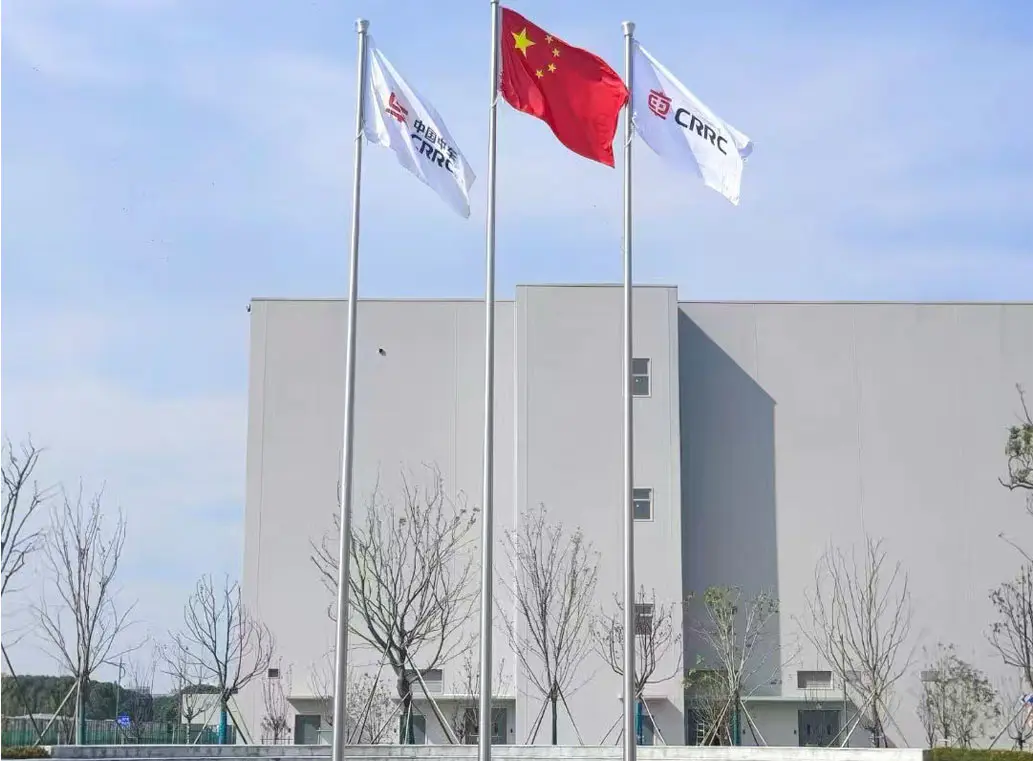



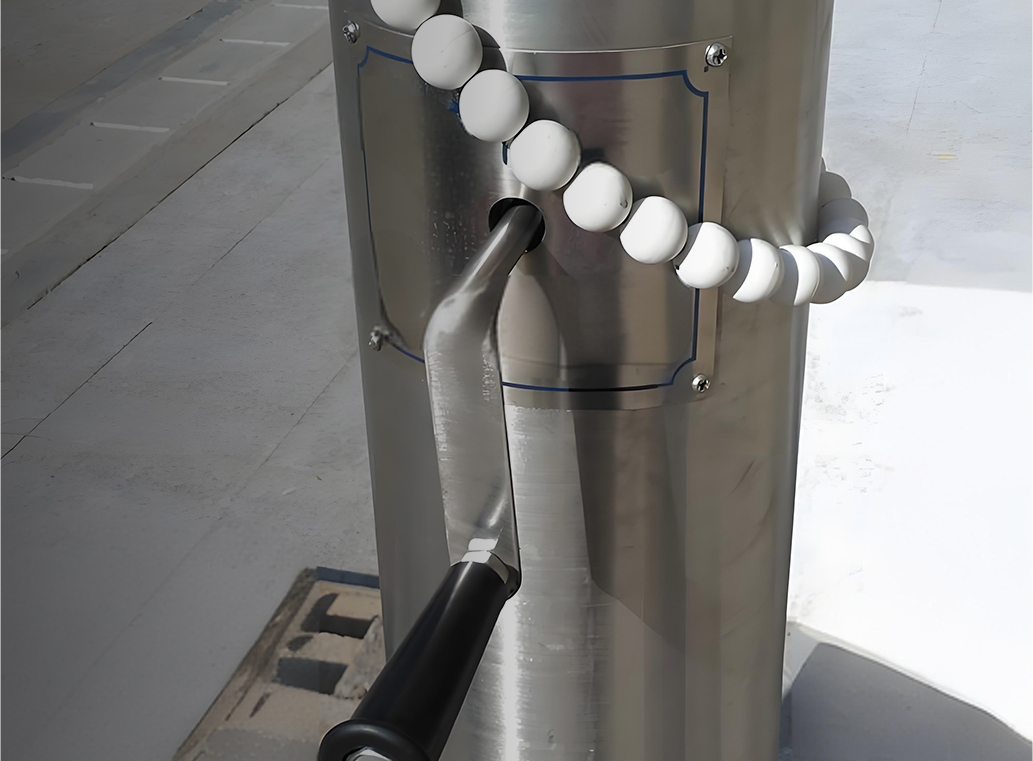

Flagpoles stand as proud symbols, gracing homes, businesses, and public spaces alike. While various materials are used in their construction, stainles......
READ MORESubmit feedback
Home / News / Industry News / Stainless Steel Flagpole vs Aluminum Alloy Flagpole: Which Material Is the Right Choice for Your Installation?
Stainless Steel Flagpole vs Aluminum Alloy Flagpole: Which Material Is the Right Choice for Your Installation?
Choosing between a stainless steel flagpole and an aluminum alloy flagpole is one of the most consequential decisions in any flagpole installation project. Stainless steel flagpoles deliver superior strength, exceptional corrosion resistance in the most demanding environments, and a premium visual presence, while aluminum alloy flagpoles offer a lighter weight, lower cost, and excellent all-round performance that satisfies the requirements of the vast majority of commercial and residential installations. Neither material is universally superior. The right choice depends on installation height, environmental exposure, budget, aesthetic priorities, and how long the flagpole needs to perform without significant maintenance.
This guide covers both materials in practical depth, examining their physical properties, performance in different environments, cost implications, installation requirements, and the specific situations where each one clearly outperforms the other. By the end, you will have the information needed to make a confident, well-informed decision for your specific project.
Material Properties: What Stainless Steel and Aluminum Alloy Actually Offer
Understanding the fundamental material properties of stainless steel and aluminum alloy helps explain why each one behaves the way it does in flagpole applications. These are not interchangeable materials with cosmetic differences. They have genuinely distinct physical characteristics that translate into different real-world performance profiles.
Stainless Steel Flagpole Material Characteristics
Stainless steel is an iron-based alloy containing a minimum of 10.5% chromium by mass. The chromium content creates a passive oxide layer on the surface that provides corrosion resistance and self-repairs when scratched or abraded. For flagpole applications, the most relevant grades are 304 and 316 stainless steel.
- Grade 304 stainless steel contains 18% chromium and 8% nickel. It provides excellent corrosion resistance in most atmospheric conditions and is widely used for flagpoles in inland urban and suburban environments.
- Grade 316 stainless steel adds 2 to 3% molybdenum to the 304 composition, significantly improving resistance to chloride-induced corrosion. This makes 316 the preferred grade for coastal and marine environments where salt spray is a persistent challenge.
- Tensile strength of common flagpole-grade stainless steel ranges from 515 to 620 megapascals for annealed 304, rising to 860 megapascals or higher for cold-worked material. This is substantially stronger than aluminum alloys on a direct comparison basis.
- Density of stainless steel is approximately 7,900 kilograms per cubic meter, making it roughly three times denser than aluminum alloy.
- The modulus of elasticity of stainless steel is approximately 193 gigapascals, meaning it deflects less under wind load than an aluminum pole of the same dimensions.
Aluminum Alloy Flagpole Material Characteristics
Aluminum alloy flagpoles are most commonly manufactured from 6061-T6 or 6063-T6 aluminum alloy. Both are heat-treated aluminum alloys that offer an excellent combination of strength, corrosion resistance, and machinability at a density approximately one third that of stainless steel.
- 6061-T6 aluminum alloy has a tensile strength of approximately 310 megapascals and excellent resistance to stress corrosion cracking. It is widely used for structural flagpole applications including tall commercial and government poles.
- 6063-T6 aluminum alloy has a slightly lower tensile strength of approximately 240 megapascals but offers superior surface finish quality after anodizing. It is the more common choice for residential and lighter commercial flagpoles where appearance is a priority.
- Density of aluminum alloy is approximately 2,700 kilograms per cubic meter, less than one third the weight of stainless steel.
- Aluminum forms a natural oxide layer on its surface when exposed to air, providing good inherent corrosion resistance that can be significantly enhanced by anodizing, a electrochemical process that thickens and hardens this oxide layer.
- The modulus of elasticity of aluminum alloy is approximately 69 gigapascals, about one third that of stainless steel, meaning an aluminum pole will flex more than a stainless steel pole of the same dimensions under the same wind load.
Direct Performance Comparison Across Key Flagpole Criteria
A side-by-side comparison of stainless steel and aluminum alloy flagpoles across the criteria that matter most to buyers and installers shows clearly where each material has a genuine advantage and where they perform comparably.
| Criterion | Stainless Steel Flagpole | Aluminum Alloy Flagpole |
|---|---|---|
| Tensile Strength | 515 to 860 MPa | 240 to 310 MPa |
| Weight (relative) | Heavy (3x aluminum) | Lightweight |
| Corrosion Resistance | Excellent (316 grade for marine) | Good to very good (anodized) |
| Wind Resistance | Very high rigidity | Good with correct wall thickness |
| Surface Finish Options | Mirror polish, brushed, satin | Anodized, powder coated, mill finish |
| Installation Ease | Requires heavy equipment for tall poles | Easier handling and erection |
| Maintenance Requirements | Very low | Low to moderate |
| Typical Cost (relative) | High to premium | Moderate to high |
| Expected Service Life | 50 years or more | 20 to 50 years depending on environment |
| Recyclability | Fully recyclable | Fully recyclable |
The table reveals that stainless steel leads on strength, rigidity, and longevity while aluminum alloy has clear advantages in weight, ease of installation, and cost. For the majority of standard commercial flagpole installations between 6 and 15 meters, aluminum alloy provides more than adequate structural performance at a significantly lower cost and installation complexity, which is why it accounts for the majority of flagpoles installed globally.
Corrosion Resistance in Different Environments
Corrosion is the primary long-term threat to the structural integrity and appearance of any outdoor metal flagpole. How each material resists corrosion in different environmental conditions is one of the most important factors in making the right material selection for a specific installation site.
Coastal and Marine Environments
Coastal environments present the most demanding corrosion challenge for flagpoles. Salt spray, high humidity, and airborne chlorides attack metallic surfaces continuously. In these conditions, the material choice becomes critical to long-term performance.
Grade 316 stainless steel is the clear leader in marine environments. Its molybdenum content specifically improves resistance to pitting and crevice corrosion caused by chlorides. A 316 stainless steel flagpole installed within 500 meters of the ocean will maintain its structural integrity and polished appearance for decades with minimal maintenance. 316 stainless steel passes ASTM B117 salt spray testing for over 1,000 hours without significant corrosion, a standard that represents the benchmark for marine-grade material selection.
Anodized aluminum alloy also performs reasonably well in coastal environments, but it is more vulnerable to pitting corrosion from chloride exposure than 316 stainless steel. An anodized 6061-T6 aluminum flagpole installed near the coast will require more frequent inspection and maintenance than an equivalent stainless steel pole. If the anodic coating is damaged or worn through, the underlying aluminum can corrode progressively in saline conditions. For installations within 200 meters of the ocean, 316 stainless steel is the more dependable long-term choice.
Industrial and Urban Environments
Urban and industrial environments expose flagpoles to acid rain, atmospheric sulfur compounds, vehicle exhaust, and industrial pollutants. Both stainless steel and anodized aluminum alloy perform well in these conditions, but through different mechanisms.
Stainless steel's passive chromium oxide layer is self-repairing when the surface is scratched or abraded, which is a significant advantage in urban environments where minor mechanical damage from installation, maintenance, or vandalism is likely. The self-healing quality means stainless steel maintains its corrosion protection even after surface damage without requiring immediate repair.
Anodized aluminum performs well in urban conditions but the anodic coating does not self-repair. Damage to the anodized layer requires localized treatment or recoating to prevent progressive corrosion in the exposed area. For high-traffic environments where pole contact and minor damage is possible, this is a relevant consideration.
Inland Temperate Environments
In inland areas with moderate humidity and no significant industrial or salt air exposure, both materials perform excellently. Anodized aluminum alloy flagpoles installed in these conditions routinely achieve service lives of 30 to 50 years with minimal maintenance beyond periodic cleaning. In this environment category, the cost and weight advantages of aluminum alloy are most strongly realized because the corrosion performance differential between the two materials is smallest.
Structural Performance and Wind Load Resistance
A flagpole is a vertical cantilever structure subjected to dynamic wind loading. The structural performance of a flagpole under wind load is determined by the material's stiffness, the pole's diameter and wall thickness, and its height. Understanding how stainless steel and aluminum alloy compare in structural terms helps ensure the right specification for poles expected to perform in high-wind locations.
Why Stainless Steel Resists Wind Deflection More Effectively
The modulus of elasticity, which describes a material's resistance to elastic deformation under load, is approximately 193 gigapascals for stainless steel compared to 69 gigapascals for aluminum alloy. This means that for two flagpoles of identical dimensions, the stainless steel pole will deflect approximately 2.8 times less under the same wind load. For tall poles where tip deflection becomes visible and potentially concerns onlookers, this rigidity advantage is meaningful.
In practical terms, a 20-meter stainless steel flagpole can be designed with a smaller wall thickness than an equivalent aluminum alloy pole and still achieve the same deflection performance, partially offsetting the weight difference between the two materials at large scales.
How Aluminum Alloy Poles Achieve Adequate Wind Resistance
Aluminum alloy flagpoles compensate for the material's lower modulus of elasticity through increased diameter and wall thickness at critical sections. A well-engineered tapered aluminum alloy flagpole uses a graduated wall thickness that is heavier at the base, where bending moments are greatest, and lighter toward the tip. This structural optimization allows aluminum alloy poles to meet the same wind loading specifications as stainless steel alternatives while maintaining competitive weight.
Most aluminum alloy flagpoles are designed to meet ANSI/NAAMM FP1001, the American National Standard for Metal Flagpoles, which specifies wind speed ratings for different pole heights and exposure categories. A properly specified 6061-T6 aluminum alloy flagpole meeting this standard will perform reliably in wind speeds that exceed those experienced in most installation locations.
Fatigue Resistance Under Cyclic Wind Loading
Flagpoles experience millions of load cycles over their service life as wind constantly pushes and releases the structure. Fatigue resistance, the ability to withstand repeated cyclic stress without developing cracks, is therefore an important structural property alongside static strength.
Stainless steel generally has superior fatigue resistance to aluminum alloy on an absolute stress basis. However, because aluminum alloy poles are typically designed with lower stress levels relative to their yield strength due to larger cross-sections, the practical fatigue performance of well-designed aluminum alloy flagpoles in normal service conditions is entirely adequate. Fatigue failures in aluminum flagpoles are typically associated with design defects, notches, or corrosion pitting that concentrates stress, rather than with the inherent material properties.
Weight, Handling, and Installation Considerations
The weight difference between stainless steel and aluminum alloy flagpoles has practical consequences that extend from transportation through to installation and any future repositioning or replacement of the pole.
Installation Complexity and Equipment Requirements
A 10-meter stainless steel flagpole with a 100mm diameter and appropriate wall thickness may weigh 80 to 120 kilograms. An equivalent aluminum alloy pole of the same external dimensions would weigh 28 to 45 kilograms. This three-fold weight difference has direct implications for the installation equipment and crew required.
Aluminum alloy flagpoles up to approximately 12 meters can often be erected manually by a small crew with the aid of simple rigging, reducing installation cost and eliminating the need to arrange crane access, which can be difficult in constrained urban sites or residential properties. Stainless steel flagpoles above 8 to 9 meters almost always require mechanical lifting equipment, adding cost and logistical complexity to the installation.
For very tall poles above 20 meters, the weight difference between the two materials becomes less decisive because both require heavy lifting equipment regardless of material. At this scale, the structural performance advantages of stainless steel, or the economic advantages of aluminum, dominate the material selection decision rather than installation practicality.
Foundation Design Implications
The foundation required for a flagpole must resist the overturning moment created by wind loading on the pole and flag. Because a stainless steel pole of equivalent strength to an aluminum pole can be made with thinner walls and therefore lighter, the foundation loading differences between the two materials are often smaller than the raw density comparison suggests. However, for poles of identical external geometry, a stainless steel pole will always impose a greater dead load on the foundation than its aluminum counterpart, which can influence foundation sizing in poor soil conditions.
Surface Finish, Aesthetics, and Visual Presence
The visual appearance of a flagpole contributes significantly to the overall impression of a building, campus, or public space. Both stainless steel and aluminum alloy can achieve excellent aesthetic results, but through different finishing processes and with different visual characteristics.
Stainless Steel Flagpole Finish Options
Stainless steel flagpoles can be produced in several surface finishes that provide distinctly different visual effects:
- Mirror polish (No. 8 finish): A highly reflective surface that creates a premium, architectural statement. Mirror polished stainless steel flagpoles have a dramatic visual presence in daylight and are frequently specified for landmark buildings, luxury hotels, and high-profile government installations.
- Brushed finish (No. 4 finish): A directional satin texture that is less reflective than mirror polish but equally elegant and more practical in environments where fingerprints and surface marks are a concern. This is the most widely specified finish for stainless steel architectural applications.
- Bead blasted finish: A matte, non-directional texture that minimizes surface reflectivity. Suited to installations where a more understated visual presence is preferred.
All stainless steel finishes maintain their appearance over time without paint or coating degradation, which is a significant long-term aesthetic advantage. A mirror-polished stainless steel flagpole installed today should look essentially the same after 30 years of outdoor exposure with periodic cleaning.
Aluminum Alloy Flagpole Finish Options
Aluminum alloy flagpoles offer a broader range of color and finish options than stainless steel, which is a significant advantage in projects where color coordination with building elements is important:
- Clear anodized: The most common finish for commercial aluminum flagpoles. It provides a clean, silver-grey appearance that complements most building facades and maintains excellent corrosion protection. Anodic coating thicknesses of 20 to 25 microns are standard for exterior applications.
- Dark bronze or black anodized: Electrochemically colored anodic coatings that provide a premium dark appearance suited to modern architectural contexts. These finishes coordinate well with dark window frames and contemporary building materials.
- Powder coated: A thermally cured polymer coating applied over a primer-treated aluminum surface. Powder coating is available in virtually any RAL or Pantone color, making it the most flexible finish option for color-matched installations. Quality powder coating on properly prepared aluminum achieves excellent weather resistance and maintains color for 15 to 25 years in typical outdoor environments.
- Mill finish: The natural, uncoated aluminum surface. Not recommended for outdoor use without additional surface treatment due to the risk of oxidation and surface staining over time.
Cost Analysis: Purchase Price, Installation, and Lifecycle
Cost comparison between stainless steel and aluminum alloy flagpoles needs to account for more than the initial purchase price. Installation cost, maintenance requirements, and expected service life all contribute to the total lifecycle cost of ownership.
Purchase Price Comparison
Stainless steel is significantly more expensive than aluminum alloy on a per-kilogram basis. Combined with the greater weight of stainless steel poles, the material cost difference translates into a substantial price premium. A stainless steel flagpole typically costs two to four times more than a comparable aluminum alloy flagpole of the same height and specification, depending on the grade of stainless steel, surface finish, and sourcing location.
For a standard 10-meter commercial flagpole installation, the price difference between a quality anodized aluminum alloy pole and an equivalent 316 stainless steel pole with brushed finish can range from several hundred to several thousand dollars or currency equivalents depending on market. For organizations with multiple flagpole installations or budget constraints, this cost differential is often the decisive factor in choosing aluminum alloy.
Installation Cost Differences
The lower weight of aluminum alloy flagpoles reduces installation labor and equipment costs. For poles in the 8 to 15 meter range, aluminum alloy installations often avoid crane hire costs entirely, saving anywhere from several hundred to over a thousand dollars in equipment costs alone. The foundation requirements for aluminum alloy poles are also sometimes less demanding due to lower dead load, which can reduce concrete and excavation costs modestly.
Lifecycle Cost Perspective
Over a 50-year lifecycle, the cost equation shifts somewhat in favor of stainless steel for demanding environments. A stainless steel flagpole in a coastal environment may require only periodic cleaning to maintain its performance and appearance across 50 years. An aluminum alloy pole in the same environment may require anodic coating inspection and repair at 15 to 20-year intervals, adding maintenance cost over the same period. However, in most inland and urban environments, the maintenance cost advantage of stainless steel is smaller, and the lower initial and installation cost of aluminum alloy represents a superior total value proposition across most typical installations.
Maintenance Requirements for Both Flagpole Types
Both stainless steel and aluminum alloy flagpoles are low-maintenance structures compared to painted steel, timber, or fiberglass alternatives. However, the specific maintenance requirements differ between the two materials and are worth understanding before making a long-term installation decision.
Stainless Steel Flagpole Maintenance
Stainless steel flagpoles require the least ongoing maintenance of any metallic flagpole material. The primary maintenance task is periodic cleaning to remove surface contamination that can, if left untreated for extended periods, compromise the passive oxide layer and allow surface staining or rust tea staining to develop.
- Clean the pole surface annually using clean water and a mild detergent. Rinse thoroughly to remove all detergent residue.
- In coastal environments, increase cleaning frequency to quarterly to remove chloride deposits before they can initiate pitting.
- Inspect halyard and pulley systems annually and replace worn components before failure. The mechanical hardware typically wears faster than the structural pole in any installation.
- Apply a stainless steel passivation treatment every 5 to 10 years in aggressive environments to restore the passive oxide layer to its maximum protective condition.
Aluminum Alloy Flagpole Maintenance
Anodized aluminum flagpoles are also low-maintenance but require attention to the integrity of the anodic surface coating over time:
- Clean annually with mild soapy water and a soft cloth. Avoid abrasive cleaners that can scratch the anodic layer.
- Inspect the anodic coating condition every 3 to 5 years for signs of pitting, chalking, or loss of coating in abraded areas.
- Treat any areas of bare aluminum exposed by damage or coating wear with an appropriate aluminum primer and touch-up coating to prevent progressive corrosion.
- For powder-coated poles, inspect for paint adhesion failure, chalking, or color fade at 5-year intervals and refinish as required to maintain both appearance and corrosion protection.
- Inspect and replace halyard, snap hooks, and truck pulley assemblies on the same schedule as stainless steel poles, as hardware wear is independent of pole material.
Which Flagpole Is Right for Your Specific Installation
With the properties, performance characteristics, and cost profiles of both materials clearly understood, the decision framework for specific installation scenarios becomes straightforward.
Choose a Stainless Steel Flagpole When
- The installation site is within 500 meters of the ocean or in a high-salinity coastal environment where chloride corrosion is a persistent risk.
- The project is a landmark, embassy, government building, or high-profile commercial property where the flagpole is expected to make a premium visual statement and represent enduring quality.
- The installation is in an industrial environment with heavy chemical air pollution where maximum corrosion resistance is required.
- The project specification requires a polished, reflective surface finish that is not achievable with aluminum anodizing.
- A very long service life of 50 years or more with minimal maintenance intervention is a primary project requirement.
Choose an Aluminum Alloy Flagpole When
- The installation is in an inland or urban environment where corrosion conditions are moderate and anodized aluminum will perform reliably for decades.
- Budget is a significant consideration and the cost saving of aluminum alloy over stainless steel is material to the project economics.
- The installation site has restricted crane or heavy equipment access and lighter pole weight is necessary for practical erection.
- A specific color other than metallic silver or bronze is required and powder coating is the preferred finishing method.
- Multiple flagpoles are being installed across a large site or portfolio where the cumulative cost and installation savings of aluminum alloy over stainless steel are substantial.
Both stainless steel and aluminum alloy represent excellent engineering choices for flagpole applications when correctly specified for their intended environment. The material decision should always be driven by site conditions, project requirements, and lifecycle expectations rather than by material preference alone. A well-specified aluminum alloy flagpole in a benign inland environment will outlast a poorly maintained stainless steel pole in an aggressive coastal environment, regardless of the material hierarchy in absolute performance terms. Matching the right material to the right conditions is the foundation of a flagpole installation that performs and looks exactly as intended for decades to come.
Previous Post
How Do You Install and Maintain an Aluminum Alloy Flagpole Correctly?
Next Post
Why Is the Aluminum Alloy Flagpole the Superior Choice for Modern Outdoor Environments?
News
-
-
1. Understanding the Importance of Regular Maintenance for Aluminum Alloy Flagpoles Regular maintenance of your aluminum alloy flagpole is essential ......
READ MORE -
Unique advantages of aluminum alloy: Why it is the preferred material for flagpoles In today's society, flagpoles are not only a tool for displaying f......
READ MORE -
What is the aluminum alloy electric intelligent lifting conical flagpole? The aluminum alloy electric intelligent lifting conical flagpole is a high-e......
READ MORE

Copyright Jiangsu Shengqi Weiye Intelligent Technology Co., Ltd. All Rights Reserved.
 Custom Commercial Flagpoles Suppliers