
 English
 русский
 عربى
عربى
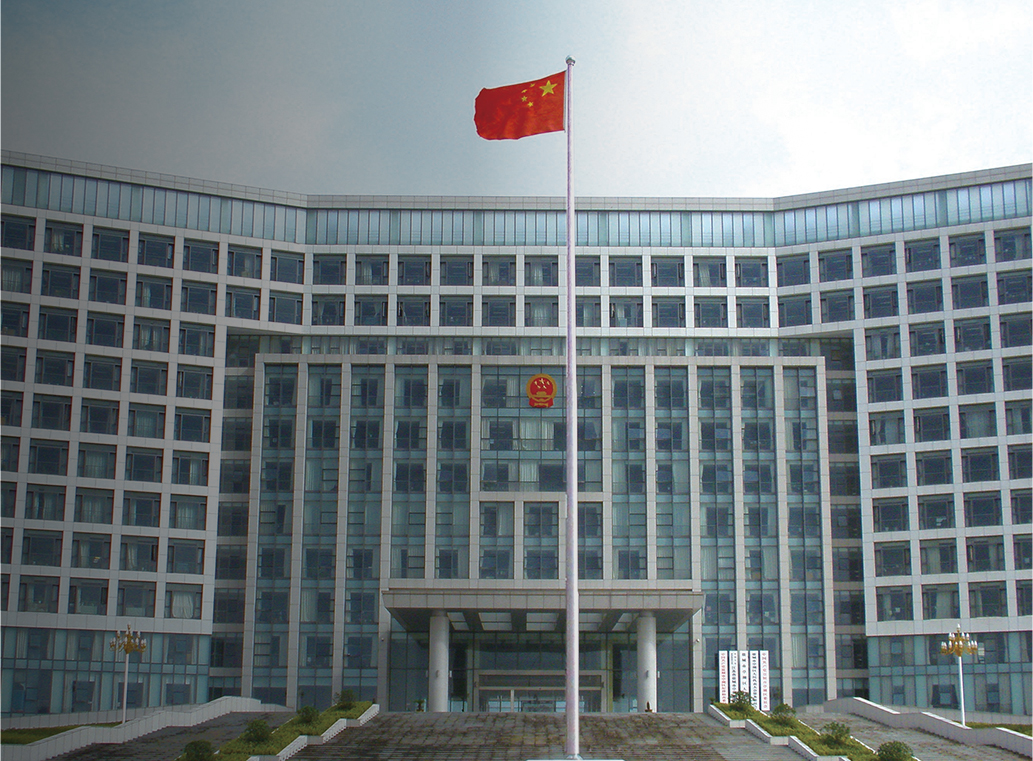
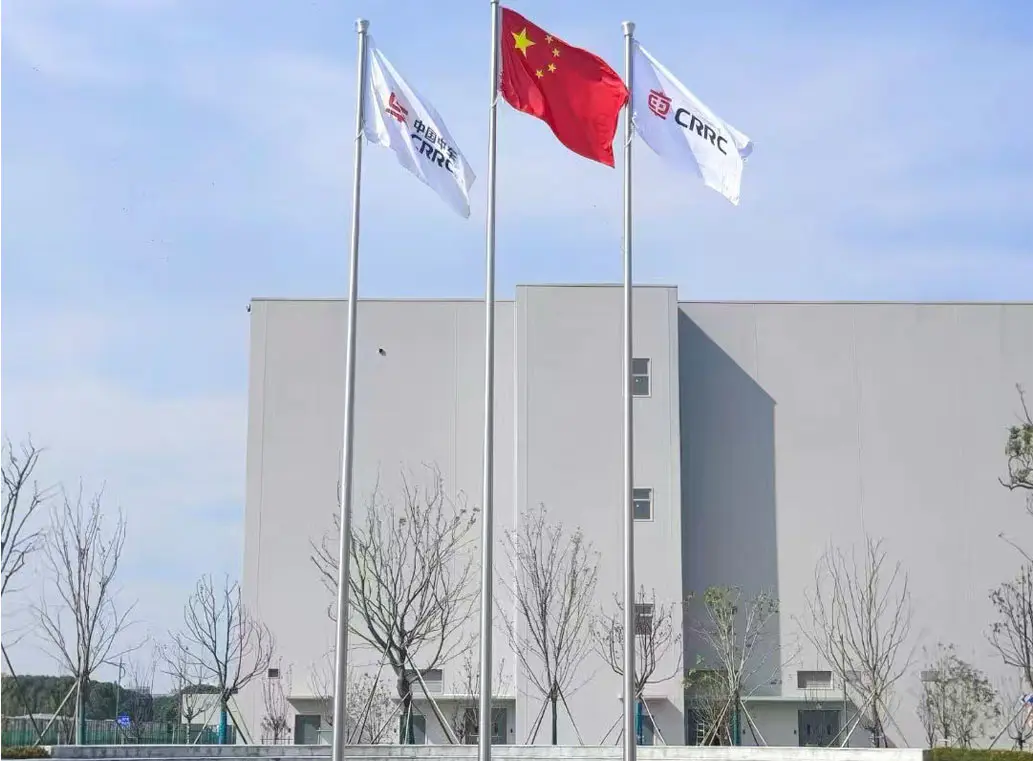
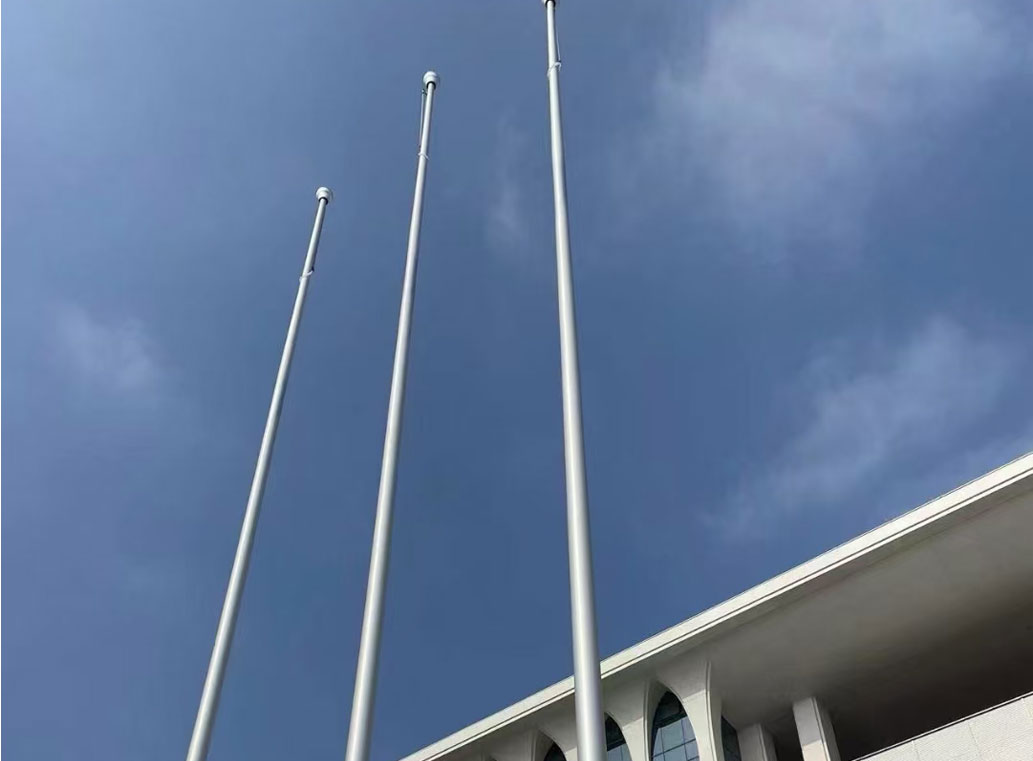
Flagpoles stand as proud symbols, gracing homes, businesses, and public spaces alike. While various materials are used in their construction, stainles......
READ MORESubmit feedback
How Do You Install and Maintain an Aluminum Alloy Flagpole Correctly?
An aluminum alloy flagpole is the dominant choice for commercial, institutional, and residential flag display across the world, and for good reason. The combination of structural strength, complete corrosion resistance, low maintenance, and longevity that aluminum alloy delivers in flagpole applications produces a product that outperforms both steel and fiberglass alternatives across the majority of installation contexts. Whether a flagpole is destined for the forecourt of a government building, the entrance to a corporate campus, the grounds of a school or sports facility, or a private residential property, the aluminum alloy version provides the most practical and long term economical solution in most cases.
The direct conclusion for anyone selecting an aluminum alloy flagpole is this: the correct specification requires matching the alloy grade and wall thickness to the installation height and the wind loading conditions of the site, selecting between internal and external halyard systems based on security and operational requirements, and specifying the correct foundation design for the pole's height, weight, and the soil conditions at the installation location. An undersized pole or inadequately engineered foundation is not merely a performance issue; it is a structural safety issue that can result in pole failure during high wind events. This article covers all of these dimensions in full practical depth.
Why Aluminum Alloy Is the Material of Choice for Flagpoles
Aluminum alloy flagpoles have dominated the commercial flagpole market for decades because the material's intrinsic properties are uniquely well suited to the combination of structural, environmental, and aesthetic demands that flagpole applications impose. Understanding these properties explains both why aluminum alloy is specified and how it should be maintained to deliver its full service potential.
Corrosion Resistance Without Painting or Coating
When aluminum alloy is exposed to atmospheric oxygen, it immediately forms a thin, dense, self healing layer of aluminum oxide on its surface. This passive oxide layer is chemically stable and physically adherent, protecting the underlying metal from further oxidation. Unlike the iron oxides that form on steel (rust), which are porous, expansive, and continue to grow through the metal until it fails, the aluminum oxide layer is protective, stable, and self renewing. An aluminum alloy flagpole in a normal atmospheric environment requires no surface coating to maintain its structural integrity and acceptable appearance for its entire service life of 30 to 50 years, which is a fundamental maintenance cost advantage over equivalent steel poles that require regular repainting to prevent structural corrosion.
In marine and coastal environments where salt spray is present, the corrosion resistance advantage of aluminum alloy over steel is even more pronounced. Steel poles in coastal settings require stainless steel hardware and regular paint maintenance to prevent rapid corrosive attack; aluminum alloy poles in the same environment with the appropriate alloy selection (6061 T6 or 6063 T6 for standard applications, 5052 or 5086 series for severe marine service) require only periodic cleaning to remain structurally and aesthetically acceptable.
Strength to Weight Ratio and Structural Performance
Aluminum alloy flagpoles achieve their structural performance from the mechanical properties of the alloy, primarily the 6000 series alloys (6061 and 6063) that are most widely used in flagpole manufacture. These alloys combine a tensile strength of 240 to 310 MPa with a density of only 2.70 g/cm3, giving them a strength to weight ratio that is comparable to structural steel while being approximately one third the weight. For flagpole applications, this weight advantage means that an aluminum alloy pole of 9 to 12 meters height can be installed and handled without heavy lifting equipment, and the reduced pole weight reduces the bending moment imposed on the foundation, allowing a less massive foundation design compared to an equivalent steel pole.
The 6063 T6 alloy, in particular, is the standard specification for extruded aluminum flagpoles because its extrusion characteristics produce consistent wall thickness and straightness in the tapered sections that define the aesthetic profile of a quality flagpole. The T6 temper designation indicates that the alloy has been solution heat treated and artificially aged to develop its full mechanical properties, which is the standard processing route for structural aluminum alloy components.
Anodizing and Surface Finishing Options
While aluminum alloy flagpoles do not require surface treatment for corrosion protection, they are commonly supplied with an anodized finish that enhances both appearance and surface durability. Anodizing is an electrochemical process that thickens the naturally occurring oxide layer to 15 to 25 micrometers, producing a harder, more wear resistant, and more aesthetically consistent surface than the natural oxide. Architectural anodizing to AA M12C22A41 specification (clear) or AA M12C22A44 specification (color) is the standard for commercial grade aluminum alloy flagpoles, producing a silver or bronze finish that is resistant to UV fading, surface marring, and atmospheric staining. Powder coated finishes in a range of colors are also available for installations where visual identity or site specific color requirements make a custom color desirable.
Aluminum Alloy Flagpole Designs and Halyard Systems
Aluminum alloy flagpoles are produced in several design configurations that address different operational requirements, aesthetic preferences, and security considerations. The choice between these configurations is one of the primary decisions in flagpole specification after height and structural grade have been determined.
External Halyard Systems
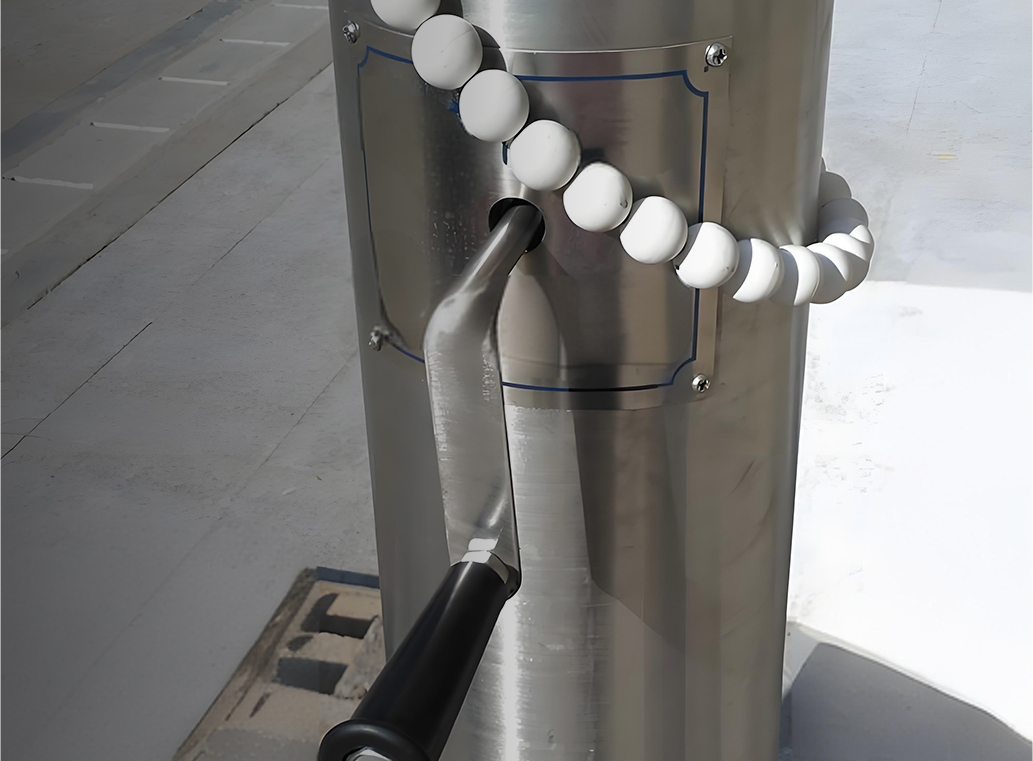
An external halyard flagpole routes the rope or wire halyard on the outside of the pole, with the halyard traveling from the finial truck at the pole top, down the exterior of the shaft, through a cleat or cam cleat mounted on the pole side, and then back up to attach to the flag. External halyard systems are the most common configuration for residential, light commercial, and institutional flagpoles because they are lower in cost to manufacture, easier to service if the halyard requires replacement, and simpler to operate without specialized knowledge. The halyard cleat is typically positioned at a height of 1.5 to 2.0 meters above ground level, accessible without a ladder for flag raising and lowering operations.
Internal Halyard Systems
An internal halyard flagpole routes the halyard inside the hollow shaft of the aluminum alloy pole, emerging through a small access door located near the base of the pole that can be locked to prevent unauthorized lowering or removal of the flag. Internal halyard systems are specified for installations where security of the flag display is important, where the visual appearance of an external rope would be objectionable, or where the halyard must be protected from tampering, weather, or UV degradation. Internal halyard aluminum alloy flagpoles are standard in high security government installations, embassies, military facilities, and corporate headquarters where the flag must remain at a set position and be protected from unauthorized access, and they account for the majority of flagpoles in the above 10 meter commercial grade market segment.
The internal halyard system typically uses a stainless steel wire halyard rather than a rope, which reduces stretch under wind loading and does not degrade from UV exposure inside the pole shaft. A counterweight or tensioning mechanism is often incorporated to maintain appropriate halyard tension and prevent the halyard from slapping inside the pole, which can create audible noise in windy conditions.
Outrigger and Wall Mounted Aluminum Alloy Flagpoles
Where ground space does not permit a freestanding aluminum alloy flagpole, outrigger or wall mounted configurations extend a horizontal or angled pole from a wall mounted bracket, allowing flags to be displayed on building facades, bridge parapets, or other vertical surfaces. Outrigger flagpoles in aluminum alloy are specified for retail environments, shopping centers, hotels, and commercial buildings where facade mounted flag display is preferred over ground mounted installations. The structural connection between the outrigger pole and the wall mounting bracket must be designed to resist the full wind loading that the flag and pole assembly will impose on the wall at the mounting points.
Structural Specification: Height, Wind Loading, and Wall Thickness
The structural adequacy of an aluminum alloy flagpole is the most critical specification dimension because a pole that is undersized for the wind loads at its installation site will fail, potentially causing property damage or personal injury. Flagpole structural specifications are governed by national and international standards in most markets, and compliance with the applicable standard is a minimum requirement for any commercial installation.
| Pole Height (m) | Typical Base Diameter (mm) | Typical Wall Thickness (mm) | Rated Wind Speed (km/h) | Recommended Application |
|---|---|---|---|---|
| 4 to 6 | 76 to 90 | 3.2 to 4.0 | 130 to 150 | Residential, garden, small courtyard |
| 7 to 9 | 114 to 140 | 4.0 to 5.0 | 150 to 170 | Light commercial, school entrance, small forecourt |
| 10 to 12 | 152 to 178 | 5.0 to 6.4 | 160 to 180 | Commercial, corporate campus, government building |
| 13 to 18 | 203 to 254 | 6.4 to 9.5 | 170 to 200 | High profile civic, stadium, port, high wind site |
| Above 18 | Above 254 | 9.5 and above | Site specific calculation required | Landmark, border crossing, national monument |
Wind loading on a flagpole is calculated by multiplying the wind pressure acting on the exposed pole shaft and the flag by the pole's height above ground, producing a bending moment at the base that the pole wall must resist in bending without yielding. For commercial aluminum alloy flagpoles, structural calculations are typically performed to the requirements of the applicable national standard (ANSI/NAAMM FP1001 in the United States, BS EN 40 in the United Kingdom, or equivalent national standards in other markets) using site specific design wind speeds obtained from the applicable national wind loading code for the installation location.
Foundation Design and Installation Requirements
The foundation system of an aluminum alloy flagpole is as structurally critical as the pole itself because all of the wind loading imposed on the pole is transferred to the ground through the foundation. An undersized or incorrectly constructed foundation will cause the pole to tilt, sink, or overturn regardless of how well the pole itself is specified and manufactured.
Ground Set vs Flush Base Installation
Aluminum alloy flagpoles are installed using one of two primary foundation methods:
- Ground set (direct burial) installation: The base section of the pole is buried directly in a concrete foundation, with the bottom of the pole resting in the concrete or supported by a steel sleeve grouted into the concrete. Ground set installation is the standard approach for residential and light commercial poles up to approximately 12 meters height. The concrete foundation is sized based on the bending moment at the ground line and the bearing capacity of the soil, and typical foundation dimensions for a 9 meter commercial pole are 600 to 750 mm in diameter and 1,500 to 2,000 mm in depth.
- Flush base installation: A steel anchor bolt pattern is cast into a concrete foundation before pole erection, and the pole base plate is bolted to the protruding anchor bolt assembly after the concrete has cured. Flush base installation is preferred for taller poles and for installations where the pole must be removable or replaceable without disturbing the foundation, such as in areas subject to periodic flooding, in building forecourts where the foundation interferes with underground services, and in applications where future pole replacement is anticipated.
Foundation Sizing and Soil Considerations
Foundation size must be calculated for the specific combination of pole height, design wind speed, flag size, and soil bearing capacity at the installation site. Soft soils (made ground, clay, or waterlogged ground) require significantly larger foundations than competent natural soils because their lower bearing capacity reduces the resistance to the overturning moment that the wind load imposes. In some locations, driven steel pile foundations or micro pile systems are used instead of cast concrete foundations where the soil conditions or underground obstructions prevent conventional excavation.
Maintenance, Service Life, and Replacement Indicators
One of the most commercially significant advantages of aluminum alloy flagpoles is their extremely low maintenance requirement compared to alternative materials. A properly specified and installed aluminum alloy flagpole in a typical urban or suburban environment requires only the following maintenance activities to remain in good structural and aesthetic condition for its service life:
- Annual cleaning of the pole shaft. Atmospheric dust, pollution deposits, and biological growth (algae, lichen) can accumulate on the anodized or powder coated pole surface over time, reducing its appearance quality. Washing the pole shaft with clean water and a mild detergent applied with a soft brush or cloth, then rinsing thoroughly, maintains the surface appearance without damaging the anodized or painted finish.
- Periodic inspection and replacement of the halyard. The rope or wire halyard is the most mechanically stressed component in the flagpole system, subjected to wind load cycling and UV degradation throughout its service life. External rope halyards typically require replacement every 3 to 5 years depending on climate and use frequency; internal stainless steel wire halyards typically last 10 to 15 years before replacement is warranted by visible wear or strand failures.
- Lubrication of the truck assembly and rotating hardware. The truck (top fitting) of the flagpole includes a rotating component that allows the flag snap hooks to pivot freely to follow the wind direction. Lubricating this bearing and any other rotating hardware at the same intervals as halyard inspection prevents seizing and reduces wear noise that can be amplified by the hollow pole shaft.
- Post storm inspection following severe weather events. After any wind event that exceeds the normal meteorological conditions for the site, the pole should be visually inspected for visible deformation, unusual tilt, cracking around the base connection, and any loosening of the foundation. These are early indicators of structural distress that should be investigated and corrected before the pole is returned to service with a flag flying.
The structural service life of a quality aluminum alloy flagpole from a reputable manufacturer is 30 to 50 years under normal atmospheric conditions, far exceeding the 10 to 20 year replacement cycles common with steel poles that require regular paint maintenance to remain structurally sound. This longevity, combined with aluminum's low maintenance requirement and the straightforward installation process for standard commercial pole heights, makes the aluminum alloy flagpole the most cost effective and practically superior choice for the vast majority of flag display applications.
Previous Post
Why is the Aluminum Alloy Flagpole the Preferred Choice for Modern Architectural Landmarks?
Next Post
Stainless Steel Flagpole vs Aluminum Alloy Flagpole: Which Material Is the Right Choice for Your Installation?
News
-
-
1. Understanding the Importance of Regular Maintenance for Aluminum Alloy Flagpoles Regular maintenance of your aluminum alloy flagpole is essential ......
READ MORE -
Unique advantages of aluminum alloy: Why it is the preferred material for flagpoles In today's society, flagpoles are not only a tool for displaying f......
READ MORE -
What is the aluminum alloy electric intelligent lifting conical flagpole? The aluminum alloy electric intelligent lifting conical flagpole is a high-e......
READ MORE

Copyright Jiangsu Shengqi Weiye Intelligent Technology Co., Ltd. All Rights Reserved.
 Custom Commercial Flagpoles Suppliers