
 English
 русский
 عربى
عربى
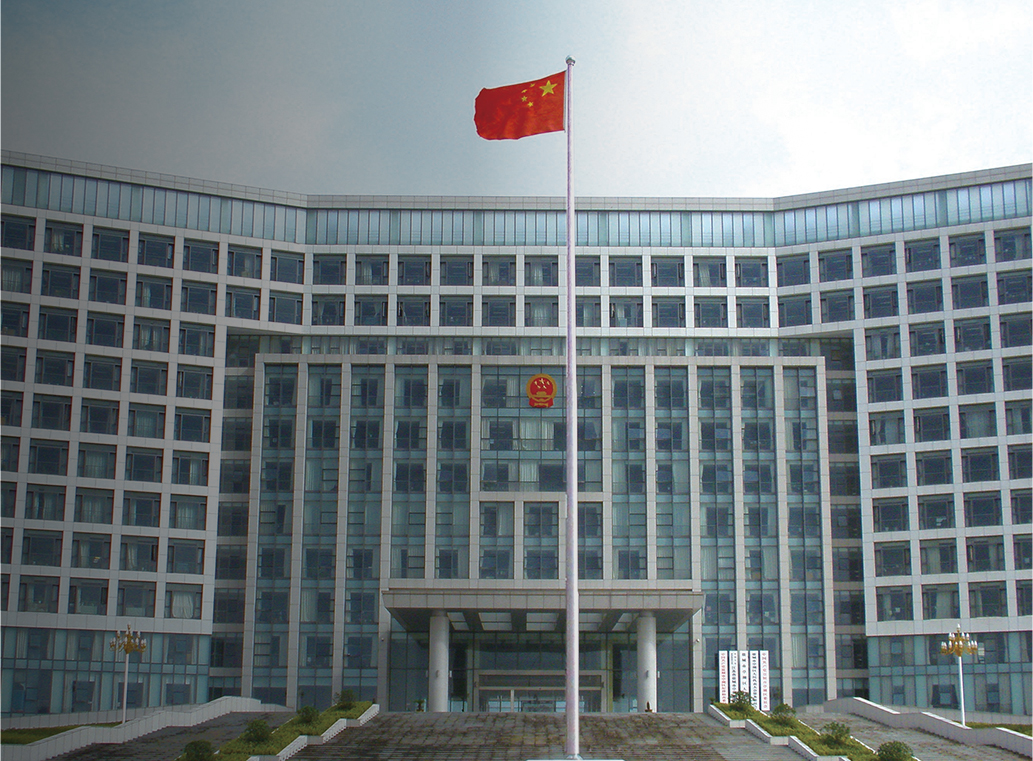
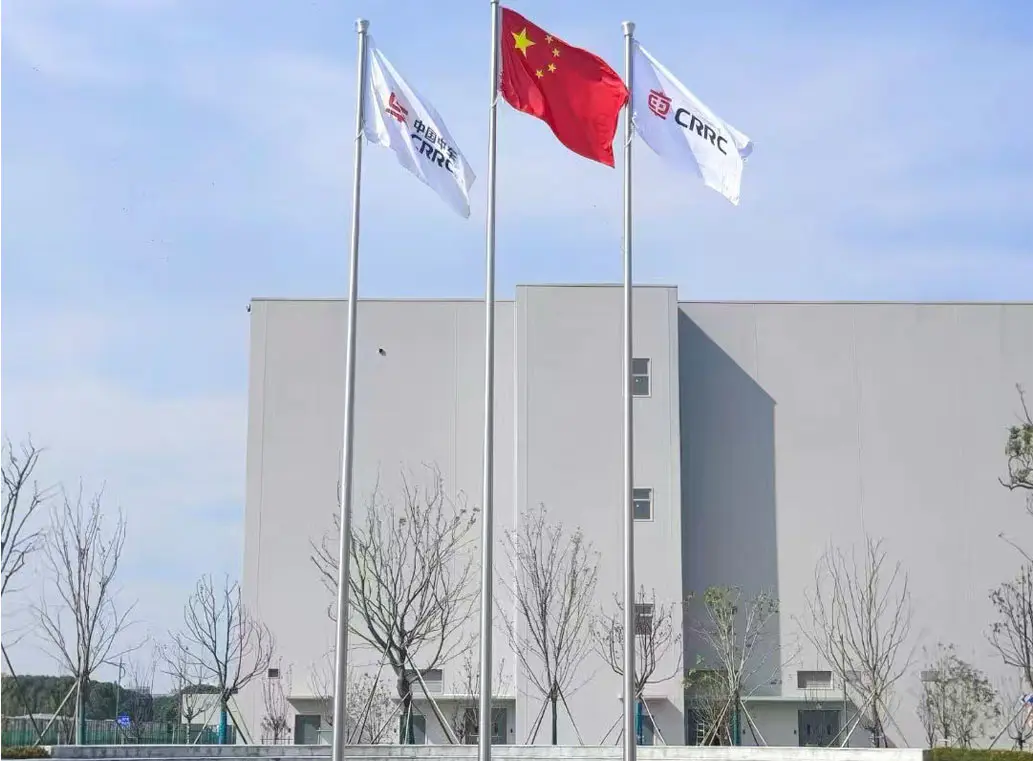
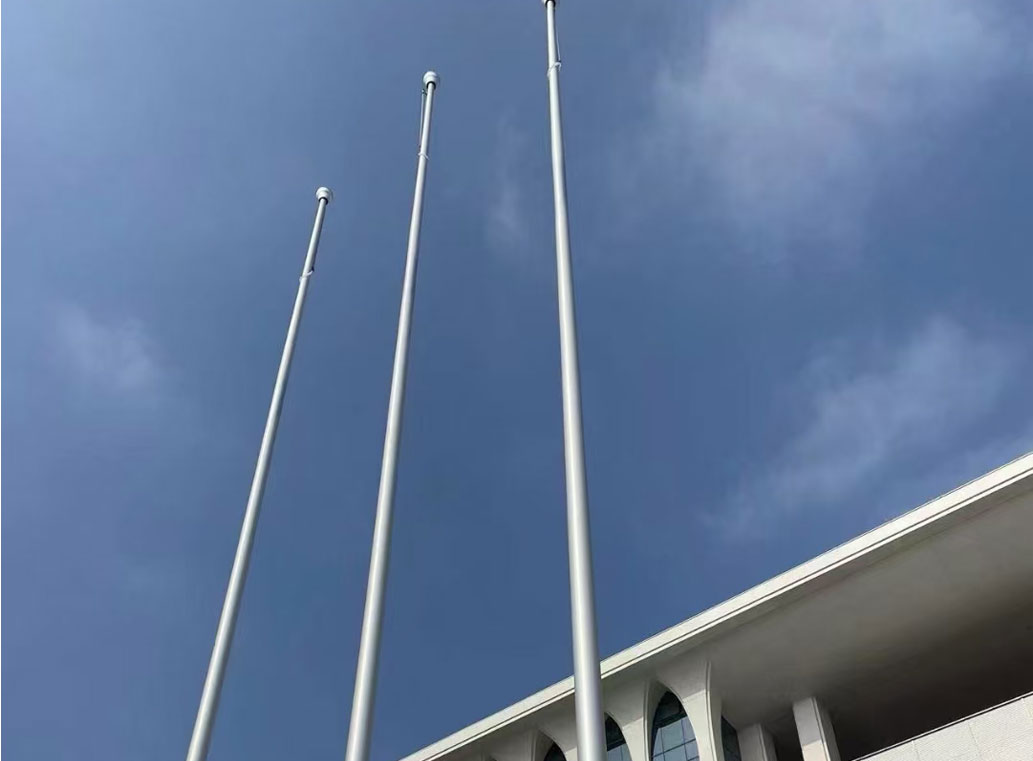
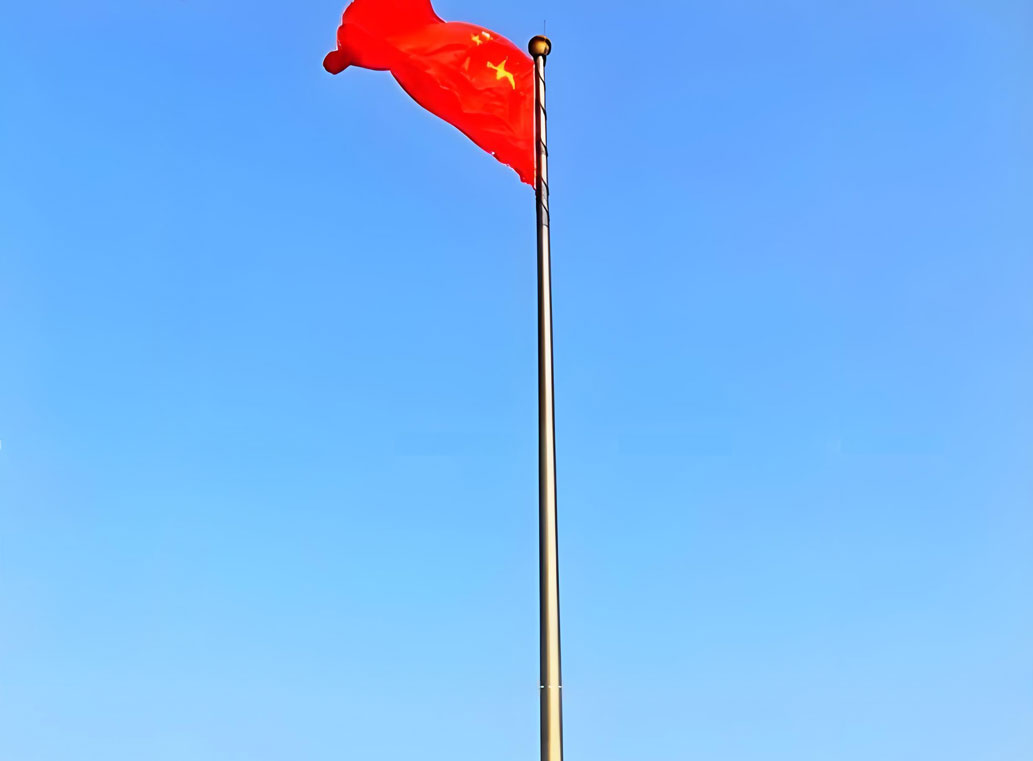
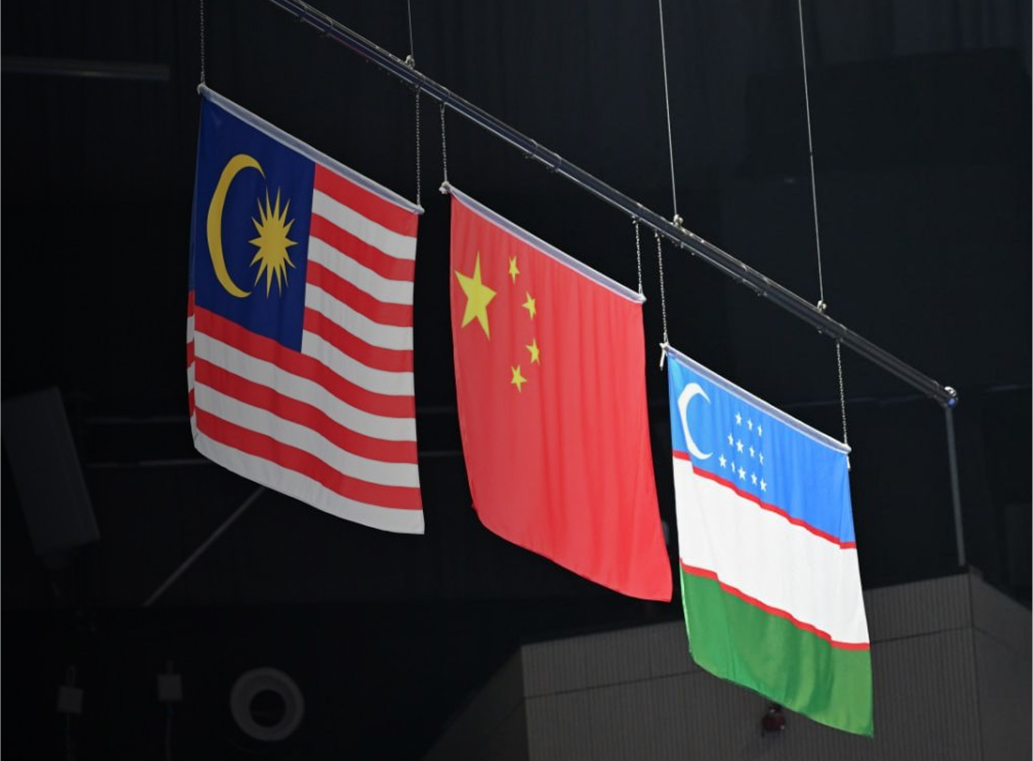
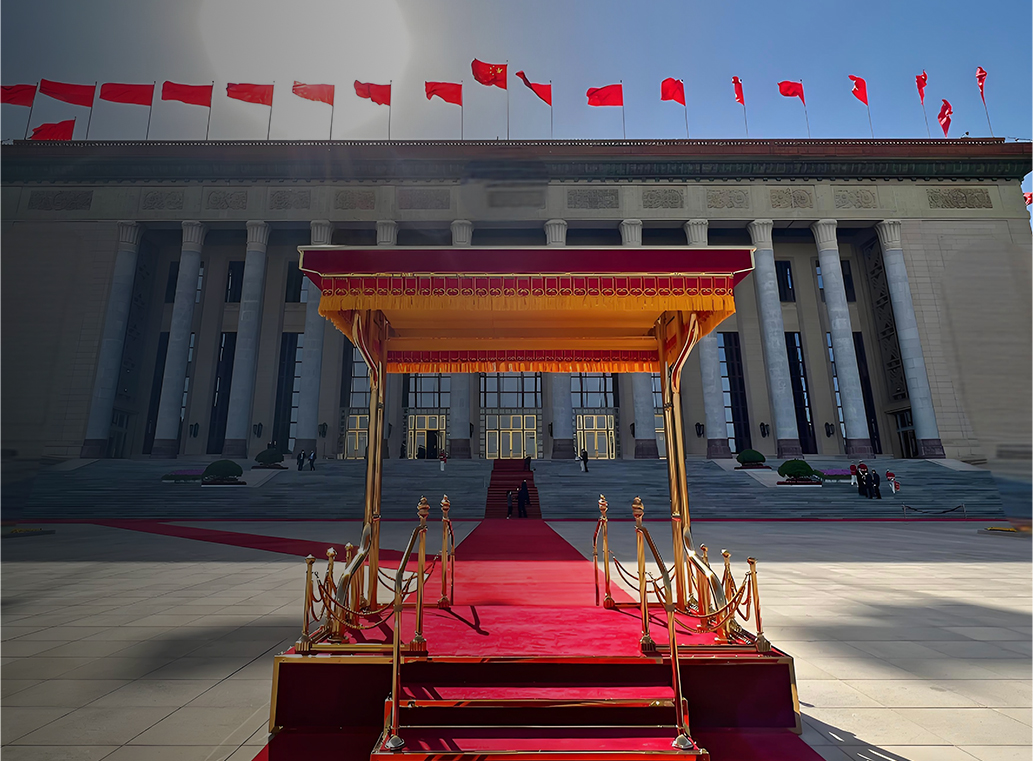
Flagpoles stand as proud symbols, gracing homes, businesses, and public spaces alike. While various materials are used in their construction, stainles......
READ MORESubmit feedback
Home / News / Industry News / Why is the Aluminum Alloy Flagpole the Preferred Choice for Modern Architectural Landmarks?
Why is the Aluminum Alloy Flagpole the Preferred Choice for Modern Architectural Landmarks?
How Does High-Grade Aluminum Provide Unmatched Corrosion Resistance?
One of the primary challenges for any outdoor structure is the constant battle against the elements. Why is the Aluminum Alloy Flagpole particularly effective in coastal or high-humidity environments? Unlike carbon steel, which is prone to rusting if the surface coating is compromised, aluminum naturally forms a protective oxide layer.
By using specialized 6063-T6 or 6061-T6 aluminum alloys, manufacturers ensure that the flagpole remains structurally sound for decades. This material:
-
Eliminates Rusting: Even if the surface is scratched, the exposed aluminum will not corrode like iron.
-
Resists Sea Salt: It is highly resistant to chloride-induced corrosion, making it the ideal choice for seaside resorts and ports.
-
Maintains Color: With advanced anodizing or powder coating treatments, the silver, gold, or custom color finish remains vibrant without peeling.
What are the Technical Specifications of a Professional Grade Aluminum Flagpole?
To ensure safety and performance under high wind loads, the technical parameters of the Aluminum Alloy Flagpole must be precision-engineered. The following table summarizes the core attributes of our premium tapered aluminum flagpoles.
|
Feature Attribute |
Technical Specification Details |
|---|---|
|
Material Grade |
6063-T6 or 6061-T6 High-Strength Aluminum Alloy |
|
Height Range |
6 Meters to 35 Meters (Customizable) |
|
Surface Treatment |
Anodized Silver, Powder Coated (RAL Colors), or Brushed Finish |
|
Manufacturing Process |
Seamless Extrusion or Tapered Spun Process |
|
Wind Resistance Rating |
Up to 150 km/h (Varies by Height and Wall Thickness) |
|
Halyard System |
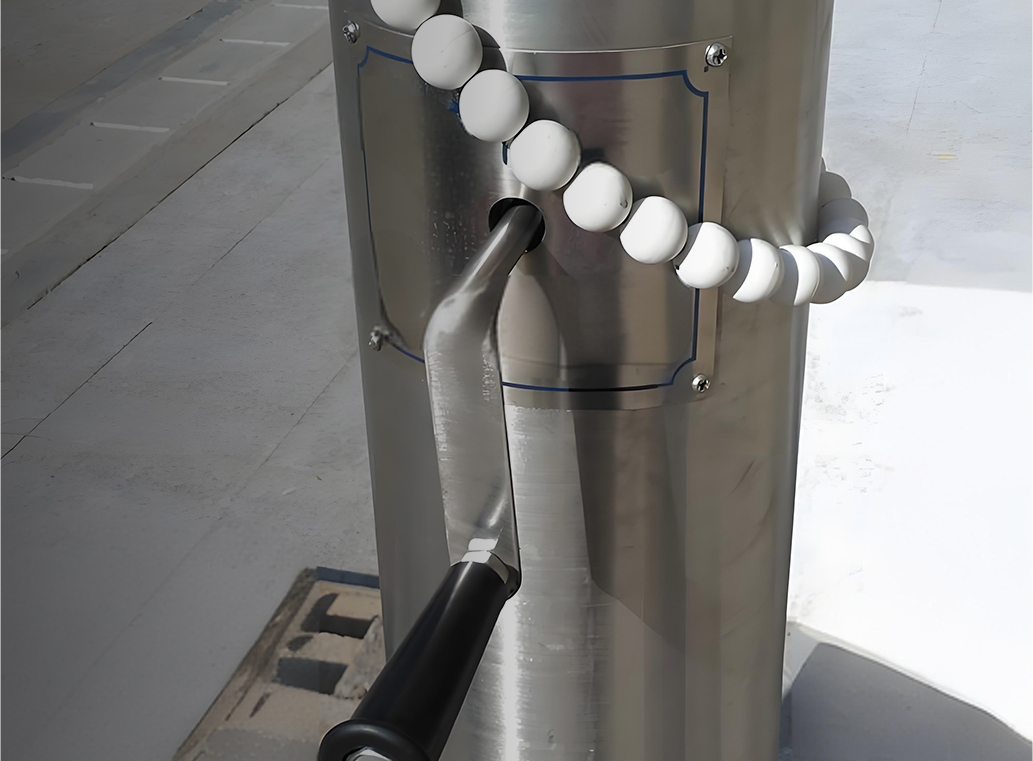
Internal Manual Winch or External Cleat System |
|
Base Type |
Stainless Steel Hinged Base or Fixed Base Plate |
|
Wall Thickness |
3.0mm to 8.0mm (Engineered for Height) |
Is the Internal Halyard System the Ultimate Solution for Vandalism Prevention?
Standard flagpoles often utilize an external rope and cleat system, but does this pose a security risk? A high-end Aluminum Alloy Flagpole is typically designed with an internal halyard system. This means the rope or stainless steel cable is housed entirely inside the hollow shaft of the pole.
This design offers several functional advantages:
-
Theft Prevention: Access to the flag is restricted by a lockable access door, preventing unauthorized individuals from lowering or stealing the flag.
-
Noise Reduction: In windy conditions, external ropes often slap against the pole, creating a constant metallic noise. An internal system eliminates this "clanging," ensuring a quiet environment for nearby offices or residential areas.
-
Sleek Aesthetics: Without ropes dangling on the outside, the clean, tapered lines of the flagpole are fully showcased.
How Does the Tapered Spun Process Enhance Structural Integrity?
Have you noticed how modern flagpoles smoothly narrow from the base to the top? This is achieved through a specialized tapered spun process. Why is this better than a segmented or stepped design?
The spun process involves rotating the aluminum tube at high speeds while applying pressure to taper it. This results in a seamless, single-piece structure. This manufacturing method:
-
Distributes Stress Evenly: There are no welded joints or steps that could act as failure points under high wind pressure.
-
Improves Aerodynamics: The smooth profile allows wind to flow around the pole with less resistance, reducing the vibration and sway often seen in lower-quality poles.
-
Provides a Premium Finish: The seamless surface allows for a perfectly uniform finish during the anodizing or painting stage.
Why is a Rotating Finial Essential for Extending Flag Life?
The flag itself is a significant investment, especially for large-scale displays. Can the design of the Aluminum Alloy Flagpole help protect the fabric from tearing? The secret lies in the 360-degree rotating truck (finial) at the top of the pole.
Equipped with high-quality stainless steel ball bearings, the rotating truck allows the flag to turn freely with the wind. This prevents the flag from wrapping around the pole, a common problem that leads to increased friction and rapid fraying of the edges. By ensuring the flag always flies "downwind," the rotating finial significantly extends the life of the flag and ensures it is always displayed prominently.
Can Custom Color Options Better Integrate with Corporate Branding?
While silver is the traditional color, does an Aluminum Alloy Flagpole allow for more creative freedom? Unlike stainless steel, which is difficult to color, aluminum is highly receptive to powder coating.
Corporate hubs can specify flagpoles in their brand's exact RAL color codes. Whether it is a matte black finish for a minimalist tech campus or a classic bronze for a historic government building, the color is baked onto the aluminum surface at high temperatures. This creates a bond that is resistant to UV fading, chipping, and environmental pollutants, ensuring the flagpole serves as a long-term branding asset.
Is the Installation Process Simplified by Lightweight Materials?
When dealing with a 20-meter structure, how much does the weight of the material matter? Steel flagpoles are incredibly heavy, often requiring massive cranes and specialized transport. The Aluminum Alloy Flagpole, being approximately one-third the weight of steel, offers significant logistical benefits.
The lightweight nature of aluminum simplifies:
-
Transport: More poles can be shipped per load, reducing transportation costs.
-
On-Site Handling: Smaller crews can manage the assembly and positioning.
-
Maintenance: If the pole needs to be lowered for repair or inspection, the hinged base design combined with the lighter weight makes the process much safer and faster.
How Does the Hinged Base System Facilitate Easy Maintenance?
Maintaining the top of a 30-meter flagpole can be a daunting task. Does one need a cherry picker or a steeplejack every time a pulley needs oiling? Not with a modern Aluminum Alloy Flagpole equipped with a hinged base system.
The hinged base allows the entire pole to be tilted down to ground level. This means that:
-
Safety is Enhanced: Technicians can work at waist height rather than high in the air.
-
Costs are Reduced: There is no need to rent expensive aerial platforms for simple maintenance tasks like replacing a cable or cleaning the finial.
-
Speed is Increased: Routine inspections can be completed in a fraction of the time required for fixed-base poles.
Why are Seamless Extruded Tubes Superior for High-Wind Zones?
In regions prone to typhoons or hurricanes, what prevents a flagpole from snapping? The answer lies in the use of seamless extruded tubes. In the production of a high-quality Aluminum Alloy Flagpole, the tube is formed as a single continuous piece without any longitudinal welds.
Welded seams are inherently weaker than the base metal and are often the first place where cracks or corrosion begin. By using seamless technology, the structural strength is uniform around the entire circumference of the pole. This allows the pole to flex and bend under extreme wind loads without permanent deformation, returning to its vertical position once the storm has passed.
Is Your Project Ready for the Durability of an Aluminum Flagpole?
Choosing the right flagpole is an investment in the long-term image of a facility. Are you ready to bring your architectural vision to life with a product that combines beauty, safety, and longevity? The Aluminum Alloy Flagpole is more than just a piece of hardware; it is a precision-engineered landmark. From its internal winching system and rotating finials to its rust-proof aluminum body, every feature is designed to ensure that your flags fly high and proud, regardless of the weather or environment. Whether for a government hub, a sports stadium, or a corporate plaza, professional aluminum flagpoles offer the unparalleled quality and expertise required for a world-class display.
Previous Post
Stainless Steel Flagpole: Why Is It the Preferred Choice for Government, Commercial, and Residential Flag Displays?
Next Post
How Do You Install and Maintain an Aluminum Alloy Flagpole Correctly?
News
-
-
1. Understanding the Importance of Regular Maintenance for Aluminum Alloy Flagpoles Regular maintenance of your aluminum alloy flagpole is essential ......
READ MORE -
Unique advantages of aluminum alloy: Why it is the preferred material for flagpoles In today's society, flagpoles are not only a tool for displaying f......
READ MORE -
What is the aluminum alloy electric intelligent lifting conical flagpole? The aluminum alloy electric intelligent lifting conical flagpole is a high-e......
READ MORE

Copyright Jiangsu Shengqi Weiye Intelligent Technology Co., Ltd. All Rights Reserved.
 Custom Commercial Flagpoles Suppliers