
 English
 русский
 عربى
عربى


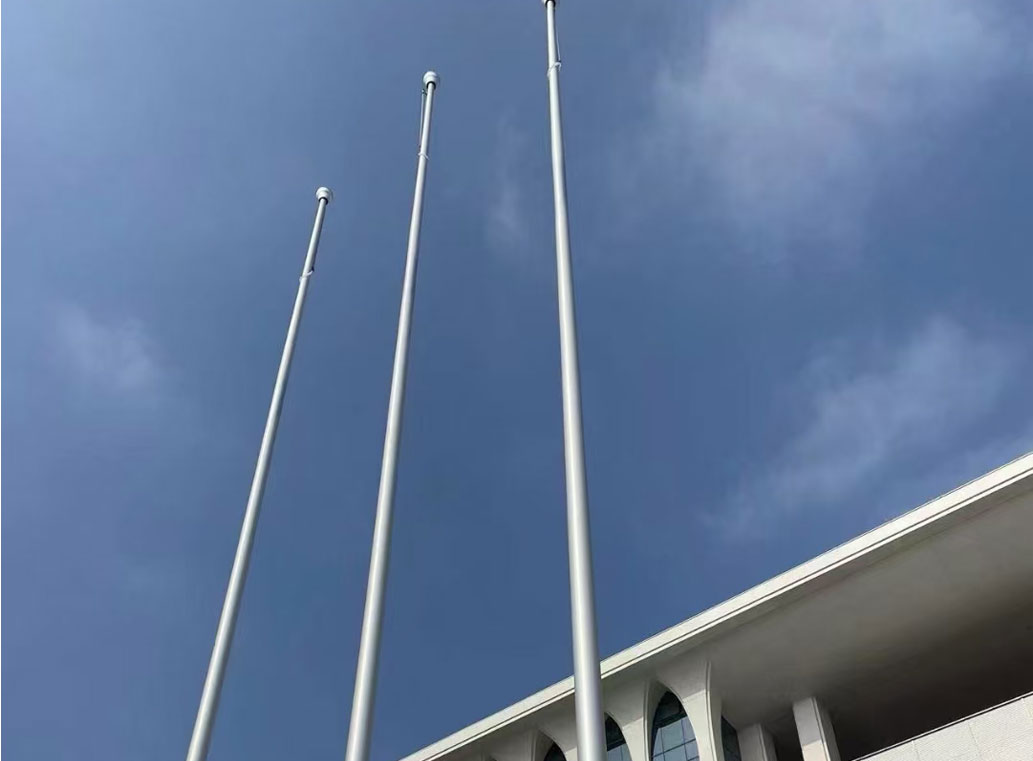
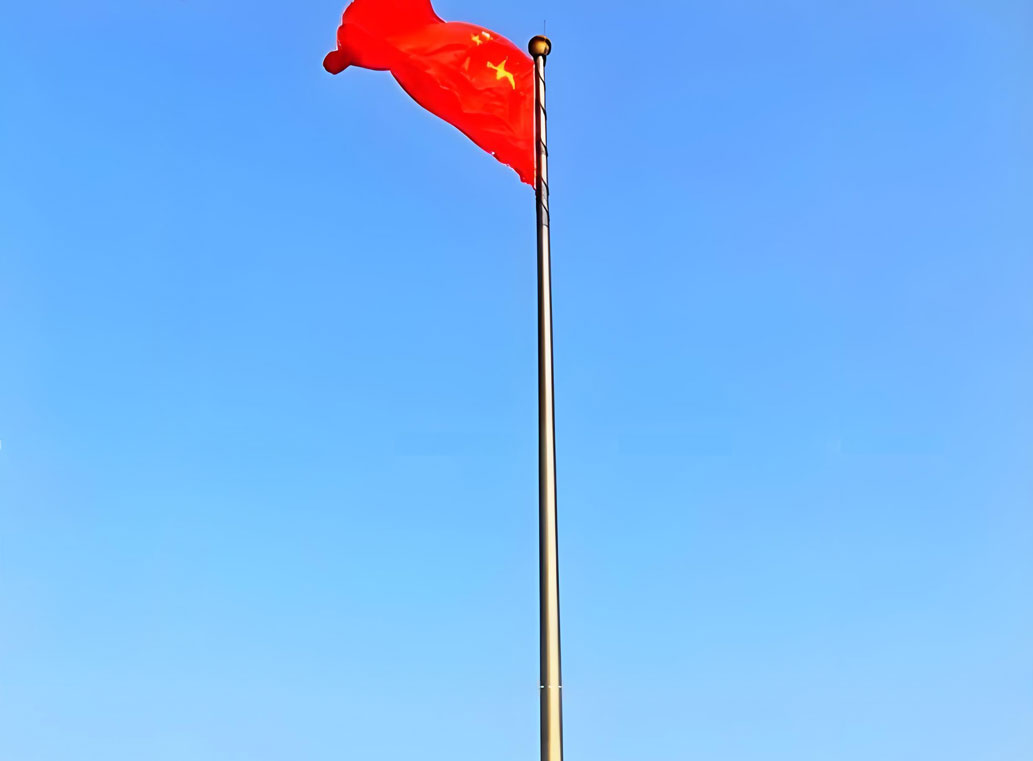
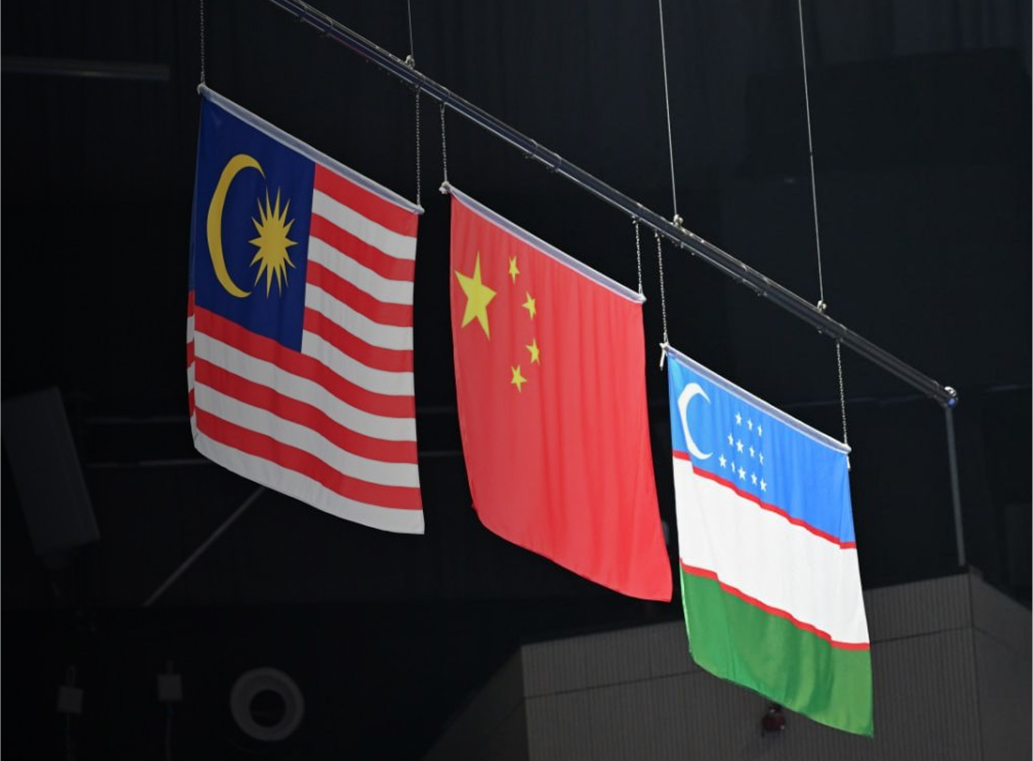


Flagpoles stand as proud symbols, gracing homes, businesses, and public spaces alike. While various materials are used in their construction, stainles......
READ MORESubmit feedback
Home / News / Industry News / Stainless Steel Flagpole: Why Is It the Preferred Choice for Government, Commercial, and Residential Flag Displays?
Stainless Steel Flagpole: Why Is It the Preferred Choice for Government, Commercial, and Residential Flag Displays?
A stainless steel flagpole is exactly what its name suggests: a vertical pole manufactured from high-grade stainless steel, typically type 304 or type 316, designed to support a flag or flags and withstand wind loads, weather exposure, and the mechanical stresses of raising and lowering flags. Stainless steel is an alloy of iron, chromium (at least 10.5%), and other elements such as nickel and molybdenum. The chromium content is critical because it forms a passive, invisible oxide layer on the surface of the steel that prevents rust and corrosion. This self-healing property means that if the surface is scratched, the oxide layer immediately reforms, protecting the underlying metal. Type 304 stainless steel, sometimes called "18/8" because it contains approximately 18% chromium and 8% nickel, is suitable for most inland applications. Type 316 stainless steel contains molybdenum, which provides enhanced corrosion resistance, particularly against chlorides such as salt. Type 316 is the standard choice for coastal installations, marine environments, and locations where de-icing salts or industrial pollutants are present.
The market for stainless steel flagpoles has grown significantly as organizations and individuals have become more aware of the long-term costs and aesthetic degradation associated with other materials. Aluminum flagpoles, while lightweight and corrosion-resistant in their own right, are softer and more prone to bending, denting, and surface scratching. Fiberglass flagpoles, often used for their flexibility in high-wind areas, can yellow, chalk, or delaminate over time. Wooden flagpoles, once common, require constant maintenance to prevent rot and weathering and have largely disappeared from new installations. Stainless steel offers the optimal balance: the strength to withstand high winds without permanent deformation, the corrosion resistance to last for decades with minimal care, and the polished, gleaming appearance that dignifies any flag. The following sections explore in depth why stainless steel flagpoles have become the preferred choice and what factors should be considered when selecting a flagpole for any application.
Why Stainless Steel Outperforms Alternative Flagpole Materials
Exceptional Corrosion Resistance for Long-Term Durability
The single most important advantage of stainless steel flagpoles is their exceptional resistance to corrosion. Flagpoles are exposed to the elements 24 hours a day, 365 days a year. Rain, snow, humidity, salt spray (in coastal areas), industrial pollution, and even bird droppings all attack the surface of the pole. Over time, these environmental factors cause other materials to degrade. Aluminum flagpoles develop a chalky, gray oxidation layer. While this layer is protective, it dulls the appearance and requires periodic cleaning and polishing to maintain luster. More significantly, aluminum is susceptible to galvanic corrosion when in contact with dissimilar metals, such as the steel components in halyards, pulleys, or mounting hardware. Fiberglass flagpoles can develop surface crazing, yellowing from UV exposure, or chalking. The gel coat that provides the smooth, glossy surface can blister or peel, allowing moisture to penetrate the fiberglass matrix and cause structural weakening. Wooden flagpoles rot, split, and are attacked by insects. Stainless steel flagpoles, particularly those made from type 316 stainless steel with molybdenum, resist all of these degradation mechanisms. The passive chromium oxide layer is stable and self-repairing. The surface remains smooth, bright, and corrosion-free for decades. In coastal installations where salt spray is a constant challenge, type 316 stainless steel flagpoles have demonstrated service lives of 30, 40, or even 50 years with minimal maintenance. For government buildings, military bases, schools, and other institutions where flagpoles are expected to be permanent fixtures, this longevity is invaluable.
Superior Strength and Wind Load Resistance
Flagpoles must withstand significant mechanical stresses. Wind exerts force on the pole itself and on the flag attached to it. The flag whips and snaps in the wind, creating dynamic loads that can cause fatigue and eventual failure in weaker materials. Halyards (the ropes used to raise and lower flags) and pulleys create localized stresses at attachment points. Ice accumulation adds weight. In some regions, flagpoles must also withstand seismic forces. Stainless steel offers exceptional strength for these demanding conditions. The yield strength of 304 stainless steel is approximately 215 megapascals (31,000 psi), comparable to structural steel but with much better corrosion resistance. The modulus of elasticity is approximately 193 gigapascals, giving stainless steel flagpoles the stiffness to resist bending without being brittle. This strength allows stainless steel flagpoles to be designed with thinner walls and smaller diameters than aluminum poles of equivalent strength, reducing visual mass and creating a more elegant profile. For very tall flagpoles, such as those 100 feet or more in height, stainless steel's strength-to-weight ratio is particularly advantageous. The pole can be tapered, with thicker walls at the base where bending moments are highest and thinner walls at the top where loads are lower. This tapered design minimizes material use while maintaining structural integrity. When properly engineered for the local wind conditions and installation site, a stainless steel flagpole can withstand hurricane-force winds, extreme ice loads, and decades of fatigue cycling without permanent deformation or failure.
Low Maintenance and Long-Term Value
One of the most compelling advantages of stainless steel flagpoles is their low maintenance requirement. An aluminum flagpole should be cleaned and polished periodically to maintain its appearance. A fiberglass flagpole may need to be washed and waxed. A wooden flagpole requires constant attention: scraping, sanding, sealing, painting, and inspection for rot and insect damage. A stainless steel flagpole, in contrast, requires very little maintenance. In most environments, simply washing the pole with mild soap and water once or twice a year is sufficient to remove dirt, bird droppings, and other surface contaminants. For more stubborn deposits or for applications where a gleaming appearance is desired, a stainless steel cleaner and polish can be used. The pole does not need to be painted, sealed, or otherwise protected. The low maintenance requirement translates directly into lower total cost of ownership. While the initial purchase price of a stainless steel flagpole may be higher than that of an aluminum or fiberglass pole of comparable size, the savings in maintenance labor and materials over the life of the pole typically make stainless steel the more economical choice. For institutions such as schools and government buildings with limited maintenance budgets, the "install and forget" nature of stainless steel flagpoles is a significant advantage. For homeowners who want a beautiful flag display without a recurring maintenance obligation, stainless steel is the clear choice.
Elegant Appearance and Lasting Luster
A flagpole is a prominent feature of any landscape. It is seen by employees, customers, visitors, and the general public. Its appearance matters. A polished stainless steel flagpole has a bright, mirror-like finish that catches the sun and commands attention. It dignifies the flag it flies. Even in less polished finishes, such as satin or brushed, stainless steel has a clean, modern, professional appearance that complements any architectural style. Unlike aluminum, which develops a dull, chalky patina over time, stainless steel retains its luster with minimal care. Unlike fiberglass, which can yellow or fade, stainless steel remains color-stable. Unlike wood, which weathers to gray and requires repainting, stainless steel is timeless. For corporate headquarters, government buildings, military bases, and other settings where image matters, the appearance of the flagpole is almost as important as the flag itself. A gleaming stainless steel flagpole conveys respect for the flag, attention to detail, and pride in the facility. For homeowners, a stainless steel flagpole in the front yard is a statement of patriotism that remains attractive year after year without the need for annual painting or sealing.
Installation Considerations and Best Practices
Foundation Design and Site Preparation
A flagpole is only as secure as the foundation that supports it. The foundation must be designed to resist the overturning moment created by wind load on the pole and flag. For a ground-set flagpole, the pole is embedded in a concrete foundation. The depth of the foundation is typically 10-15% of the pole height. For a 30-foot flagpole, the foundation should be 3 to 4.5 feet deep. The diameter of the foundation should be 2 to 3 times the diameter of the pole base. The concrete should be high-strength, typically 3,000 to 4,000 psi. A grounding system should be installed to protect the pole from lightning strikes. The foundation must be allowed to cure completely before the pole is installed, typically 7-28 days depending on concrete mix and ambient conditions. For surface-mounted flagpoles using a shoe base, the base is bolted to a concrete pad or existing structural surface. This installation method is common on rooftops, balconies, and existing concrete plazas. The underlying structure must be capable of supporting the weight and wind loads of the pole. For any installation, local building codes and zoning regulations must be consulted. Some jurisdictions have height restrictions, setback requirements, or wind load standards that must be met.
Halyard Systems: External vs. Internal
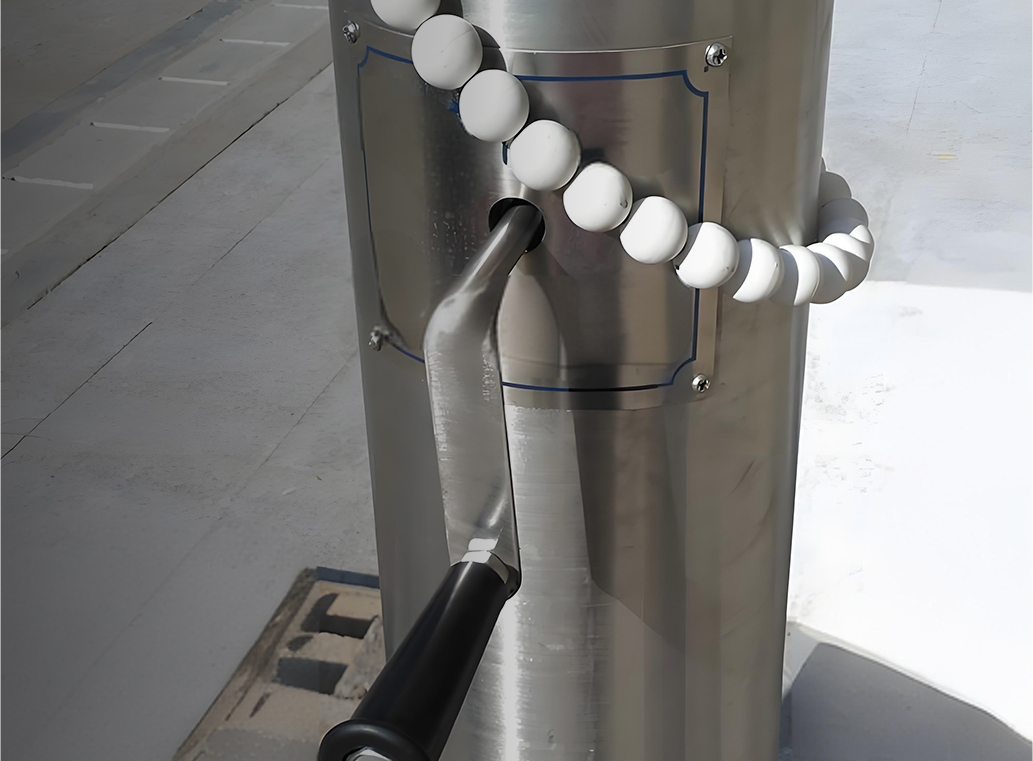
The halyard system is used to raise and lower the flag. There are two primary types: external halyard and internal halyard. External halyard systems use a rope that runs outside the pole, typically secured to a cleat at the bottom. This is the traditional system, simple, reliable, and easy to maintain. The rope can be made of cotton, polyester, or other materials. External halyards are visible and can be less aesthetically pleasing, but they are also easier to inspect and replace. Internal halyard systems conceal the rope inside the pole. The rope runs from a cleat or winch at the bottom of the pole, up the interior, over a pulley at the top, and back down to the flag clips. Internal halyards are more aesthetically pleasing because the rope is hidden, but they are more complex and can be more difficult to service. Stainless steel cable is often used for internal halyards to prevent stretching and wear. For institutional and government applications where appearance is paramount, internal halyard systems are often specified. For residential and many commercial applications, external halyard systems are perfectly adequate and more cost-effective.
Proper Flag Sizing for the Pole
A flag that is too large for its pole will overwhelm the pole visually and may exceed the wind load capacity of the pole. A flag that is too small will look insignificant. Standard flag-to-pole size ratios are well-established. For a 20-foot flagpole, the recommended flag size is 3 feet by 5 feet or 4 feet by 6 feet. For a 25-foot pole, 4 feet by 6 feet or 5 feet by 8 feet. For a 30-foot pole, 5 feet by 8 feet or 6 feet by 10 feet. For a 40-foot pole, 6 feet by 10 feet or 8 feet by 12 feet. For a 50-foot pole, 8 feet by 12 feet or 10 feet by 15 feet. The flag should be made from durable, weather-resistant material such as heavy-duty nylon or polyester. Flags with sewn stripes and embroidered stars are more durable than printed flags. The flag should be taken down in extreme weather conditions, such as hurricanes or severe thunderstorms, to prevent damage to both the flag and the pole.
Applications Across Sectors
Government and Military Installations
Government buildings at the federal, state, and local levels display flags as symbols of authority and sovereignty. Courthouses, city halls, post offices, and public schools all have flagpoles. Military installations, including bases, recruiting stations, and memorials, display the flag as a symbol of national defense and the sacrifices of service members. For these applications, the flagpole must be dignified, durable, and representative of the importance of the symbol. Stainless steel flagpoles are the standard for new government installations and for replacements of aging poles. The polished finish and lasting luster of stainless steel convey respect and permanence.
Corporate and Commercial Campuses
Corporate headquarters, industrial parks, hotels, resorts, and shopping centers display flags as part of their branding and to demonstrate patriotism. For commercial applications, the flagpole is often part of a larger landscape design that includes signage, lighting, and landscaping. The sleek, modern appearance of stainless steel complements contemporary architecture. The low maintenance requirement is attractive to facility managers with limited budgets. Many corporations display multiple flags: the national flag, state flag, corporate flag, and perhaps others. Multiple flagpoles can be installed in an array for a dramatic effect.
Cemeteries and Memorials
Cemeteries and memorials use flagpoles to honor veterans and other deceased individuals. In veterans' cemeteries, flagpoles are often placed at the entrance or at a central memorial. In private cemeteries, families may install flagpoles at gravesites. For these applications, the flagpole must be durable, corrosion-resistant, and dignified. Stainless steel's longevity ensures that the flagpole will remain a fitting tribute for generations. Type 316 stainless steel is particularly recommended for cemetery installations because of its resistance to the chemicals used in lawn care and the moisture present in burial grounds.
Residential Properties
Homeowners increasingly choose to display flags as expressions of patriotism, support for specific causes, or simply as decorative elements. Residential flagpoles are typically smaller than commercial or government poles, ranging from 10 to 25 feet in height. Stainless steel flagpoles are popular for residential applications because they require no painting, sealing, or annual maintenance. A homeowner can install a stainless steel flagpole, attach the flag, and know that it will look beautiful for years without further effort. The bright, polished finish adds curb appeal and signals pride in homeownership.
Previous Post
Why Is the Aluminum Alloy Flagpole the Preferred Choice for Modern Architectural Installations?
Next Post
Why is the Aluminum Alloy Flagpole the Preferred Choice for Modern Architectural Landmarks?
News
-
-
1. Understanding the Importance of Regular Maintenance for Aluminum Alloy Flagpoles Regular maintenance of your aluminum alloy flagpole is essential ......
READ MORE -
Unique advantages of aluminum alloy: Why it is the preferred material for flagpoles In today's society, flagpoles are not only a tool for displaying f......
READ MORE -
What is the aluminum alloy electric intelligent lifting conical flagpole? The aluminum alloy electric intelligent lifting conical flagpole is a high-e......
READ MORE

Copyright Jiangsu Shengqi Weiye Intelligent Technology Co., Ltd. All Rights Reserved.
 Custom Commercial Flagpoles Suppliers