
 English
 русский
 عربى
عربى

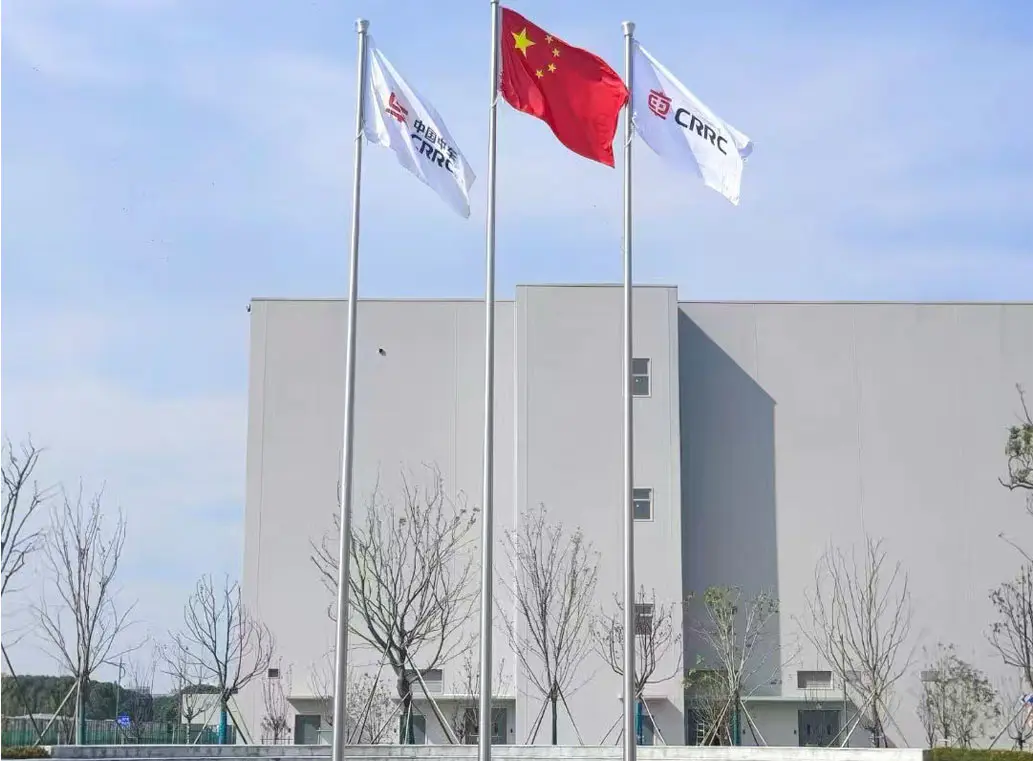
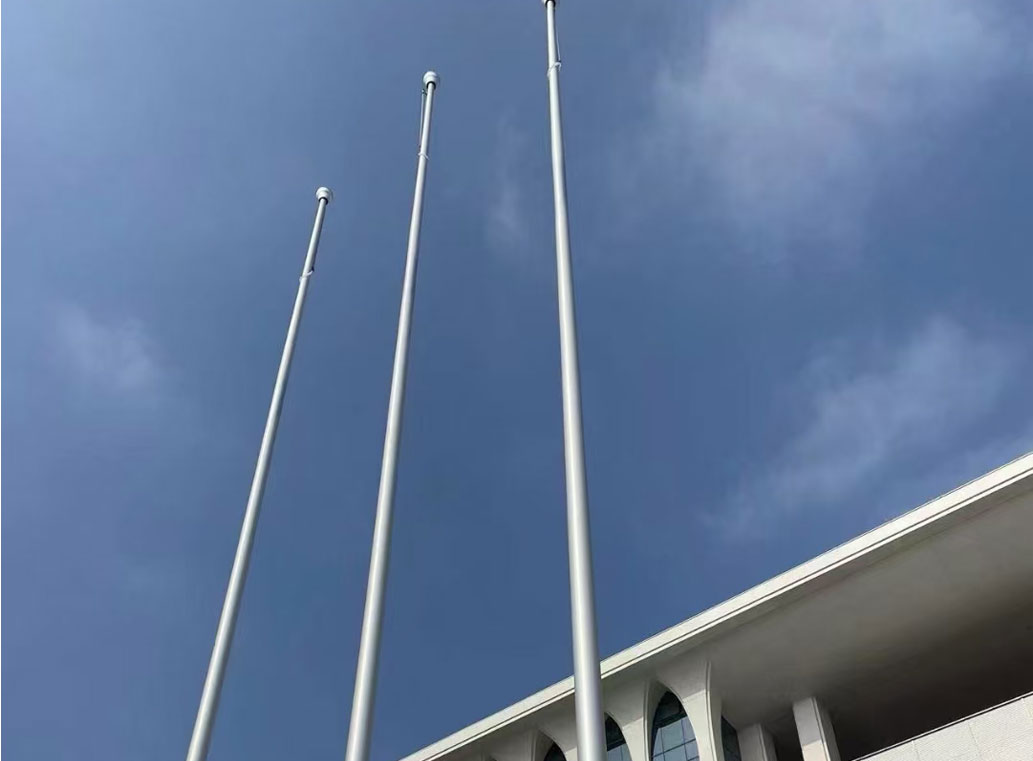
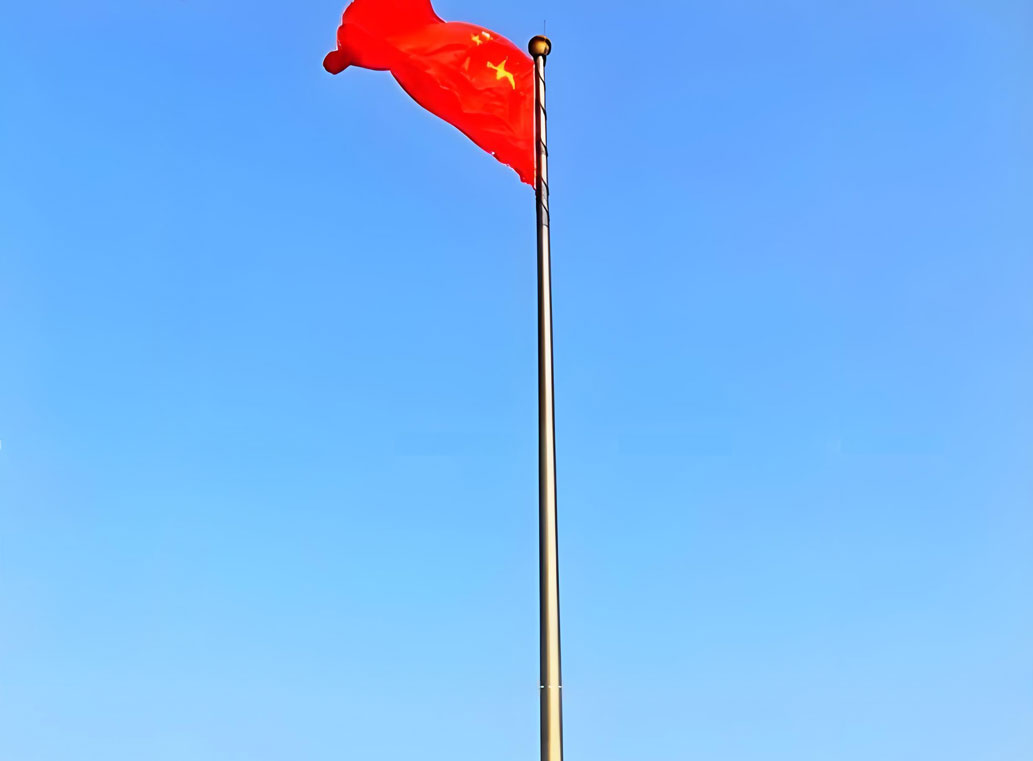

Flagpoles stand as proud symbols, gracing homes, businesses, and public spaces alike. While various materials are used in their construction, stainles......
READ MORESubmit feedback
Home / News / Industry News / Why Is the Aluminum Alloy Flagpole the Preferred Choice for Modern Architectural Installations?
Why Is the Aluminum Alloy Flagpole the Preferred Choice for Modern Architectural Installations?
The selection of a flagpole involves much more than simply choosing a pole to hold a piece of fabric. In professional, municipal, and high-end residential settings, the Aluminum Alloy Flagpole has emerged as the definitive standard. This preference is rooted in the unique metallurgical properties of aluminum combined with advanced engineering designs that address durability, aesthetics, and ease of operation. Unlike traditional materials that may suffer from rust, excessive weight, or aesthetic degradation over time, the "product" quality of a high-grade aluminum flagpole ensures a lifelong service with minimal maintenance. This article delves into the structural integrity, functional mechanisms, and surface treatment technologies that define the modern Aluminum Alloy Flagpole.
What Are the Structural Benefits and Material Properties of the Aluminum Alloy Flagpole?
The core strength of an Aluminum Alloy Flagpole lies in its specific alloy composition, typically utilizing 6063-T6 aluminum. This material offers a high strength-to-weight ratio, which is critical for both the installation process and the long-term stability of the structure.
-
Exceptional Corrosion Resistance and Durability: One of the primary reasons engineers specify the Aluminum Alloy Flagpole is its natural ability to resist oxidation. When aluminum is exposed to air, it forms a microscopic layer of aluminum oxide that protects the underlying metal from further corrosion. In coastal environments or cities with high humidity, where salt spray and moisture would cause a steel pole to rust within years, the aluminum variant remains structurally sound. This makes the "Aluminum Alloy Flagpole" a permanent fixture that does not require the constant repainting or anti-rust treatments associated with carbon steel. The durability extends to its structural memory; even under significant wind loads, the pole has the flexibility to bend slightly and return to its original vertical position without permanent deformation.
-
Precision Engineering and Seamless Tapering: The manufacturing process of an Aluminum Alloy Flagpole involves sophisticated spinning or extrusion techniques. Modern poles are often "tapered," meaning they are wider at the base and narrow toward the top. This is not just for visual elegance; it is a structural necessity for optimal wind resistance. A tapered Aluminum Alloy Flagpole distributes wind pressure more efficiently than a straight pipe. Because aluminum is highly malleable during the manufacturing phase, these poles can be produced as a single seamless piece or with high-precision internal joints. This lack of visible welds not only enhances the "product" aesthetics but also eliminates potential weak points where stress fractures might occur under high-stress conditions.
-
Weight Advantage and Installation Efficiency: Compared to stainless steel or fiberglass, the weight of an Aluminum Alloy Flagpole is significantly lower without compromising load-bearing capacity. This lightweight nature reduces shipping costs and simplifies the logistics of the installation site. Often, a medium-sized aluminum pole can be erected with smaller cranes or even manual labor in restricted areas where heavy machinery cannot access. Despite being light, the base plate designs and ground sleeve systems used for these poles are engineered to withstand extreme weather, ensuring that the pole remains a secure "landmark" for decades.
Below is a technical comparison of standard specifications found in professional-grade aluminum poles:
|
Specification Detail |
External Halyard System |
Internal Halyard System |
|---|---|---|
|
Material Grade |
6063-T6 Aluminum Alloy |
6063-T6 Aluminum Alloy |
|
Common Heights |
15ft - 80ft |
20ft - 100ft+ |
|
Wind Speed Rating |
Up to 120 mph (Unflagged) |
Up to 150 mph (Unflagged) |
|
Rope Material |
Braided Polypropylene / Nylon |
Stainless Steel Wire Cable |
|
Security Level |
Standard |
High (Vandal Resistant) |
|
Typical Finish |
Satin, Anodized, or Powder Coat |
Satin, Anodized, or Powder Coat |
How Do Internal and External Halyard Systems Enhance Functionality?
The functionality of an Aluminum Alloy Flagpole is largely defined by its halyard system—the mechanism used to raise and lower the flag. Choosing between an external or internal system depends on the specific requirements for security, noise reduction, and visual cleanliness.
-
The Traditional External Halyard System: The external halyard system is the most recognizable design. It features a pulley (truck) mounted at the top of the pole with a rope (halyard) running on the outside. The rope is secured at the bottom to a cleat. This design is favored for its simplicity and ease of maintenance. If the rope wears out, it is easily replaced without specialized tools. However, in an Aluminum Alloy Flagpole with an external system, one must consider the "clanging" sound produced by the rope hitting the metal pole in high winds. While some find this sound traditional, others prefer the silence of internal systems. The external system is an excellent cost-effective "product" for residential use or low-security commercial areas where the risk of flag theft or vandalism is minimal.
-
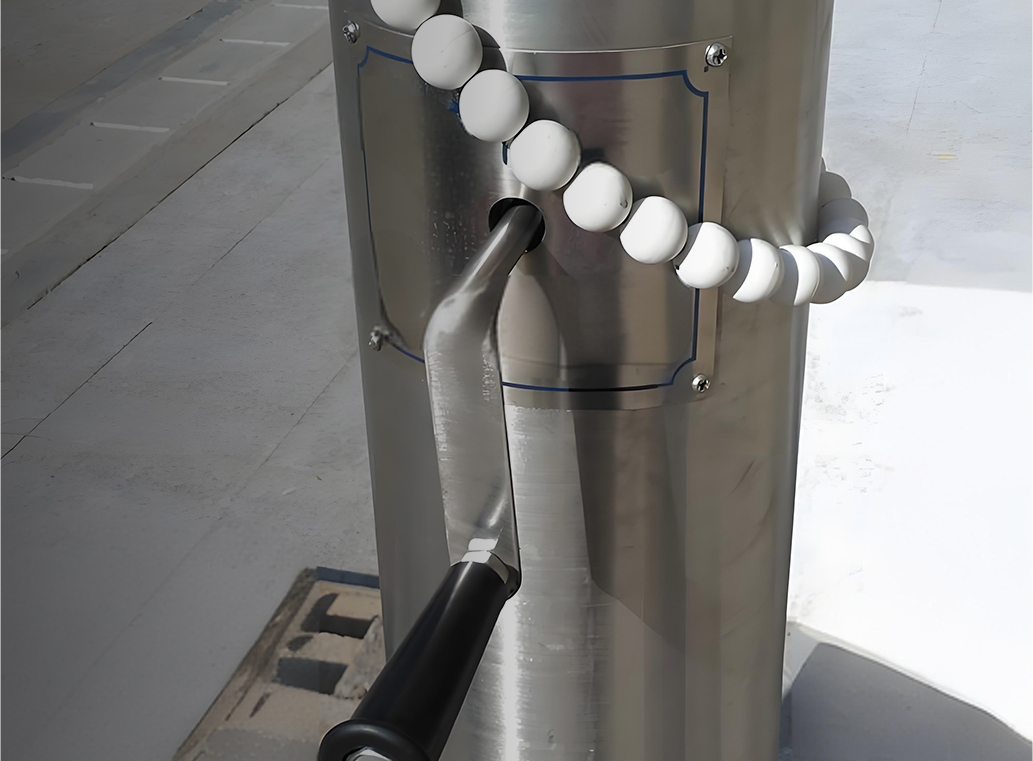
The Sophisticated Internal Halyard System: For high-profile corporate headquarters or government buildings, the Aluminum Alloy Flagpole is often equipped with an internal halyard system. In this configuration, the rope or stainless steel cable is housed entirely inside the pole. Access is gained through a lockable door located near the base. The flag is raised using either a manual winch or a cam-cleat system. This system offers several advantages: first, it provides superior security, as the flag cannot be lowered without a key or specialized handle; second, it eliminates the noise of the halyard striking the pole; and third, it provides a much cleaner, more streamlined silhouette. The internal mechanism often utilizes a revolving truck at the top, which allows the flag to rotate 360 degrees with the wind, preventing the flag from wrapping around the pole.
-
Advanced Winch and Pulley Technology: Inside a premium Aluminum Alloy Flagpole, the winch system is a masterpiece of small-scale engineering. These winches are often gear-driven and feature an automatic brake system to prevent the flag from slipping. The use of stainless steel cables instead of nylon ropes in internal systems significantly increases the lifespan of the mechanism. For extremely tall poles—those exceeding 60 feet—the internal winch is almost mandatory, as the weight of a large flag and the tension required to fly it properly are too great for manual rope systems. These mechanical components are designed to be weather-resistant, often lubricated for life, ensuring that the flag-raising ceremony remains smooth and dignified.
What Surface Treatments and Finish Options Define the Aesthetic of the Pole?
The visual impact of an Aluminum Alloy Flagpole is not merely a result of its shape but is heavily influenced by the surface treatment applied during the final stages of manufacturing. These finishes serve both protective and decorative purposes.
-
Satin Finish and Natural Aesthetics: The most common finish for an Aluminum Alloy Flagpole is the "Directional Satin." This is achieved by mechanically brushing the aluminum to create a fine, uniform texture that hides small scratches and minimizes glare. A satin-finished pole has a classic, professional silver appearance that complements almost any architectural style. Because it is a mechanical finish rather than a coating, there is nothing to chip or peel, making it the most durable option for high-traffic public areas. Over time, the satin finish develops a natural patina that further protects the metal, maintaining a clean look with zero maintenance.
-
Anodized Finishes for Enhanced Protection: Anodizing is an electrochemical process that thickens the natural oxide layer on the surface of the aluminum. This results in an extremely hard, durable finish that is integrated with the metal itself. An Aluminum Alloy Flagpole can be anodized in various colors, including clear (silver), bronze, and black. Anodizing is particularly useful in harsh industrial or coastal environments because it increases the pole's resistance to abrasion and chemical attack. The color in an anodized pole is fade-resistant because the pigment is trapped within the crystalline structure of the oxide layer, ensuring that a "Dark Bronze" or "Black" flagpole retains its deep, rich hue for decades regardless of UV exposure.
-
Powder Coating for Custom Color Matching: When a specific color is required to match a brand's identity or a building's trim, powder coating is the ideal solution. Powder coating involves applying a dry resin to the Aluminum Alloy Flagpole and then curing it under heat to form a hard "skin." This process allows for an almost infinite variety of colors and gloss levels. While not as hard as an anodized finish, modern high-performance powders (such as Kynar-based coatings) offer excellent weatherability and color retention. For a custom "product" look, powder coating can transform a standard pole into a unique architectural statement. Additionally, powder coating provides an extra layer of electrical insulation and a smooth surface that is easy to wipe clean of environmental pollutants.
-
Final Assembly and Topper Selection: The aesthetic of the Aluminum Alloy Flagpole is completed by the "finial" or topper. The most traditional choice is a gold-anodized aluminum ball, but options include eagles, crosses, or even custom-designed symbols. These toppers are typically threaded into the top of the pole or the truck assembly. On a high-quality aluminum pole, the topper is scaled proportionally to the height and base diameter of the pole, ensuring visual balance. Whether it is a 20-foot residential pole or a 100-foot monumental structure, the combination of a high-quality finish and a polished finial ensures that the Aluminum Alloy Flagpole serves as a focal point of pride and prestige.
Previous Post
How Do Engineering Specifications Determine the Durability of Modern Outdoor Flagpoles?
Next Post
Stainless Steel Flagpole: Why Is It the Preferred Choice for Government, Commercial, and Residential Flag Displays?
News
-
-
1. Understanding the Importance of Regular Maintenance for Aluminum Alloy Flagpoles Regular maintenance of your aluminum alloy flagpole is essential ......
READ MORE -
Unique advantages of aluminum alloy: Why it is the preferred material for flagpoles In today's society, flagpoles are not only a tool for displaying f......
READ MORE -
What is the aluminum alloy electric intelligent lifting conical flagpole? The aluminum alloy electric intelligent lifting conical flagpole is a high-e......
READ MORE

Copyright Jiangsu Shengqi Weiye Intelligent Technology Co., Ltd. All Rights Reserved.
 Custom Commercial Flagpoles Suppliers