
 English
 русский
 عربى



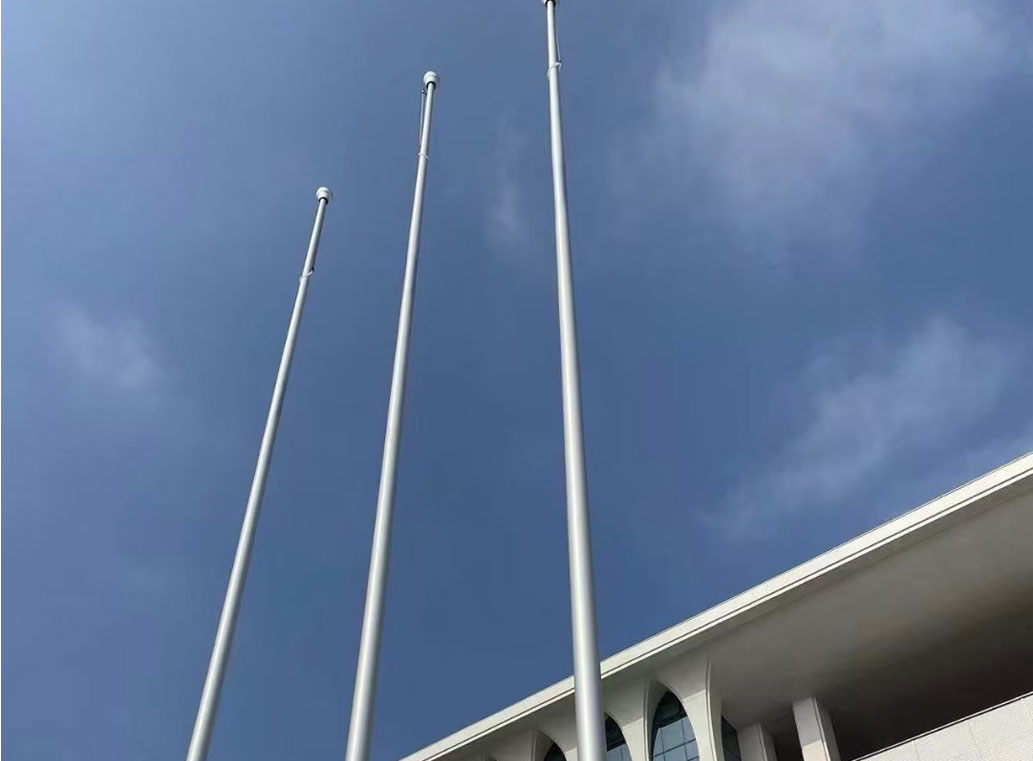



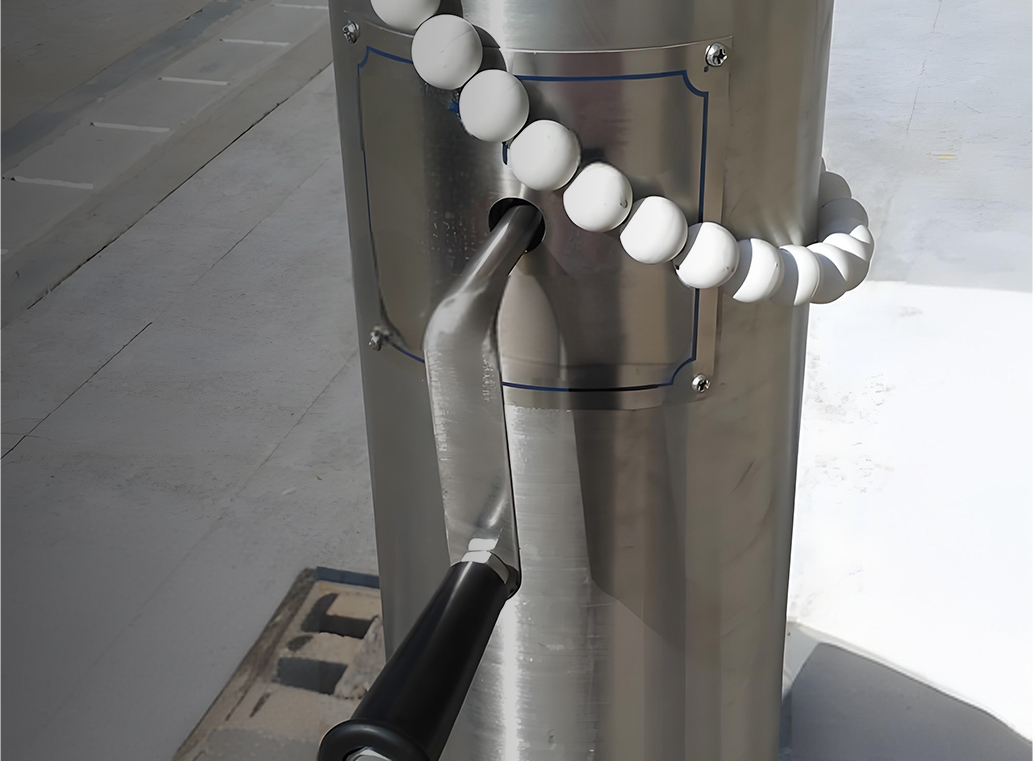

Flagpoles stand as proud symbols, gracing homes, businesses, and public spaces alike. While various materials are used in their construction, stainles......
READ MORESubmit feedback
Home / News / Industry News / Where Is Half-Staff on a Flagpole? Finding the Midpoint and Checking It
Where Is Half-Staff on a Flagpole? Finding the Midpoint and Checking It
A facilities crew lowers a 30-foot pole until the flag’s top edge sits at roughly 15 feet, pauses to check the halyard, and confirms the flag is clear of the ground. That scene answers the practical question behind where is half-staff on a flagpole: half-staff is the midpoint of the pole, not a random point near the middle and not the bottom edge of the flag. The flag is first raised briskly to the peak, then lowered slowly to that midpoint. The top edge of the flag is the working reference for most field checks.
The short answer matters because small measurement errors become obvious on a tall pole. A flag set too high looks like a normal display; a flag set too low can touch the ground or sit below the fence line. The correct position also depends on the order being followed, the flag size, and the pole hardware. For private flagpoles, local custom and the property owner’s policy usually guide the decision, while federal and state authorities set the official flag status for their buildings and grounds.
The Short Answer: Half-Staff Is the Pole’s Midpoint
In United States flag protocol, half-staff is described as the position one-half the distance between the top and bottom of the staff. In day-to-day operation, that means the flag is positioned at the midpoint of the visible flagpole. The most common field method is to place the top edge of the flag at that midpoint, with the flag flying free below it.
This is why a simple “lower it halfway” instruction can fail. Halfway to one person means the center of the flag; to another, it means the bottom edge. On a 20-foot pole with a 3-by-5-foot flag, those interpretations produce noticeably different results. The top-edge method keeps the flag in the intended relationship to the pole and reduces the risk of the flag touching the ground or hardware.
The position is not a notch built into every flagpole. Some poles have a mark, a halyard stop, or an electric limit switch, but many do not. A facility team should establish its own repeatable midpoint reference and then confirm it against the current flag order before lowering the flag.
How to Find the Midpoint on a Real Flagpole
Start with the pole’s actual height. Use the published pole height or measure from the base plate to the top of the staff. Do not estimate from the ground to the finial and then subtract a guessed amount. A 30-foot pole has a midpoint at 15 feet; a 40-foot pole has a midpoint at 20 feet. The flag’s top edge should reach that reference when the flag is at half-staff.
On a manual halyard, a small piece of tape or a permanent mark on the rope can create a repeatable stop. On an electric pole, set the lower limit and test it with the actual flag attached. A flag’s weight, wind load, and wet fabric can change how the pole stops, so a dry-run test without the flag is not enough. Two people are useful for the first check: one at the controls and one at a distance to confirm the top edge lines up with the midpoint.
| Pole height | Midpoint reference | Practical field check |
|---|---|---|
| 20 feet | 10 feet above the base | Top edge at 10 feet; flag clear of ground and shrubs |
| 30 feet | 15 feet above the base | Mark the halyard; check for tangles at the midpoint |
| 40 feet | 20 feet above the base | Test the electric stop under load; confirm from a distance |
Short wall-mounted poles and telescoping poles need extra care. If the flag cannot be lowered to the midpoint without touching the ground or a roof, do not force the position. Follow the property’s policy or local guidance, and avoid wrapping or tying the flag around the pole to fake a half-staff position.
The Raise-Pause-Lower Sequence That Gets It Right
Half-staff is a sequence, not only a final position. The flag should be hoisted briskly to the top of the pole, paused there for an instant, and then lowered slowly to the midpoint. At the end of the day, or when the order ends, the flag should be raised back to the peak before it is lowered for removal. This final raise is easy to skip, but it is part of the customary procedure.
When other flags share the same pole, the national flag remains in the position of honor. Flags flown on the same halyard should be handled consistently with the order and local protocol. Do not place another flag above the national flag, and do not let a second flag obscure the half-staff position. On separate poles, follow the authority’s instructions for the other flags rather than assuming every pole must match.
Electric lifting systems make the sequence more repeatable, but they also introduce a risk: a preset stop may drift after maintenance, a rope change, or a software reset. Manual poles depend on the operator’s eye and a reliable halyard mark. In both cases, the test should include the actual flag, because the flag’s size and wind exposure affect where the top edge appears.
Why the Top Edge Matters More Than “Halfway Up”
Flag size changes the visual midpoint. A large flag on a short pole can make the top edge look low even when the pole reference is correct. A small flag on a tall pole can look too high if the operator uses the flag’s center as the reference. The top edge gives crews a consistent line to check from the ground, a distance, or a security camera.
Consider a 30-foot pole with an 8-foot flag. If the top edge is set at 15 feet, the flag’s bottom edge sits near 7 feet, well clear of the ground. If the bottom edge were set at 15 feet instead, the top edge would sit near 23 feet, which would look close to a full display rather than half-staff. That difference is why “lower it until it looks halfway” is not a reliable instruction for a multi-pole site.
Wind adds another variable. A flag in a strong breeze extends and lifts, so the top edge may appear slightly different from a calm day. Check the halyard tension and the flag’s attachment points before adjusting the pole. A flag that is clipped unevenly or has a damaged sleeve can sit crooked at any height.
Who Orders Half-Staff and How Operators Confirm It
In the United States, the President directs half-staff for federal buildings and grounds, military installations, and the District of Columbia. Governors issue orders for state buildings and may call for half-staff in their states. Private flagpole owners are generally not bound by the same enforcement, but many follow the official status as a matter of respect and community practice.
Facility teams should confirm the current order from an official source before lowering a flag. A governor’s website, a state veterans affairs page, a federal flag status page, or a local government notice is more reliable than a social media post without a source. The order should state the dates, the start and end times, and whether other flags are included. If the instruction is unclear, keep the flag at full staff until the authority’s guidance is confirmed.
For multi-day orders, record the end date and the time the flag should return to full staff. Do not leave a flag at half-staff indefinitely because the last order was not closed out. A simple log with the order source, the person who lowered the flag, and the return-to-full-staff time prevents a common site error.
Half-Staff vs. Half-Mast: Same Position, Different Setting
People often use “half-staff” and “half-mast” interchangeably, but the setting is different. “Half-mast” is traditionally used for ships and maritime settings. “Half-staff” is the land-based term for a flagpole. The visual idea is the same: the flag is lowered to a midpoint position after being raised to the peak.
For a land flagpole, use “half-staff” in written orders and site instructions. That small wording choice helps avoid confusion in purchase orders, maintenance requests, and staff training. It also keeps the instruction precise when a vendor or contractor is asked to supply a pole with a preset stop for half-staff use.
Common Field Mistakes and How to Avoid Them
- Lowering without a full raise first. The flag should go to the peak before it is lowered to the midpoint.
- Using the bottom edge as the reference. The top edge is the practical field check for most poles.
- Leaving the flag at half-staff after the order ends. Raise it to the peak before lowering it for the day or returning it to full staff.
- Ignoring flag size. A large flag on a short pole may need a different visual check than a small flag on a tall pole.
- Trusting an electric stop without a load test. Test with the actual flag, in wind if possible, and confirm the stop from a distance.
- Letting the flag touch the ground or roof. If the midpoint would cause contact, follow local guidance rather than forcing the position.
Most mistakes are not caused by a lack of respect. They come from unclear instructions, missing marks, or a pole that was installed without a repeatable lower stop. A written procedure and a short training check solve more problems than a new flagpole does.
What This Means for Flagpole Hardware and Maintenance
Frequent half-staff operation puts more wear on the halyard, pulleys, cleats, and lifting mechanism than a flag that stays at full staff. A manual pole needs a clean halyard path and a mark that survives sun and rain. An electric pole needs a reliable lower limit, a brake that holds under wind load, and a control label that explains the raise-pause-lower sequence to the operator.
For sites that lower flags often, an electric intelligent lifting pole can reduce the chance of a jerky stop at the midpoint and make the position easier to repeat across multiple poles.
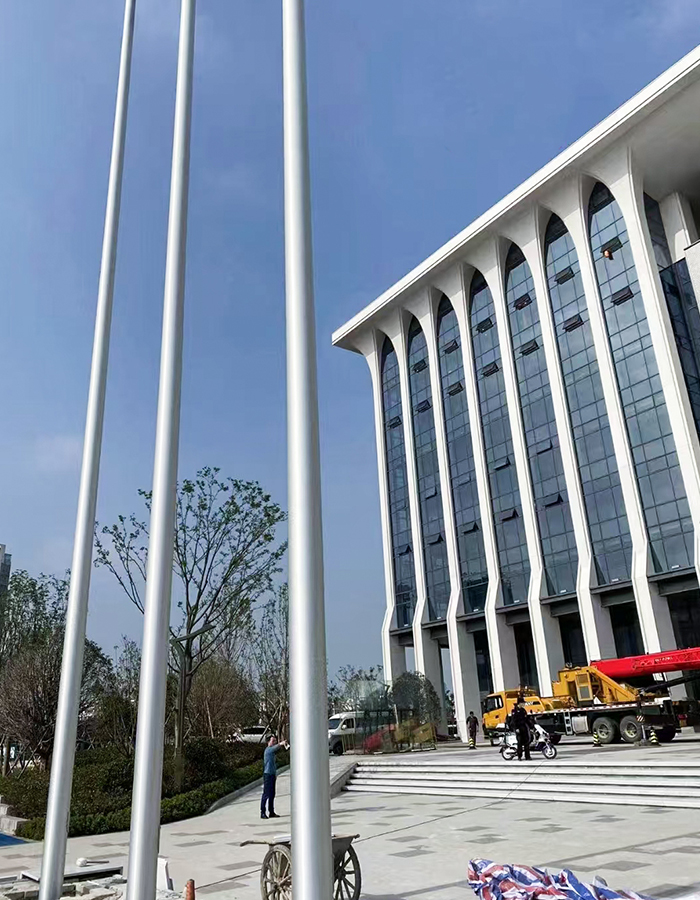 Aluminum Alloy Intelligent Electric Lifting Conical FlagpoleFor frequent flag lowering, this conical aluminum alloy pole offers automatic lifting, remote or timed control, and adjustable speed and height.View Product →
Stainless steel poles are common in coastal and high-humidity locations, where salt and moisture affect ropes, fittings, and moving parts. Inspection should include the halyard, the pulley, the flag clips, and the base area. A maintenance routine is especially important when a pole is expected to stop at a precise midpoint under load. Our stainless steel flagpole maintenance guide covers inspection points that apply to half-staff use as well.
For larger facilities with several poles, a stainless steel intelligent electric lifting pole can provide a consistent lower stop and a clearer service routine.
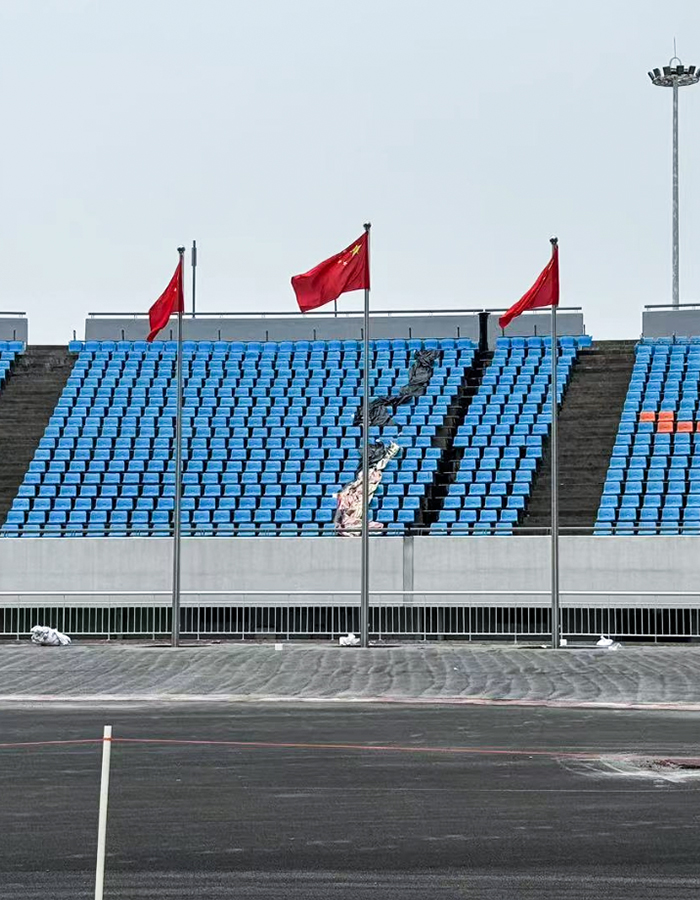 Conical Stainless Steel Intelligent Electric Lifting FlagpoleFor multi-pole facilities needing consistent lower stops, this stainless steel pole combines intelligent electric lifting with timed or remote control and adjustable settings.View Product →
The hardware choice should follow the site’s actual use. A pole that is lowered once a year for maintenance has different needs from a pole that moves to half-staff several times a month. Buyers should ask for the lower-limit adjustment method, the recommended maintenance interval, and the wind rating with the intended flag size. Those details matter more than a generic “half-staff ready” label.
A Practical Checklist for Facility Teams
- Confirm the current half-staff order from an official source and note the end date and time.
- Measure or confirm the pole height and mark the midpoint reference.
- Raise the flag briskly to the peak and pause briefly.
- Lower slowly until the flag’s top edge reaches the midpoint.
- Check that the flag is clear of the ground, roof, trees, and hardware.
- Confirm other flags on the same pole follow the order and local protocol.
- Record the action and the return-to-full-staff time.
- At the end of the order or day, raise the flag to the peak before lowering it.
The answer to where half-staff sits on a flagpole is simple enough to teach in a few minutes: at the midpoint, checked to the flag’s top edge, after a full raise to the peak. The harder part is repeating that position on the same pole, with the same flag, under different weather and maintenance conditions. A marked halyard, a tested electric stop, and a written confirmation routine turn a respectful gesture into a reliable facility practice.
Previous Post
No previous article
Next Post
How Tall Is a Flagpole? Practical Heights, Flag Ratios, and Sizing Rules
News
-
-
1. Understanding the Importance of Regular Maintenance for Aluminum Alloy Flagpoles Regular maintenance of your aluminum alloy flagpole is essential ......
READ MORE -
Unique advantages of aluminum alloy: Why it is the preferred material for flagpoles In today's society, flagpoles are not only a tool for displaying f......
READ MORE -
What is the aluminum alloy electric intelligent lifting conical flagpole? The aluminum alloy electric intelligent lifting conical flagpole is a high-e......
READ MORE

Copyright Jiangsu Shengqi Weiye Intelligent Technology Co., Ltd. All Rights Reserved.
 Custom Commercial Flagpoles Suppliers