
 English
 русский
 عربى


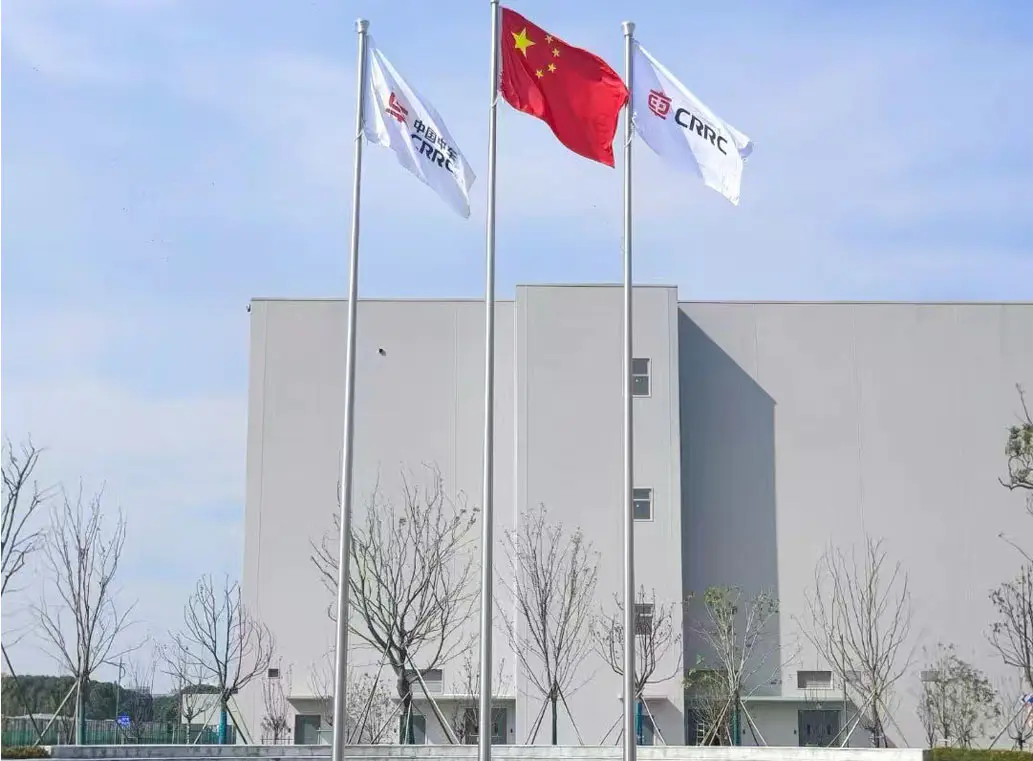
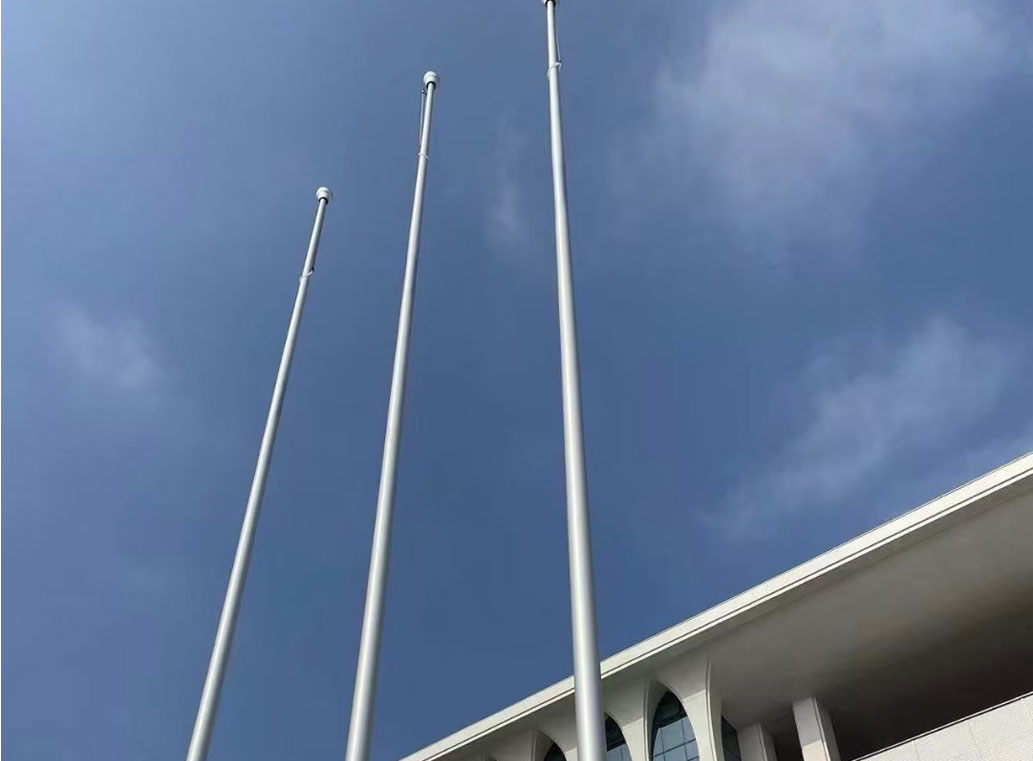


For most homeowners and commercial sites that face salt air, strong wind, or long service intervals, fiberglass is the better choice. For inland sites with a tight budget, or for tall poles that need maximum stiffness, aluminum is the better choice. The sections below explain why, with figures you can check against supplier quotes.
Quick verdict: choose fiberglass for corrosion resistance, natural flex, and low maintenance. Choose aluminum for a lower price, greater stiffness, and simple installation on standard sites.
Why the Question Matters
A flagpole is a permanent outdoor structure. It must hold a flag through sun, rain, salt, ice, and gusts for many years, and the material decides how it performs under each condition. A pole that fails early can damage a roof, a fence, or a building facade, so the choice deserves a careful comparison rather than a guess based on appearance alone.
Both fiberglass and aluminum are common in residential and commercial flagpoles. Each one has clear strengths, and each one has limits that buyers often overlook. The right answer depends on where the pole will stand, how tall it will be, and how much maintenance the owner is prepared to do.
How Each Material Is Made
An aluminum flagpole is usually extruded or drawn from a structural alloy, most often a 6061 T6 grade for strength and weldability. The pole is tapered, so the diameter is larger at the base and smaller at the top. This shape gives good stiffness for its weight and allows the pole to stand straight in moderate wind.
A fiberglass flagpole is built from fiber reinforced polymer. Layers of glass fiber are bonded with resin and wound or molded into a tapered tube. The surface is usually coated with a gelcoat that protects the fiber from ultraviolet light and moisture. Because the structure is a composite, its behavior under load is different from that of a metal pole.
Corrosion and Weather Resistance
Corrosion is the most common reason that metal flagpoles lose their appearance and strength. Aluminum resists rust better than steel, since it forms a thin oxide layer that protects the metal underneath. Even so, aluminum can pit in salt air, near swimming pools with chlorine, or where it touches dissimilar metals such as stainless steel fasteners without isolation.
Fiberglass does not rust and does not react with salt, which makes it the stronger choice for coastal homes, marinas, and seaside commercial sites. It also resists most household chemicals. The main weather risk for fiberglass is ultraviolet light, which can fade the gelcoat over many years. A well maintained pole keeps its color and surface strength for two decades or more.
| Condition | Fiberglass | Aluminum |
|---|---|---|
| Coastal salt air | Excellent, no corrosion | Good when anodized or coated, pitting possible |
| Inland dry climate | Very good, watch UV fading | Very good with factory finish |
| Heavy rain and humidity | Excellent | Very good |
| Chlorine near pools | Excellent | Fair, needs coating |
| Long term color stability | Good with gelcoat maintenance | Good with anodizing or powder coat |
Flex, Stiffness, and Wind Performance
Stiffness determines how much a pole bends under wind load. Aluminum is stiffer than fiberglass at the same diameter, so an aluminum pole stands very straight and resists sway. This is useful for tall commercial poles that carry large flags, where excessive movement can wear out the halyard and the truck fitting quickly.
Fiberglass is more flexible. Under strong gusts it bends in a smooth curve and then returns to its shape. This flex reduces peak stress at the base and at the joints, which is why fiberglass is often chosen for areas with frequent high winds, such as coastal towns and open farmland. The trade off is a pole that may look less rigid to the eye, especially at heights above about 30 feet.
- Aluminum poles suit most sites up to about 25 to 30 feet with standard flags.
- Fiberglass poles suit windy coastal sites and frequent gust conditions.
- Very tall poles above 40 feet are usually engineered for the specific wind zone, whatever the material.
Weight, Installation, and Handling
Fiberglass is lighter than aluminum at the same size. Its density is roughly two thirds that of aluminum, so a 25 foot fiberglass pole can be carried and raised by two people more easily than a comparable aluminum pole. Lighter weight also reduces the load on the base, which can lower the cost of the concrete footing for some designs.
Aluminum is heavier but very rigid during installation. It does not flex when it is lifted, which can make it easier to align in a sleeve or on a base plate. Both materials need a properly sized footing, a stable base, and the correct halyard and cleat arrangement. A good installer checks the plumb of the pole and the tension of the halyard before the first flag is raised.
Cost and Lifetime Value
Aluminum usually has the lower purchase price. A standard 20 to 25 foot aluminum pole often costs less than a comparable fiberglass pole, especially when the finish is a simple factory coating. This makes aluminum attractive for budget projects and for sites where the pole will be replaced after many years anyway.
Fiberglass often has a higher purchase price, but its lifetime cost can be competitive. There is no need for repainting, anodizing repair, or cleaning of salt deposits beyond a simple wash. Over a 20 year period, the maintenance savings can offset part of the higher price, particularly in coastal areas where metal finishes need frequent attention.
| Factor | Fiberglass | Aluminum |
|---|---|---|
| Typical purchase price | Moderate to high | Low to moderate |
| Routine maintenance | Wash and inspect yearly | Wash, inspect, and check finish |
| Expected service life | 20 years or more | 15 to 25 years |
| Repair if damaged | Patch and recoat | Repaint or replace section |
These figures are general planning estimates. Prices vary with height, wall thickness, finial, and region, so always request itemized quotes from at least two suppliers before deciding.
Electrical Safety and Noise
Fiberglass is a non conductive material. This matters near overhead power lines, where a metal pole could create a shock risk if it contacts a live line during installation or storm damage. Many installers prefer fiberglass for sites close to power lines for this reason, though safe clearance rules still apply to any pole.
Aluminum is conductive, so it should be grounded in lightning prone areas. A simple grounding wire and rod, bonded to the base, reduce the risk of damage from a strike. Noise is another difference. Metal halyard clips can ring against an aluminum pole in wind, while a fiberglass pole with a well fitted halyard sleeve is usually quieter.
Choosing by Site Type
The best way to decide is to match the material to the site. Each setting has a clear preference, and the table below summarizes the most common cases for homeowners, schools, businesses, and public spaces.
| Site type | Better choice | Main reason |
|---|---|---|
| Beachfront home | Fiberglass | Salt air and wind |
| Inland suburban home | Aluminum | Lower price and good stiffness |
| Commercial plaza, tall pole | Aluminum | Rigidity for large flags |
| Open farmland, windy plains | Fiberglass | Flex under gusts |
| Near a swimming pool | Fiberglass | Chlorine resistance |
| School or public square | Either, with a coated finish | Budget and visual style |
Common Mistakes When Buying
Many flagpole disappointments come from choices made without checking the site or the flag size. Avoiding these mistakes protects the investment and keeps the pole looking good for years.
- Choosing a pole that is too short for the flag, which leads to tangled halyards and wear on the fabric.
- Ignoring wind zone ratings, so the pole flexes beyond its design limit in strong storms.
- Using untreated steel fasteners on aluminum, which can cause galvanic corrosion at the joints.
- Skipping the footing design, since a weak base can tilt the pole even when the material is excellent.
- Buying the cheapest pole without checking the wall thickness, which affects both stiffness and lifetime.
A Simple Decision Process
Use the steps below to reach a decision quickly and confidently. Each step narrows the choice, and the final check confirms that the pole meets the needs of the site.
- Measure the site for exposure to salt, chlorine, and strong wind, and note any nearby power lines.
- Choose the pole height based on the flag size, usually a flag one third the height of the pole for a balanced look.
- If the site is coastal, windy, or near a pool, select fiberglass. If the site is inland and sheltered, consider aluminum.
- Confirm the wind rating, wall thickness, and footing requirement with the supplier in writing.
- Compare at least two itemized quotes and check the warranty on the finish and the structure.
Care Tips for Either Material
Both materials benefit from simple care. A monthly rinse with fresh water removes salt and dust. A yearly inspection checks the halyard, the cleat, the truck, and the joints for wear. Lubricating moving parts with a suitable product keeps the rope running smoothly and reduces noise.
For fiberglass, inspect the gelcoat for cracks or chalking and touch up small areas with a matching repair kit. For aluminum, check the finish for scratches and repair them promptly so that the metal beneath does not begin to pit. Good care can add years to the life of either pole.
Final Recommendation
For most buyers the answer is clear. Fiberglass is the better flagpole material when the site faces salt, chlorine, frequent gusts, or near power lines, and when the owner wants low maintenance over the long term. Aluminum is the better flagpole material when the budget is limited, the site is sheltered and inland, and the pole needs maximum stiffness for a large flag.
Make the decision from the site conditions, not from price alone. A slightly higher purchase price is often a sound investment when the pole will stand in harsh weather for two decades.
Footing and Base Design
The footing matters as much as the pole itself. A flagpole transfers wind load into the ground through its base, so the footing must resist overturning and must hold the pole plumb for many years. A common residential design uses a concrete footing with a steel or galvanized sleeve, while a surface mounted base suits decks and patios when the structure beneath can carry the load.
Fiberglass poles often use a sleeve or a base plate with a bolt pattern that matches the pole diameter. Aluminum poles can use a similar approach, with a stainless steel fastener set and an isolating gasket to prevent galvanic contact. In both cases the installer should check the depth, the diameter of the hole, and the curing time of the concrete before raising the pole.
- Dig the footing below the local frost line, which in many northern regions is at least 36 to 48 inches deep.
- Allow the concrete to cure for several days before loading the pole with a flag or halyard tension.
- Check that the pole is plumb in two directions before the final fill is poured around the sleeve.
- Use stainless steel or hot dipped galvanized hardware, and keep dissimilar metals apart with a non metallic washer.
Flag Size and Halyard Selection
The flag and the halyard work together with the pole. A rule of thumb for a balanced look is to choose a flag roughly one third the height of the pole. A 25 foot pole usually suits a 3 by 5 foot flag, while a 30 foot pole can carry a 4 by 6 foot flag. Larger flags catch more wind and place more load on the pole, so the wind rating must match the chosen size.
Halyards are typically braided polyester or a blend that resists stretch and UV damage. A low stretch rope keeps the flag at the top of the pole in steady wind, while a rope that stretches can allow the flag to droop or tangle. Choose a rope with a diameter that fits the cleat and the pulley, and check the knot or the snap hook every few months.
| Pole height | Common flag size | Typical use |
|---|---|---|
| 15 to 20 feet | 3 by 5 feet | Small homes and entrances |
| 20 to 25 feet | 3 by 5 feet or 4 by 6 feet | Standard residential yards |
| 25 to 30 feet | 4 by 6 feet or 5 by 8 feet | Larger homes and small businesses |
| 30 to 40 feet | 6 by 10 feet | Commercial sites and schools |
Regional Wind Ratings and Design Loads
Wind is the main structural load on any flagpole, and wind speed varies a great deal from one region to another. Coastal areas and open plains often see sustained winds above 90 miles per hour during storms, while sheltered inland towns may see much lower design speeds. Suppliers often state a wind rating in miles per hour for a given pole height and flag size, and that rating is the best guide to whether a pole is suitable for the site.
Fiberglass poles are often engineered to bend under extreme loads and recover, which helps them survive gusts. Aluminum poles are engineered to resist bending with a stiff wall, so they depend on thicker walls and larger diameters in high wind zones. Both approaches can work when the rating is verified, but the buyer should never assume that a pole is suitable without a written figure.
Ask the supplier which wind standard the rating follows and whether it includes a safety factor. Keep this information in the project file, since local permitting offices and insurers may request it.
Finish Options and Appearance
Appearance matters for homes in historic districts, for businesses that want a polished entrance, and for public spaces that carry a community identity. Fiberglass poles are usually offered in white, bronze, black, or natural tones with a glossy or matte gelcoat, and the color runs through the wall in many designs. Scratches are less visible on a fiberglass surface than on painted metal.
Aluminum poles offer anodized finishes in silver, bronze, or black, as well as powder coated colors that match building trim. Anodizing forms a hard oxide layer that resists scratches and fading better than a simple paint. A powder coat provides a wider color range and can be matched precisely to a corporate palette.
- Choose a light color in hot climates, since a dark surface can heat up enough to soften some finishes.
- Ask for a color sample or a small panel before placing a large order.
- Select a matte finish when glare from the sun is a concern near roads or windows.
Real World Examples
Consider a family home on a barrier island about 200 yards from the shore. The owners want a 25 foot pole for a 4 by 6 foot flag. Salt spray reaches the site most weeks, and winter gusts often exceed 40 miles per hour. Aluminum would need a quality anodized finish and regular cleaning, while fiberglass needs only a rinse and a yearly inspection. For this site, fiberglass is the stronger choice, and the higher purchase price is recovered through lower upkeep.
Now consider a shopping plaza in a sheltered inland town. The developer wants a 35 foot pole with a large flag for visibility from the road. The site has little salt exposure and moderate winds, and the design team values rigidity and a crisp appearance. Here an aluminum pole with a powder coated finish is a better match, since its stiffness keeps the flag visible and the purchase price fits the project budget.
These examples show that the same question can have different answers. The site, the height, and the owner's priorities decide the right material in each case.
Warranty and Supplier Checks
A warranty protects the buyer when a pole fails for reasons that are not the owner's fault. Read the terms carefully, because many warranties cover the structure for a set number of years but exclude the finish, the halyard, or damage from storms and improper installation. A clear written warranty is a sign of a supplier who stands behind the product.
| Check point | What to confirm | Why it matters |
|---|---|---|
| Structural warranty | Number of years and coverage terms | Protects the pole from defects |
| Finish warranty | Fade and chalk coverage period | Protects the appearance |
| Wind rating | Rating in miles per hour for the chosen height | Confirms suitability for the site |
| Installation guide | Footing and sleeve details | Ensures correct setup |
| Replacement parts | Availability of halyards and cleats | Keeps the pole in service |
Request samples or references when possible, and ask for photos of completed installations in similar conditions. These steps reveal more about the true quality of a pole than any brochure.
Frequently Asked Questions
Which is better for a flagpole, fiberglass or aluminum?
Fiberglass is better for coastal, windy, or low maintenance sites, while aluminum is better for budget projects and tall poles that need extra stiffness.
Does fiberglass rust?
No. Fiberglass does not rust, so it performs well in salt air and high humidity. Its main concern is UV fading, which a gelcoat finish helps to limit.
Is aluminum a good choice near the ocean?
It can be, but only with a quality anodized or powder coated finish and isolated fasteners. Salt air still causes pitting over time, so inspection matters.
Which material is lighter?
Fiberglass is lighter than aluminum at the same size, which makes it easier to carry and raise during installation.
Which flagpole is stiffer?
Aluminum is stiffer at the same diameter, so it stands straighter in moderate wind and suits tall commercial poles with large flags.
Which is more expensive?
Fiberglass usually costs more at purchase, while aluminum costs less. Fiberglass may offset that difference through lower maintenance over time.
How long does each material last?
Fiberglass often lasts 20 years or more with basic care. Aluminum commonly lasts 15 to 25 years, depending on the finish and the climate.
Can a fiberglass flagpole be used near power lines?
Yes, because fiberglass is non conductive. Safe clearance rules still apply, so the installer should follow local codes for any pole near a line.
Does an aluminum pole need grounding?
In lightning prone areas, grounding an aluminum pole is a sensible safety step. A bonded wire and rod reduce the risk of damage from a strike.
Which material is quieter in wind?
Fiberglass is usually quieter, because metal halyard clips can ring against an aluminum pole. A well fitted halyard sleeve helps with either material.
Key Takeaways
Match the material to the site, then confirm the details in writing
Fiberglass suits harsh, salty, and windy sites, and it needs little maintenance. Aluminum suits budget projects, sheltered inland sites, and tall poles that need rigidity. Both can give decades of service when they are properly sized, footed, and cared for.