
 English
 русский
 عربى
عربى






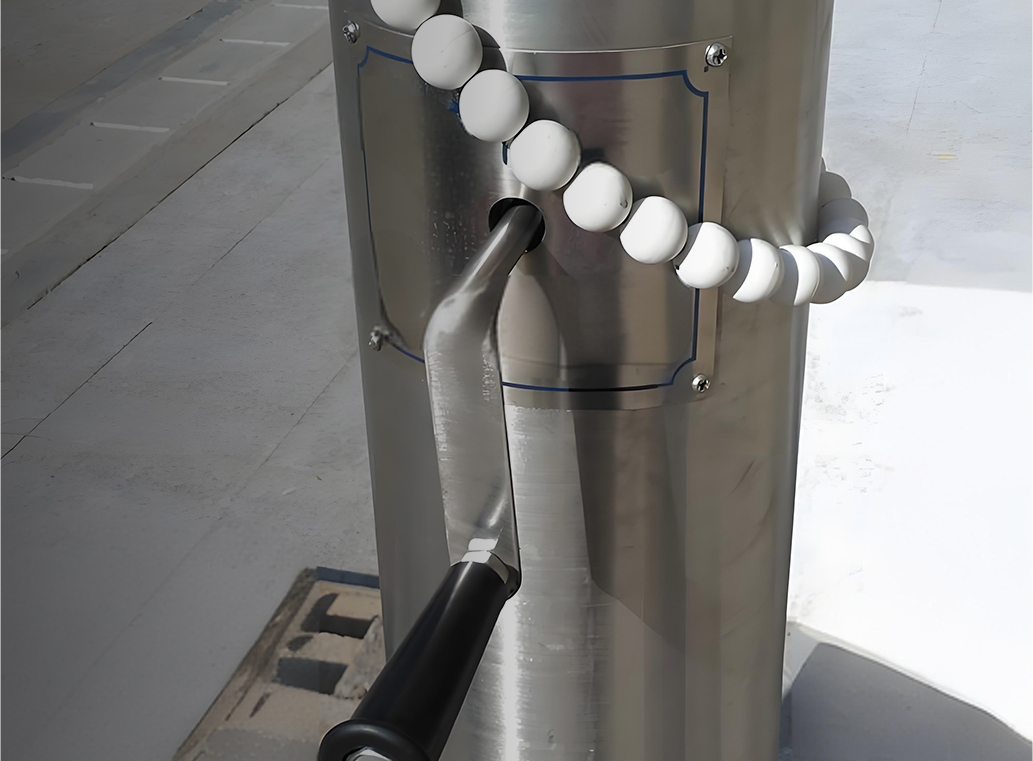

Flagpoles stand as proud symbols, gracing homes, businesses, and public spaces alike. While various materials are used in their construction, stainles......
READ MORESubmit feedback
How Tall Flagpoles Actually Are?
Why Height Standards Developed the Way They Did?
Flagpole height conventions were not set at random. They evolved from a combination of visual design principles, practical engineering limits on how tall a pole could be built and maintained safely with the materials available, and the desire for flags flown at government or military installations to be visible from a meaningful distance. Modern residential and commercial height ranges largely carry forward these same proportions, adjusted for the lighter, stronger materials available today compared to the wooden poles used historically.
Standard Height Ranges for Different Flagpole Types
Flagpole height generally falls into a few recognized categories based on where and how the pole is used. Understanding these categories helps narrow down the right choice before getting into flag size ratios or installation specifics.
| Flagpole Type | Typical Height |
|---|---|
| Garden flag poles | Under 2 meters |
| Small residential outdoor flagpoles | 4.5 to 6 meters |
| Larger residential and small business poles | 6 to 7.5 meters |
| Commercial and school flagpoles | 9 to 12 meters |
| Government and monumental flagpoles | 12 to 25 meters and above |
Outdoor Flagpoles: Matching Height to Flag Size
One of the most consistent rules in flagpole design is the ratio between pole height and flag size. A flag that is too large for its pole drapes on the ground in low wind and looks cluttered, while a flag that is too small looks lost against the pole and surrounding landscape.
The General Sizing Rule
A widely used guideline suggests the flag's length, from the pole side to the fly end, should be roughly one quarter to one fifth of the pole's height above ground. Applying this ratio keeps the visual proportion balanced regardless of whether the installation is a small residential pole or a large commercial flagpole.
Common Flagpole Height and Flag Size Pairings
| Pole Height | Recommended Flag Size |
|---|---|
| 4.5 meters | 0.9 by 1.5 meters |
| 6 meters | 1.2 by 1.8 meters |
| 7.5 meters | 1.5 by 2.4 meters |
| 9 meters and above | 1.8 by 3 meters or larger |
Factors That Determine the Right Flagpole Height
Beyond the general flag ratio rule, several practical factors influence what height actually works well for a specific property or location.
Surrounding Building Height
A flagpole installed near a two story home generally looks proportionate at 6 to 7.5 meters, while the same pole near a single story building or open yard can appear taller than intended relative to its surroundings. Commercial flagpoles are frequently sized to roughly match or slightly exceed the height of the nearest building facade for visual balance.
Local Wind Conditions
Taller poles experience significantly greater wind load at the top than shorter poles, since leverage increases with height. Properties in high wind regions, such as coastal areas or open plains, often need a heavier gauge pole and a properly rated foundation at any given height, and installers frequently recommend staying toward the lower end of a height range in consistently windy locations to reduce stress on the pole and its mounting hardware.
Understanding Wind Speed Ratings
Reputable flagpole manufacturers publish a maximum wind speed rating for each pole and flag size combination, typically expressed in kilometers per hour. This rating reflects the point at which the flag itself, rather than the pole, becomes the limiting factor, since a large flag catches disproportionately more wind force than a small one on the same pole. Choosing a slightly smaller flag than the maximum size a pole can technically support gives a margin of safety during unusually strong storms, reducing the chance of flag or halyard damage during severe weather events.
Local Zoning and Homeowner Association Rules
Many municipalities and residential communities cap flagpole height, commonly somewhere between 6 and 9 meters for residential properties, and some require a permit above a certain height threshold. Checking local rules before purchasing a pole avoids the cost and inconvenience of having to shorten or replace an installed flagpole that exceeds a local limit.
Setback From Property Lines and Structures
Beyond height limits, many local codes also specify a minimum setback distance between a flagpole and property lines, sidewalks, or overhead utility lines, generally scaled to the pole's height so that a falling pole could not reach a neighboring property or public right of way. Taller poles typically require a proportionally larger setback, which can effectively limit how tall a pole is practical to install on a smaller residential lot regardless of what the raw height limit allows.
garden flag poles: A Different Category Entirely
While the term flagpole often brings to mind a tall standalone structure, garden flag poles serve an entirely different purpose and scale. These are short decorative poles, typically under 2 meters and often closer to 1 meter, designed to display small seasonal, holiday, or novelty flags in a flower bed, alongside a walkway, or near a front entrance.
Common Garden Flag Pole Styles
- Single pole ground stake style, pushed directly into soil
- Two piece pole with a decorative finial top and a separate ground stake
- Spinning or rotating pole designs that let the flag turn freely in wind
- Wall or post mounted bracket style poles for porches and mailboxes
Because garden flag poles are so much shorter than standard outdoor flagpoles, they use lightweight materials such as thin aluminum tubing or coated steel rather than the heavier gauge aluminum or fiberglass used in tall standalone poles, since wind load at this height is minimal by comparison.
Placement Tips for Garden Flag Poles
Because garden flag poles sit so close to the ground, placement within a planting bed matters more than it does for a tall standalone pole. Positioning the pole where surrounding plants will not grow tall enough to block the flag within a season keeps the display visible without requiring frequent repositioning. A location with reasonably open airflow also helps the small flag catch a breeze and display properly, since a spot tucked tightly against a fence or dense shrubbery can leave the flag hanging limp even on a breezy day.
Seasonal Rotation and Storage
A key advantage of garden flag poles is how easily they accommodate seasonal or holiday flag rotation, since the small flags typically attach with a simple sleeve or clip rather than a permanent halyard system. Many owners keep a small collection of themed flags and swap them out through the year, and the lightweight pole itself can often be pulled from the ground and stored indoors during winter months in colder climates to extend its lifespan and prevent frost related cracking in certain plastic pole materials.
Materials Used in Outdoor Flagpole Construction
The material a flagpole is built from affects not only its cost but also its weight, wind resistance, and how well it holds up over years of outdoor exposure.
Aluminum
Aluminum is the most common material for residential and commercial flagpoles, valued for its light weight, natural corrosion resistance, and relatively low cost compared to other durable metals. Most aluminum poles are anodized or powder coated to further protect against weathering.
Fiberglass
Fiberglass poles offer excellent flexibility, which allows them to bend under strong wind gusts and return to shape rather than risk cracking or bending permanently the way a rigid metal pole might under extreme conditions. This makes fiberglass a popular choice in regions prone to storms or hurricane force winds.
Steel
Steel flagpoles are the heaviest and most rigid option, generally reserved for very tall commercial or government installations where maximum strength matters more than ease of handling during installation. Steel requires more diligent rust prevention maintenance than aluminum or fiberglass over the long term.
Wall Thickness and Taper
Beyond the base material, most tall outdoor flagpoles use a tapered design, meaning the diameter narrows gradually from base to top. This taper reduces weight and wind resistance at the top of the pole, where leverage on the foundation is greatest, while keeping the base section thick enough to resist bending under load. Wall thickness also generally increases with pole height, since a 12 meter pole needs proportionally thicker walls than a 6 meter pole to resist the same relative wind stress, even before accounting for the larger flag typically flown at that height.
Installation Depth and Foundation Requirements by Height
A flagpole's aboveground height is only part of the engineering picture. The foundation and belowground portion of the installation must be sized correctly to keep a tall pole stable under wind load, particularly for permanent inground mounted poles rather than freestanding base mounted units.
General Foundation Guidelines
- A concrete foundation is typically required for poles over 6 meters in height
- Foundation depth commonly ranges from 0.6 to 1.2 meters depending on pole height and local soil conditions
- A ground sleeve is set into the concrete, allowing the pole to be inserted and later removed for maintenance without disturbing the foundation
- Taller commercial poles often require an engineered foundation design specific to local wind load and soil bearing capacity
Skipping proper foundation depth is one of the most common causes of flagpole failure, since a pole that leans or falls under wind stress is almost always the result of an inadequate foundation rather than a defect in the pole itself.
Freestanding Base Mounted Alternatives
Not every installation requires a concrete inground foundation. Freestanding flagpoles mounted on a weighted base plate are a popular alternative for shorter poles, typically under 6 meters, offering the advantage of relocation without excavation. The tradeoff is that a base mounted pole generally requires a heavier counterweight or a wider footprint to achieve the same stability a concrete foundation provides, and most manufacturers do not recommend this style for taller poles or particularly windy sites where the added stability of an inground foundation becomes more important.
Choosing the Right Height for Your Property
Bringing these factors together, here is a practical approach to settling on a flagpole height for a residential or small business property.
- Check local zoning rules or homeowner association guidelines for any maximum height restriction
- Decide on the flag size you want to fly, since this drives the recommended pole height ratio
- Consider the height of nearby buildings and trees to keep the installation visually proportionate
- Factor in local wind conditions when selecting both height and material
- Confirm the foundation type and depth match the manufacturer's specification for the chosen height
For most homeowners, a pole in the 6 to 7.5 meter range strikes the right balance between visual presence and manageable installation requirements, while larger flags or more prominent commercial displays typically call for the 9 meter and above category.
Balancing Cost Against Height
Cost scales meaningfully with height, since taller poles require thicker walls, stronger materials, more complex internal halyard systems, and a more substantial foundation. A 6 meter aluminum pole with a simple external halyard is generally one of the most budget friendly options for a homeowner, while a 12 meter commercial pole with an internal winch system and matching engineered foundation represents a significantly larger investment. Buyers weighing height options purely on visual preference should factor this cost curve into the decision, since jumping from a 7.5 meter to a 9 meter pole often increases total project cost by a larger margin than the height difference alone might suggest, due to the corresponding jump in required foundation size and pole wall thickness.
Maintenance Tips to Keep a Flagpole Looking Its Best
Regardless of height or material, a small amount of routine maintenance keeps a flagpole functioning safely and looking sharp for many years.
- Inspect the rope, cable, or halyard system periodically for fraying and replace before it fails under load
- Check the pulley or truck at the top of the pole for smooth operation and lubricate as needed
- Tighten any base collar or ground sleeve hardware that may loosen over time from wind vibration
- Lower and secure flags during severe storms or high wind warnings to reduce stress on both the flag and the pole
- Wash the pole surface periodically to remove dirt, salt spray, or pollution buildup that can dull the finish over time
Signs a Pole Needs Professional Attention
Certain warning signs go beyond routine homeowner maintenance and warrant a call to a flagpole installer or structural professional. A visible lean at the base, cracking or bulging near the ground sleeve, or unusual creaking sounds during moderate wind can all indicate a compromised foundation or internal pole damage that is not safe to address without proper equipment. Catching these signs early and addressing them promptly is far less costly than dealing with a pole failure after the fact, particularly for taller commercial installations where a falling pole poses a genuine safety hazard to people and property nearby.
Frequently Asked Questions
1. How tall are flagpoles for an average residential home?
Most residential flagpoles range between 4.5 and 7.5 meters, with 6 meters being a common choice that balances visual presence with manageable installation and material cost.
2. What is the tallest a residential outdoor flagpole can typically be?
Many residential zoning codes cap flagpole height somewhere between 6 and 9 meters, though this varies significantly by municipality, so checking local rules before purchase is always recommended.
3. How do I know what size flag fits my flagpole?
A widely used guideline suggests the flag's length should be roughly one quarter to one fifth of the pole's total height, which keeps the visual proportion balanced.
4. Are garden flag poles the same as full sized outdoor flagpoles?
No, garden flag poles are a distinct category, typically under 2 meters tall and designed for small decorative flags, while outdoor flagpoles are much taller structures built for national, state, or organizational flags.
5. What material holds up best in high wind areas?
Fiberglass poles are often preferred in high wind or storm prone regions because they can flex under gusts without permanently bending or cracking the way a rigid metal pole might.
6. How deep does a flagpole foundation need to be?
Foundation depth commonly ranges from 0.6 to 1.2 meters depending on the pole's height and local soil conditions, with taller commercial poles often requiring an engineered foundation specific to the site.
7. Can a flagpole be too tall for a property?
Yes, a flagpole significantly taller than surrounding buildings or landscape features can look visually disproportionate and may also exceed local zoning limits or increase wind load risk unnecessarily.
8. Do commercial flagpoles need a permit to install?
Many municipalities require a permit for flagpoles above a certain height, particularly in the commercial and government range starting around 9 meters, so confirming local requirements before installation is important.
9. How often should flagpole hardware be inspected?
Checking the rope or halyard system, pulley, and base hardware every few months is a reasonable schedule, with more frequent checks recommended after major storms or periods of sustained high wind.
10. What height flagpole is best for flying multiple flags?
Flying multiple flags on one pole generally works best on taller installations, typically 7.5 meters or above, since additional halyard length and vertical spacing are needed to display more than one flag without them tangling or overlapping.
Previous Post
What Size Flag for a 30 Foot Flagpole? The Complete Sizing Guide and Chart?
Next Post
How to Attach Flag to Flagpole Without Pulley and Outdoor Flagpoles: The Complete Practical Installation, Hardware, and Maintenance Guide
News
-
-
1. Understanding the Importance of Regular Maintenance for Aluminum Alloy Flagpoles Regular maintenance of your aluminum alloy flagpole is essential ......
READ MORE -
Unique advantages of aluminum alloy: Why it is the preferred material for flagpoles In today's society, flagpoles are not only a tool for displaying f......
READ MORE -
What is the aluminum alloy electric intelligent lifting conical flagpole? The aluminum alloy electric intelligent lifting conical flagpole is a high-e......
READ MORE

Copyright Jiangsu Shengqi Weiye Intelligent Technology Co., Ltd. All Rights Reserved.
 Custom Commercial Flagpoles Suppliers