
 English
 русский
 عربى
عربى


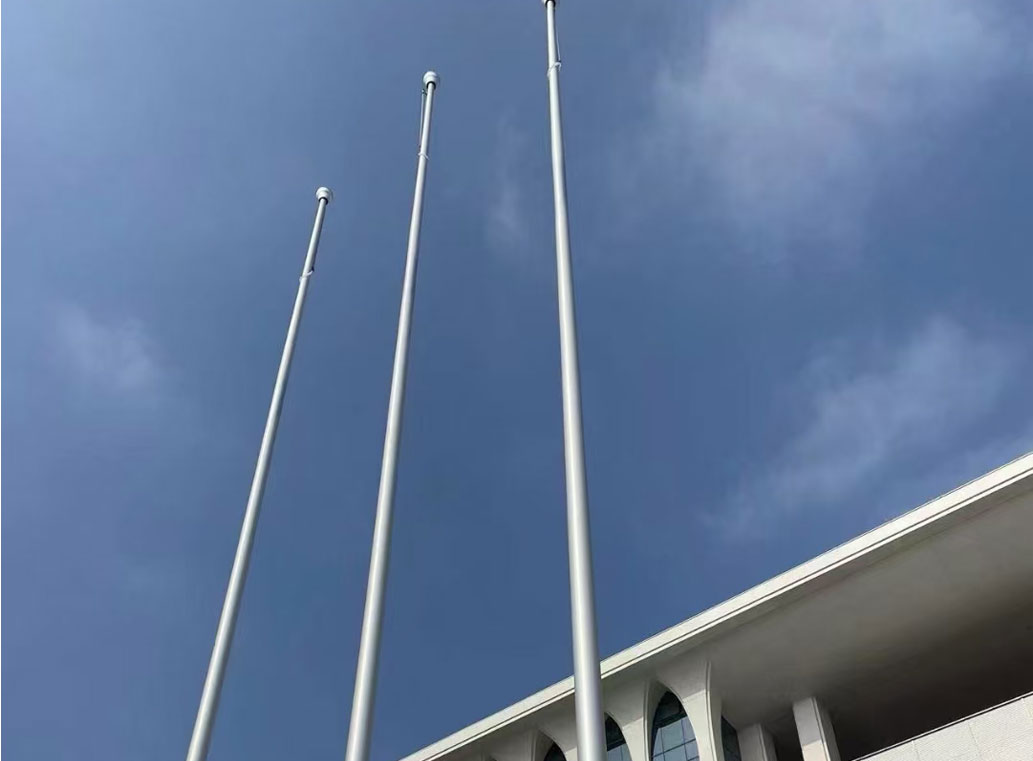
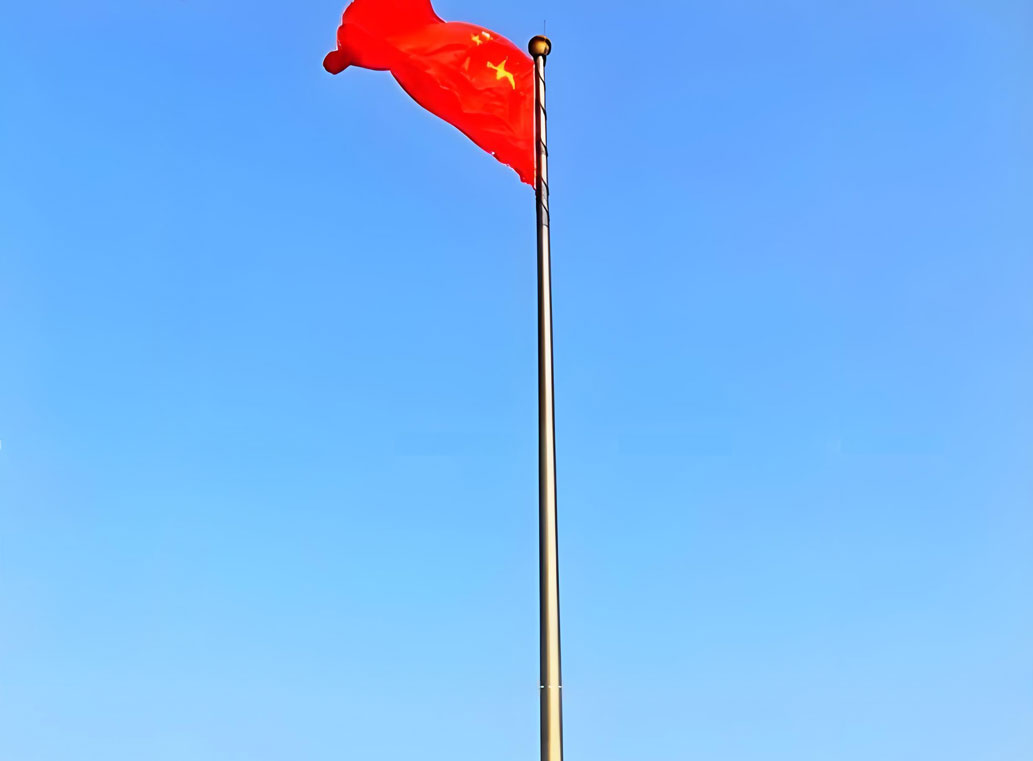

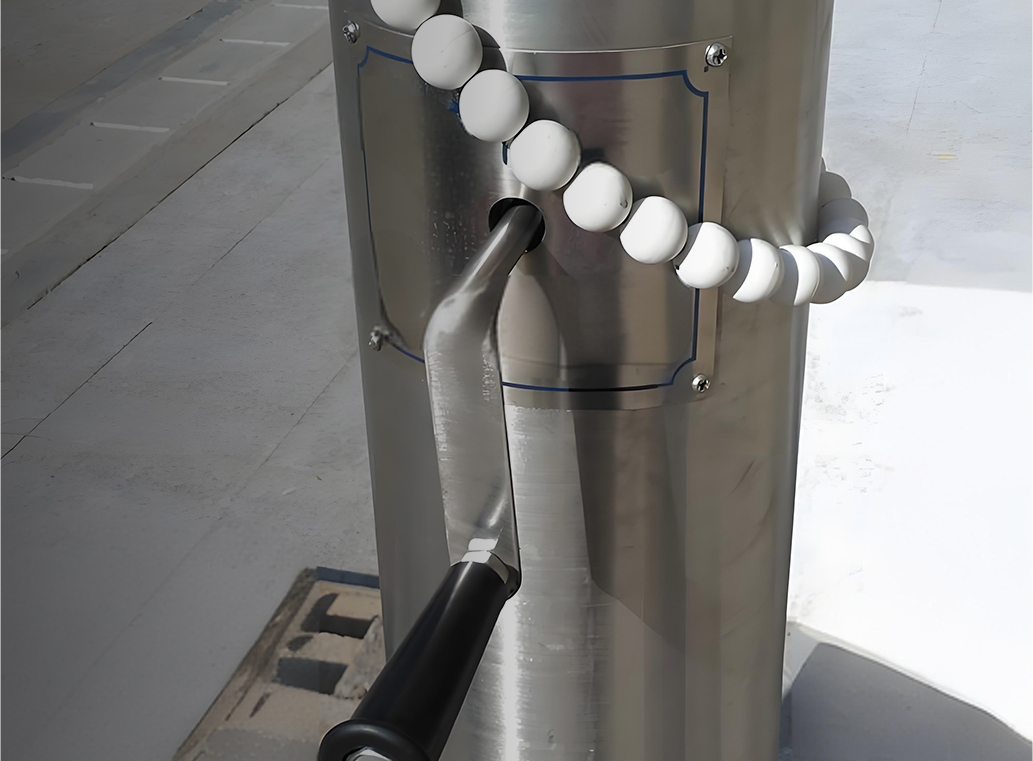

Flagpoles stand as proud symbols, gracing homes, businesses, and public spaces alike. While various materials are used in their construction, stainles......
READ MORESubmit feedback
Home / News / Industry News / How to Attach Flag to Flagpole Without Pulley and Outdoor Flagpoles: The Complete Practical Installation, Hardware, and Maintenance Guide
How to Attach Flag to Flagpole Without Pulley and Outdoor Flagpoles: The Complete Practical Installation, Hardware, and Maintenance Guide
How to Attach Flag to Flagpole Without Pulley and Which Outdoor Flagpole Type Suits Your Situation
Attaching a flag to a flagpole without a pulley is entirely practical and is in fact the standard method for the majority of residential and commercial outdoor flagpole installations that use fixed-height or wall-mounted poles. The four primary methods for attaching a flag to a flagpole without a pulley are: snap hook clips attached to grommets on the flag header, tie strings or cords threaded through the grommets and knotted to rings or cleats on the pole, sleeve-style flags that slip over the pole shaft, and direct attachment of the flag header to a bracket arm or pole-top ornament. Each method is appropriate for specific flagpole types and flag sizes, and selecting the wrong attachment method causes the flag to fly improperly, wear prematurely at the attachment points, or detach entirely in high winds.
Outdoor Flagpoles come in six primary material categories: aluminum, fiberglass, steel, wood, PVC, and carbon fiber, each suited to different installation environments, wind loading requirements, aesthetic preferences, and budget constraints. The correct Outdoor Flagpoles specification for any installation requires matching the pole height, material, and base design to the site's wind zone, the intended flag size, and the installation surface available.
The key practical insight for anyone asking how to attach flag to flagpole without pulley is that the method depends entirely on the pole type and the presence or absence of a fixed attachment ring, cleat, or bracket at the top. On flagpoles with a cleat at the base and a ring at the top, snap hooks on the flag connect to the top ring and the flag is left at a fixed height. On wall-mounted or bracket-arm Outdoor Flagpoles with no rope system at all, the flag attaches directly to the bracket arm via sleeve or snap hooks at top and bottom of the header.
How to Attach Flag to Flagpole Without Pulley: All Four Methods Explained
Learning how to attach flag to flagpole without pulley begins with identifying which of the four main attachment methods matches the flagpole hardware already present or being installed. The method is not freely interchangeable: each method requires specific hardware on both the flag and the pole, and a mismatch between method and hardware produces an insecure attachment that fails under wind load.
Method 1: Snap Hook Clips to Grommets (No-Pulley Fixed Position)
The snap hook method is the most common way to attach flag to flagpole without pulley on residential in-ground or surface-mount flagpoles that have a fixed top ring and a cleat or tie-off point at the base. This method requires that the flag has two brass or stainless steel grommets in its header (the reinforced canvas or nylon strip along the left edge of the flag when viewed from the front), and that the pole has corresponding snap hook clips already attached to a short section of halyard rope or chain fixed at the top of the pole.
- Position yourself at the base of the pole with the flag unfolded and oriented correctly. The union (the canton with stars, or the top-left corner of any national flag) must be at the top of the header when the flag is raised. Confirm this orientation before attaching any clips.
- Attach the top snap hook clip to the top grommet of the flag header. The snap hook opens by pressing a spring-loaded gate and closes by releasing it. Ensure the clip passes through the grommet completely and that the gate has closed fully before releasing the clip.
- Attach the second snap hook to the bottom grommet. The bottom clip should have enough tension in the halyard to hold the flag taut without allowing the bottom of the header to sag toward the pole. If the spacing between the two clips is incorrect for the flag's grommet spacing, adjust by threading the lower clip's attachment point up or down the halyard section.
- Raise the flag to the desired position (full staff, half staff, or any position on fixed-height poles that allow intermediate positions via cleat adjustment) by lifting the flag assembly toward the top of the pole.
- Secure the halyard end to the cleat at the base of the pole. Wrap the rope around the cleat in a figure-eight pattern at least three times, then finish with a half-hitch to prevent the wrap from working loose in wind. A correctly secured cleat holds a standard 3 x 5 foot flag in winds up to 40 mph without slipping.
Method 2: Tie Strings and Lashing Cords Through Grommets
The tie string method is the traditional approach to attach flag to flagpole without pulley on wooden, bamboo, PVC, or decorative poles that have no snap hook hardware and no rope system at all. It requires only the flag's grommets and a length of weather-resistant cord or rope. This method is particularly appropriate for garden poles, decorative yard flags, and any situation where the flag must be attached directly to the pole shaft rather than to a rope or ring system.
- Cut two lengths of UV-resistant nylon or polyester cord, each approximately 30 cm long. Nylon is preferred over cotton rope because it resists rot and UV degradation; standard cotton twine degrades within one to three months of outdoor exposure and should not be used for outdoor flag attachment.
- Thread the first cord through the top grommet and double it so both ends are equal length. Wrap both ends around the pole shaft at the desired height and tie a secure knot: a reef knot (square knot) followed by a half-hitch on each end prevents the knot from loosening under repeated wind cycling. The knot should sit on the back of the pole, away from the flag face.
- Thread the second cord through the bottom grommet and repeat the wrapping and knotting process, ensuring the bottom cord is secured at a point that keeps the flag header taut along its vertical length without bunching or folding.
- Check the flag orientation after tying both cords to confirm the flag is flying correctly with the union at the top left when viewed from the primary observation side.
- Re-check and re-tighten the knots after the first two to three days of outdoor use, as nylon cord stretches slightly when first loaded under tension and the knots may loosen marginally. After this initial settling period, the attachment is typically stable for the season.
Method 3: Sleeve or Tube Flag Over a Bracket Arm Pole
Sleeve-style flags are manufactured with a fabric tube sewn along the header edge rather than grommets, designed to slip directly over a pole shaft or bracket arm so that the pole runs through the sleeve from top to bottom of the flag. This is the most secure attachment method for decorative garden flags, house flags, and any flag displayed on a bracket arm Outdoor Flagpoles system mounted to a wall, post, or fence. No hardware clips, ropes, or knots are needed: the pole passing through the sleeve IS the attachment system.
- Remove the flag pole or bracket arm from its mounting if the pole passes through a wall bracket that can be disassembled. For fixed bracket arm systems that cannot be removed, the sleeve must be threaded over the pole tip and slid down to the mounting bracket.
- Slide the flag sleeve over the pole shaft from the tip end, gathering the flag fabric as the sleeve moves along the pole. For long garden flag poles (typically 5 to 6 feet), start by gathering all the flag fabric into a loose bundle held at the pole tip, then push the sleeve over the tip and work it down the shaft smoothly.
- Position the flag correctly so that the top of the flag is at the top of the sleeve and the flag face is oriented correctly for the primary viewing direction. Most bracket arm Outdoor Flagpoles mount on the left side of a doorway or gatepole when viewed from outside, displaying the flag so it faces outward from the bracket.
- Secure the flag tip if the sleeve has a drawstring or tie loop at the bottom end to prevent the flag from sliding up and bunching at the bracket end during strong winds. Pull the drawstring tight and tie it securely around the pole shaft just above the bracket mounting point.
Method 4: Direct Clip Attachment to a Bracket Arm Without Any Rope
Many Outdoor Flagpoles designed for wall mounting or post mounting include a bracket arm with two fixed attachment rings or hooks already positioned at the correct spacing for a standard flag size, allowing the flag's grommets to clip directly onto the rings without any rope, pulley, or intermediate hardware. This is the simplest possible method to attach flag to flagpole without pulley and requires only the flag and its grommet clips:
- Confirm the ring spacing matches the flag grommet spacing. A standard 3 x 5 foot flag has grommets approximately 30 to 35 cm apart along the header. A standard garden flag (12 x 18 inches) has grommets approximately 15 to 18 cm apart. The bracket arm rings must match this spacing within 2 to 3 cm or the flag header will either bunch up (rings too close) or stretch taut between grommets (rings too far apart).
- Open the top snap hook or carabiner clip on the top bracket ring and pass it through the top grommet of the flag header, then close the clip gate completely.
- Open the bottom clip and attach it to the bottom grommet. The flag should now be held taut with the header pressed against the bracket arm and the flag body extending outward on the wind side.
- Check the flag is not twisted by holding the flag body extended away from the pole and confirming that both faces of the flag are visible and that the header lies flat without spiral twisting around the bracket arm.
Choosing the Right Attachment Method for Your Flagpole Type
| Flagpole Type | Best Attachment Method | Hardware Needed on Pole | Flag Header Type Required | Wind Resistance |
|---|---|---|---|---|
| In-ground with top ring and cleat | Snap hooks to grommets | Top ring, cleat, short halyard | Two brass grommets | Very good |
| Garden or yard stake pole | Tie cords through grommets | None (bare pole shaft) | Two brass grommets | Good (moderate winds) |
| Wall mounted bracket arm | Direct clip to bracket rings OR sleeve over arm | Two fixed rings at correct spacing | Grommets or sleeve | Very good |
| Telescoping outdoor flagpole | Sleeve over pole shaft (most models) | Rotating rings or sleeve grooves | Sleeve header or grommets with clips | Excellent (pole rotates) |
| Decorative garden post pole | Sleeve over pole shaft | Removable decorative tip | Sleeve header | Good (decorative use) |
Outdoor Flagpoles: Materials, Heights, Wind Ratings, and Base Types
Outdoor Flagpoles are available in a wider range of materials, configurations, and installation methods than most buyers anticipate when they begin the selection process. The correct Outdoor Flagpoles specification for any installation requires matching five key variables: pole material (which determines durability, weight, and maintenance requirements), pole height (which determines flag size compatibility), base design (which determines how the pole is anchored to the ground or structure), wind rating (which determines safety in the buyer's local wind zone), and surface finish or coating (which determines how the pole looks and how it resists corrosion over time).
Aluminum Outdoor Flagpoles: The Most Popular Choice and Why
Aluminum is the dominant material for residential and light commercial Outdoor Flagpoles, accounting for the majority of flagpoles sold for home, school, church, and small business installations in North America and Europe. Aluminum flagpoles combine low weight, natural corrosion resistance, excellent surface finish retention, ease of installation, and competitive pricing in a way that no alternative material fully replicates.
Key characteristics of aluminum Outdoor Flagpoles:
- Corrosion resistance: Aluminum naturally forms a dense aluminum oxide layer on its surface that prevents ongoing oxidation, unlike steel that rusts through progressive layers of iron oxide. Aluminum flagpoles in coastal environments or areas with high humidity maintain their structural integrity and appearance for 20 to 40 years without protective coating replacement, compared to steel poles that require periodic repainting or galvanizing to prevent structural corrosion.
- Anodized surface finish: Most quality aluminum Outdoor Flagpoles are anodized (electrochemically converted to a hard aluminum oxide surface layer 5 to 25 microns thick) in satin or brushed finishes before being powder-coated in the final colour (typically white, bronze, or natural aluminum). The anodized layer improves surface hardness from approximately 25 HV (bare aluminum) to 250 to 400 HV, significantly improving resistance to scratching, marking, and UV-driven finish degradation.
- Weight advantage: A 20-foot (6 meter) aluminum flagpole typically weighs 15 to 25 kg, compared to 40 to 60 kg for equivalent steel poles. This weight reduction simplifies installation significantly, allowing most residential aluminum flagpoles to be installed without heavy lifting equipment by two to three people working together.
- Standard wind ratings: Quality aluminum Outdoor Flagpoles for residential use are typically engineered and rated for sustained winds of 90 to 120 mph (145 to 193 km/h) with an appropriate flag size installed. Commercial grade aluminum poles are rated for 120 to 150 mph (193 to 241 km/h) with corresponding larger wall thicknesses and base sleeve designs.
Fiberglass Outdoor Flagpoles: The Best Choice for Coastal and High-Wind Sites
Fiberglass Outdoor Flagpoles have specific advantages over aluminum and steel in environments where salt air corrosion, lightning strike risk, or very high sustained wind loading are the primary design drivers. While more expensive per linear foot than aluminum poles, fiberglass poles' advantages in these specific conditions justify the price premium:
- Complete corrosion immunity: Fiberglass is not attacked by salt air, acid rain, chlorine from swimming pool environments, or industrial chemical fallout. A fiberglass flagpole installed on a beachfront property in a tropical climate will show no structural degradation from corrosion over its entire service life, while aluminum poles in the same environment may show pitting and surface corrosion within 5 to 10 years without periodic cleaning and treatment.
- Electrical non-conductivity: Fiberglass does not conduct electricity, making fiberglass Outdoor Flagpoles the recommended specification for installations near power lines, in areas with high lightning strike frequency, or for any application where electrical grounding of the flagpole structure is difficult or impossible. Metal flagpoles in lightning-prone areas require proper grounding rod installation to comply with electrical safety codes.
- Flexibility under extreme wind loading: Fiberglass has a lower modulus of elasticity than aluminum or steel, meaning it deflects more before reaching its yield point. This flexibility allows fiberglass poles to survive wind gusts that would plastically deform (permanently bend) an equivalent aluminum pole, because the fiberglass absorbs the peak energy through elastic deflection that fully recovers when the gust passes.
- Higher material cost: Fiberglass Outdoor Flagpoles typically cost 30% to 60% more than comparable aluminum poles, which is the primary reason they are not the standard residential specification despite their performance advantages. For coastal, industrial, or high-value installations where the cost of pole replacement or corrosion repair over the service life exceeds the initial price premium of fiberglass, the total cost of ownership favors fiberglass strongly.
Steel Outdoor Flagpoles: Commercial and Monumental Scale Applications
Steel Outdoor Flagpoles are the standard specification for commercial, governmental, institutional, and monumental flagpole installations where very large flag sizes (10 x 19 feet and above), very tall poles (above 40 feet or 12 meters), or extreme wind and load requirements exceed the structural capacity of aluminum. The higher structural strength and rigidity of steel allows commercial flagpole manufacturers to produce single-shaft poles of 50, 80, 100, and even 150 feet in height that would require multiple sections and complex splicing in aluminum or fiberglass constructions.
- Typical applications: Shopping centre entrance poles, sports stadium poles, government building campus poles, car dealership poles (where very tall poles with large commercial flags are a competitive display practice), military installation poles, and memorial flagpole installations where the monumental character of a large steel pole is part of the design intent
- Protective coating requirements: Steel flagpoles require either galvanizing (hot-dip zinc coating applied to the pole surface before erection) or regular repainting programs to prevent the progressive rust that degrades unprotected steel. Galvanized steel poles in clean air environments maintain structural integrity for 25 to 50 years; in coastal or industrial environments, the zinc coating is consumed more rapidly and the service life may be shorter without supplementary paint coatings applied over the galvanizing.
- Foundation requirements: The high weight of steel poles (a 40-foot steel flagpole may weigh 250 to 400 kg) and their large overturning moment under wind loading require substantial reinforced concrete foundations, typically designed by a structural engineer for commercial installations. Standard residential installation procedures do not apply to steel commercial poles.
Outdoor Flagpoles by Height: Matching Pole Height to Flag Size
The relationship between flagpole height and appropriate flag size is one of the most frequently misunderstood aspects of flagpole installation. Flying a flag that is too large for the pole produces excessive strain on all attachment points (potentially pulling snap hooks, grommets, or the entire halyard system under high wind loads), creates a visual imbalance where the flag overwhelms the pole, and may violate the flag code or display guidelines of the relevant national flag authority. Flying a flag that is too small for the pole produces a visually insignificant display that defeats the purpose of the installation.
| Pole Height | Recommended Flag Size | Maximum Flag Size (High Wind) | Typical Installation Type |
|---|---|---|---|
| 6 ft (1.8 m) | 12 x 18 in garden flag | 2 x 3 ft | Garden stake, pot mount |
| 15 ft (4.5 m) | 3 x 5 ft | 4 x 6 ft | Residential in-ground |
| 20 ft (6 m) | 4 x 6 ft | 5 x 8 ft | Residential or light commercial |
| 25 ft (7.6 m) | 5 x 8 ft | 6 x 10 ft | Commercial, school, small business |
| 30 ft (9 m) | 6 x 10 ft | 8 x 12 ft | Commercial, government, institutional |
| 40 ft (12 m) | 8 x 12 ft | 10 x 15 ft | Commercial, stadium, dealership |
| 60 ft (18 m) | 10 x 15 ft | 12 x 18 ft | Monumental, government campus |
Outdoor Flagpoles Base Types and Installation Methods
The base and installation method of Outdoor Flagpoles determines the pole's structural stability under wind loading, the permanence of the installation, and whether the pole can be repositioned after initial installation. Choosing the wrong base type for the installation surface or wind zone is one of the most common and costly outdoor flagpole installation errors, because a pole that is inadequately anchored creates a falling hazard and a damaged pole in the first major wind event.
Ground Sleeve (Foundation Sleeve) Installation
The ground sleeve is the standard installation method for permanent in-ground Outdoor Flagpoles and is used for the large majority of residential, commercial, and institutional flagpole installations. A steel or aluminum ground sleeve (a cylindrical tube slightly larger in diameter than the flagpole base) is set in a reinforced concrete foundation poured in a hole excavated to the specified depth, and the flagpole is inserted into the sleeve after the concrete has cured. The flagpole can be removed from the sleeve for storage, transport, or replacement without disturbing the concrete foundation.
- Foundation depth requirements: The standard engineering rule for residential aluminum Outdoor Flagpoles is to bury the ground sleeve to a depth equal to approximately 10% to 15% of the total pole height plus frost depth if applicable. For a 20-foot pole, this means a minimum foundation depth of 24 to 36 inches plus whatever additional depth is required to reach below the local frost line (typically 18 to 48 additional inches in northern climates). Inadequate foundation depth is the single most common cause of residential flagpole leaning or blow-over failures in high-wind events.
- Concrete volume: A residential flagpole foundation typically requires 1 to 4 cubic feet of concrete depending on the pole height and the soil bearing capacity. Soft or sandy soils require larger-diameter holes and more concrete than firm clay or compacted gravel soils to achieve equivalent lateral load resistance.
- Concrete curing time: Allow a minimum of 72 hours and ideally 7 days for the concrete to cure before inserting the pole and raising a flag. Inserting the pole in wet concrete risks disturbing the sleeve position before the concrete sets, and the concrete will not reach adequate strength to resist wind loading until the curing process is substantially complete.
Surface Mount (Flange Base) Installation
Surface mount Outdoor Flagpoles use a flat flange plate welded to the base of the pole that bolts directly to an existing concrete surface, deck, dock, patio, or rooftop structure. This method is appropriate where excavation is not possible or not permitted (rooftop installations, dock installations, paved areas where cutting concrete is prohibited) and where an existing concrete surface of adequate thickness and reinforcement provides the necessary structural support.
- Anchor bolt pattern: Most residential surface-mount flagpoles use a 4-bolt pattern on a 4 to 8 inch bolt circle, installed in concrete expansion anchors or through-bolted to structural framing beneath the surface. The anchor bolts must be installed precisely to the specified bolt circle diameter and must achieve the embedment depth specified by the flagpole manufacturer for the rated wind load.
- Minimum concrete thickness: The concrete surface receiving the anchor bolts must be a minimum of 4 inches thick for light residential poles (15 to 20 feet) and 6 to 8 inches thick for commercial poles (25 to 40 feet). Thinner concrete surfaces do not provide adequate embedment depth for the anchor bolts and may crack or spall under the uplift forces from wind loading on the flag.
- Advantages over ground sleeve: Surface mount installation can typically be completed in a single day without any excavation or concrete pouring, since the anchor bolts are drilled and set in existing concrete. This is particularly valuable in areas where excavation would disturb utilities, tree roots, or existing landscaping that a ground sleeve installation would damage.
Wall Mount and Bracket Arm Outdoor Flagpoles
Wall-mounted Outdoor Flagpoles attach to the exterior wall of a building through a mounting bracket that holds a single flagpole arm (a short horizontal or angled pole projecting from the building face) at a 45 to 90-degree angle from the wall. These are the most common flagpole type for residential front entrance display, commercial building entrance display, and any installation where ground space is unavailable or where the flag is intended to project over a walkway, driveway, or entrance feature.
- Bracket mounting height: The standard residential wall bracket mounts at 7 to 10 feet above grade, positioning the flag high enough to clear pedestrian passage below while keeping the flag visible at eye level from the street. Commercial building brackets may mount at 10 to 20 feet above grade on taller building facades.
- Structural fastening: The wall bracket must be fastened to structural framing (wall studs, masonry anchors in brick or concrete block, or through-bolts in concrete walls) rather than to surface cladding materials that lack the pull-out strength to resist the wind loading on the flag. A 3 x 5 foot flag in a 40 mph wind generates approximately 15 to 25 pounds of force on the bracket mounting point; this force is easily resisted by screws in solid studs but would pull a bracket out of drywall anchors alone.
- Arm length selection: Wall bracket arms for house flags (typically 3 x 5 feet) are available in lengths of 4 to 8 feet. The arm length determines how far from the wall the flag flies and affects the visual impact from the street. Longer arms are visually more impressive but create higher leverage on the wall mounting point, requiring more robust fastening.
Attachment Hardware Selection: Clips, Rings, and Connectors That Last Outdoors
The hardware used to attach a flag to any type of outdoor flagpole without a pulley is the most failure-prone component in the entire flagpole system. Flag attachment clips, rings, and connectors are exposed to continuous cyclic loading from wind, UV radiation, salt air in coastal environments, and temperature cycling that together create a more demanding environment than almost any other hardware application of equivalent size and load. Selecting the wrong hardware material for the outdoor environment produces rusted, seized, or broken attachment points within one to three seasons, while the correct hardware lasts 10 to 20 years or more.
Snap Hook Clips: Material Selection and Quality Indicators
Snap hook clips (also called trigger snap hooks or spring-gate hooks) are the primary hardware for attaching flag grommets to halyard ropes or fixed rings on Outdoor Flagpoles without pulleys. They are available in the following materials, listed in order of corrosion resistance and appropriate outdoor suitability:
- 316 stainless steel: The premium specification for all coastal, marine, or high-humidity environments. 316 stainless steel contains 2% to 3% molybdenum in addition to the chromium-nickel alloy of 304 stainless, which dramatically improves resistance to chloride-induced pitting corrosion that causes 304 stainless to corrode in salt air even though 304 is nominally stainless. 316 stainless steel snap hooks for flagpoles cost USD 3 to USD 8 per hook but last 15 to 25 years in coastal installations where chrome-plated zinc die-cast hooks (the cheapest alternative) rust and seize within 6 to 18 months.
- 304 stainless steel: Appropriate for inland non-coastal environments where chloride exposure is minimal. 304 stainless hooks are the standard specification for most quality residential aluminum Outdoor Flagpoles sold with hardware included. They cost slightly less than 316 stainless and perform adequately in non-coastal conditions.
- Solid brass: Natural brass is highly corrosion-resistant and is the traditional material for flag hardware because of its appearance (warm gold tone) and its compatibility with the brass grommets in most quality flags. Solid brass snap hooks perform well in most outdoor environments including mild coastal conditions where the zinc component of the brass alloy provides some sacrificial protection. Marine-grade brass with higher copper content provides better corrosion resistance than standard CZ121 brass.
- Chrome-plated zinc alloy: The lowest cost option and the least suitable for outdoor use. The chrome plating provides initial corrosion resistance but begins to fail within one to two years in outdoor environments as the coating chips or cracks at the moving gate junction, allowing corrosion to reach the zinc die-cast substrate. Corroded gates seize in the closed position, making flag removal impossible without cutting the clip. Avoid this material specification for any permanent outdoor flagpole installation.
- Nylon-coated or polymer snap hooks: UV-stabilized polymer snap hooks are used in applications where metal clip contact with the pole surface would cause galvanic corrosion (for example, brass clips against an anodized aluminum pole surface) or where noise from metal-on-metal contact is a concern. Quality UV-stabilized polymer hooks last 5 to 10 years in most outdoor environments and are a cost-effective alternative to stainless steel in non-coastal installations.
Halyard Ropes for No-Pulley Fixed Systems
On in-ground Outdoor Flagpoles with a top ring and base cleat but no pulley, the short length of halyard rope connecting the top ring to the snap hooks and the longer length securing to the cleat must be selected for UV resistance, strength, and abrasion resistance at the ring and cleat contact points:
- Polyester braid: The recommended halyard material for most residential and commercial outdoor flagpoles. Polyester has excellent UV resistance (significantly better than nylon), low stretch under load (which prevents the flag from dipping and rising as wind speed varies), and good abrasion resistance at rope-to-ring contact points. A 5/16 inch (8 mm) diameter polyester braid halyard is the standard specification for residential poles up to 25 feet.
- Nylon braid: Nylon halyards are stronger than equivalent-diameter polyester but stretch significantly more under load, causing the flag to bounce and dip in varying winds. Nylon also degrades faster than polyester under prolonged UV exposure. Standard nylon braid is the most common halyard material in economy flagpole kits but is not the optimal specification for long-term outdoor use.
- Wire rope core halyard: A composite rope with a stainless steel wire core surrounded by a polyester braid outer cover, providing the abrasion and cut resistance of wire rope with the visual appearance and knotability of standard rope. Wire core halyards are specified for commercial installations where vandal-resistant halyard systems are required, as the wire core cannot be cut with scissors or a knife in the way that pure fiber halyards can.
Installing a Telescoping Outdoor Flagpole Without a Pulley: The Modern Alternative
The telescoping Outdoor Flagpoles design is one of the most significant innovations in residential and commercial flag display of the past two decades, precisely because it provides an elegant solution to the attach-flag-to-flagpole-without-pulley challenge that eliminates all of the complexity of traditional snap hook and halyard systems. A telescoping flagpole's flag attachment system is built into the pole structure itself: the flag attaches to a rotating ring at the top and a fixed ring at the bottom of the flying section, both of which are already incorporated into the pole sections when purchased.
How Telescoping Flagpole Attachment Works
A telescoping Outdoor Flagpoles system consists of three to six pole sections of progressively smaller diameter that nest inside each other when collapsed and extend to full height by sliding each section upward out of the section below. The flag attachment mechanism works as follows:
- The pole is collapsed to its minimum height for flag attachment, typically 5 to 7 feet, which allows the attachment points to be reached comfortably from ground level without a ladder.
- The flag's top grommet attaches to the rotating ring at the top of the uppermost pole section via a snap hook or carabiner clip. The rotating ring is mounted on a ball bearing or sleeve bearing that allows the ring (and the attached flag top) to rotate freely around the pole axis, preventing the flag from wrapping around the pole in changing winds.
- The flag's bottom grommet attaches to a fixed ring at the lower end of the flying section, providing the lower anchor point that keeps the flag spread and taut along its header without allowing it to slide down the pole.
- The pole sections are extended to full height by sliding each section up until the locking button or twist-lock collar engages, securing that section at full extension. The flag rises with the pole as the sections extend, reaching its final flying position when the pole is fully extended.
- No cleat, halyard, or rope is required because the flag is supported by rings built into the pole structure rather than by a separate rope system. The flag can only be lowered by collapsing the pole sections in reverse sequence, which provides an inherent anti-theft advantage over traditional rope-and-cleat systems where the flag can be lowered and removed by anyone who unties the cleat rope.
Telescoping Outdoor Flagpoles typically withstand wind speeds of 90 to 100 mph (145 to 161 km/h) with a standard 3 x 5 foot flag when fully extended to 20 to 25 feet. The rotating top ring that is standard on most telescoping pole designs prevents the spiral wrapping around the pole shaft that frequently damages flags on fixed-ring traditional poles in shifting winds, extending flag life significantly.
Selecting a Telescoping Outdoor Flagpoles for Different Applications
The quality and performance of telescoping Outdoor Flagpoles varies significantly between manufacturers, and several specific design features distinguish poles that provide reliable long-term service from those that fail within one to two seasons:
- Section locking mechanism: Button lock systems (where a spring-loaded button pops into a hole in the outer section to lock each section at extension) are more reliable over time than twist-lock or friction-lock systems, which can loosen in temperature cycling and vibration. A button lock telescoping pole should maintain its locked position without any section slipping downward for at least 10 seconds when the full flag load is applied at the top ring, which is a practical test that distinguishes quality poles from cheap imitations before purchase.
- Section overlap length: Each telescoping section should overlap with the next section by at least 10% to 15% of the section length when locked in the extended position. Shorter overlap ratios reduce the pole's lateral stiffness at each joint, causing the pole to deflect excessively at extension joints under wind load and eventually fatigue the locking mechanism.
- Rotating ring bearing quality: The ball bearing or sleeve bearing in the rotating top ring is the highest-wear component in the entire telescoping flagpole system. A stainless steel sealed ball bearing mounted in the top ring provides the lowest friction, longest service life, and most reliable rotation in all weather conditions including rain, ice, and salt air. Plastic bushings or unsealed bearings in the top ring mechanism collect grit and water, developing binding or seizure within one to three seasons of outdoor use.
Flag and Outdoor Flagpole Maintenance: Extending the Life of Both
Outdoor Flagpoles and the flags they fly represent investments that can last 20 to 40 years with correct maintenance or 3 to 5 years without it. The maintenance requirements for flag and pole are distinct and need to be managed separately, but both are modest in time and cost relative to the replacement cost of a damaged or worn-out pole or flag set.
Outdoor Flagpole Maintenance Schedule
- Monthly inspection of all attachment hardware: Check snap hooks for gate function (the spring-loaded gate should open and close freely without sticking), check that all connection points are free of corrosion, and confirm that the halyard or cord shows no signs of fraying, kinking, or UV-bleaching that indicates degradation approaching the end of service life.
- Quarterly cleaning of the pole shaft: Aluminum flagpoles accumulate airborne pollution, bird deposits, and oxidation products on their surface that if left untreated eventually etch into the anodized finish. Clean the pole shaft with a mild detergent and a soft cloth or brush, rinse thoroughly with clean water, and optionally apply a thin coat of automotive paste wax to the cleaned aluminum surface to improve water sheeting and slow re-contamination.
- Annual lubrication of top ring and cleat components: Apply a small amount of marine-grade silicone grease or PTFE spray lubricant to the snap hook pivot points, the cleat wrap surfaces, and any bearing surfaces in the top ring assembly. This prevents the galling and seizing that develops in metal-on-metal contact surfaces exposed to outdoor moisture and temperature cycling.
- Post-storm inspection: After any wind storm exceeding 50 mph (80 km/h), inspect the pole for visible bending at any section joint, check all locking mechanisms on telescoping poles for secure engagement, and inspect the foundation area for any signs of heaving, settling, or concrete cracking that indicates foundation movement under the storm loading.
Flag Care for Outdoor Display
- Lower and store flags before severe weather events: Wind gusts above 50 to 60 mph (80 to 97 km/h) can tear grommets from flag headers, split seams along the flag body, and cause flagpole bending from the combined wind load. Most flag manufacturers recommend lowering flags when sustained wind speeds exceed 35 to 40 mph (56 to 64 km/h). Leaving a flag raised through a major wind storm dramatically shortens its service life and risks damaging the flagpole hardware.
- Machine wash nylon flags monthly in heavy-use outdoor installations: Outdoor flags accumulate pollution, biological deposits, and airborne grit that abrades the fabric from the inside as the flag flaps in the wind. A monthly gentle-cycle machine wash in cool water with mild detergent removes these deposits before they degrade the fabric. Do not machine dry outdoor flags: high dryer heat shrinks nylon and polyester flag fabrics, distorting the flag shape and stressing the header seam where the grommets are set. Air dry flags in a shaded, well-ventilated area.
- Inspect grommets quarterly for cracking or deformation: Brass grommets are among the longest-lasting components of a quality flag but can crack from repeated impact loading against the flagpole shaft in high-wind conditions. Cracked grommets eventually tear through the header fabric, creating a triangular tear that typically propagates along the header seam and requires professional flag repair or header replacement.
- Replace flags showing fraying at the fly end: The fly end (the free end of the flag farthest from the pole) experiences the most flexural fatigue from continuous wind flapping and is always the first part of the flag to show fraying. Light fraying of 1 to 2 cm is normal for an outdoor flag after one season of heavy use; fraying beyond 5 cm reaches into the printed or embroidered design area and warrants replacement.
Seasonal Outdoor Flagpoles Management in Cold Climates
In regions that experience freezing temperatures, winter outdoor flagpoles management adds several practices to the standard maintenance schedule:
- Remove nylon flags during ice storm events: Ice accumulation on a raised flag can add 20 to 50 pounds of weight to the flag-and-halyard system, creating loads on the top ring, grommets, and pole that far exceed the design wind load for which the pole was engineered. Lower the flag before any forecast ice storm and leave it lowered until all ice has melted from the pole hardware.
- Use winter-specific flags in extreme cold climates: Standard nylon outdoor flags remain flexible and functional at temperatures down to approximately minus 20 degrees Celsius. Below this temperature, standard nylon becomes brittle and may crack or tear at the fold lines where the flag contacts the pole. All-weather flag materials with cold-temperature plasticizer additives maintain flexibility at lower temperatures for operations in climates with sustained below-freezing winters.
- Inspect and clean the ground sleeve annually after spring thaw: Freeze-thaw cycling of soil around the ground sleeve foundation can cause minor heaving and settling of the concrete sleeve, particularly in soils with high clay content. Inspect the pole vertical alignment each spring and re-plumb the pole within the sleeve if it has moved from vertical by more than 1 to 2 degrees during the winter season.
Common Problems When Attaching Flag to Flagpole and How to Fix Them
Even with correct attachment hardware and a quality outdoor flagpole, several common problems arise during the life of a flag installation. Knowing how to diagnose and fix each problem prevents unnecessary flag or hardware replacement and keeps the display looking correct throughout the year.
Flag Wraps Around the Pole in Shifting Winds
Flag wrapping around the pole shaft is the most frequent complaint from outdoor flagpole owners and is caused by the flag top being held at a fixed point on the pole while the wind direction shifts, allowing the flag to spin around the pole before settling in the new wind direction. Solutions include:
- Install a rotating top ring or swivel adapter that allows the flag top to rotate freely around the pole axis. This is the permanent solution that eliminates wrapping entirely, and is standard on telescoping pole designs. On traditional in-ground poles, swivel snap hooks that incorporate a ball-bearing swivel between the hook and the halyard allow the flag to rotate without the halyard twisting.
- Add a tangle-free flagpole ring kit that replaces the fixed top ring with a spinning ring system. These retrofit kits cost USD 15 to USD 35 and can be installed on most aluminum and fiberglass in-ground poles without any drilling or modification to the pole itself.
Snap Hook Gate Jams or Will Not Open
A snap hook gate that jams in the closed position is almost always the result of corrosion at the gate pivot point or corrosion of the spring mechanism inside the hook body. The correct solution depends on the severity:
- Light corrosion or stiffness: Apply penetrating oil (WD-40 or similar) generously to the gate pivot point and work the gate repeatedly. Allow the penetrating oil 15 to 30 minutes to reach the corroded pivot before attempting final operation.
- Seized gate that will not move despite penetrating oil treatment: Replace the clip immediately. A snap hook that cannot be operated is a safety risk because the flag cannot be lowered for maintenance or storm storage. Replace with a stainless steel or solid brass hook appropriate for the outdoor environment.
Flag Header Tears at the Grommet
Tears in the flag header fabric at or near the grommet holes are caused by either overloading of the attachment point (typically from a flag that is too large for the pole height in high-wind conditions) or by metal fatigue of the grommet itself after years of cyclic loading. Repair options:
- Small tears (under 3 cm): Apply a self-adhesive nylon repair patch over the tear from both sides of the flag, cut to a size that extends at least 3 cm beyond the tear in all directions. Seal the patch edges with a thin bead of clear outdoor fabric adhesive to prevent the patch from peeling at the edges. Re-set a new grommet through the patched area using a grommet tool and a replacement grommet of the correct size.
- Large tears or complete header failure: Professional flag repair services can replace the entire header strip with new canvas or nylon header material, re-setting all grommets at the correct position and reinforcing the new header to the original flag body. This repair typically costs 30% to 50% of the replacement flag price and extends flag life by an additional season or more.
Frequently Asked Questions
1. How do you attach a flag to a flagpole without a pulley using just what comes with a standard flagpole kit?
Most standard residential flagpole kits that arrive without a pulley include two snap hook clips on a short length of halyard rope that is pre-attached to the top ring of the pole and a cleat at the base for securing the lower end of the halyard. To attach the flag using these components: open the top snap hook gate and thread it through the top grommet of the flag header, then close the gate completely. Open the second snap hook and attach it to the bottom grommet. Raise the flag to the full staff position by lifting the flag and halyard assembly toward the pole top. Wrap the free end of the halyard around the cleat in a figure-eight pattern at least three times and finish with a half-hitch. If no clips are included, cut two 30 cm lengths of UV-resistant polyester cord and tie the flag grommets directly to the top ring and to a fixed point lower on the pole shaft using a reef knot plus half-hitch at each location.
2. What is the correct way to tie a flag to a flagpole without any snap hook hardware?
The correct way to tie a flag to a flagpole without snap hook hardware uses UV-resistant nylon or polyester cord cut to 30 cm lengths for each grommet. Thread one cord through the top grommet, double it evenly, wrap both ends around the pole shaft at the top mounting position, and tie a reef knot (right over left, then left over right) pulled tight. Add a half-hitch over the reef knot on each side to prevent loosening under wind cycling. Repeat this process for the bottom grommet, positioning the second cord attachment lower on the pole so that the flag header lies flat and taut along its vertical length. Always wrap the cord around the pole shaft rather than just knotting it to itself through the grommet, as shaft-wrapping distributes the pull force around the pole diameter and resists the flag sliding or rotating under load better than a simple knot through the grommet alone.
3. Which type of Outdoor Flagpoles material is best for a coastal or seaside installation?
Fiberglass is the best material for Outdoor Flagpoles in coastal or seaside installations where salt air exposure is continuous. Fiberglass is completely immune to the chloride-induced corrosion that causes aluminum poles to pit and eventually corrode through their anodized finish in high-salt environments within 5 to 15 years without regular maintenance. Fiberglass poles in beachfront locations maintain their structural integrity and appearance for 30 to 40 years without the periodic refinishing that aluminum requires in salt air. If aluminum must be specified for cost reasons in a coastal location, use only marine-grade aluminum alloy (6061-T6 or 6063-T5) with a minimum 25-micron anodized coating, and plan for annual cleaning and occasional waxing to protect the anodized surface from salt air degradation. All attachment hardware on coastal Outdoor Flagpoles, including snap hooks, rings, and cleats, must be 316 stainless steel: standard 304 stainless steel and brass hardware both corrode progressively in salt air environments.
4. How high should Outdoor Flagpoles be for a standard residential property?
The most appropriate height for Outdoor Flagpoles on a standard residential property is 15 to 20 feet (4.5 to 6 meters), which accommodates a 3 x 5 foot flag (the standard US residential flag size) at a height that is visible from the street without overwhelming the residential scale of the property. A 20-foot pole with a 3 x 5 foot flag is the most popular residential specification in the USA, providing good visibility from 100 to 200 meters while remaining within the height limits that most residential zoning ordinances allow without a permit (typically 25 to 35 feet for structures in residential zones). For properties with significant setback from the street or on elevated terrain, a 25-foot pole with a 5 x 8 foot flag may be appropriate to achieve equivalent visual impact from a greater viewing distance. Always check local zoning codes for flagpole height limits and permit requirements before purchasing and installing any Outdoor Flagpoles above 20 feet.
5. What hardware is best for attaching a flag to an outdoor flagpole in a high-wind area?
For attaching a flag to an outdoor flagpole in a high-wind area, the combination of 316 stainless steel snap hooks (minimum working load limit 50 lbs each), a swivel connector between the top snap hook and the halyard to prevent flag wrapping, 5/16 inch polyester braid halyard with zero-stretch characteristics, and brass-grommet flags with reinforced canvas headers (rather than economy nylon headers with aluminum grommets) provides the most reliable attachment system in sustained high winds. The polyester halyard's low stretch prevents the flag from bouncing and surging in gusting winds, which reduces the shock loading on the grommet holes. The reinforced canvas header distributes the attachment force across a larger area of fabric than a standard nylon header, resisting the tearing forces that high winds apply to the flag top. In areas with sustained winds above 35 mph, consider using a smaller flag size than the standard recommendation for the pole height: a 3 x 5 foot flag on a 20-foot pole can be replaced with a 2.5 x 4 foot flag in very high-wind locations to reduce the total force on all attachment points by approximately 40%.
6. Can a telescoping outdoor flagpole be used without a pulley and is it easy to change the flag?
Yes, all telescoping outdoor flagpoles operate without a pulley by design: the flag attaches to rings built into the pole sections and is raised and lowered by extending or collapsing the pole sections rather than by a rope-and-pulley system. Changing the flag is easy and does not require a ladder for poles up to 25 feet: collapse the pole to its minimum height (typically 5 to 7 feet from ground level), unhook the current flag grommets from the top and bottom rings, attach the new flag's grommets to the same rings, and extend the pole back to full height. The entire flag change process takes 2 to 5 minutes and can be accomplished by one person without tools or assistance. This ease of flag changing is one of the primary practical advantages of telescoping Outdoor Flagpoles over traditional in-ground poles with halyards, which require raising and lowering a rope system to access the flag attachment points.
7. How long do snap hook clips last on outdoor flagpoles and when should they be replaced?
The service life of snap hook clips on outdoor flagpoles depends almost entirely on the material specified. Chrome-plated zinc die-cast hooks (the lowest quality and most common material in economy flagpole kits) typically last 6 to 18 months in most outdoor environments before the gate mechanism corrodes and seizes, requiring replacement. Solid brass hooks last 3 to 7 years in non-coastal environments. 304 stainless steel hooks last 5 to 12 years in inland environments. 316 stainless steel hooks last 15 to 25 years in most environments including mild coastal locations. Replace snap hooks when: the gate no longer opens and closes freely by hand pressure, visible corrosion has developed on any surface of the hook body, the gate spring is visibly weakened and does not close positively, or the hook has bent from overloading. Inspect all snap hooks at every flag change and replace any hook showing any of these signs before returning the flag to service.
8. What is the difference between a sleeve-type flag and a grommet flag for Outdoor Flagpoles?
A sleeve-type flag has a fabric tube sewn along the header (hoist) edge that slides directly over a pole shaft, with the pole running through the sleeve so the flag is supported along its full header length by the pole inside it. A grommet flag has two or more brass rings set into the header edge at specific intervals and is attached to the pole or ring system by clips, cords, or hooks passing through the grommets. Sleeve flags are used primarily on bracket arm poles (where the arm passes through the sleeve), decorative garden poles with removable tips, and telescoping poles with sleeve-compatible attachment designs. Grommet flags are used on in-ground poles with rope or ring systems, wall-mounted bracket poles with fixed rings, and any system where the flag must be raised and lowered by adjusting its position on the pole. Grommet flags are easier to remove for washing or storage; sleeve flags are more secure in high-wind conditions because the distributed attachment along the full header length distributes wind force more evenly than two-point grommet attachment.
9. How do I stop my flag from making noise against the outdoor flagpole at night?
The noise from a flag snapping and the snap hooks striking the pole shaft during nighttime wind is one of the most common neighbor and household complaints about outdoor flagpoles. Three solutions address this problem effectively. First, install rubber or nylon-coated snap hooks that eliminate the metal-on-metal impact sound between the hook and the pole shaft. Second, add a cord or small bungee tie between the bottom of the flag header and a point on the pole shaft 30 to 40 cm below the lower grommet position: this tension cord keeps the flag body pressed against the downwind side of the pole and prevents the snapping action that generates most of the noise. Third, install a rubber buffer sleeve around the pole shaft at the height where the snap hooks contact the pole: a 30 to 60 cm length of rubber garden hose split lengthwise and clamped around the pole shaft creates a soft surface that absorbs the hook impact energy silently. The tension cord method is the most effective permanent solution and does not affect the flag's daytime flying appearance when wind speeds are sufficient to extend the flag away from the pole.
10. How do I select the correct size outdoor flagpole for a commercial property entrance?
Selecting the correct Outdoor Flagpoles size for a commercial property entrance requires balancing four considerations: the visual impact needed from the expected viewing distance, the flag size appropriate for that pole height (as shown in the height-to-flag-size table in this guide), the local zoning height limit for flagpoles without a permit, and the wind loading design criteria for the site's wind zone. For a typical commercial strip mall or small business with a 50 to 100 foot setback from the road, a 20 to 25 foot aluminum pole with a 4 x 6 or 5 x 8 foot flag provides adequate visibility from the street and fits within most residential-zone height limits. For a large commercial property with 200 to 400 foot road setback (car dealership, shopping centre, or hotel), a 30 to 40 foot commercial-grade aluminum or steel pole with a 6 x 10 or 8 x 12 foot flag is appropriate. In all commercial Outdoor Flagpoles installations, obtain both a structural engineer's wind load certification for the pole and foundation design, and a local building permit for the installation, to ensure compliance with local codes and to protect the property owner from liability in the event of pole failure in a wind event.
Previous Post
How Tall Flagpoles Actually Are?
Next Post
Outdoor Flagpoles Complete Guide: How to Put a Flag on a Flagpole
News
-
-
1. Understanding the Importance of Regular Maintenance for Aluminum Alloy Flagpoles Regular maintenance of your aluminum alloy flagpole is essential ......
READ MORE -
Unique advantages of aluminum alloy: Why it is the preferred material for flagpoles In today's society, flagpoles are not only a tool for displaying f......
READ MORE -
What is the aluminum alloy electric intelligent lifting conical flagpole? The aluminum alloy electric intelligent lifting conical flagpole is a high-e......
READ MORE

Copyright Jiangsu Shengqi Weiye Intelligent Technology Co., Ltd. All Rights Reserved.
 Custom Commercial Flagpoles Suppliers