
 English
 русский
 عربى
عربى


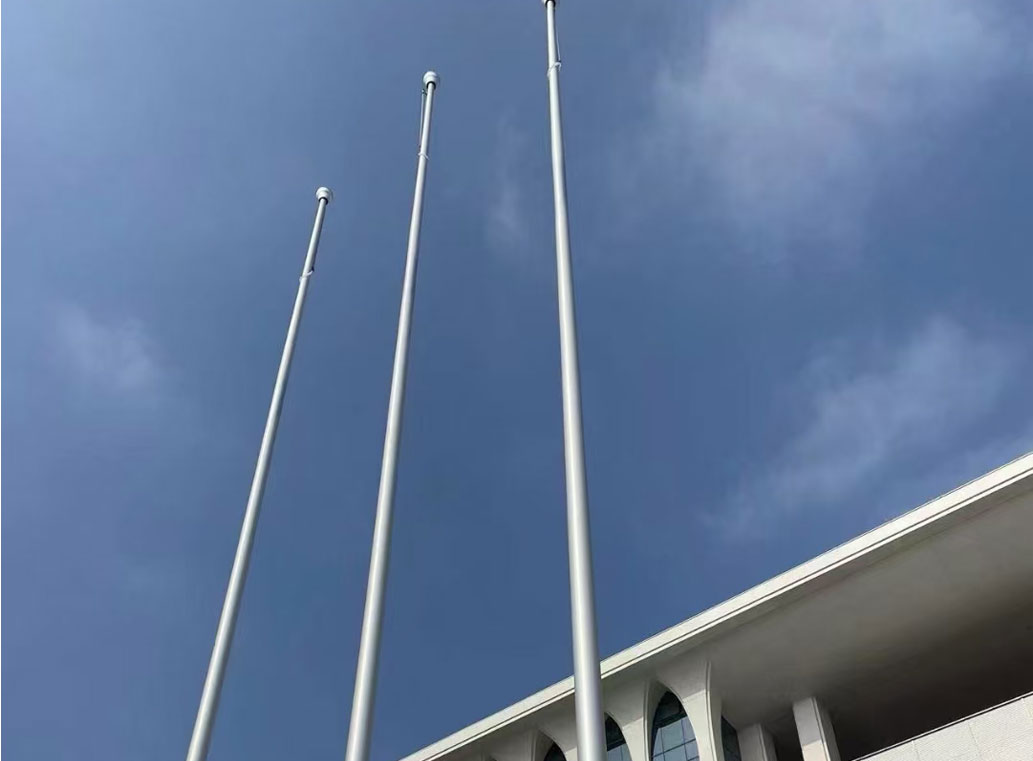
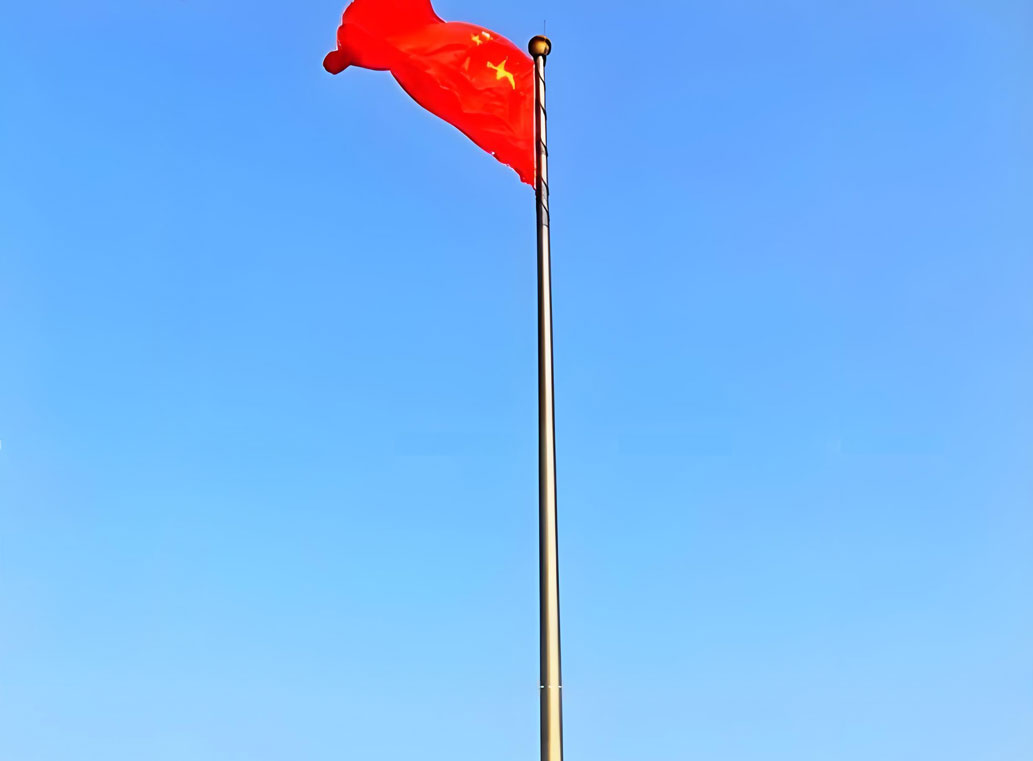


Flagpoles stand as proud symbols, gracing homes, businesses, and public spaces alike. While various materials are used in their construction, stainles......
READ MORESubmit feedback
Home / News / Industry News / How to Attach a Flag to a Flagpole With a Sleeve: Detailed Step-by-Step Guide
How to Attach a Flag to a Flagpole With a Sleeve: Detailed Step-by-Step Guide
You have a sleeve-style flag, a flagpole, and a wind forecast. The first thing to know is that a sleeve flag is not a grommet flag. A sleeve flag carries its load on the pole, not on the halyard. If you try to hook the sleeve to a rope, you will either tear the fabric or watch the flag slide down the pole. Here is the method that works, what it depends on, and what you should avoid.
The practical rule is simple: slide the sleeve over the pole, secure the bottom of the sleeve to the pole, and let the top rotate. That rule applies to telescoping poles. For external and internal halyard poles, the rule changes, because the halyard is meant to raise and lower a flag that has grommets. A true sleeve flag is best used on a pole that supports the fabric all along the top edge.
This guide is written from the perspective of a flagpole manufacturer with more than two decades of production experience. The goal is to give you a clear answer, not a generic overview. The answer is that the sleeve is a slip-on mounting system, and the pole construction decides how you use it.
What a Sleeve Flag Really Is
A sleeve flag has a continuous tunnel sewn along the top edge. This tunnel is sometimes called the header or the sleeve. It runs from the hoist side to the fly side of the flag. The hoist side is the edge that faces the pole. The fly side is the outer edge that flies in the wind. The sleeve itself is usually reinforced with a heavy woven tape, and it may have a small opening at one end.
Grommet flags are different. They have metal eyelets punched into the top hem. You attach snap hooks or clips to those eyelets, and then you clip the flag to the halyard. The halyard carries the weight of the flag. A sleeve flag has no such load path. The pole goes through the sleeve, and the pole carries the vertical load. If you put a clip through the sleeve fabric, you are relying on fabric strength alone. In a steady 10 mph breeze, that may survive. In a gust, the fabric can rip or the sleeve can pull out from under the clip.
This is why the first decision is not about hardware. It is about matching the flag to the pole. A sleeve flag and a grommet flag are not interchangeable without an adapter. When you purchase a flag, you should know whether it is a slip-on flag or a clip-on flag. The slip-on flag is the one that the keyword "attach a flag to a flagpole with a sleeve" is about.
Flagpole Construction and Sleeve Compatibility
Flagpoles come in three main mechanical configurations. Your sleeve attachment method depends entirely on which one you have. I will describe each configuration and how it interacts with a sleeve flag.
Telescoping Flagpoles
A telescoping flagpole is made of nested sections. The top section is the smallest diameter. The bottom section is the largest. To raise the flag, you extend the sections upward, one at a time. The flag can be slid over the top section before you extend the pole. This is the most natural fit for a sleeve flag because the sleeve can wrap around the top of the pole while the pole is still at a comfortable working height.
External Halyard Flagpoles
An external halyard flagpole has a rope running on the outside of the pole. The rope is attached to a cleat or winch at the bottom. You clip the flag to the rope, then haul the rope to raise the flag. The classic in-ground flagpole with a cleat is an external halyard design. Internal halyard poles have the rope and winch inside the pole, with a small access door near the bottom. Both are designed for grommet flags. A pure sleeve flag cannot be raised on an external halyard the same way a grommet flag can.
If you do not know which type you have, look at the pole. If you can see the rope, it is an external halyard pole. If there is a door or a winch box at the base and no visible rope, it is an internal halyard pole. If you can pull the pole sections apart, it is a telescoping pole.
| Flagpole Type | Sleeve Compatibility | Hardware Needed | Typical Use |
|---|---|---|---|
| Telescoping | Excellent | Top ornament removal, sleeve ties or cable ties | Residential, schools, light outdoor use |
| External halyard | Poor without an adapter | Snap hooks, grommets, or a sleeve adapter | Typical in-ground flagpole with cleat |
| Internal halyard | Poor without a special adapter | Winch, cam cleat, and a flag attachment system | Government, stadium, commercial sites |
Tools and Hardware You Need Before You Start
Before you attach the flag, gather the right items. A sleeve flag is simple, but a small mistake can cost you a damaged flag or a damaged pole finish.
- Flag with a sewn sleeve
- Flagpole with the top ornament removed
- Sleeve ties or a length of tight cord, if the flag does not have sewn ties
- Cable ties if you need temporary attachment, but do not make them the final solution
- Rotating ball head or swivel attachment, especially for outdoor sleeves
- Measuring tape to check the sleeve circumference against the pole diameter
- Gloves to protect your hands from sharp metal edges
- Ladder or step stool if the flagpole is tall
The most overlooked measurement is the sleeve opening. A sleeve is sewn with a fixed circumference. If the sleeve is 110 mm around, the pole top diameter needs to be slightly smaller than that. If the sleeve is too small, you cannot force it over the pole without breaking the seam. If the sleeve is too large, the flag will rotate and flap around the pole, and the wind will find a gap to catch and wrap the fabric.
Measure the sleeve opening at both ends. Use a tape measure around the channel, not across it. Then divide that number by 3.14 to get the approximate diameter. Compare it to the pole top diameter. A good fit is 1 to 2 percent larger than the pole. If you are ordering a new flag, give the pole top diameter to the supplier and ask for a sleeve that matches it.
Method 1: How to Attach a Sleeve Flag to a Telescoping Flagpole
This is the easiest and most reliable method for a sleeve flag. It is also the method most people ask about when they say, "How do I attach a flag to a flagpole with a sleeve?" The procedure below assumes you have a telescoping pole with a top ornament that can be unscrewed or pulled off.
Step 1: Lay the Pole on a Flat Surface
If the pole is installed, lower it or remove the top sections. Working on the ground is safer and easier than working on a ladder. If the pole is already in the ground and cannot be removed, use a stool or ladder to reach the top.
Step 2: Remove the Top Ornament
The top ornament, usually a ball or a finial, blocks the sleeve. Unscrew it or unthread it from the top section. Set it aside where it will not roll away. Some telescoping poles have a cap that snaps off. Do not force it. If it is stuck, use a soft cloth and a rubber mallet to tap it gently.
Step 3: Slide the Sleeve Over the Top Section
Insert the top section into the sleeve opening. Push the sleeve all the way up so the top edge of the sleeve sits just below where the ornament will be reattached. The bottom of the sleeve should wrap around the pole at the point where the top section joins the next section. This gives the flag a support point that resists wind pressure.
Step 4: Secure the Bottom of the Sleeve
Many sleeve flags have sewn ties at the bottom of the sleeve. Wrap the ties around the pole and tie them in a square knot. If there are no sewn ties, use a soft cord or a cable tie. Do not overtighten. The sleeve should sit snugly against the pole but still be able to pivot slightly. Overtightening can deform the fabric and make the flag stick. A cable tie is acceptable for a temporary display, but for long-term outdoor use, use a fabric tie or a dedicated flag collar.
Step 5: Reinstall the Top Ornament
Once the sleeve is in place, reattach the top ornament. The ornament holds the top edge of the sleeve in place and prevents it from blowing off the pole. Make sure the ornament is threaded straight on so the flag can rotate freely around it. If your pole has a rotating ball head, this step changes slightly. You will replace the fixed ornament with a rotating ball head, then slide the sleeve over the pole and set the ball head on top.
Step 6: Extend the Pole
Raise the telescoping sections one at a time. Keep the flag tight against the pole as you extend. When the pole is fully extended, give the flag a final check. The top should be under the ornament, the bottom should be tied, and the hoist side should be on the pole side. If the flag is twisted, lower the pole and adjust the orientation.
Step 7: Check the Fly at the Top
The area where the sleeve meets the ornament is the most likely point of wear. The fabric can pinch between the ornament and the pole. If you see the sleeve bunching, the ornament is too large or the sleeve is too long. You want the sleeve to transition smoothly from the pole to the flag body. Any point of friction will create a worn hole over time.
Method 2: Using a Sleeve Flag on an External Halyard Flagpole
If you have a standard external halyard pole, a pure sleeve flag is not the ideal match. The halyard on the outside of the pole is designed to pull a grommet flag upward. When you attach a sleeve flag to a halyard, you have two choices: use adapter hardware or avoid this combination entirely.
If the Flag Has Both a Sleeve and Grommets
Some flags are made with a reinforced sleeve and also have metal grommets at the top corners. This is a hybrid flag. You can attach snap hooks to the grommets and then clip the flag to the halyard. The sleeve is not used in this case. The grommets carry the load. This is the simplest way to use that type of flag on a halyard pole.
If the Flag Is a Pure Sleeve Flag
A pure sleeve flag should not be clipped to a halyard using standard clips. The fabric under a snap hook will not hold the weight of the flag in a strong wind. If you still need to use a pure sleeve flag on an external halyard, you need a sleeve adapter. This adapter is often a small metal or nylon bracket that holds the sleeve opening and provides points for the halyard clips. The flag is zipped or slid into the adapter, and the adapter is clipped to the rope.
This adapter will not give the flag the same support as a pole through the sleeve. It can work for a small, lightweight flag in calm conditions, but it is not a long-term solution for a 3x5 foot flag exposed to high winds. When you buy a sleeve adapter, check its load rating. Many decorative adapters are rated for indoor use only.
Step-by-Step for an External Halyard Adapter
- Lower the halyard to the ground.
- Slide the flag sleeve into the adapter channel or slot.
- Secure the adapter's clasp or zipper so the sleeve cannot pull out.
- Attach the adapter to the halyard using snap hooks or shackles.
- Raise the halyard slowly, checking that the flag does not catch on the pole.
- Secure the halyard on the cleat, ensuring the flag is not stretched too tight.
If you are in procurement, the most practical advice is to avoid this setup for outdoor use. If the project requires a sleeve-style flag, choose a telescoping pole. If the project already has an external halyard pole, choose a grommet-style flag instead. Mixing the two without proper hardware will create a maintenance problem.
Method 3: Internal Halyard Flagpoles and Sleeve Flags
Internal halyard flagpoles are common at stadiums, government buildings, and large commercial facilities. The halyard is hidden inside the pole, and you raise the flag with a winch. The attachment ring, or swivel ring, is located at the top of the pole and is often accessed through a small door at the base.
For a grommet flag, you lower the winch cable, attach the flag clips to the cable, and winch the flag up. The flag hangs from the cable and swivels at the top. For a sleeve flag, this design creates a problem. The sleeve must be threaded over the pole, but the cable and swivel mechanism sit inside the pole. You cannot thread a sleeve over the whole pole without first removing the swivel ring, and many internal halyard poles are not designed for that.
If you have a modern internal halyard pole with a removable top cap, you may be able to slide the sleeve over the top section. However, the internal cable still must pass through the flag. If the cable is not aligned, it can rub through the sleeve seam. This is a common cause of premature flag failure on internal halyard poles.
What to Do Instead
For an internal halyard pole, use a flag with grommets. If the project mandate requires a sleeve look, there are "sleeve-style grommet flags" that replicate the sleeve appearance on the hoist side but still have grommets for attachment. This hybrid approach gives you the visual close to a sleeve while keeping the correct load path.
Do not try to run a rope through the sleeve of a flag on an internal halyard pole. The internal winch has a set torque. If a flag sleeve bunches, it can jam the winch and damage the cable. This is one of the most expensive mistakes to fix because it may require disassembling the pole.
Why a Rotating Ball Head Changes the Setup
A sleeve flag that is fixed to a non-rotating flagpole will eventually wrap around the pole. This happens because the fly edge catches the wind and twists the fabric around the pole. One of the best solutions is a rotating ball head. The ball head sits at the top of the pole and has a rotating mechanism that allows the flag to pivot with the wind. It is especially useful for sleeve flags because the sleeve can pass over the ball area and the fabric is free to turn.
When you install a rotating ball head, the ball head replaces the standard top ornament. The sleeve flag is mounted on the pole below the ball head. As the wind changes direction, the ball head rotates, and the whole flag turns with it. This reduces the chance of the flag wrapping and also reduces fatigue on the sleeve seam.
For a flagpole with a rotating ball head, the sleeve is still secured at the bottom with ties, but the top is held lightly by the ball head mechanism. This is close to a swivel system. The difference is that the swivel is at the top, not at the flag attachment point.
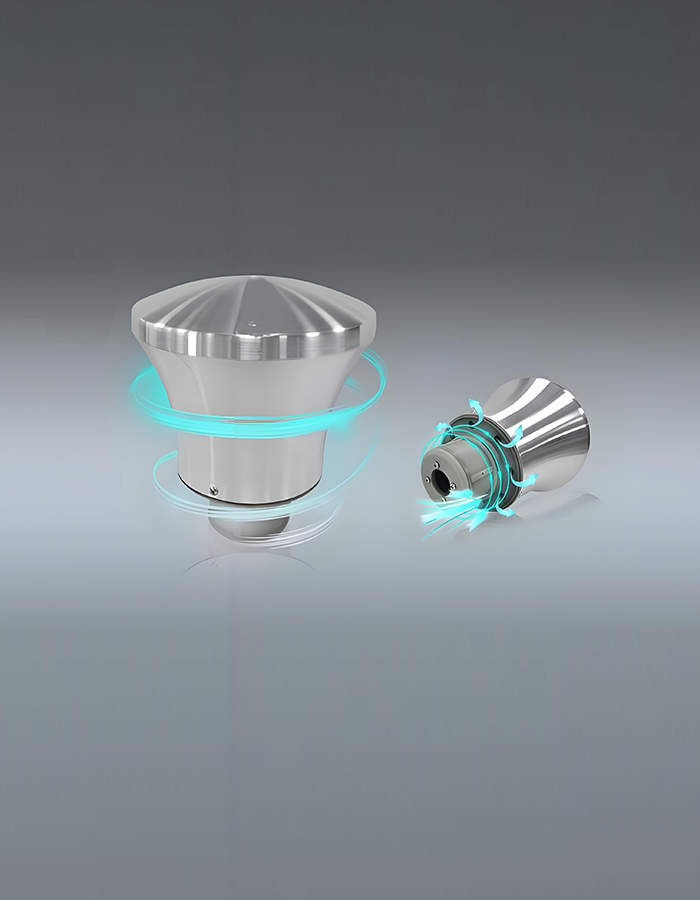 Rotating Ball Head for Flagpole Downwind with Bearing MechanismThis chrome-plated ball head features an internal bearing for smooth rotation and precise threading to ensure stability. It resists wind and rain, making it suitable for ceremonial flag displays on government or institutional poles.View Product →
If you are buying a new flagpole, ask whether the top ornament can be replaced with a rotating ball head. If the pole already has a fixed ball, check the thread size. Most conical poles use a standard threaded cap, but sizes are not universal. A mismatched thread will not seat correctly and can allow rainwater to enter the pole.
Tension, Wind and the Sleeve: Getting the Flag to Fly Straight
The sleeve itself is not enough to keep a flag straight. Tension is the real factor. For a grommet flag on a halyard, tension is the vertical pull of the rope. For a sleeve flag on a telescoping pole, tension is a combination of the sleeve fit and the bottom tie.
Start with the top. The sleeve should be snug, but not tight. If the sleeve is too tight, the pole may not fully penetrate the opening. If it is too loose, the flag will slide down or rotate excessively. A loose fit may also allow the flag to slide up and down, causing the seam to abrade against the top ornament.
At the bottom, the tie should be firm enough to hold the sleeve in place but not so tight that it compresses the pole finish or distorts the fabric. A common mistake is to use a metal cable tie. The metal edge can cut into the fabric over time. Use a wide, soft cord instead. If you use a plastic zip tie, cut the tail flush and smooth the sharp edge.
For a flag in a 10 to 15 mph wind, the sleeve will move a bit. That movement is normal. The flag should not be taut. If you see the fabric stretching, reduce the tension at the bottom. If you see the flag wrapping around the pole, check the rotating ball head or the top clearance. A good rule of thumb is that a sleeve flag should be able to pivot freely around the pole; any obstruction between the top ornament and the bottom tie will cause wrapping.
For large conical poles, the diameter changes from top to bottom. The sleeve is usually sized for the top section. This means the sleeve is slightly loose at the top and more snug at the bottom. That taper is intentional, but it also means the bottom tie must carry more of the horizontal wind load. On high-wind installations, use a second tie just below the sleeve's lower hem to distribute the load.
Common Mistakes and How to Avoid Them
The most frequent problems we see with sleeve flags are not manufacturing defects. They are installation errors. Here are the mistakes that cause most complaints.
- Sliding the sleeve over the fly side instead of the hoist side. The hoist side is the reinforced edge that should face the pole. If you reverse it, the flag will fly backwards and the sleeve opening may end up at the wrong end.
- Forgetting to remove the top ornament. A sleeve cannot slide over a large ball. You must remove or change the ornament before you attempt installation. Forcing the sleeve over the ball will tear the seam.
- Using a grommet flag on a telescoping pole with a sleeve. Grommet flags need a halyard. If you tie a grommet flag directly to a telescoping pole, it will not fly properly and the grommets will become load points.
- Tying the bottom too tightly. This prevents the flag from rotating. The pole becomes a fixed point, and the flag will wrap in even a light breeze.
- Leaving a large gap between sleeve and pole. When the wind blows, the fabric inflates. The flag can balloon and twist around the pole. A large gap also lets the sleeve slide down.
- Using a pure sleeve flag on an external halyard pole with snap hooks. The clips cut into the fabric. The flag will sag and eventually rip at the clip point.
- Selecting a sleeve that is too small for the pole. This is a procurement issue. Always match the sleeve circumference to the pole top diameter before spending money on a custom flag.
- Ignoring the warranty terms. Some manufacturers will not cover a sleeve flag that has been installed on an external halyard without the correct adapter. Read the product page before installation.
Each of these mistakes has a simple fix. Measure first, remove the ornament, orient the sleeve correctly, and do not overtighten. If you take five minutes to check these points, your sleeve flag will last much longer.
Choosing the Right Flagpole and Material for a Sleeve Flag
The material of the pole affects how you attach the sleeve and how long the installation will last. The three common options are aluminum alloy, stainless steel, and titanium. Each has different characteristics that matter for sleeve flags.
Aluminum Alloy
Aluminum alloy is lightweight and economical. It is the most common material for telescoping flagpoles and for small conical poles. An aluminum pole with a hand-cranked winch is a good fit for schools, parks, and commercial sites that need a simple, controllable installation. The surface can be anodized or painted. For sleeve flags, the smooth finish is important because the sleeve slides over the top section. Rough or chipped surfaces can catch the fabric and tear it.
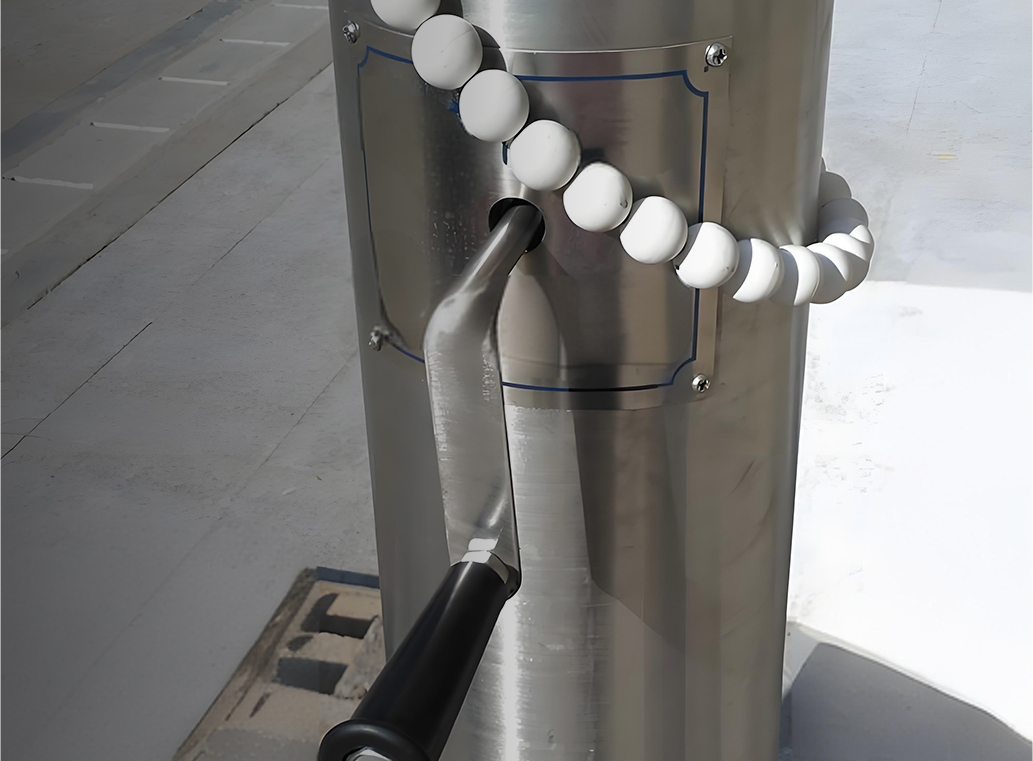
 Outdoor Aluminum Alloy Conical Flagpole with Hand CrankThis lightweight aluminum pole has an anodized finish and a tapered design to reduce wind resistance. Its hand-crank mechanism makes raising flags easy, ideal for schools, parks, and commercial settings.View Product →
If you are specifying an aluminum pole for a sleeve flag, check the top diameter. Aluminum poles are often tapered, so the top is much narrower than the bottom. The sleeve must fit the top diameter. If the sleeve is sized for the bottom, it will be far too loose at the top.
Stainless Steel
Stainless steel is heavier and stronger than aluminum. It has a higher resistance to corrosion and is often used in public buildings and harbors. For sleeve installation, stainless steel is harder but smoother. The sleeve will slide more easily, but the increased weight means you need a more secure bottom tie. Stainless steel poles are often sold with internal halyards, which, as noted above, do not suit pure sleeve flags. If you choose stainless steel, select a telescoping model or a model with an external halyard.
I have covered the general choice, installation, and maintenance in a separate article. You can read the ultimate guide to stainless steel flagpoles to see the differences in wall thickness and fastening hardware.
Titanium
Titanium is the most expensive but also the most corrosion-resistant. It is a realistic choice for coastal installations, industrial sites, or projects that require a minimum service life of 15 to 20 years. A titanium pole is lightweight relative to steel and extremely durable. For a sleeve flag, titanium is no more difficult to work with than aluminum, but the cost of the pole can substantially affect the project budget. If you are installing a sleeve flag on a titanium pole, pay close attention to the rotating ball head, because titanium threads can be difficult to repair if the ball head is overtightened.
Maintenance: Keep the Sleeve Seam and the Pole in Shape
After you install a sleeve flag, follow a simple maintenance routine. Sleeve flags fail at the seam before they fail because of fading. The seam is where the sleeve meets the flag body. It is the point of maximum stress.
Inspect the sleeve seam every three months. Look for loose threads or small holes. If you see a break in the stitching, repair it immediately. A small hole can spread quickly in strong wind. If the flag is printed, the print side often abrades against the pole at the hoist edge. This is normal. A properly fitted sleeve will minimize the abrasion, but it will not eliminate it.
Clean the pole and sleeve with mild soap and water. Do not use an abrasive cleaner on aluminum or powder-coated surfaces. If the pole has a winch, lubricate the cable annually. If you have a rotating ball head, make sure the swivel is not jammed. A stuck swivel will cause the flag to wrap and can put stress on the sleeve.
For aluminum alloy poles, maintenance is mostly limited to cleaning and checking the grommets or connection points. If you want a more detailed process, read about the aluminum alloy flagpole maintenance process. The idea is not just to clean the pole, but to prevent small problems from becoming large ones.
Material Selection for Tough Environments
The environment around the flagpole matters as much as the flag attachment method. Salt spray, humidity, industrial pollution, and UV radiation all attack the pole and the sleeve seam. If you are near the coast, the salt air will cause aluminum to pit if it is not coated. Stainless steel will handle salt better, but its performance depends on the grade. Titanium is the most forgiving in salt air.
For a coastal project, do not assume that an outdoor aluminum pole is acceptable. Check the manufacturer's coating specification. A powder-coated aluminum pole can work, but the coating must be clean and free of scratches. Any exposed aluminum will start to oxidize. A titanium pole is more expensive but requires less maintenance. If the flagpole is a one-time installation and you expect it to remain in place for decades, the lifecycle cost of titanium can be lower than replacing an aluminum pole every five years.
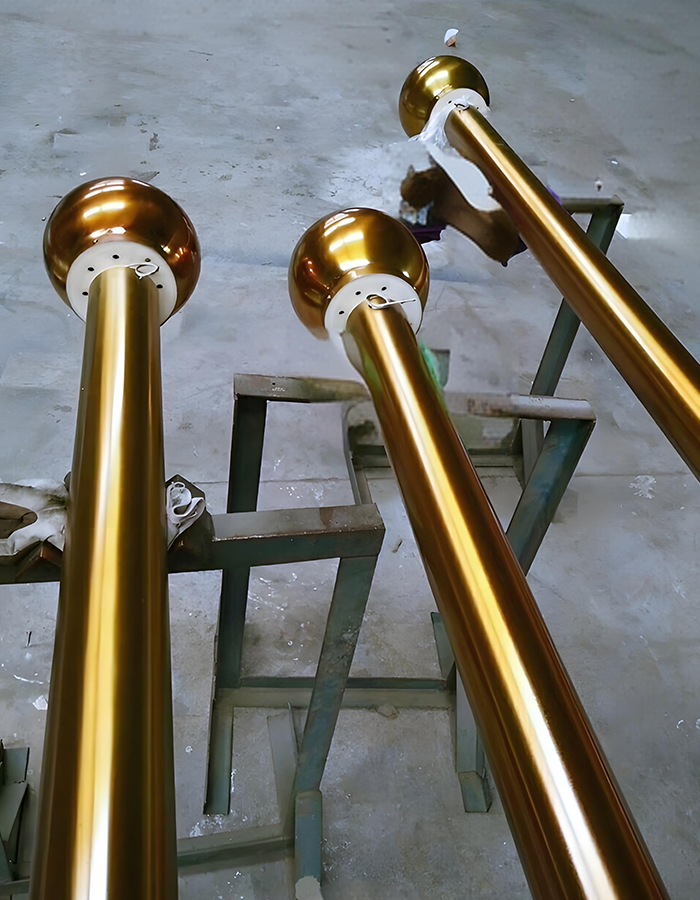 Titanium Corrosion-Resistant Hand-Cranked Conical FlagpoleMade from titanium, this flagpole offers high strength and excellent corrosion resistance. Its unique finish and conical shape reduce wind load, making it a durable choice for high-end venues or coastal installations.View Product →
Another factor is the sleeve material itself. Polyester flags resist UV better than nylon in some conditions. Canvas-backed sleeve flags are common for heavier outdoor use. When ordering a sleeve flag for a coastal site, ask for a fabric that has been treated with UV stabilizers. The seam will be the weakest point, so ask for double stitching in the sleeve channel.
Procurement Considerations: Height, Wall Thickness and Wind Load
If you are buying a flagpole to use with a sleeve flag, do not focus only on the height. The top diameter, wall thickness, and wind load rating are equally important. The table below lists the main parameters you should include in any procurement specification.
| Parameter | Why It Matters | Recommendation |
|---|---|---|
| Overall height | Determines the visible message and the required ground support. | 6 m to 9 m is common for a 3x5 ft flag. Match the size of the flag to the pole length. |
| Top diameter | The sleeve must fit the top diameter. A mismatch makes installation difficult. | Measure the sleeve circumference and divide by 3.14. Ask the supplier for the exact top diameter. |
| Bottom diameter | Determines structural stability, especially in high winds. | Larger bottom diameters increase stability and allow a taller pole. |
| Wall thickness | Resistance to bending and fatigue. | For a 9 m pole, consider at least 3 mm wall thickness. The supplier should state the tested wind speed. |
| Halyard type | A sleeve flag works best with a telescoping pole or an external halyard with an adapter. | Avoid internal halyard except with a hybrid sleeve-grommet flag. |
| Top ornament | The ornament must be removable. A fixed ball blocks the sleeve. | Order a rotating ball head if you expect wind from changing directions. |
Wind load is not just about the pole. It is about the flag area and the sleeve fit. A 3x5 ft flag has a projected area of about 15 square feet in a 20 mph wind. The pole must be rated for that area at the expected wind speed. If the supplier only gives you a height rating, ask for the wind speed rating. This is especially important for sleeve flags, because the sleeve itself creates additional surface area at the top.
When you request a quotation, send the supplier the pole height, the flag size, the sleeve circumference, and the wind zone. That way they can advise on the correct wall thickness and top diameter.
Final Summary: The Practical Takeaway
Attaching a flag to a flagpole with a sleeve is not a complicated process, but it is different from clipping a grommet flag to a rope. The sleeve slides over the pole, not onto the halyard. For a telescoping pole, this is a straightforward job: remove the top ornament, slide the sleeve over the top section, secure the bottom tie, and replace the ornament. The flag will fly correctly as long as the sleeve fits the top diameter.
For an external halyard pole, a pure sleeve flag is not recommended. It requires an adapter or a hybrid flag that has grommets. For an internal halyard pole, stick with a grommet flag. A rotating ball head can help both telescoping and external halyard installations by allowing the flag to pivot with the wind.
The final decision is about the environment and the pole material. Aluminum alloy is a solid budget choice for schools and parks. Stainless steel is stronger and more corrosion-resistant. Titanium is the right choice for coastal and tough industrial environments. If you choose the wrong combination, you will spend more time repairing seams and untangling flags than you expected. If you choose the right combination, the flag will fly straight for years.
If you are unsure about the top diameter of your pole or the sleeve circumference, do not guess. Contact your supplier with those numbers. A few extra minutes of measurement will save you from a torn flag, a damaged pole, and an avoidable maintenance visit.
Previous Post
How to Restring a Flagpole: A Step-by-Step Guide for Property Managers
Next Post
What Is a Flagpole? Definition, Types, Parts, Materials, Heights and Buying Guide
News
-
-
1. Understanding the Importance of Regular Maintenance for Aluminum Alloy Flagpoles Regular maintenance of your aluminum alloy flagpole is essential ......
READ MORE -
Unique advantages of aluminum alloy: Why it is the preferred material for flagpoles In today's society, flagpoles are not only a tool for displaying f......
READ MORE -
What is the aluminum alloy electric intelligent lifting conical flagpole? The aluminum alloy electric intelligent lifting conical flagpole is a high-e......
READ MORE

Copyright Jiangsu Shengqi Weiye Intelligent Technology Co., Ltd. All Rights Reserved.
 Custom Commercial Flagpoles Suppliers