
 English
 русский
 عربى
عربى

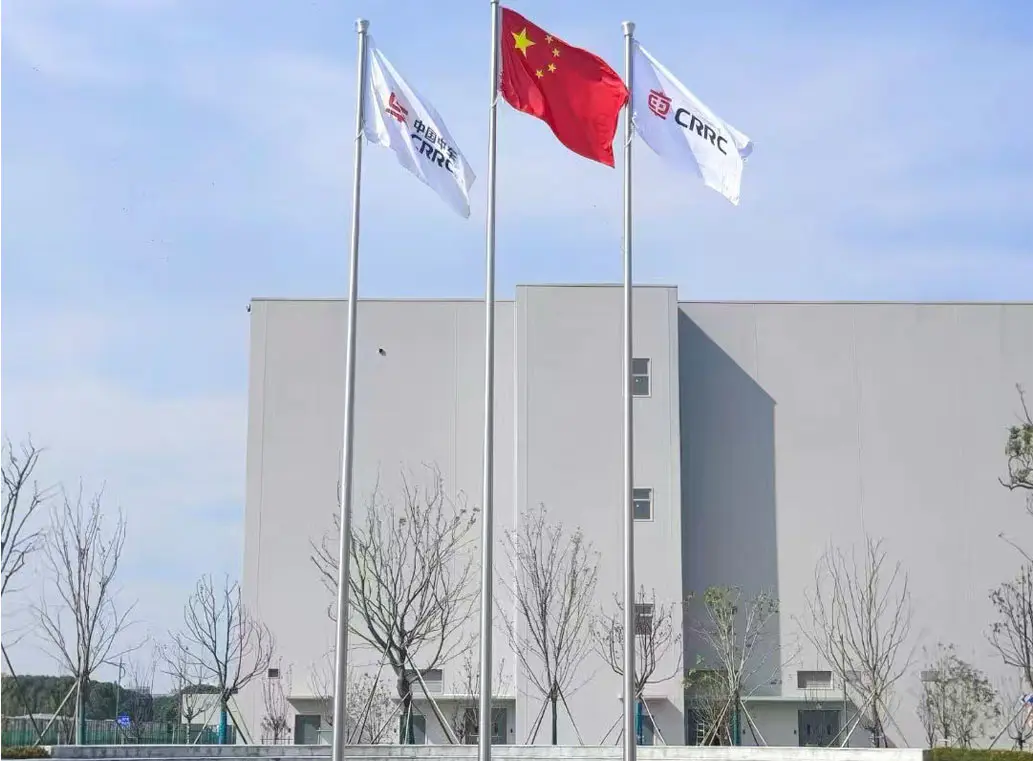
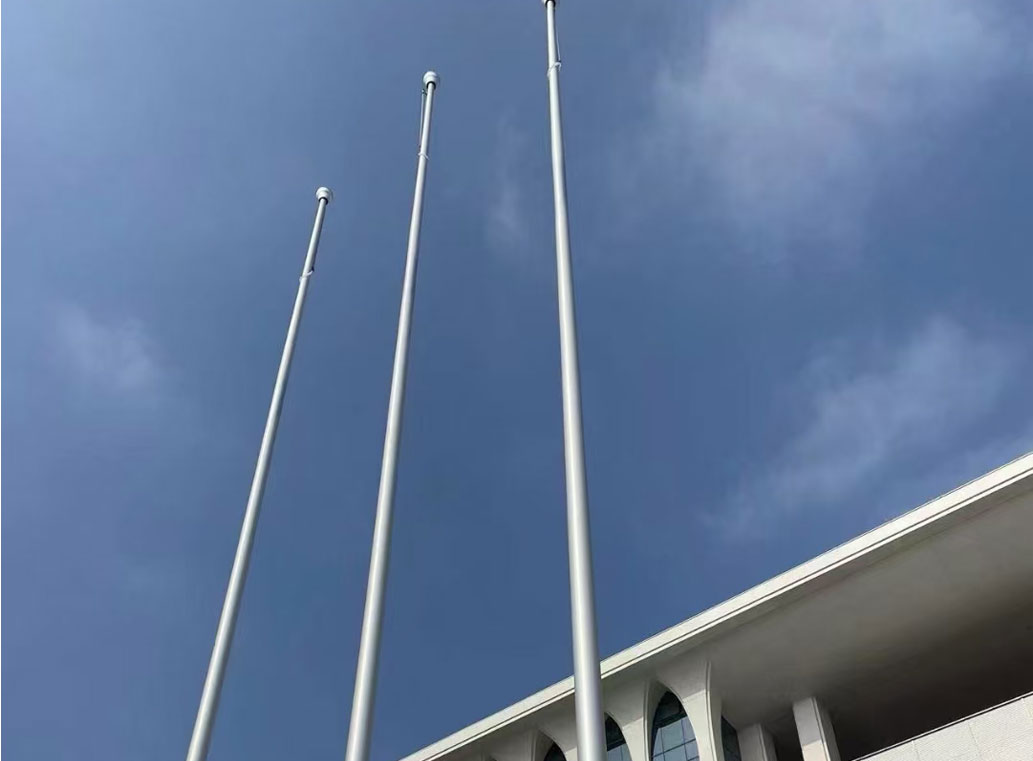
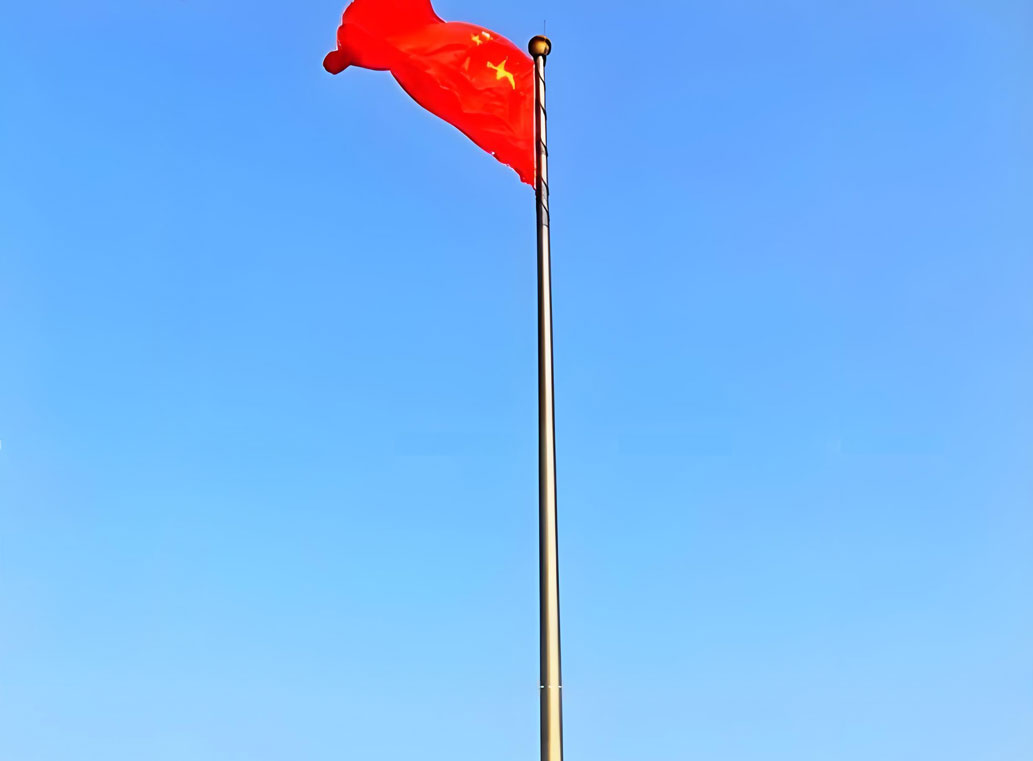
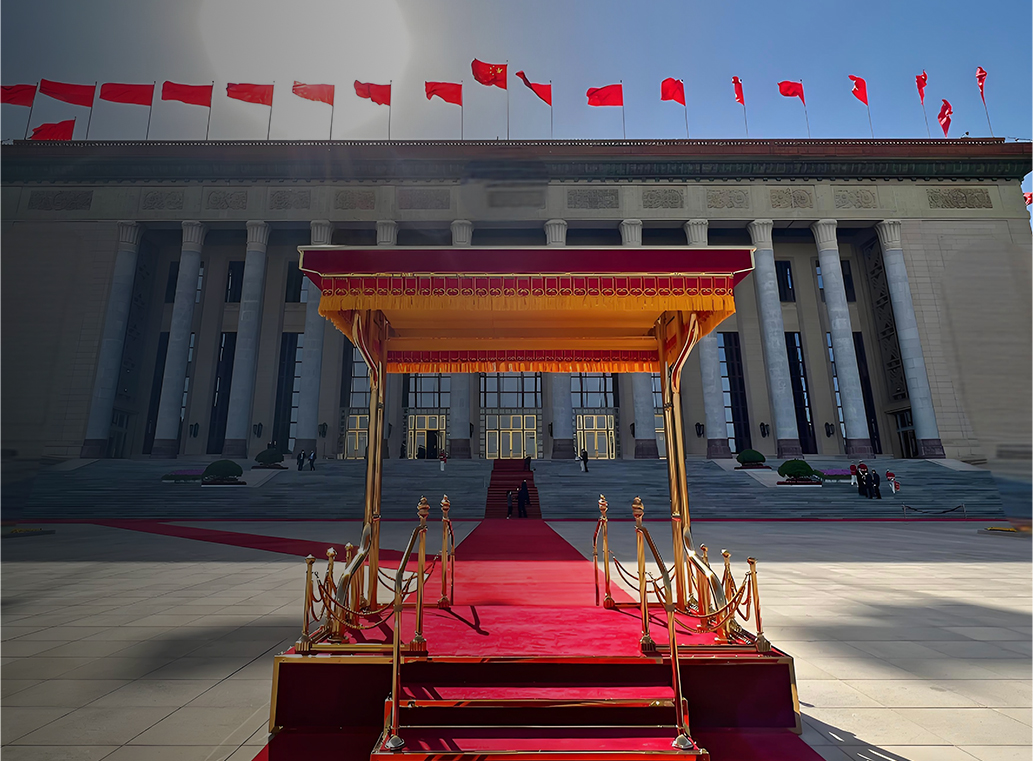
Flagpoles stand as proud symbols, gracing homes, businesses, and public spaces alike. While various materials are used in their construction, stainles......
READ MORESubmit feedback
Home / News / Industry News / How to Restring a Flagpole: A Step-by-Step Guide for Property Managers
How to Restring a Flagpole: A Step-by-Step Guide for Property Managers
A flagpole halyard rarely snaps without warning. Most of the time, the rope gives clear signs weeks before the final break: a few frayed strands near the top, a stiff gray section where the sun has cooked the fibers, a swivel that no longer turns. But when the line finally does let go, the result is immediate. The flag comes down, the pole cannot be used, and the facility has a maintenance problem that has to be solved before the next event, flag-raising, or business day.
The short answer is that restringing a flagpole is a task most property managers and facility teams can handle themselves, provided the pole can be lowered or tilted to a reachable height. With a new polyester halyard, two snap hooks with swivels, and about 45 minutes, an external halyard flagpole can be restored to full operation. Internal halyard poles take longer and require more care, but they are still doable if you follow the right access procedure. When a pole cannot be lowered, or when it is more than 30 ft tall with no safe way to work at the top, the sensible move is to call a professional with proper access equipment.
The biggest mistake after a halyard failure is buying any rope that looks close enough and threading it through the sheave without checking diameter, length, or the condition of the hardware. That approach produces a rope that stretches, frays, or rides off the sheave within a season. The correct approach is to understand your halyard system first, choose the right rope, inspect the components, and then work through the restringing process in a deliberate order. This guide walks through all of those steps and also explains when the repair should not be a DIY job at all.
Know Your Flagpole Halyard System Before You Start
The first thing to determine is which halyard system your flagpole uses, because every later step depends on it. External halyard systems run the rope on the outside of the pole, up over a pulley in the truck, and back down to a cleat. Internal halyard systems hide the rope inside the shaft, where it exits near the base and runs up through the pole to the sheave in the truck. Of the two, external is easier to restring, but internal is more common on manufactured conical poles and institutional flagpoles, so you may have either type in your fleet.
On an external halyard pole, the entire rope path is visible. You can inspect the line from base to truck, see exactly where it is chafing, and pull a new rope through with minimal effort. The typical setup uses a single halyard with a snap hook on each end; the flag is clipped to both sides, so the rope forms a loop around the pole. Lower the pole or reach the sheave with a ladder, and the old rope can be pulled free and replaced in minutes.
On an internal halyard pole, the rope runs through the inside of the hollow shaft, which protects it from sunlight, wind, and casual vandalism. This is the design used on most aluminum alloy, stainless steel, and titanium flagpoles made for commercial and stadium use, and it is why those poles can go five or more years between restringing jobs. The downside is that the rope cannot simply be pulled off the outside. To access it, the pole must be lowered fully, the truck removed, and the new line fed through the internal cavity.
Regardless of the halyard type, every flagpole uses the same core components. The truck is the cap at the top that holds the sheave, the pulley wheel that the rope rides over. The cleat is the fitting at the base where the halyard is wrapped and secured. Snap hooks attach the flag to the halyard, and swivels keep the flag from twisting the rope. Many commercial flagpoles also have a rotating ball head above the truck that lets the entire assembly rotate downwind, reducing halyard tangle. Once you know what each part does, the restringing process makes intuitive sense.
| Feature | External Halyard | Internal Halyard |
|---|---|---|
| Rope routing | Outside the shaft, over the sheave | Inside the shaft, over the sheave in the truck |
| Access for restringing | Tilt the pole or work from a ladder | Lower the pole fully and remove the truck |
| Rope exposure to weather | Full exposure, faster aging | Protected inside the shaft |
| Typical service interval | 3 to 5 years for polyester | 5 to 7 years for polyester |
| Common pole types | Residential, light commercial, tilt-down | Manufactured conical, telescoping, stadium, award |
| Repairability | High | Moderate |
Before you spend money on rope, spend five minutes looking at the pole. If you can trace the rope from cleat to truck with your eyes, it is an external halyard. If the rope vanishes into a hole near the base and only the snap hooks are visible, it is an internal halyard. Write down the pole height, the model if you have it, and the diameter of the old rope, and you are ready for the next section.
How to Tell If Your Flagpole Needs Restringing
You do not need to wait for the halyard to break. The warning signs are usually visible during a two-minute inspection, and catching them early lets you schedule the restring instead of reacting to an emergency. In general, if the rope is more than three years old and shows any of the signs below, restring it now.
Visual warning signs:
- Frayed or fuzzy areas, especially where the rope passes over the sheave and where it rubs on the cleat.
- Stiff, brittle, or discolored sections that indicate sun damage and loss of fiber flexibility.
- Kinks or permanent bends where the rope was wrapped around the cleat for a long period.
- A gray or chalky surface that rubs off onto your fingers, a sign that the outer fibers are degrading.
- Broken individual strands visible near the snap hooks, where the rope flexes most.
Functional warning signs:
- The flag wraps around the pole even in light to moderate wind, which indicates a failing swivel or a twisted halyard.
- The halyard slips when you cleat it, or the knot loosens by itself.
- The flag hangs noticeably lower on one side, meaning the rope has stretched unevenly.
- You hear a grinding or squeaking sound during hoisting, which usually points to a worn sheave bearing.
Do not rely on age alone, but do use it as a baseline. In most inland locations, a polyester external halyard should be replaced every three to five years, because the sun breaks down even the most UV-resistant fibers over time. In coastal environments, where salt and strong sun work together, plan on every two to three years. Internal halyards last longer, typically five to seven years. Metal cables are a specialty option for very tall poles, but they require completely different hardware and are not a direct substitute for a fiber rope halyard.
The same inspection is the right time to check the sheave. Run your thumbnail along the groove; if it catches on a rough edge or worn burr, a new rope will be cut within a few months, so make the sheave or truck replacement part of the same job.
Tools and Materials for Restringing
The tool list for a flagpole restring is short, and you probably own most of it already. Lay everything out before you lower the pole, because the job goes badly when you discover halfway through that you are missing a snap hook or a lighter.
Tools and materials you will need:
- New halyard rope, selected for the right material and diameter.
- Two snap hooks with swivels, or a single snap hook if your pole uses a one-sided halyard.
- Tape measure or a marked length of string.
- Sharp utility knife or scissors.
- Lighter or heat gun to seal the cut rope ends.
- Safety glasses and work gloves.
- A stable step ladder or platform for poles that cannot be fully lowered.
- A second person for poles above 20 ft or any pole on a tilt-down base.
- Dry silicone lubricant for the swivels and sheave axle.
- Optional replacement truck, sheave, cleat, or rotating ball head if your inspection found damage.
One important rule on rope: never reuse the old rope just because only a short section looks worn. The rope ages along its entire length, and the part you cannot see is usually the weakest. Similarly, do not splice a new section onto an old rope. A splice creates a thick spot that either jams in the sheave groove or catches on the edge of the truck, and it is almost always a source of premature breakage.
Safety First: Lowering the Pole and Accessing the Halyard
The rule is simple: never climb a flagpole to restring it. Flagpoles are engineered to hold a flag, not a person, and the truck and sheave assembly is not a climbing anchor. If your pole cannot be lowered to a reachable height, you need a professional with a bucket truck or an aerial lift. Do not improvise with a step ladder against an 80 ft shaft.
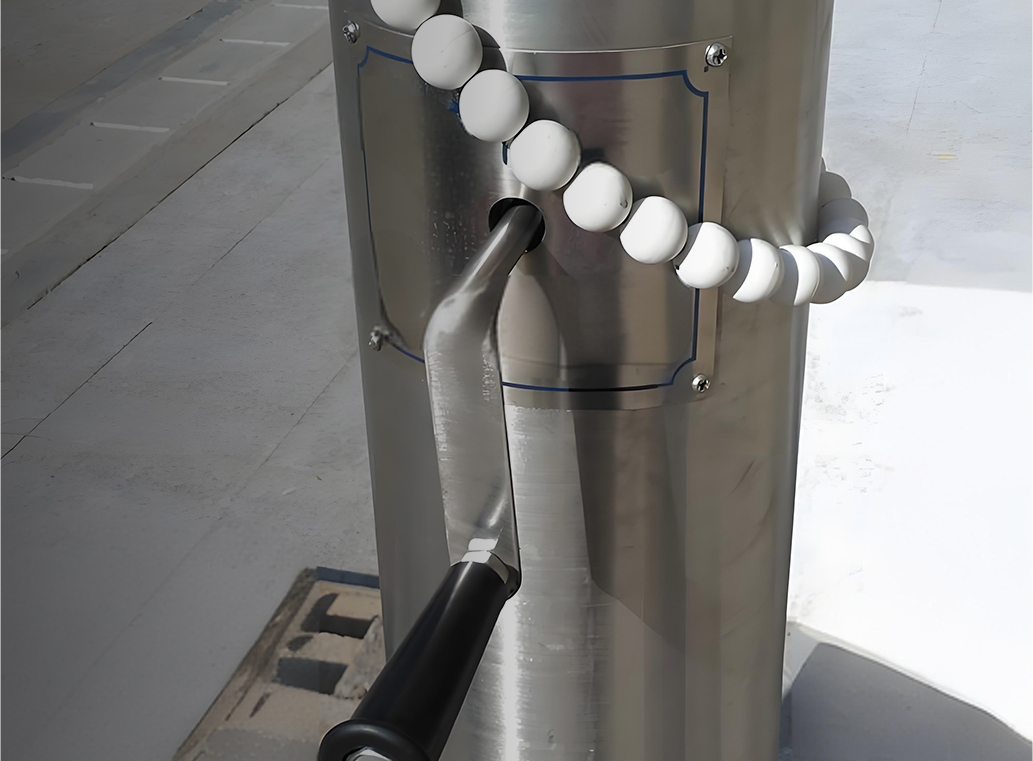
For flagpoles that do lower, the access mechanism is usually one of three designs: a tilt-down base with a hinge and hand-crank, a telescoping shaft whose sections slide down into each other, or an internal winch that retracts the whole pole. On a hand-crank model, turn the crank slowly and evenly. Watch the truck as the pole descends and make sure the flag, halyard, and any nearby tree branches are clear of the path. Have your second person stand beside the pole, not under it, to guide it as it comes down.
Safety checklist:
- Look up. Confirm that no power lines, telecom cables, or tree limbs pass within the sweep of the falling pole.
- Use two people for any pole taller than 20 ft. One operates the crank or supports the weight; the other guides the truck and watches the clearance.
- Wear gloves. Old halyard rope sheds sharp fibers, and a rusted cleat can cut skin.
- Secure the pole in the lowered position with its locking pin, or with a ratchet strap, before you start working.
- If you use a ladder, set it on firm level ground, extend it at least 3 ft above the contact point, and have someone foot it.
- If the wind is above about 15 mph, delay the job; a gust can catch the lowered pole and swing it unpredictably.
One more consideration: on a pole with an internal winch or a hand-crank, the access mechanism should be inspected at the same time as the halyard. A sticky crank or a worn gear is much easier to fix while the pole is down.
How to Restring a Flagpole Step by Step
The steps are organized by halyard type. If your pole has an external halyard, follow the external procedure. If it is internal, follow the internal procedure. Both assume the pole is already lowered and secured according to the previous section.
External Halyard Restringing
- Lower or tilt the pole until the cleat and truck are within comfortable reach. On a tilt-down base, release the locking pin slowly and keep one hand on the pole as it pivots.
- Remove the flag by opening both snap hooks. Set the flag and hooks aside in one place so nothing gets mixed with other hardware.
- Untie the old rope from the cleat. Pull it gently through the sheave and off the pole. If the rope is too frayed to pull in one piece, cut it near one end and tape the new rope to it; then pull the old rope out while feeding the new rope in along the same path. This trick works well and is much faster than trying to thread the sheave blind.
- Measure the new rope against the old one. The new halyard must be at least as long as the old one, plus 3 to 4 ft for the cleat wrap and future adjustment. As a rule of thumb, use 45 to 50 ft for a 20 ft pole and 65 to 70 ft for a 30 ft pole with an external halyard.
- Seal both cut ends of the new rope with a lighter or heat gun. Apply heat until the fibers melt into a smooth rounded tip, then let it cool before handling. This stops the rope from unraveling while you thread it.
- Thread the new rope over the sheave in the truck. Pull an equal amount of rope down on both sides, so the two ends meet the cleat at roughly the same height.
- Tie a figure-eight stopper knot on the end that will sit behind the sheave, that is, the short side of the loop. This knot is bulky enough to stop against the sheave if the rope ever slips, and it is easy to untie later.
- Attach the snap hooks and swivels to the two halyard ends. The common arrangement is one snap hook on each side, with the swivel between the hook and the rope. Tie the loop that holds the swivel with a bowline knot, because a bowline will not slip or jam under load.
- Wrap the working end of the rope around the cleat. Use a cleat hitch. The final turns should hold the rope securely but not crush the fibers. If the rope is wet, give it one extra wrap.
- Raise the pole back to vertical, reinstall the locking pin or release the winch, and test the flag. Hoist and lower it two or three times, watching for wrapping, catching, or grinding. Confirm that the flag sits at the correct height and that the cleat holds when you tug the tail of the halyard.
Internal Halyard Restringing
- Lower the pole fully. On a telescoping model, remove each section in order and keep the sections staged so you can reinstall them in the correct sequence.
- Remove the truck from the top section. Some trucks are pinned, others are threaded or held by set screws. Place the hardware in a small container so nothing rolls away.
- Inspect the sheave and the truck interior. If the axle is worn, the ears of the truck are cracked, or the sheave groove has sharp edges, replace those parts now.
- Pull the old rope out through the lower access opening. On a continuous-loop internal halyard, note exactly how the rope loops inside the pole before you pull it free. Taking a photo with your phone is a reliable way to remember the routing.
- Attach the new rope to the old rope with a short piece of tape or a wire leader, then pull the old rope out to bring the new rope into position. If the old rope is gone, feed a fish tape or pull wire down the shaft, attach the new rope, and pull it up through the upper opening.
- Thread the new rope over the sheave and reinstall the truck. Make sure the rope is seated fully in the sheave groove and is not pinched between the truck and the pole wall.
- Route the rope through the lower opening and secure it to the cleat or into the winch assembly exactly as the original rope was arranged.
- Raise the pole and test the flag several times, with attention to any rubbing or binding sound that was absent before.
The Two Knots You Actually Need
For most flagpole work you only need two knots, plus a stopper. The cleat hitch holds the halyard at the base. It releases instantly when you want to undo it, but it holds firmly under tension. To tie it, bring the rope under the cleat horns, take a full wrap around the base, then alternate over and under the two horns, finishing with a final tuck under the last full turn so the rope locks against itself.
The bowline creates a loop that will not slip or jam; use it for snap hook attachments. Form a small loop in the standing part, pass the working end up through the loop, around behind the standing part, and back down through the loop, then snug it down. A well-tied bowline is easy to untie even after months of tension.
The figure-eight stopper is a simple safety knot on the dead end of the halyard. It is bulkier than a plain overhand knot, so it stops reliably inside the sheave housing, but it does not jam. Practicing all three knots on the old rope before you install the new one is the fastest way to build confidence.
Choosing the Right Halyard Rope
Rope choice is the decision that has the biggest impact on how long your restringing job will last. The cheapest option, polypropylene, is still sold in many hardware stores, but it degrades under sunlight and usually has to be replaced within a year or two. For almost any permanent flagpole, a double-braid polyester halyard is the safer recommendation.
| Material | UV Resistance | Stretch | Typical Outdoor Life | Best Use |
|---|---|---|---|---|
| Polypropylene | Low | Low | 1 to 2 years | Temporary installations, light flags, budget poles |
| Polyester double-braid | High | Low | 3 to 6 years | Recommended for most residential and commercial poles |
| Nylon | Moderate | High | 2 to 3 years | Not ideal for halyards because stretch causes flag sag |
| Braided HDPE | Moderate | Low | 2 to 4 years | Coastal budget option |
Diameter should match the sheave groove and the flag size. Most flagpole sheaves are designed for 3/16 in (about 5 mm) or 1/4 in (about 6 mm) rope. A residential pole flying a 3 by 5 ft or 4 by 6 ft flag will be fine with 3/16 in. A commercial pole flying a 6 by 10 ft flag or larger should move up to 1/4 in. Internal halyard poles, winch-equipped poles, and telescoping poles typically ship from the factory with 1/4 in rope. Very large flags on poles above 60 ft may need 5/16 in or heavier; call the manufacturer to confirm, since a rope that is too thick will bind in the sheave, and a rope that is too thin will seat poorly and chafe.
Breaking strength is rarely the deciding factor. A 1/4 in double-braid polyester rope has a typical breaking strength in the range of 2,000 to 3,000 lb, while a heavy flag in strong wind loads the halyard with only a few hundred pounds. The forces are not the problem. Sun, salt, abrasion, and neglect are the problems. That is why a high-quality rope with good UV resistance always beats a bargain rope with the same diameter.
Length is where most people make the first mistake. For an external halyard, you need roughly twice the pole height plus enough rope to reach the cleat and wrap it: about 45 to 50 ft for a 20 ft pole, 65 to 70 ft for a 30 ft pole, and so on. For an internal halyard, you need 1.5 to 2 times the pole height, depending on whether the halyard loops through the interior or simply ends at a bottom cleat. Measure the old rope before you cut, and buy a few extra feet when in doubt. A short halyard is a complete waste; an extra 5 ft is a minor trim.
Common Restringing Mistakes and How to Avoid Them
Most restringing failures can be traced to seven mistakes. Each one is easy to prevent once you know it exists.
- Using the wrong rope material. A glossy polypropylene look-alike breaks down quickly in the sun. Fix: choose polyester double-braid for outdoor poles and match the diameter to the sheave.
- Not sealing the rope ends. An unsealed halyard end unravels as it is threaded through the sheave. Fix: melt the cut ends with a lighter or heat gun before installation.
- Skipping the swivel. Without a swivel, the flag spins and twists the rope every time the wind changes. Fix: always use snap hooks with swivels, and verify that the swivel spins freely before you finish.
- Using the wrong cleat hitch. A loose hitch unwinds under load and lets the flag slide down. Fix: practice the cleat hitch and inspect it after the first windy day.
- Cutting the rope too short. A short halyard cannot be cleated safely and limits the flag’s range. Fix: measure twice and add at least 3 to 4 ft.
- Raising the pole before testing. A rope pinched in the truck will jam and chafe the moment the pole is back vertical. Fix: test the full range of motion while the pole is still down.
- Ignoring worn hardware. A damaged sheave or a seized ball head destroys the new rope. Fix: inspect and replace hardware in the same maintenance session.
Notice the pattern: none of these mistakes requires special strength or years of experience. They are attention-to-detail issues, which means you can eliminate them simply by working carefully and following a checklist.
When to Replace Rope Only vs. Rope and Hardware
A new halyard restores function only if the rest of the system is sound. Rope is the wearing part, but the sheave, truck, cleat, and ball head also have finite lives. Inspect them before you invest time in restringing.
The sheave is the place to start. Run a fingertip along its groove. A smooth groove means the sheave can stay in service. A rough, sharp, or burred groove means a new rope will be cut within months, and the sheave or truck should be replaced. The truck itself should be free of cracks, because a cracked truck lets water into the shaft and corrodes the internal halyard parts.
The cleat is the next component to check. Years of tension can bend cleat horns, loosen the mounting screws, and corrode the base. If the cleat has any play at all, replace it and re-mount it with new stainless fasteners.
The ball head deserves attention, especially on poles in windy locations. The rotating ball head lets the truck assembly turn with the wind, which prevents the flag from wrapping and the halyard from twisting. When the bearing seizes, the halyard chafes against the shaft and the flag twists around the pole; this is exactly the sequence of events that leads to the next break. While the pole is down, spin the ball head by hand. If it is stiff or gritty, clean and lubricate it, or replace the whole assembly.
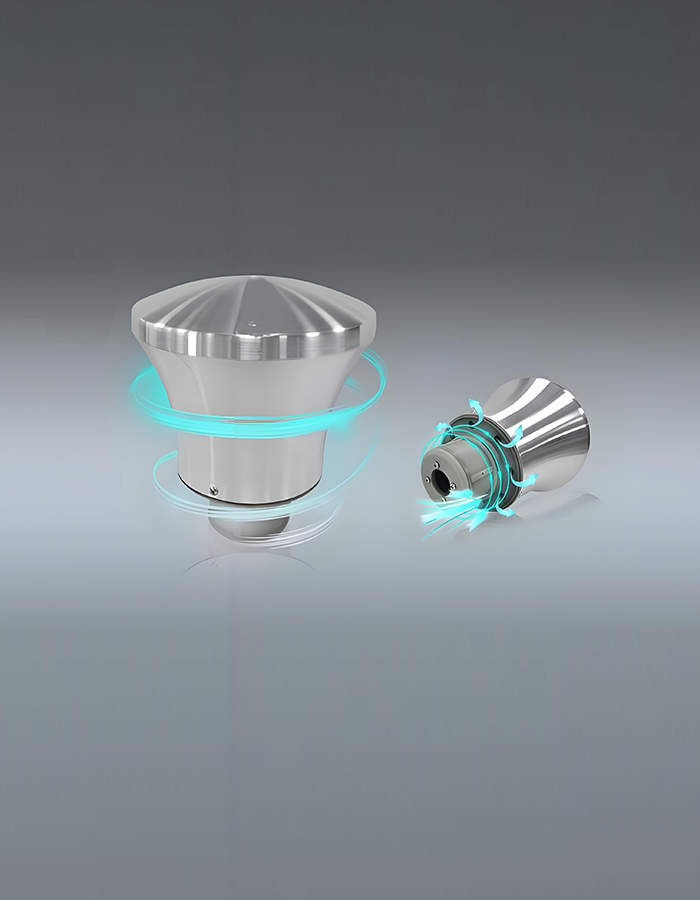 Downwind Rotating Ball Head for FlagpolesA rotating ball head with a chrome-plated finish and internal bearing helps the truck turn with the wind, reducing halyard twist and chafing on windy sites.View Product →
If you are replacing the ball head or truck, order from the original manufacturer whenever you can. Conical and tapered flagpole shafts vary in wall thickness and top diameter from one make to another, so an aftermarket part that fits one brand may not fit another. Matching the OEM part is the most reliable way to keep the halyard running true.
Preventive Maintenance to Extend Halyard Life
The cheapest maintenance strategy is a monthly inspection that takes five minutes. Combine it with a few simple habits, and a quality halyard can easily serve its full three to five year life without an emergency break.
- Check the halyard visually once a month. Pay extra attention to the section near the sheave, to the cleat area, and to the snap hooks, since these are the points where the rope flexes and chafes most.
- Raise and lower the flag at least once a week, even if it stays up permanently. Movement keeps the rope flexible and prevents the rope from forming a permanent bend at the cleat.
- Rinse the pole and hardware with fresh water after storms or in coastal air. Salt residue on swivels and sheave axles accelerates corrosion.
- Lubricate swivels and the sheave axle once a year with dry silicone lubricant. Oil-based grease attracts grit and turns into an abrasive paste.
- Clear debris from the truck opening. Leaves, twigs, and bird nesting material can block the sheave groove and cause the rope to ride out of its channel.
- Lower the flag during severe weather warnings. The halyard is designed for normal wind loads, not for a storm; taking the flag down also saves the flag itself.
The pole material influences how aggressive your maintenance schedule needs to be. Aluminum alloy poles resist corrosion well and require no painting, which is why they dominate many outdoor installations, but their hardware still needs the same monthly attention. Our guide to the aluminum alloy flagpole maintenance process covers the shaft-specific steps in detail.
From a procurement perspective, choosing a maintenance-friendly pole reduces the total cost of ownership. A hand-cranked aluminum alloy flagpole, for example, lets your staff lower the truck to chest height for inspections and restringing, which eliminates the need for lift equipment and turns every maintenance task into a two-person job.
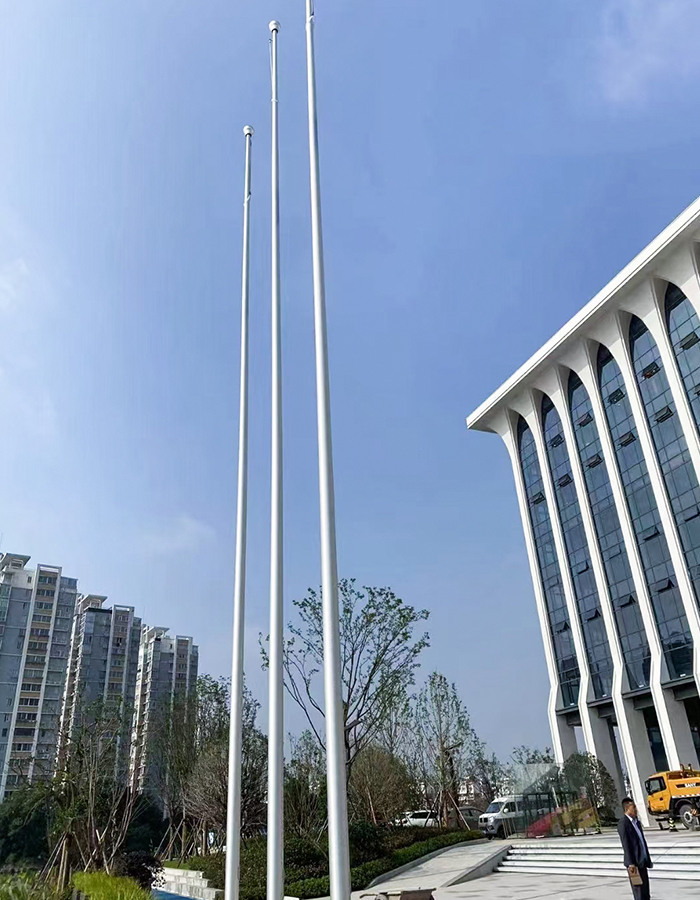 Outdoor Aluminum Alloy Conical Hand-Cranked FlagpoleThis lightweight, corrosion-resistant aluminum pole uses a hand-crank system to lower the truck for easy inspection and restringing, simplifying routine maintenance.View Product →
When to Call a Professional or Contact the Manufacturer
DIY restringing has its limits. If any of these three conditions apply, hire a professional: the pole cannot be lowered or tilted safely; the pole is taller than about 30 ft and there is no level ground for an aerial lift; or you do not have a second person to help with the lowering and raising. Working alone at height is the single most dangerous situation in flagpole maintenance.
Even if the job itself is simple, there are good reasons to contact the manufacturer before you begin. If you need replacement parts that match the original, if you want the confirmed halyard specification for a specific model, or if your warranty requires factory-authorized service, a quick call or email saves you from buying the wrong rope or voiding the coverage. Manufacturers that engineer flagpoles for stadiums, campuses, and government projects maintain records for every model they have built, so the correct diameter, length, and hardware are available with a serial number.
If your pole is failing frequently, consider whether the pole itself needs an upgrade rather than another restring. A pole that requires a crane to service will cost more over ten years than a pole your own staff can maintain. Stainless steel hand-cranked flagpoles combine corrosion resistance with a winch system that brings the truck down to working height; for a facility that has had repeated halyard failures, that kind of design is often the practical solution.
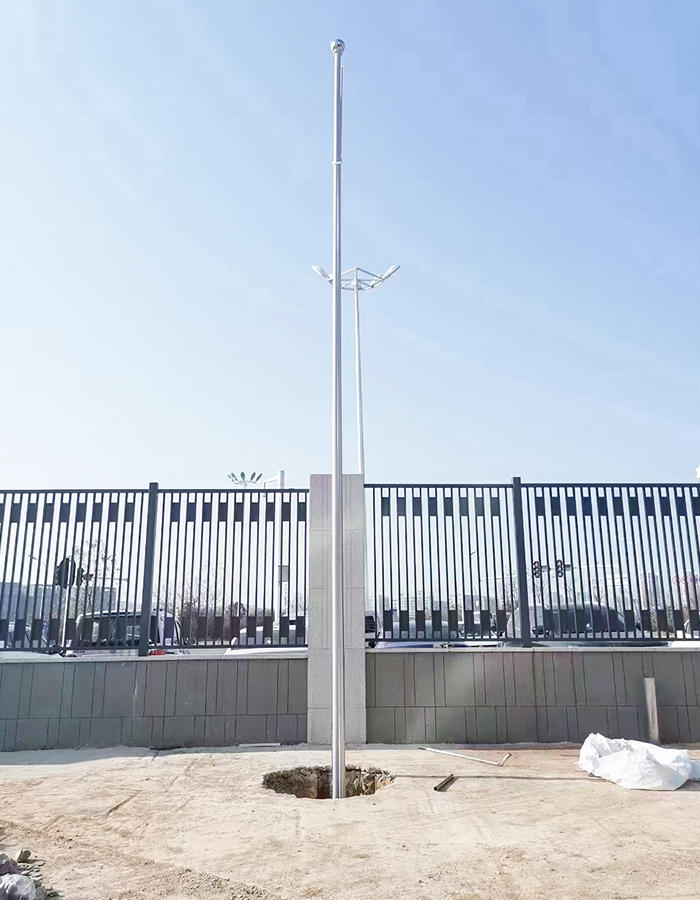 Conical Stainless Steel Hand-Cranked FlagpoleA corrosion-resistant stainless steel pole with a conical profile and winch mechanism that brings the truck down to working height, cutting long-term service costs.View Product →
For facility managers, the financial comparison is straightforward. A professional restring visit can cost several hundred dollars, and on a pole with a short rope life that expense recurs every two to three years. A maintenance-friendly pole carries a higher first cost, but it pays back in reduced service calls, shorter downtime, and the ability to handle inspections in-house.
Restringing a flagpole is not a difficult job, but it is a job that rewards a systematic approach. Know your halyard type, choose a rope that suits your environment and sheave size, inspect the hardware while the pole is down, and work through the steps in order. If you can do that, most flagpoles under 30 ft will be back in service within the hour.
The long-term goal is to make the next restring unnecessary for as long as possible. Monthly checks, weekly hoisting, clean hardware, and a sensible rope replacement schedule cost very little but extend the life of the entire system. When you do see a frayed strand or a stiff section, replace the halyard on your schedule, not on an emergency call.
A flagpole is one of the few pieces of equipment that works every single day without supervision. All it asks in return is a few minutes of care each month. That is a fair trade for a consistent, presentable flag display.
Previous Post
No previous article
Next Post
How to Attach a Flag to a Flagpole With a Sleeve: Detailed Step-by-Step Guide
News
-
-
1. Understanding the Importance of Regular Maintenance for Aluminum Alloy Flagpoles Regular maintenance of your aluminum alloy flagpole is essential ......
READ MORE -
Unique advantages of aluminum alloy: Why it is the preferred material for flagpoles In today's society, flagpoles are not only a tool for displaying f......
READ MORE -
What is the aluminum alloy electric intelligent lifting conical flagpole? The aluminum alloy electric intelligent lifting conical flagpole is a high-e......
READ MORE

Copyright Jiangsu Shengqi Weiye Intelligent Technology Co., Ltd. All Rights Reserved.
 Custom Commercial Flagpoles Suppliers