
 English
 русский
 عربى
عربى

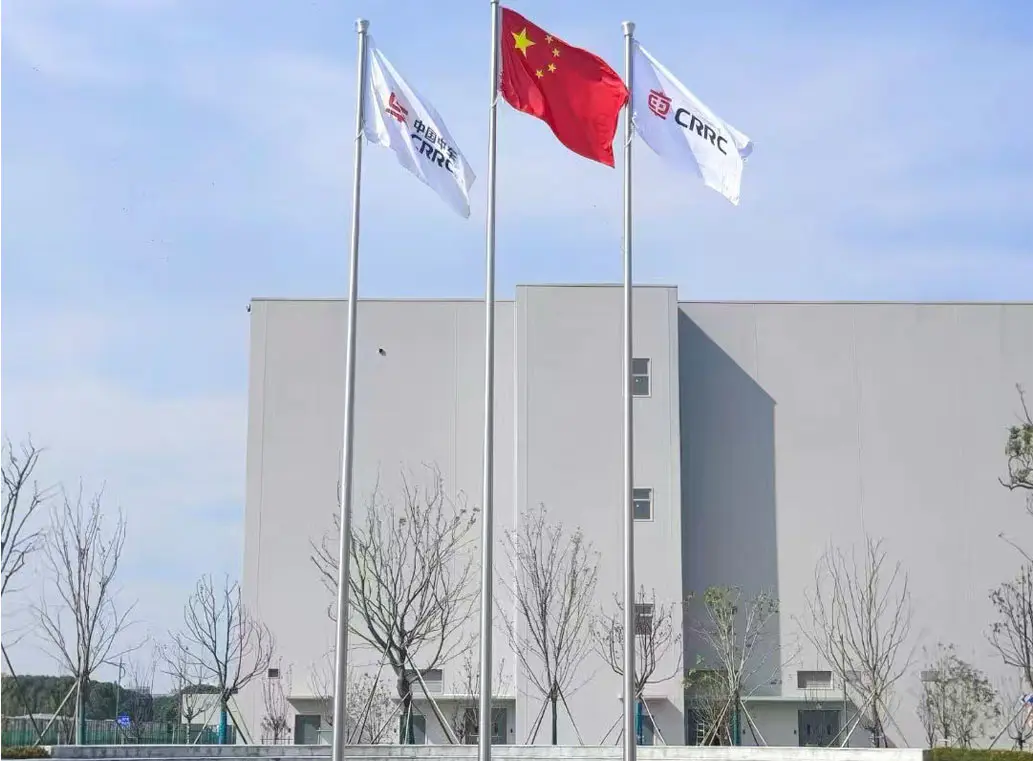
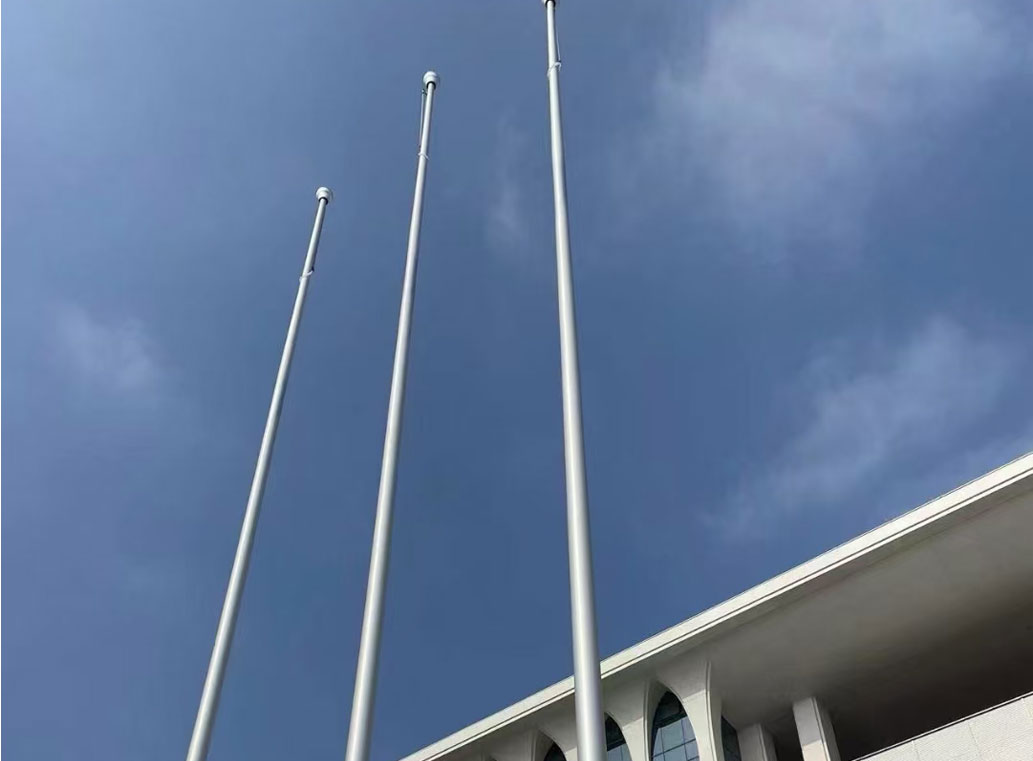
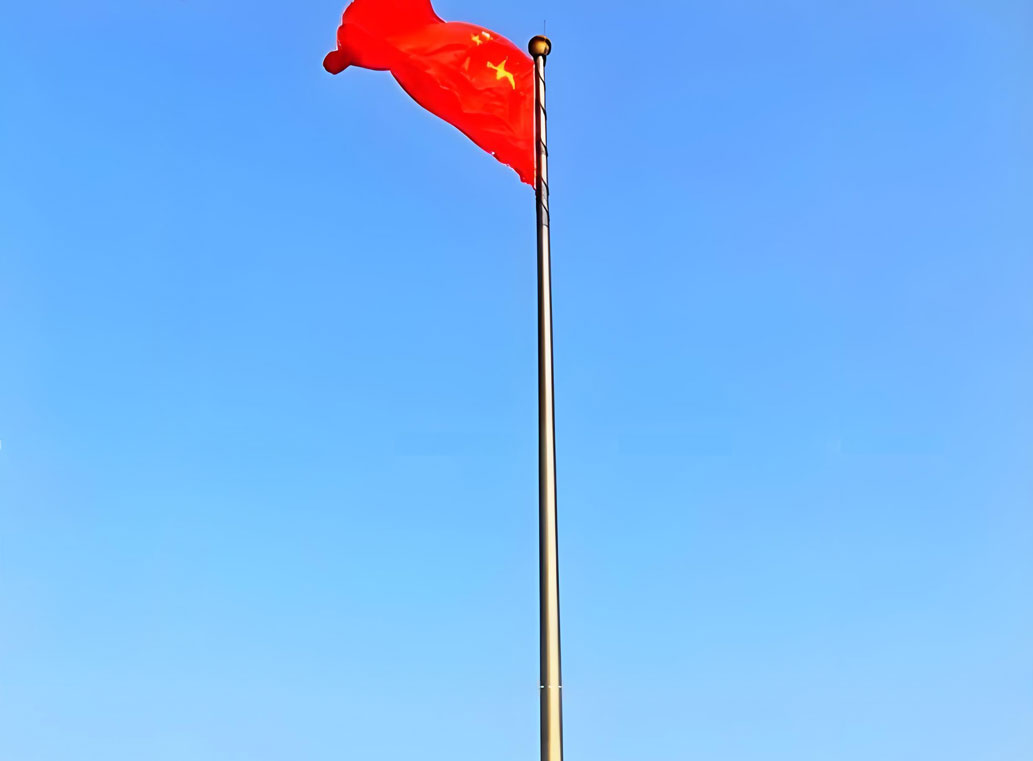
Flagpoles stand as proud symbols, gracing homes, businesses, and public spaces alike. While various materials are used in their construction, stainles......
READ MORESubmit feedback
Home / News / Industry News / How to Keep a Flag From Wrapping Around the Flagpole: Proven Fixes and Expert Advice
How to Keep a Flag From Wrapping Around the Flagpole: Proven Fixes and Expert Advice
The Problem: A Flag That Never Stops Tangling
If you have ever installed a flagpole and expected a clean, proud display only to find the flag wrapped tightly around the shaft every time the wind changes direction, you know how frustrating the situation can be. The issue is not cosmetic alone. The repeated twisting action puts uneven stress on the fabric, can fray the edges, wears out the grommets, and makes the flag unreadable from a distance. In the worst cases, the tangling actually causes the halyard to slip out of the sheave or leads to premature pole wear along the finish. The good news is that this can be prevented with the right hardware, the right sizing, and a proper installation. The most effective solution starts with selecting a flagpole that is designed to rotate freely with the wind, or fitting a rotating ball head at the top, while also checking that your flag dimensions match the pole height. This article gives you a factory-level look at why flags wrap, what you can do about it, and how to choose components that actually stop the problem before it starts.
Why Flags Wrap Around Flagpoles
Understanding the root cause is the first step to eliminating the annoyance. A flag does not wrap around a pole because it is a poor-quality flag. It wraps because of the combined effect of three physical factors: the direction of the wind, the tension in the halyard, and the fixed orientation of the top of the flagpole.
When wind strikes a flag, it creates a fluttering motion. A traditional flagpole has a fixed top, and the flag is attached to the halyard with snap hooks. As the wind changes angle, the flag can swing sideways. The top edge of the flag stays close to the pole because it is attached at just one point, and when the flag is not fully unfurled, its own weight causes it to hang against the shaft. With enough wind, the fabric twists around the pole. This process is worse when the flag is too large for the pole, because more fabric creates more drag and more opportunity to wrap. The problem is especially common in areas where wind direction is variable rather than steady.
Another factor is the type of snap hooks. Standard brass snap hooks are fixed to the flag and do not swivel independently. When the flag rotates slightly, the snap hook stays aligned with the halyard, forcing the fabric to twist. The more the flag flaps, the more the twist accumulates. On a tall pole, even a small twist at the bottom compounds and wraps the entire flag. This explains why simply loosening the halyard rope often makes things worse rather than better; a loose rope allows the flag to drift toward the pole and increases surface contact.
The solution therefore must address the relationship between the flag, the halyard, and the top of the pole. It is not enough to increase the height or use a heavier flag. You need components that allow the flag to follow the wind direction without building up twist.
The Rotating Ball Head: The First and Most Effective Fix
The most direct way to stop wrapping is to introduce rotation at the top of the pole. A rotating ball head, often called a downwind rotating ball head, sits where the traditional ball cap would normally be installed. Inside the ball, there is a sealed bearing system that allows the ball to rotate freely on the spindle. The halyard runs through the ball or the assembly is designed to turn the entire axis of the flag. When the wind shifts, the ball head rotates with it, which means the flag does not need to twist against the fabric. Instead, the top of the pole follows the wind, and the flag remains extended in the direction of the airflow.
This approach works for both single-point and two-point attachment systems. In a single-point hanging system, the halyard is attached to the flag’s header at two grommets, but the top grommet is the primary support. With a rotating ball head, the halyard is guided through a rotating swivel at the top, so the entire assembly rotates smoothly. This eliminates the likelihood that the flag will catch on the pole and wrap.
Compared with simpler spinning flagpoles, a rotating ball head has a distinct advantage: it does not require the entire pole to turn. This means the pole can remain fixed and stable, which is important for tall, heavy-duty installations. The ball head is especially useful for retrofitting existing poles because it bolted directly onto the existing top spindle without replacing the whole flagpole. It is also the most economical option when you want to solve a wrapping problem without investing in a new pole.
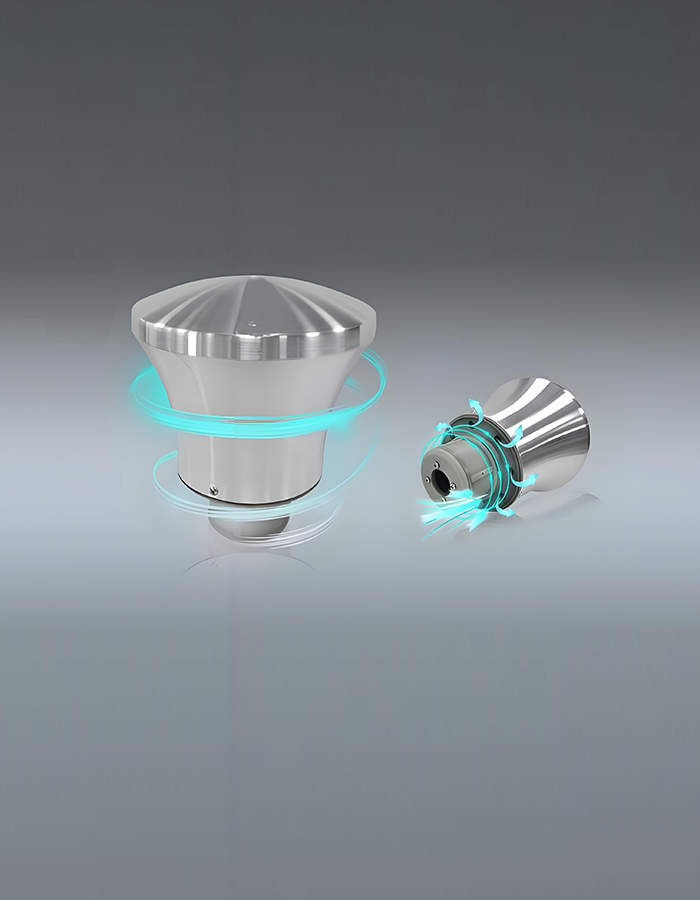 Flagpole downwind rotating ball headFlagpole Downwind Rotating Ball Head offers superior corrosion resistance and enhanced load-bearing capacity. Its unique design, coupled with a polished chrome-plated ...View Product →
At our manufacturing facility, we produce the flagpole downwind rotating ball head with a machined aluminum housing and a stainless steel bearing to prevent corrosion. The design uses a double-row bearing so the ball can handle constant rotational movement in all weather conditions. For the vast majority of residential and commercial flagpoles under 30 feet, this accessory alone will solve the wrapping problem. For larger or heavier installations, rotating ball heads are also available in a heavy-duty version with a larger spindle bore.
Flag Size Matters: Matching the Flag to the Pole
A significant cause of wrapping is simply using a flag that is too big for the pole. Every flagpole has a recommended flag size based on its height. If you install a flag that is proportionally too large, the extra fabric creates more drag. The wind pushes the bottom edge of the flag sideways, and because the top edge cannot move far due to the limited clearance between the flag and the pole, the fabric folds back and wraps. Conversely, a flag that is too small will also tangle because it hangs limply and does not produce enough tension to hold itself open. The right balance is a flag that is roughly one-quarter to one-fifth of the pole height in fabric length, depending on the pole and wind conditions.
| Flagpole Height (feet) | Recommended Flag Size (feet) | Wind Rating for Tangling Risk |
|---|---|---|
| 15 | 3 x 5 | Low to moderate |
| 20 | 4 x 6 | Moderate |
| 25 | 5 x 8 | Moderate to high |
| 30 | 6 x 10 | High |
| 40 | 8 x 12 | Very high |
The dimensions above are general guidelines, and they assume a standard flag with a hoist of 1 unit and a fly of 3 units. The “Wind Rating for Tangling Risk” column is a practical indication of how likely the flag is to wrap when the pole does not have a rotating top. If you are in an area with frequent and gusty winds, choose the smaller flag size within the recommended range. A smaller flag will not only reduce tangling, but it also places less stress on the halyard and the pole. This is a critical purchasing consideration because a flag that is too large can cause the flagpole to sway excessively, which may lead to metal fatigue over time.
Material Matters: Aluminum, Stainless Steel, and Titanium
The surface character of the flagpole itself plays a significant role in whether a flag will slide or grip the pole. A rough, painted, or textured surface creates friction against the flag’s header and grommets, making it easier for the flag to stay wrapped. A smooth, polished surface allows the flag to slip and find its natural position. In practice, all our flagpoles are manufactured with a high-gloss finish, but different materials offer different levels of smoothness and resistance to environmental damage.
Aluminum Alloy Flagpoles
Aluminum alloy is the most common choice for residential and commercial flagpoles. It is lightweight, easy to handle, and corrosion-resistant when properly anodized. A polished aluminum surface offers a smooth finish that reduces friction. However, in coastal environments where salt spray is common, regular washing is required to avoid pitting that may create rough patches. If you already have an aluminum pole and notice a rough surface, it is worth checking for pitting because that accelerates tangling.
Stainless Steel Flagpoles
Stainless steel provides the highest degree of smoothness and is very resistant to rust. For large installations and high-wind zones, stainless steel poles are favored because they are stronger and hold their finish for many years. The polished surface is unlikely to develop surface imperfections, which makes it one of the best materials for preventing wrapping. The downside is higher cost and heavier weight, but for municipal or stadium projects this is often justified.
Titanium Flagpoles
Titanium is a premium material that combines the best characteristics of aluminum and stainless steel. It is corrosion-resistant, lightweight, and exceptionally strong. Titanium flagpoles can be used in coastal and industrial areas where other metals would degrade. For tangling prevention, a titanium pole has an extremely dense, smooth surface that creates very little friction. This ensures the flag can move freely, which reduces the build-up of twist. Titanium is the most expensive option, but for clients who need long-term reliability in harsh environments, it is a smart investment.
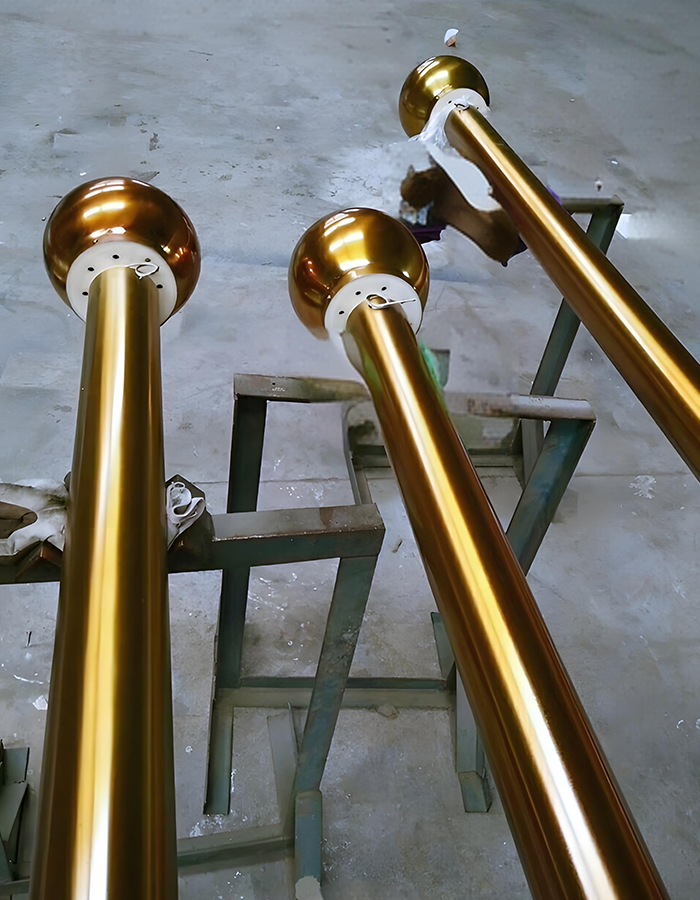 Titanium corrosion-resistant hand-cranked conical lifting flagpoleThe titanium corrosion-resistant hand-cranked conical lifting flagpole is made of metal titanium, with extremely high corrosion resistance and strength, and unique col...View Product →
Our titanium corrosion-resistant handcranked conical lifting flagpole is one example of a pole designed for challenging environments. The material’s smooth microsurface combined with a tapered conical shape reduces the surface contact area, making it harder for the flag to cling. In our own testing, a titanium pole with a rotating ball head remains free of wrapping even in wind speeds that would cause a standard aluminum pole with a fixed top to tangle within minutes.
Spinning Flagpoles and Electric Lifting Systems
Another proven method is to use a spinning flagpole. A spinning pole has a uniquely designed top section that rotates on a sealed bearing housing. The flag is attached to the rotating section, so when the wind blows, the top of the pole turns with the flag. This keeps the flag always facing downwind, regardless of the wind direction. Unlike a rotating ball head that is fixed to the top of a traditional pole, a spinning flagpole implements rotation over a longer section of the shaft, allowing the flag to turn even at higher wind loads.
The concept is particularly effective for homes and institutional settings where the flag is raised and lowered manually. However, we also manufacture electric intelligent lifting conical flagpoles, which integrate a motorized winch inside the pole. In these units, the top assembly can be engineered to rotate with the wind while the motor housing remains stationary. This gives you the convenience of automatic raising and lowering combined with full anti-wrap functionality. The motorized version is especially useful for taller poles and for facilities that need to lower the flag quickly during severe weather.
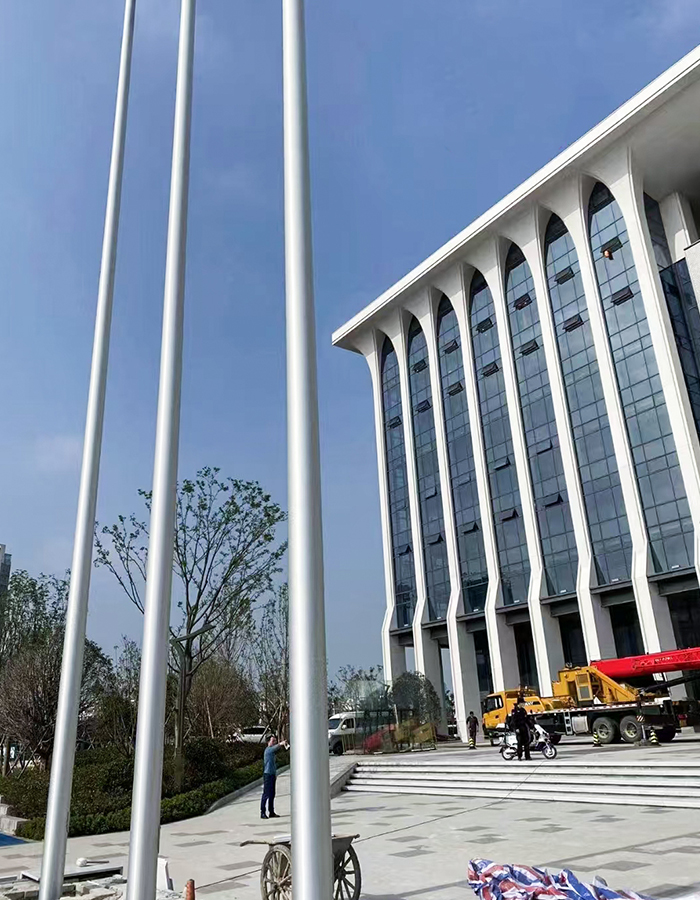 Aluminum alloy electric intelligent lifting conical flagpoleThe aluminum alloy electric intelligent lifting conical flagpole combines the advantages of modern technology and aluminum alloy materials, has intelligent lifting fun...View Product →
Our aluminum alloy electric intelligent lifting conical flagpole is manufactured with a high-strength aluminum shaft and an internal motor that is waterproof and low-maintenance. The pole comes with a remote control, and the top assembly can be configured with a rotating ball head or a full spinning bearing housing. For a facility manager who is managing multiple sites, a motorized spinning pole removes the need to climb tall ladders, while also solving the wrapping problem for years. The overall reliability of an electric system depends heavily on the quality of the wiring and the motor, which is why we use an IP-rated enclosure and a sealed lifting mechanism.
Installation Factors: Position, Tension, and Wind Flow
Even with the best hardware, incorrect installation can cause wrapping. One common error is installing a flagpole in an area where buildings, trees, or walls create a swirling wind effect. When wind hits an obstacle, it creates eddies and turbulence around the pole. These change the direction of the wind at a rapid rate, causing the flag to change direction almost instantly, which increases the chance of wrapping. The solution is to place the flagpole in as open an area as possible, away from nearby structures by at least the height of the structure. A simple rule of thumb is to keep a distance of 20 to 30 feet from buildings when possible.
Another overlooked factor is the tension of the halyard. Many homeowners believe that a taut halyard keeps the flag from wrapping. In practice, a taut halyard pulls the flag close to the pole where it can catch. A slightly looser halyard allows the flag to hang away and float. However, you must not leave the halyard too loose, because the rope may wind around the pole itself. A good guideline is to leave about 2 to 3 inches of slack in the halyard when the flag is raised fully. This small amount of slack gives the flag room to move while still maintaining control.
The angle of the flagpole also matters. If the pole is perfectly vertical, gravity pulls the flag straight down along the pole, creating more surface contact. If the pole is tilted slightly back, approximately 3 to 5 degrees, the flag naturally hangs away from the pole. Many manufacturers offer a fixed or adjustable tilt mechanism for this purpose. Check your flagpole’s base and see if it allows any tilt; if not, consider a base plate with a small offset or simply position the pole in a location where the ground slope gives it a natural lean.
Additional Hardware: Swivel Snaps, Weights, and Spinning Fasteners
Beyond the top assembly, several hardware upgrades can further reduce wrapping. Swivel snaps are simply snap hooks that pivot freely around the halyard. When a flag is attached with swivel snaps, the snaps themselves rotate as the flag swings, preventing the flag from twisting at the attachment point. They are inexpensive and can be fitted to any existing flagpole. If you are replacing parts, swivel snaps are a worthwhile improvement.
Another solution is to use a weighted flag. Adding a small amount of weight to the bottom of the flag helps it fall faster and hang straighter in light wind. Some commercially available flags have a fabric pocket along the fly that accepts a short rod or weight bar. This weight keeps the bottom edge extended and prevents the flag from folding back around the pole on calm days. However, in strong wind, a weighted flag can put extra stress on the top bearing, so we recommend using a weight rod only for light to moderate breeze conditions.
You can also add a flexible rotating mechanism at the bottom of the flag. One common design is a rotating ring that secures the flag’s lower grommet to the halyard. As the wind direction changes, the ring rotates with the flag. This works well combined with a rotating top, but it is not a standalone solution because the flag can still twist in the middle section.
In terms of maintenance, regular inspection of the halyard and pulleys is important. A worn or kinked halyard can cause the flag to sit at an angle, which increases tangling. Replace the halyard every one to two years depending on exposure to sun and wind. Use a polyester rope rather than nylon, because nylon stretches and can cause inconsistent tension. This prevents the flag from riding too high or too low, which in turn helps avoid the wrap.
Maintenance for Your Flagpole and Hardware
Cleaning and properly maintaining your flagpole and accessories is essential to keep the anti-wrap performance. An accumulation of dirt, bird droppings, and contaminants on the surface can create a rough film that catches the fabric. Over time, this can bind the flag to the pole and negate the benefits of a rotating top. At our factory, we recommend a cleaning routine for aluminum and stainless steel poles. For an aluminum pole, wash with mild soap and water, then apply a thin coat of automotive wax to seal the surface. For stainless steel, use a non-abrasive cleaner and a microfiber cloth to preserve the polished finish.
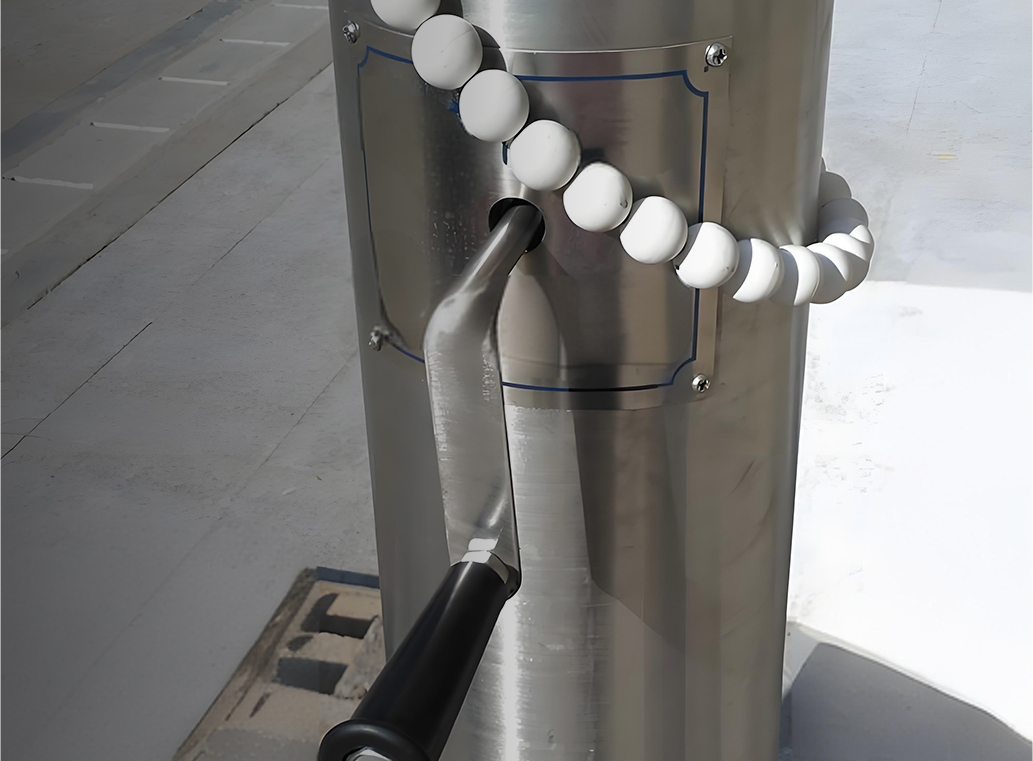
If you have an electric lifting flagpole, you should also inspect the motor and the lifting cable at least once a year. Lubricate any moving parts with a silicone-based lubricant. Avoid using oil-based lubricants in cold climates, as they can thicken and reduce performance. For a hand-cranked pole, the internal gear should be checked every six months. All these routine tasks are simple and do not require special skills, but they significantly extend the life of the system.
We also encourage you to read about the maintenance process for aluminum alloy flagpoles, because it covers the specific steps for preserving the finish and ensuring the swivel mechanism continues to operate smoothly. Daily checks are not necessary, but a monthly inspection can catch minor issues before they become costly. Here is a detailed guide on aluminum alloy flagpole maintenance that our engineers have prepared.
Common Mistakes That Should Be Avoided
There are several mistakes that flag owners commonly make. The first is purchasing a flag that is too heavy for the wind conditions. Heavy canvas flags are beautiful and durable, but they create far more inertia. When a gust of wind hits a heavy flag, it does not lift easily, and the fabric folds onto itself. A 2-ply polyester or woven nylon flag with a light yet dense weave is much better for windy areas.
The second mistake is using a fixed finial without any rotational feature. Many decorative finials are beautiful, but they do not allow the flag to rotate. If you prefer a particular finial style, ask the manufacturer to provide a rotating adapter. At our factory, we can custom-make a finial with a built-in bearing or a separate swivel adapter. This way you retain the aesthetics while solving the problem.
The third mistake is over-tightening the halyard when the flag is not fully hoisted. Some users tighten the rope so much that the flag cannot move at all. This is especially problematic when the flag is stored in a folded position. Always allow the flag to extend naturally at the top of the pole before fixing the rope. A taut rope that is tied off at the cleat should not apply extra tension to the flag itself.
Finally, do not ignore the effect of the flagpole collar or truck. The top of a conventional single-point flagpole has a truck assembly where the halyard threads through a pulley. If the assembly is not mounted properly, it can create friction that drags the flag to one side. A well-designed truck has a smooth radius and a wide opening. In our products, the truck is integrated with the rotating ball head to eliminate any unnecessary friction points.
Buying Recommendations: What to Look For
When you are ready to buy a new flagpole or upgrade your existing installation, there are several things to check. Look for a manufacturer that offers a rotating ball head or a spinning top as a standard option. Check the bearing quality: a stainless steel bearing with a rubber seal is better than an unprotected bearing. Ask about the wall thickness of the pole. A thicker wall reduces flex and keeps the flag in a more stable alignment. For a 20-foot pole, a wall thickness of at least 0.12 inches is recommended for our aluminum alloy poles, while stainless steel poles should have at least 0.10 inches.
Also review the finish. A permanent anodized aluminum finish, a polished stainless steel finish, or a titanium finish will all keep the surface smooth. Avoid painted finishes with heavy texture unless you use a spinning pole. The warranty is another factor. A manufacturer that is confident in its rotating mechanism will offer a multi-year warranty on the bearing and the bearing housing. Our own flagpoles come with a warranty that covers the structure and the swivel assembly, and we have more than 20 years of manufacturing experience behind the design.
For commercial and municipal applications, consider whether you need an electric lifting system. The cost of the motor is offset by reduced labor and better safety. In addition, a motorized pole can automatically adjust the flag to a safe position in high winds if connected to a wind sensor. Combine this with a rotating ball head and you will have a flag display that requires no intervention for years.
We are a flagpole factory that has supplied products to major sports events, including the Olympics and other international venues. This experience has taught us that anti-wrap performance is not an afterthought; it is a core engineering requirement. That is why every one of our outdoor flagpoles is designed to accept a rotating head or spinning top as a standard part of the system.
Final Verdict: A Clean Display Starts With the Right System
The best way to keep a flag from wrapping around the flagpole is to prepare for the wind rather than fight it. Choose a flagpole that allows rotation at the top or throughout a portion of the shaft. Fit it with a high-quality rotating ball head or spinning top, select the correct flag size, and install the pole in an open area with the correct halyard tension. If you are in an environment with salt, coastal winds, or industrial pollution, select a material like stainless steel or titanium, and be consistent with maintenance. These steps together will stop the tangling problem completely and will keep your flag looking sharp in every weather condition. As a manufacturer, we can help you choose the right configuration for your exact location, and we can provide custom solutions for unique large-scale installations.
Previous Post
No previous article
Next Post
How to Tie a Flagpole Rope: Complete Knot, Installation & Maintenance Guide
News
-
-
1. Understanding the Importance of Regular Maintenance for Aluminum Alloy Flagpoles Regular maintenance of your aluminum alloy flagpole is essential ......
READ MORE -
Unique advantages of aluminum alloy: Why it is the preferred material for flagpoles In today's society, flagpoles are not only a tool for displaying f......
READ MORE -
What is the aluminum alloy electric intelligent lifting conical flagpole? The aluminum alloy electric intelligent lifting conical flagpole is a high-e......
READ MORE

Copyright Jiangsu Shengqi Weiye Intelligent Technology Co., Ltd. All Rights Reserved.
 Custom Commercial Flagpoles Suppliers