
 English
 русский
 عربى
عربى


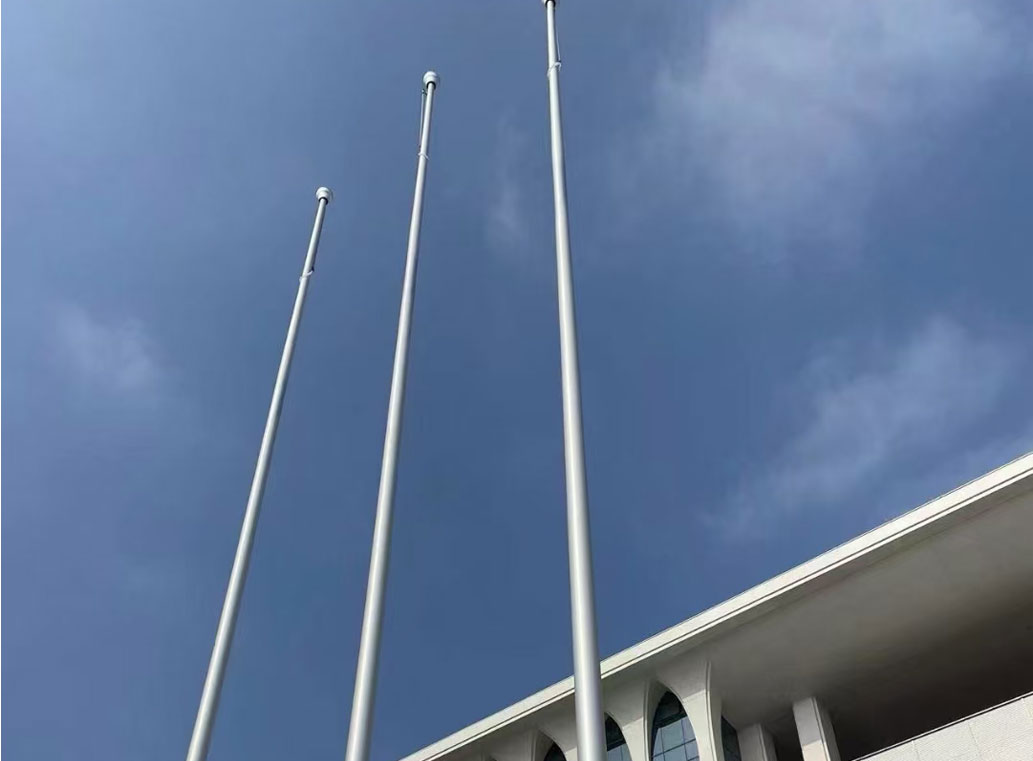
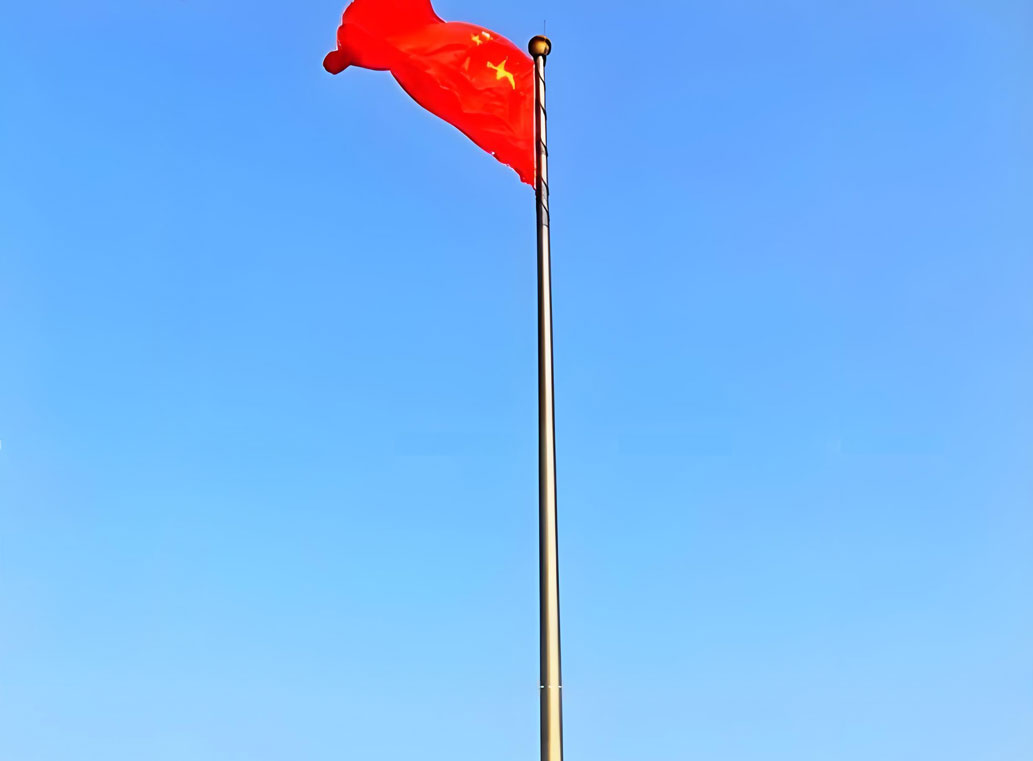


Flagpoles stand as proud symbols, gracing homes, businesses, and public spaces alike. While various materials are used in their construction, stainles......
READ MORESubmit feedback
Home / News / Industry News / How to Lower a Flag on a Flagpole: Step-by-Step Guide for Safe Lowering
How to Lower a Flag on a Flagpole: Step-by-Step Guide for Safe Lowering
A weather alert interrupts the afternoon routine. Strong winds are expected within the hour, and the flag on the pole in front of your facility has started to whip and snap. The snap hooks are rattling against the metal shaft. You have roughly fifteen minutes to bring the flag down before the gusts arrive. This is exactly the moment when knowing how to lower a flag properly matters.
Lowering a flag on a flagpole is a straightforward task, but the correct method depends on the hardware on your pole, the condition of the halyard, and a few safety habits that prevent damage to the flag and injury to the person handling it. The short version is this: keep tension on the halyard at all times, lower the flag smoothly, unsnap it at eye level, and never let it touch the ground. The rest is detail, practice, and regular maintenance.
In this guide we explain how to lower a flag safely on external halyard poles, internal halyard poles, hand-crank systems, and electric systems. We also cover half-staff lowering, daily and weather-related lowering routines, common faults, and the maintenance that keeps lowering easy for the full service life of the pole.
Know Your Flagpole System Before You Lower It
The first rule of lowering a flag is to know which type of system you are working with. The technique that works on one pole can be useless, or even dangerous, on another. Three main systems dominate the market, and each requires a slightly different approach.
External halyard systems
An external halyard pole carries its rope on the outside of the shaft. The halyard starts at a cleat near the base, runs up to a pulley or sheave inside the truck at the top, and comes back down to the flag. Two snap hooks attach the flag to the halyard, one at the top and one at the bottom of the flag header. This is the simplest and oldest design, common on residential poles, school flagpoles, and smaller commercial installations.
To lower a flag on an external halyard pole, you release the cleat, grip the halyard tail with one hand, and pull the rope down hand over hand while collecting the flag with the other hand. Because the rope is exposed, it is easy to inspect, but it is also exposed to sun, rain, and friction. A well-maintained external halyard is dependable; a neglected one will tangle, fray, and eventually fail.
Internal halyard systems
An internal halyard pole hides the rope entirely. The halyard runs through the hollow interior of the shaft and exits near the base into a winch drum or a crank box. There is no cleat and no loose rope outside the pole. The only visible clues are usually a small access door, a crank handle socket, or a control box near the base.
With this system, lowering is done by reversing the winch, either by turning a hand crank or by pressing a button on a motorized unit. The winch controls the speed, which makes lowering smoother and reduces tangling. Internal halyard poles are more expensive to build and repair, but they are the standard choice for tall flagpoles and public installations because the rope is protected from weather and vandalism.
Winch, crank, and electric systems
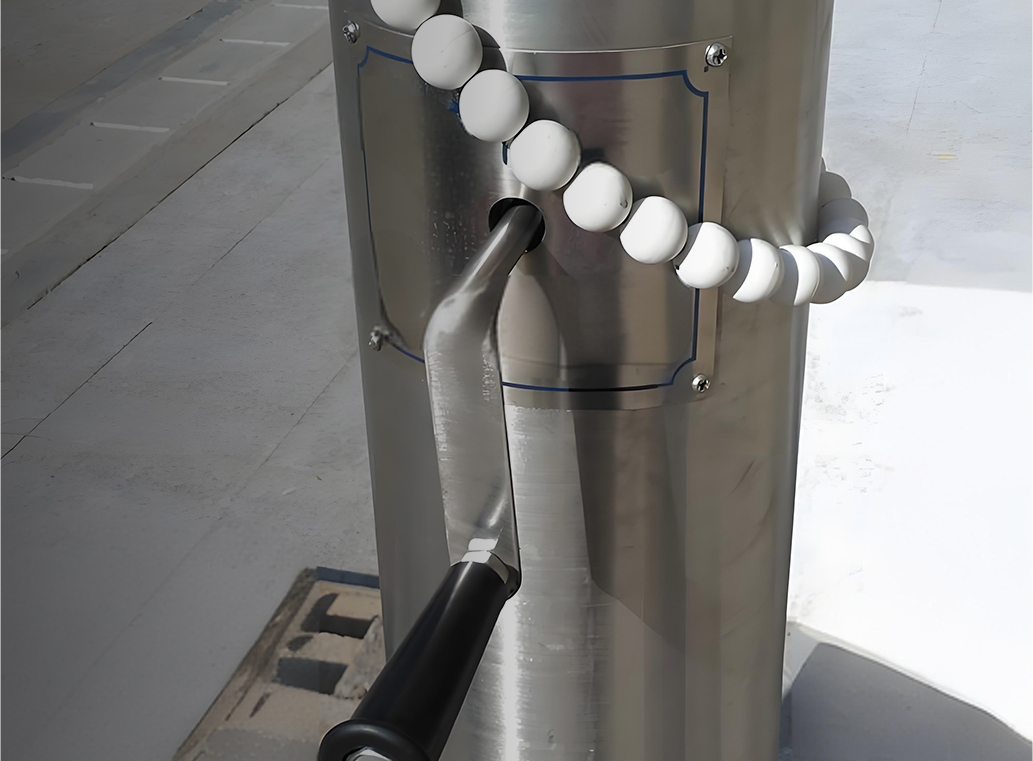
Manual winch poles use a removable crank handle. You insert the handle into a drive socket near the base and turn it. The direction of rotation is normally marked on the access plate; if it is not, the rule is simple: turn one way and the flag rises, turn the other and it lowers. Turn slowly and watch the flag at all times.
Electric systems replace the manual crank with a geared motor. A switch or a remote control activates the motor, and the flag moves up or down at a constant, controlled speed. These systems are common on very tall flagpoles, stadium installations, and sites where staff do not have the arm strength to turn a winch against a large banner in the wind.
A practical note: many motorized poles include a manual override. If you face a power outage at the end of a long day, you will need the crank handle and the knowledge of where to insert it. Keep the handle stored near the control box, not in a maintenance room across the site. Test the override once after installation so that the person responsible knows it exists and which direction to turn.
For a site that does not need motorization but gets daily use, a hand-crank system is dependable and easier to service than electric drive. An outdoor aluminum alloy conical hand-cranked lifting flagpole is a representative example of this approach, combining a sealed internal halyard with manual speed control and a lightweight alloy shaft that is easy to install and maintain.
 OEM/ODM Outdoor aluminum alloy conical hand-cranked lifting flagpole Suppliers, Jiangsu Shengqi Weiye Intelligent Technology Co., Ltd. is China OEM/ODM Outdoor aluminum alloy conical hand-cranked lifting flagpole supp...View Product →
A note on telescoping and tilt-down poles
Not every flagpole uses a rope. Residential and portable installations sometimes use a telescoping pole or a tilt-down mount. On a telescoping pole, the entire pole retracts in sections, and the flag rides on the top section. Lowering the flag means collapsing the pole, usually by releasing a lock and sliding the sections down. On a tilt-down mount, the pole pivots at the base, lowers to near-horizontal, and the flag can be detached directly.
The critical safety point for both types is the same: keep a firm grip on the pole or the sections as you collapse or pivot, because the load shifts quickly. A metal pole with a wet flag attached is heavier than it looks, and in wind the drag is significant. The half-staff protocol does not apply to telescoping poles in the same way as to fixed halyard poles, because there is no fixed mid-pole reference.
Safety Checks Before Lowering the Flag
Before you touch the cleat or press the button, spend thirty seconds checking the conditions and the equipment. Lowering a flag is a low-risk job, but the risks that exist are easy to avoid, and they all become more serious when the pole is tall or the wind is high.
Check the wind and the weather
In moderate wind, a flag descends cleanly and remains under control. In strong gusts above roughly 30 miles per hour, or 50 kilometers per hour, the flag can blow horizontally, wrap around the pole, or pull hard against the halyard. If a severe storm is already hitting the site, the safest answer may be to wait for the worst of the wind to pass, unless the flag itself is at risk of tearing. Use judgment: a flag that is whipping violently is better off lowered before the storm peak, and a flag that has survived a storm should be inspected before lowering because the halyard may have twisted or jammed.
Never work on a flagpole, or even approach it, during a thunderstorm. A metal pole is a lightning path. Wait until the storm has moved away, even if that means leaving the flag up longer than you would like.
Inspect the halyard and hardware
Look at the rope from the cleat to the first visible eye. Frayed strands, discoloration, or a rough texture are warnings. A halyard that snaps while you are lowering is frustrating; a halyard that snaps while lifting a heavy wet flag is dangerous. Pay special attention to the sections of rope near the snap hooks, because those sections bend and wear the fastest.
Check the snap hooks as well. They should spring closed cleanly and should not be bent or corroded. A rusted snap hook can seize while you are trying to unsnap it at eye level, leaving you in an awkward position with a flag half-attached.
Clear the area and plan the catch
The flag describes a large arc as it comes down. Make sure no one is standing under the pole, no vehicles are parked close by, and no obstacles such as flower beds, fences, or lighting fixtures interfere with safe handling. The flag should never touch the ground, so plan where you will catch it and fold it. On a paved surface, consider placing a clean tarp or sheet beneath the working area.
Dress for the job
A dirty or wet halyard can cause rope burns when it slides quickly through your hand. Thin work gloves with a good grip are enough. They also keep your hands clean when handling a flag that has been in the weather for days. Wear sturdy shoes, not open sandals, and if the area is uneven, check your footing before you begin pulling on the rope.
Some poles are too tall for the top snap hook to be reached without stretching. If that is your situation, keep a sturdy step stool or a small platform near the pole. Do not climb the pole itself, and do not use a damaged ladder. A fall from even a low height is the most serious injury associated with flag lowering.
Two-person teams for large flags
If the flag is larger than about 8 by 12 feet, or 2.4 by 3.6 meters, the job goes much better with two people. One person handles the halyard and the cleat; the other catches the flag, guides it away from the pole, and unsnaps it. This prevents strain on the header of the flag and keeps the cloth from dragging. It also reduces the time the flag spends moving, which matters when the wind is rising.
How to Lower a Flag on an External Halyard Flagpole
External halyard poles require the most technique, because you are the control mechanism. There is no winch to govern the speed and no drum to hold the rope. Here is the step-by-step process.
- Stand beside the pole, facing the cleat. Take the halyard tail in your free hand and keep it tight. Loosen the cleat by lifting the rope off the cleat horns; most cleats release with a simple upward flip or a half-turn.
- Maintain tension on the halyard at all times. This is the single most important rule. If you release tension, the halyard can slip through your hands, the flag will drop quickly, and the snap hooks can rebound against the pole.
- Pull the halyard tail downward hand over hand in a steady rhythm. The flag begins to descend. Keep the pace slow enough that you can guide the flag, but fast enough to avoid the flag catching on the pole or the halyard slackening.
- As the flag comes down, use your other hand to hold the flag’s outer edge and keep it a few inches away from the shaft. This prevents the snap hooks from wrapping around the pole as the flag descends.
- When the top snap hook reaches comfortable eye level, stop and tie the halyard off temporarily, or simply hold it tightly. Unsnap the bottom hook first, then the top hook, keeping the halyard taut the entire time so the remaining hardware does not jump away from you.
- With the flag removed, lower the empty halyard slowly until the snap hooks are at a manageable height, or all the way to the cleat. Do not let the snap hooks swing freely; hold the halyard in one hand and guide them down to avoid dents and scratches on the shaft.
- Secure the halyard to the cleat using a figure-eight pattern with a final hitch to prevent slipping. The tail should be short enough that it cannot whip in the wind and mark the pole.
The figure-eight cleat wrap
The figure-eight cleat pattern is worth practicing until it becomes automatic. Wrapping the halyard around the cleat in a figure-eight lock, then adding a half-hitch, holds the rope even when the wind pulls hard. A haphazard wrap can loosen itself in a gust, and a loose halyard will slap against the pole all night, damaging both the rope and the finish.
If the flag is attached with a clip
Some flags use a keeper or a clip that slides onto a ring or a short cable instead of traditional snap hooks. If your flag clips to a ring, lowering is essentially the same: release the halyard, bring the flag down, and unclip the top attachment while supporting the flag. The important difference is that you should never unclip the top before the bottom, because the flag will fall free and may tear its header.
Never let the flag touch the ground
Etiquette rules in most countries are clear: the flag should not touch the ground, the floor, or water. A clean tarp, a blanket, or simply catching the fabric with both hands as it arrives at eye level prevents the last few inches from dragging. If you operate a pole in a parking lot or a gravel area, think about where you will place a clean, dry surface before you begin. This is not only a matter of respect; a flag that touches gravel will pick up dirt that grinds into the fabric and shortens its life.
How to Lower a Flag on an Internal Halyard or Winch Flagpole
Internal halyard and winch poles are more forgiving because the winch holds the rope tension mechanically. The process is cleaner, but it is not immune to mistakes. Forcing a mechanism that has jammed will cause more damage than the storm you are trying to avoid.
Hand-crank systems
- Open the access cover on the crank box, if there is one, and locate the drive socket.
- Insert the crank handle fully into the socket. If the handle has a locking collar, twist or press it until it engages.
- Disengage the ratchet pawl if the mechanism uses one for holding the load. Some winches lock automatically when you stop cranking; you will feel resistance when you start to turn in the reverse direction.
- Turn the handle in the lowering direction, usually counterclockwise. Keep the motion slow and steady. The flag comes down at a constant rate because the winch drum controls the halyard.
- Watch the flag from the point of attachment. When the flag reaches waist height, stop cranking and hold the handle. Unsnap the flag from the halyard, supporting the fabric as soon as the last hook is released.
- If you need to lower the empty snap hooks for maintenance, crank them down gently. Otherwise, leave them at a convenient working height and close the access cover.
Do not force a hand crank that stops turning. A jamming winch drum, a seized bearing in the truck, or a halyard that has wrapped over itself on the drum can make the crank resist. Forcing it will strip the gear teeth or bend the handle. Stop, inspect, and solve the actual problem before continuing.
Electric systems
- Locate the control box or remote. Most electric poles have an up and down switch wired near the base or a handheld transmitter.
- Press the down control briefly to confirm that the flag starts moving. Listen for the motor; it should run smoothly without grinding or clicking noises.
- Keep the button pressed or use the continuous-down mode, and monitor the flag as it descends. The motorized drivetrain is strong enough to keep pulling even if the flag snags, so you must watch for a wrap around the pole.
- Stop the motor when the top snap hook reaches eye level. Some poles have adjustable limit switches that stop automatically, but do not rely on them for routine operation.
- Unsnap the flag, then raise or lower the empty snap hooks as needed for storage.
- Switch the control to off, or lock the remote, so an accidental button press cannot run the empty halyard while you are handling the flag.
Electric poles need a power supply, so the control box must be protected from moisture. If the motor runs but the halyard does not move, stop immediately. A common cause is a snapped halyard wound around the drum, and continuing to run the motor will damage the drum or the gearbox.
Where a tall pole makes manual operation inconvenient, a motorized pole is easier on staff and produces the same uniform speed every time. A conical stainless steel intelligent electric lifting flagpole is often chosen for school campuses and commercial sites because the stainless steel body resists outdoor exposure while the electric mechanism keeps raising and lowering effortless.
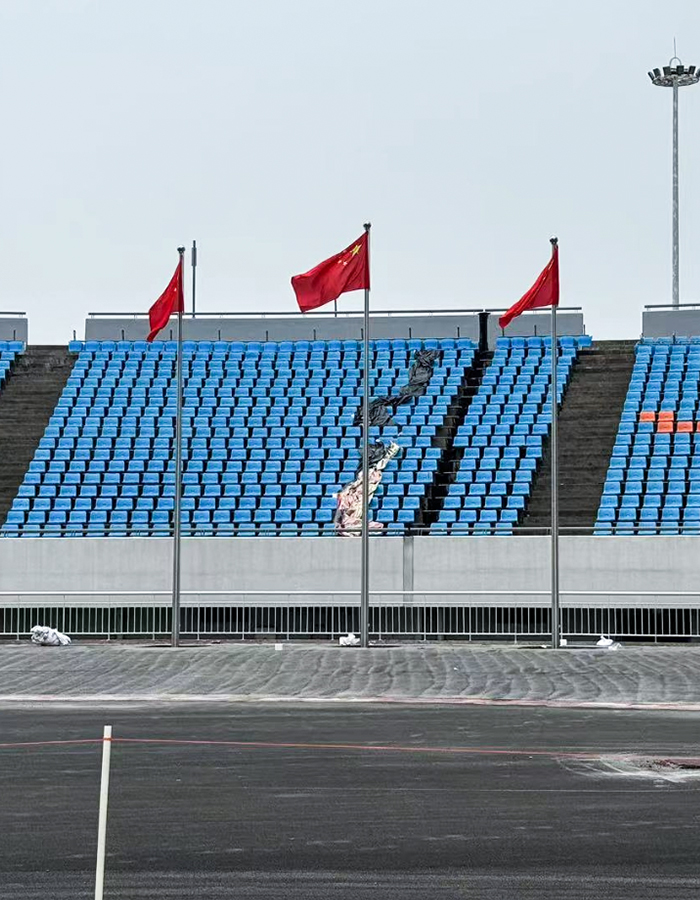 OEM/ODM Conical stainless steel intelligent electric lifting flagpole Suppliers,Jiangsu Shengqi Weiye Intelligent Technology Co., Ltd. is China OEM/ODM Conical stainless steel intelligent electric lifting flagpole sup...View Product →
Manual override on electric poles
If a power outage coincides with the end of the day or with a coming storm, you need the manual override. Locate the crank access, usually a small socket on the side of the gearbox. Insert the manual crank and turn it in the direction marked for lowering. Test the override once at installation so the person responsible knows it exists, where the handle is stored, and which direction to turn.
How to Lower a Flag to Half-Staff
Lowering to half-staff is a special case of lowering. The protocol exists to show mourning or respect on designated days, and it must be done in the correct order to be meaningful and compliant with flag etiquette.
The correct sequence
- Raise the flag all the way to the peak or truck first. Pause for a moment so the flag is fully extended at the top.
- Lower the flag slowly until its center sits at the midpoint of the pole. In practical terms, this means the top of the flag ends up about halfway down the pole.
- Tie off the halyard securely at the cleat, or stop the winch, so the flag cannot creep upward or downward on its own.
- At the end of the day, bring the flag back to the peak first, pause, and then lower it all the way for removal, or lower it to its night position if your routine keeps it on the pole.
The reason for the peak-first step is respect and consistency. The flag always starts from its full position and then is lowered to the mourning position. Raising directly from the ground to half-staff is considered incorrect in most protocol guides.
When half-staff is used
National days of remembrance, the death of national figures, and other occasions announced by governments are the normal reasons. The dates vary by country, and local instructions should always be followed when they are issued. On Memorial Day in the United States, for example, the flag flies at half-staff until noon and then is raised to the peak for the rest of the day. The sequence matters, and the only way to achieve it is to raise to the peak first. Half-staff display is usually limited to daylight hours, so the lowering routine at the end of such a day must include the final full lowering and removal.
Securing the halyard at half-staff
On an external halyard pole, the cleat must be used again with the figure-eight pattern. On a winch pole, the ratchet holds automatically, but confirm by releasing the crank handle slightly to make sure it does not slip. On an electric pole, verify that the motor stops in the set position. If your pole has upper and lower limit switches, half-staff may require manual stopping rather than relying on the switches, because a limit switch is designed for the full travel of the flag, not for an intermediate position.
Adjusting for a large flag
Half-staff is defined by the pole, not by the flag. The midpoint of the pole is the reference; the flag’s own size does not change the height. If the flag is very large, its bottom edge may come closer to the ground, so check that it clears the ground by a safe margin before you tie off.
When to Lower the Flag: Daily Routine and Special Conditions
Lowering a flag is not only an emergency procedure. In many countries, custom and law both say the flag should be displayed from sunrise to sunset. If the flag is not illuminated at night, it must be lowered at sunset. That makes lowering a daily task for most sites, and the routine should be embedded in the facility’s operating schedule.
Sunrise to sunset
If the flag is illuminated through the night, it may be flown continuously, but the halyard and hardware will still need periodic attention. Many institutions prefer to lower the flag at night regardless, because wind and moisture cause more wear after dark, and a lowered flag reduces the risk of overnight damage during unexpected storms. Decide on a clear policy, post it near the control box or cleat, and make one person responsible for the sunset lowering. Consistency protects the flag and prevents the confusion that leads to tangled halyards.
Inclement weather
Most flag etiquette codes advise against displaying a flag in severe weather, unless the flag is an all-weather flag designed for that purpose. When heavy rain, snow, or high wind is forecast, the flag should be lowered in advance and stored. A wet flag is significantly heavier than a dry one, and the added weight strains the halyard, the snap hooks, and the grommets. If you must lower a wet flag, support it with both hands along its full width, because the wet fabric tears more easily at the seams.
In freezing conditions, moisture on the halyard can freeze and make the rope rigid or stuck inside the truck. Never jerk a frozen halyard. Warm the area with a hair dryer, or wait for a thaw, then lubricate the moving parts. A halyard that is forced while frozen can snap at the weakest point, which is usually right where it enters the truck.
Common Problems When Lowering and How to Fix Them
Most flagpole problems show up during lowering because the rope is under load and the flag is moving. The table below summarizes the most frequent faults and the practical response for each.
| Problem | Likely cause | Quick correction |
|---|---|---|
| Flag wraps around the pole while descending | Halyard slack, stuck rotating truck, gusty wind | Keep tension on the halyard, guide the flag away from the shaft, and service the ball head |
| Halyard is tangled at the cleat | Multiple loads pulled over the same wraps | Release tension, work the knot loose, and re-wrap in a figure-eight pattern |
| Snap hook will not open | Corrosion or bent spring | Do not force; clean with a solvent-safe spray, or replace the hook if deformed |
| Halyard is frayed or rough | UV exposure, rubbing on the truck, age | Replace the halyard; if it snaps, pull the new rope through using a messenger line |
| Winch crank resists turning | Debris in the drum, rusted bearing, halyard overwrap | Stop, inspect, and lubricate; if the drum will not move, call a professional |
| Electric motor runs but the flag stays up | Internal halyard broken or jamming | Stop the motor, use the manual override to check, and inspect the drum |
| Flag will not stay at half-staff | Slipping halyard or worn cleat | Tie a more secure knot, check that the cleat is tight, and replace the rope |
A wrapped flag deserves a little more explanation. When a flag wraps around the pole, it almost always happens because the halyard is loose for a moment while the wind pushes the cloth against the shaft. The solution is control: keep tension, lower slowly, and do not let the rope go slack even for an instant. If your pole is equipped with a rotating ball head, make sure it spins freely by hand during routine checks. A seized ball head defeats the entire anti-wrap design, and the flag will wrap even on a calm day.
If the halyard snaps while the flag is halfway down, the flag will drop to the ground. Do not panic. Retrieve the bottom end of the rope if you can. The usual repair involves tying a new halyard to the old one with a long splice or a small messenger line and pulling it through the pulley, then reattaching the flag. This is a two-person job, and it is exactly the sort of repair that should be done on a dry, calm day rather than during a storm.
After Lowering: Fold, Inspect, and Store
Lowering is not finished when the flag is off the pole. How you treat the flag after lowering determines how long it lasts and how it looks the next time it goes up. A few minutes of care at the end of each day can double the service life of a flag.
Folding the flag
For storage, the triangular fold is traditional and works well for most rectangular national flags. For a flag too large for two people to manage, a simple fold in thirds lengthwise, then in halves, protects the cloth. The key is to fold along existing creases where possible and to avoid pressing sharp new creases into printed areas, since repeated tight creases weaken the fabric. If the flag is wet, never fold it for storage; hang it to dry in a shaded, well-ventilated space first.
Inspecting the flag
Run your hands along the header, the reinforced edge with the grommets, and check the stitching. Look for fraying at the fly end, the free edge, which is the first sign of wind damage. Fading along the outer edge is normal after long UV exposure, but a bright flag that has turned pale across its entire surface has lost its service value. If the fabric is torn, the hem is unstitched, or the grommets are pulling out, the flag should be repaired or replaced. Flying a damaged national flag is considered disrespectful in most usage codes.
Inspecting the halyard and hardware
A long halyard can hide a weak spot, so run it through your hands from end to end at least once a month. A powdery feeling, a permanent bend, or visible core strands indicate fiber breakdown. Check the snap hooks under load and confirm that the spring action is crisp. Check the truck for rust, especially around the pulley axle, and check the cleat for looseness. These parts are cheap to replace compared with the cost of a flag that falls on a busy sidewalk.
Cleaning and storage
Most flags are nylon or polyester. Hand wash in lukewarm water with mild detergent, rinse thoroughly, and air dry completely before storage. A flag stored while damp will mildew within days, and mildew odor is almost impossible to remove from nylon. Store the flag in a dry, dark place; the cloth faces the same UV damage in storage as it does on the pole if you store it in direct sunlight. A canvas bag or a cardboard box with a lid is sufficient.
Maintenance That Keeps Lowering Safe and Smooth
Every lowering task becomes easier when the pole and its moving parts are maintained. The mechanical components of a flagpole are few, but they live outdoors, which means sun, rain, salt, and wind are working against them every day.
A practical maintenance schedule
- Monthly: run your hands over the halyard; check the snap hooks; confirm that the cleat is tight and free of corrosion.
- Every three months: lubricate the pulley or sheave axle, the rotating ball head, and the snap hook pivots with a light machine oil or a silicone spray. Wipe away excess, because oil attracts dust and grit.
- Twice a year: clean the pole shaft with mild soap and water. Rinse from top to bottom to carry dirt away from the halway and hardware, and check the finish for chips or scratches.
- Annually: inspect the truck assembly, the winch drum, the gearbox, and all fasteners. Check the base for cracking around the concrete and confirm that the pole is still plumb.
- After severe weather: check for visible damage, then perform a test raise and lower with no flag attached before reinstalling the flag.
Material-specific concerns
Aluminum alloy poles resist corrosion well in ordinary atmospheres, but their anodized coating must not be scrubbed with abrasive pads. Keeping an anodized surface clean preserves the protective layer. The maintenance process for an aluminum alloy flagpole is mostly about regular washing, avoiding harsh cleaners, and checking the coating for damage after storms. It rarely takes more than a few minutes per visit.
Stainless steel poles are heavier and stronger, yet they are not immune. In coastal air, common 304 stainless steel can develop surface rust at welds and crevices, so a dedicated care routine is worthwhile. Cleaning with a mild stainless steel cleaner after salt exposure, and inspecting weld points annually, prevents small blemishes from becoming deep pits. If your pole is old and you no longer have the original documentation, a flagpole manufacturer can help identify the system and supply matching replacement parts.
Halyard replacement
Do not wait for a halyard to break. Replace it when it shows fraying, stiffness, or heavy pilling. On an external halyard pole, replacement is a simple unclipping and re-threading job. On an internal halyard or winch pole, follow the manufacturer’s instructions, because the rope must be wound onto the drum in the correct direction and with the correct tension. A halyard that is wound too loosely will slip and wrap over itself; a halyard wound too tightly will strain the bearings.
Winter and coastal care
In freezing regions, inspect the halyard before the first snow and again after the last thaw. Ice can form inside the truck and crack the pulley housing if water has entered. In coastal regions, rinse the pole and hardware with fresh water after heavy salt exposure, because salt accelerates corrosion at every mechanical joint. A pole within two miles of the ocean should be washed monthly, and more often during storm season.
Choosing the Right Flagpole for Frequent Lowering
If you are planning a new pole or replacing an old one, think about how the flag will be lowered before you choose the material and the lifting mechanism. A pole that is installed without consideration for the daily routine becomes a source of frustration for whoever handles it.
| Material | Weight | Corrosion resistance | Maintenance needs | Typical service life | Best choice for |
|---|---|---|---|---|---|
| Aluminum alloy | Light | Good, relies on anodized coating | Low to moderate, wash and inspect | 10 to 20 years | Cost-conscious projects, schools, general use |
| Stainless steel | Heavy | Excellent in most atmospheres; higher with grade 316 | Low, occasional cleaning | 20 to 30 years | Large flags, high-wind zones, coastal areas |
| Titanium alloy | Medium-light | Superior, resists salt and industrial air | Very low | 30 or more years | Extreme coastal sites, critical public projects |
The lifting mechanism matters just as much as the material. If your staff has to lower the flag daily in a public setting, a hand-crank or electric system inside the pole protects the rope from weather and interference. If the flag is raised only for ceremonies and removed afterward, a simple external halyard is appropriate and easy to maintain. For a building close to the sea, corrosion resistance is the deciding factor. Salt-laden air attacks aluminum and stainless steel over time, so a titanium corrosion-resistant hand-cranked conical lifting flagpole is the longer-lived option, even though the initial outlay is higher. The corrosion resistance and the protected internal halyard reduce the workload for maintenance staff over the life of the installation.
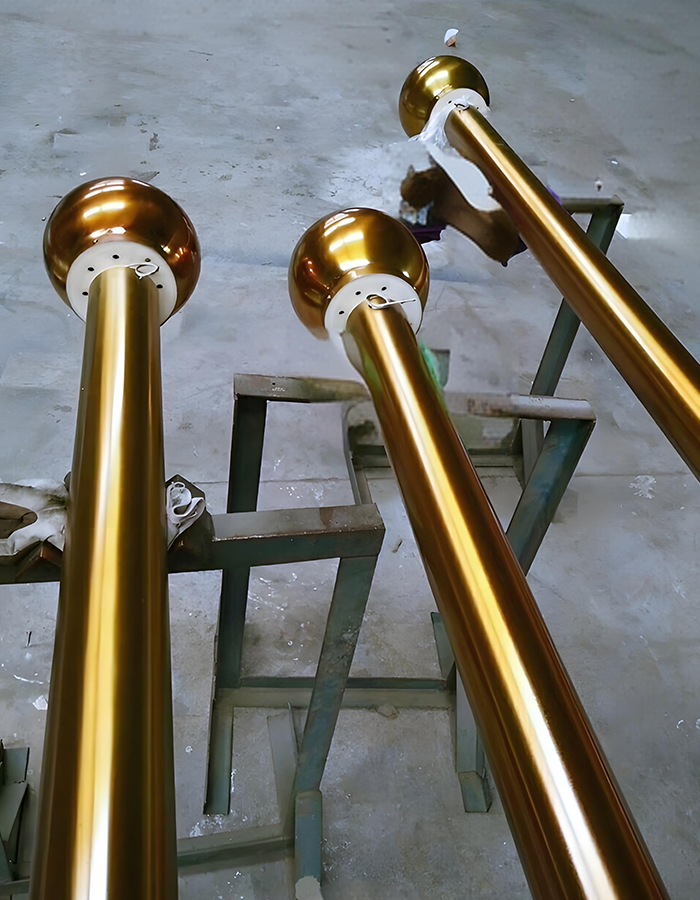 OEM/ODM Titanium corrosion-resistant hand-cranked conical lifting flagpole SupplJiangsu Shengqi Weiye Intelligent Technology Co., Ltd. is China OEM/ODM Titanium corrosion-resistant hand-cranked conical lifting flagpol...View Product →
Matching the system to the operator
Ask who will actually lower the flag. A school custodian, a hotel maintenance worker, and a volunteer at a community park all have different time, training, and physical capability. An electric pole with a simple remote control is the most forgiving for a team that is not comfortable with ropes. A manual winch is almost as easy but requires a strong arm for very large flags. An external halyard is the cheapest to build and repair, but it demands technique and a high level of attention to avoid tangles. Choose based on the real user, not on the brochure.
Buying considerations
When you compare flagpoles, look for details that affect lowering: a smooth-turning ball head, a halyard that is thick enough to grip comfortably, a cleat positioned at a reachable height, and an access cover that opens without tools. These small choices have more effect on the daily routine than the difference of a few feet in height. Also check that the halyard is slightly longer than twice the pole height, so the snap hooks can reach the ground for maintenance and still tie off at the cleat. Confirm that the winch or motor is sized for the flag you intend to fly; an undersized motor will struggle to lower a heavy banner in a breeze, and that strain will show up first as erratic lowering speed.
Lowering a flag properly is a combination of knowing your equipment, following a careful sequence, and keeping everything in good order. The fundamentals are not complicated: keep tension on the halyard, lower slowly, unsnap at eye level, and never let the flag touch the ground. Whether you work with an external halyard, a hand-crank winch, or an electric motor, the same principles apply: inspect before you start, control the descent, and secure the halyard when the flag is down.
Take the time to practice the routine on a calm day, before a storm arrives. Find your crank handle, check the cleat wrap, test the manual override, and confirm that the snap hooks slide cleanly. A few minutes of preparation today will make every future lowering safe, smooth, and respectful of the flag.
Previous Post
What Is a Flagpole? Definition, Types, Parts, Materials, Heights and Buying Guide
Next Post
What Size Flag for a 30 Foot Flagpole? The Complete Sizing Guide and Chart?
News
-
-
1. Understanding the Importance of Regular Maintenance for Aluminum Alloy Flagpoles Regular maintenance of your aluminum alloy flagpole is essential ......
READ MORE -
Unique advantages of aluminum alloy: Why it is the preferred material for flagpoles In today's society, flagpoles are not only a tool for displaying f......
READ MORE -
What is the aluminum alloy electric intelligent lifting conical flagpole? The aluminum alloy electric intelligent lifting conical flagpole is a high-e......
READ MORE

Copyright Jiangsu Shengqi Weiye Intelligent Technology Co., Ltd. All Rights Reserved.
 Custom Commercial Flagpoles Suppliers